Umgebung der Ruine Habsburg — History & Facts
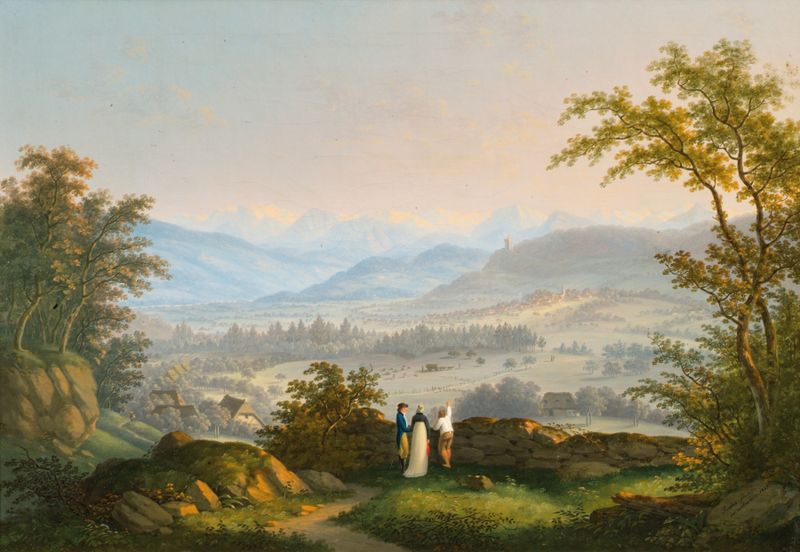
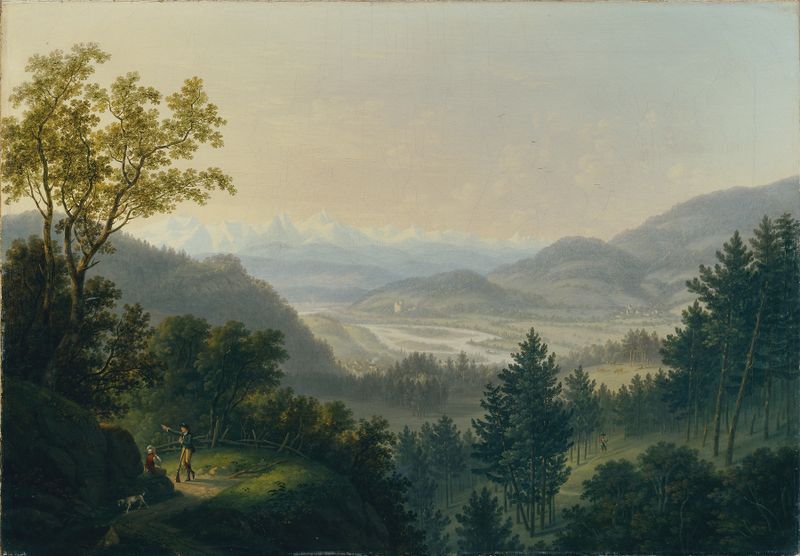
In a world that relentlessly evolves, transformation is both a balm and a wound, encapsulated in the stillness of forgotten ruins. Look to the left at the crumbling stonework, where soft greens gently reclaim their territory, weaving nature back into the fabric of history. Notice how the artist’s brush captures the interplay of light and shadow, creating a dialogue between the vibrant flora and the somber architecture. The palette, a harmonious mix of earthy tones and whispers of blue sky, embodies both decay and renewal, inviting viewers to contemplate the passage of time. Beneath the surface, the painting juxtaposes fragility with resilience.
The dilapidated structure stands as a testament to bygone power, yet it is cradled by the encroaching wilderness, suggesting that all things eventually yield to nature's embrace. This dynamic interplay of man-made and organic evokes a sense of melancholy while celebrating the cycle of existence. Each brushstroke hints at stories untold, as the remnants of the Habsburg's might are softened by the tender caress of the surrounding greenery. In 1804, Johann Caspar Rahn painted this work during a period of significant change in Europe, marked by the shifting tides of politics and culture.
At this time, artists increasingly turned to themes of nostalgia, reflecting the fading glory of empires amid the rise of Romanticism. This backdrop informed not only the subject of Umgebung der Ruine Habsburg but also the pervasive sense of longing and transformation that now resonates through his evocative portrayal.