Umgebung der Ruine Habsburg — History & Facts
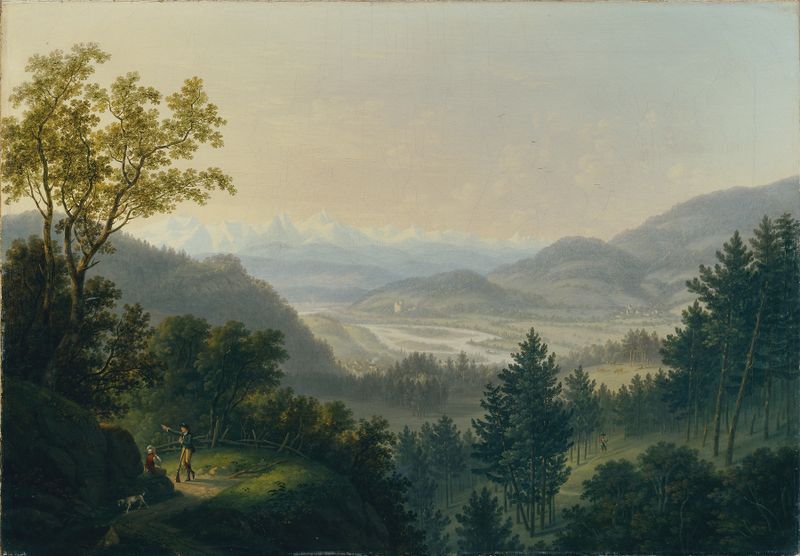
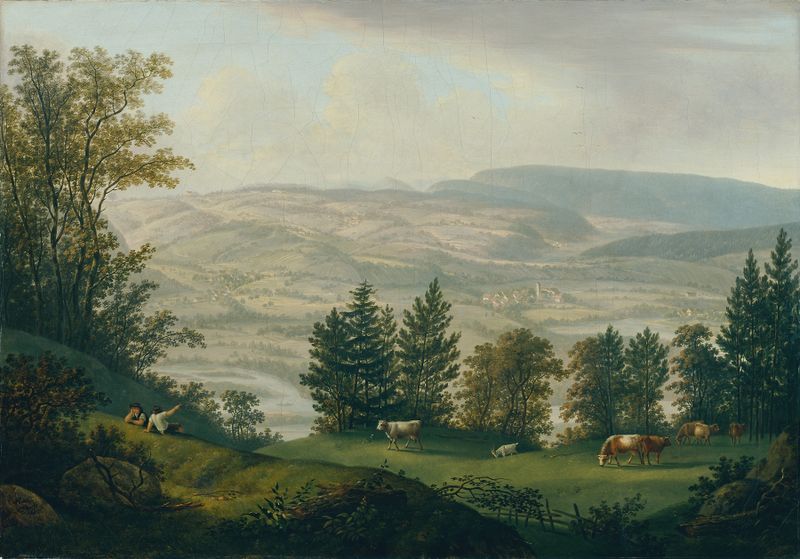
A landscape can echo the desires we hold but cannot voice, yearning for connection and understanding beyond mere words. Look to the foreground where crumbling ruins of a once-majestic structure emerge from the verdant foliage. The artist’s delicate brushstrokes capture the intricate interplay of light and shadow, enveloping the ruins in a soft glow that suggests both decay and beauty. The muted greens and earthy browns dominate the palette, while hints of brighter hues breathe life into the surrounding nature.
The composition draws the eye into the depths of the scene, inviting you to explore the hidden stories embedded in each stone and leaf. Beneath the surface, the contrasting themes of past glory and current vulnerability resonate powerfully. The ruins stand as a poignant reminder of time's passage, a symbol of what was cherished but now lies in neglect. This duality evokes a deep sense of nostalgia, suggesting not only the transience of human achievement but also the profound connection we share with our environment.
The gentle embrace of nature over the remnants of civilization reflects a yearning for harmony, as if the landscape itself longs to reclaim what has been lost. In 1803, Johann Caspar Rahn created this work during a period of personal and artistic exploration. Residing in Germany, he was influenced by the Romantic movement, which emphasized emotion and individual experience. This painting captures not just his observations of the world but also the collective consciousness of a society contemplating change and the passage of time, making Umgebung der Ruine Habsburg a rich reflection of both personal and universal yearning.