Umgebung der Ruine Habsburg — History & Facts
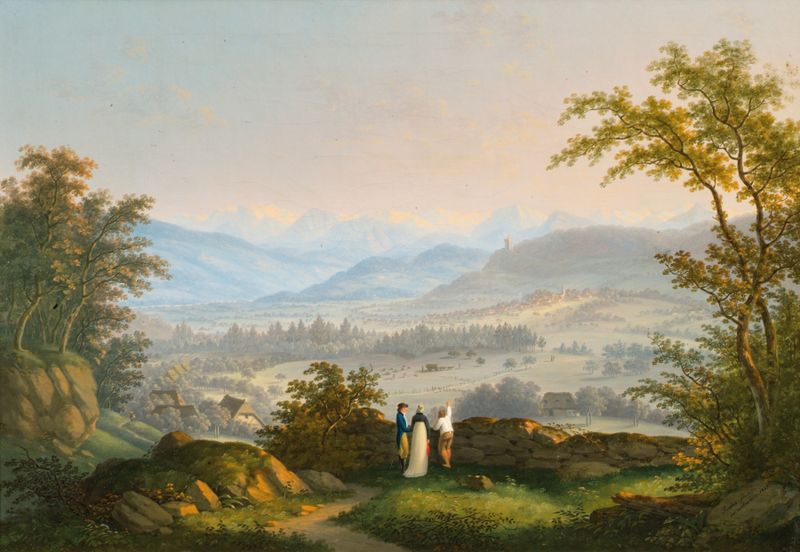
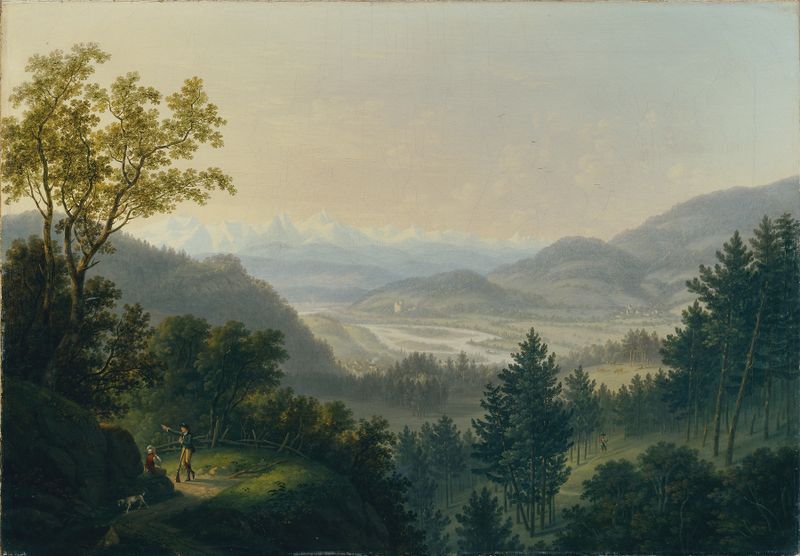
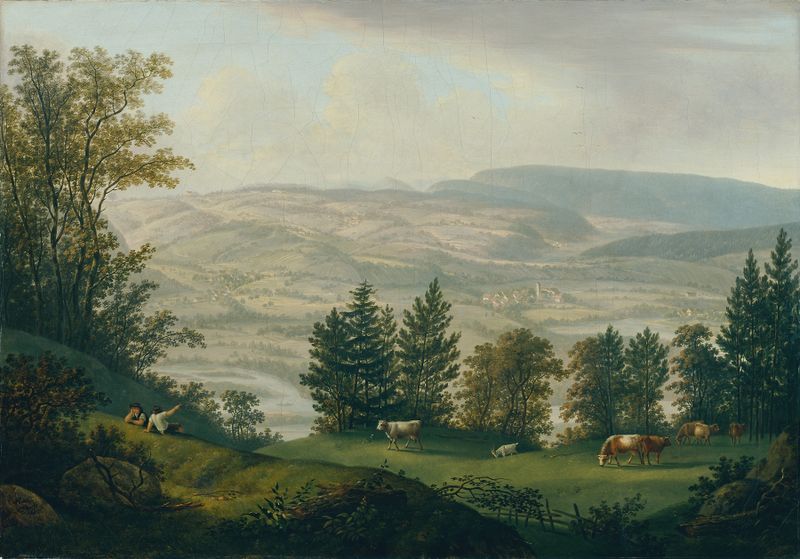
What if beauty was never meant to be finished? The lingering remnants of the past whisper this truth through the faded grandeur of a forgotten landscape. Within these brushstrokes lies a melancholy that explores the tension between creation and decay. Look to the center of the canvas, where the ruins of the Habsburg castle rise against a backdrop of muted sky. Notice how the artist employs soft, earthy tones to evoke the weight of history, each brushstroke carefully layered to mirror the passage of time.
The gentle play of light filtering through the clouds casts an ethereal glow upon the crumbling stones, inviting the viewer to ponder the stories embedded in the texture of the walls and the surrounding wilderness. Delve deeper, and you'll discover contrasts that define the emotional landscape of the piece. The juxtaposition of the stark, skeletal ruins against the vibrant, organic forms of nature highlights the inevitable cycle of life and death. Birds soar above, a symbol of freedom and escape, yet they also remind us of the transience of existence.
This interplay between the man-made and the natural evokes a profound sense of nostalgia, as if the castle itself mourns its lost glory while embracing the inevitability of its decline. In 1804, Johann Caspar Rahn painted this work during a period of great Romantic fervor, when art sought to capture the sublime and the emotional depths of the human experience. Living in Switzerland, he was influenced by the ideals of nature's beauty, juxtaposed against the ruins of history, reflecting a world eager to explore the tension between civilization and its own impermanence.