
Un coin de l’Île de Billancourt — History & Facts
Who listens when art speaks of silence? In the hushed stillness of a moment captured, the echoes of fear and uncertainty linger beneath the surface. Look to the left at the solitary figure standing on the embankment, cloaked in muted tones. The soft brushstrokes blend greens and grays, capturing the essence of the natural world while conveying an overwhelming sense of isolation. Notice how the light diffuses through the trees, casting dappled shadows on the ground, creating an interplay between illumination and obscurity.
The composition draws the eye toward the water, where reflections ripple with an unsettling quiet, mirroring the unease that pervades the scene. Delve deeper into the emotional landscape of this piece, where the tranquil setting belies an underlying tension. The figure's posture, slightly hunched, suggests a vulnerability that contrasts sharply with the serene beauty surrounding them. The juxtaposition of the calm water and the cloaked form evokes a sense of fear — a fear not just of the external world, but of the solitude that envelops the individual.
This intricate balance between stillness and apprehension invites the viewer to grapple with their own emotions, questioning what lies beneath the surface. In 1886, Lepère painted this work during a time when French art was shifting towards Impressionism and realism. Living in Paris and observing the rapid changes of modern life, he sought to explore the relationship between nature and humanity. The unease captured in Un coin de l’Île de Billancourt reflects both his personal experiences and the broader societal tensions of the period, as urbanization began to encroach on natural landscapes, leaving echoes of fear in its wake.
More Artworks by Auguste Louis Lepère
Browse all →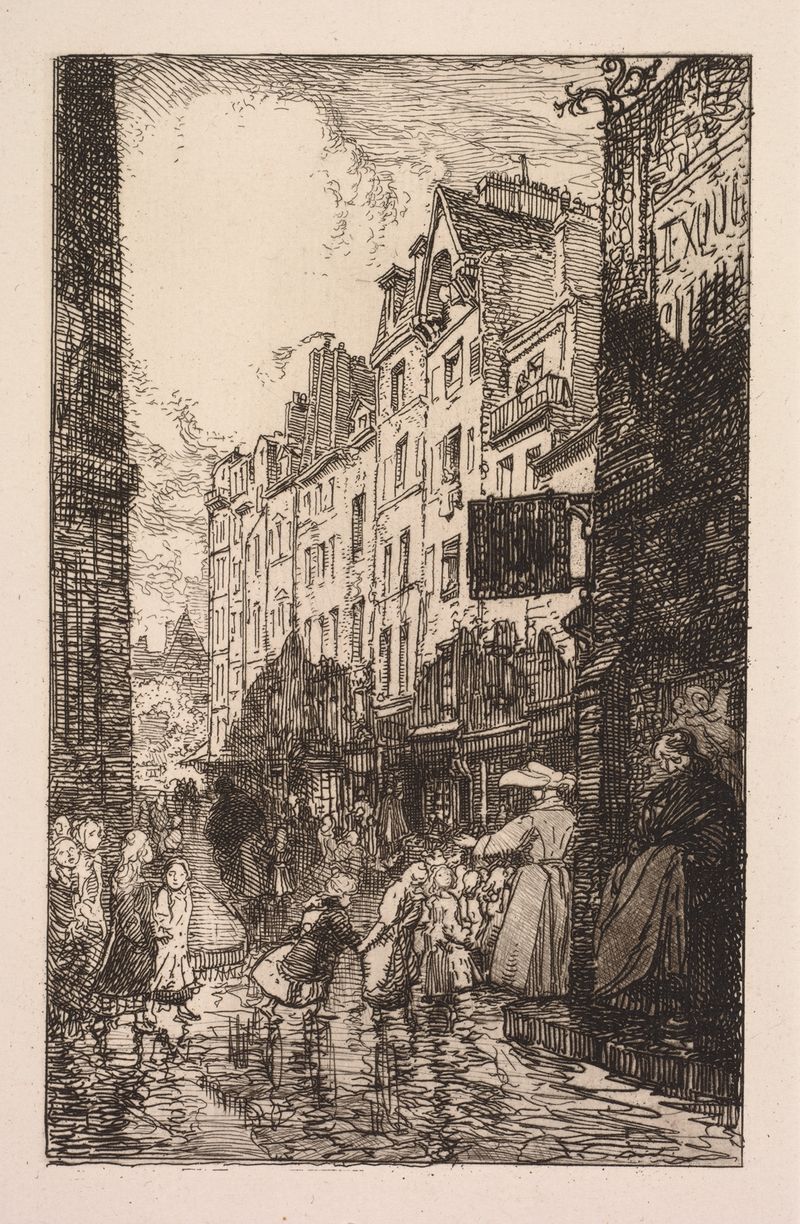
La Rue des Prêtres Saint-Séverin
Auguste Louis Lepère
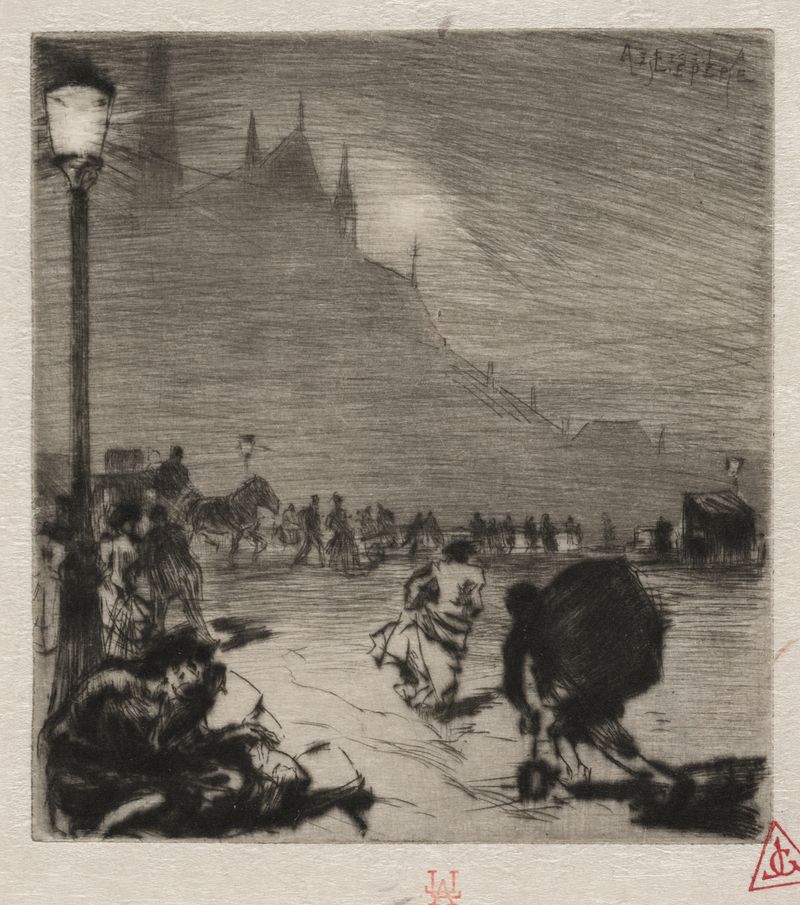
Au Coin du Pont-aux-Doubles
Auguste Louis Lepère
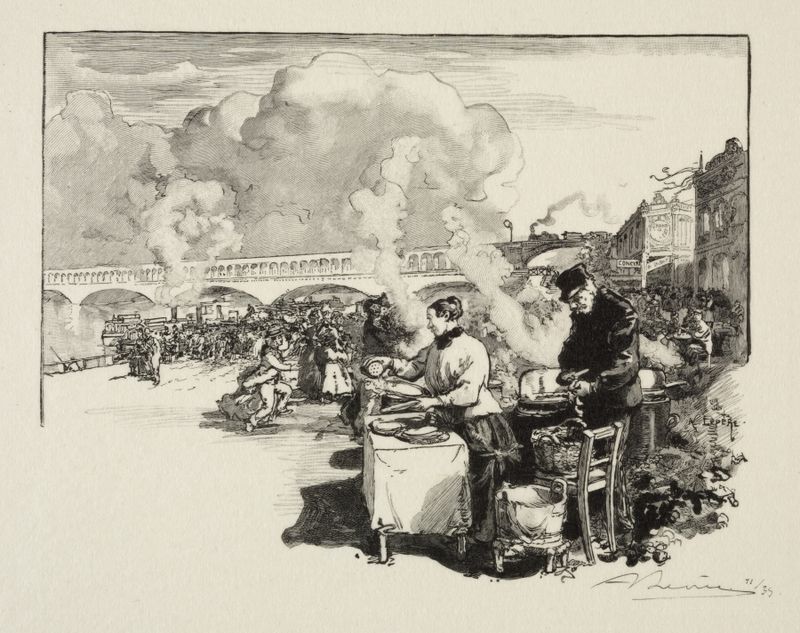
Debarcadère des bateaux-omnibus
Auguste Louis Lepère

La Seine, au quai de la Rapée
Auguste Louis Lepère
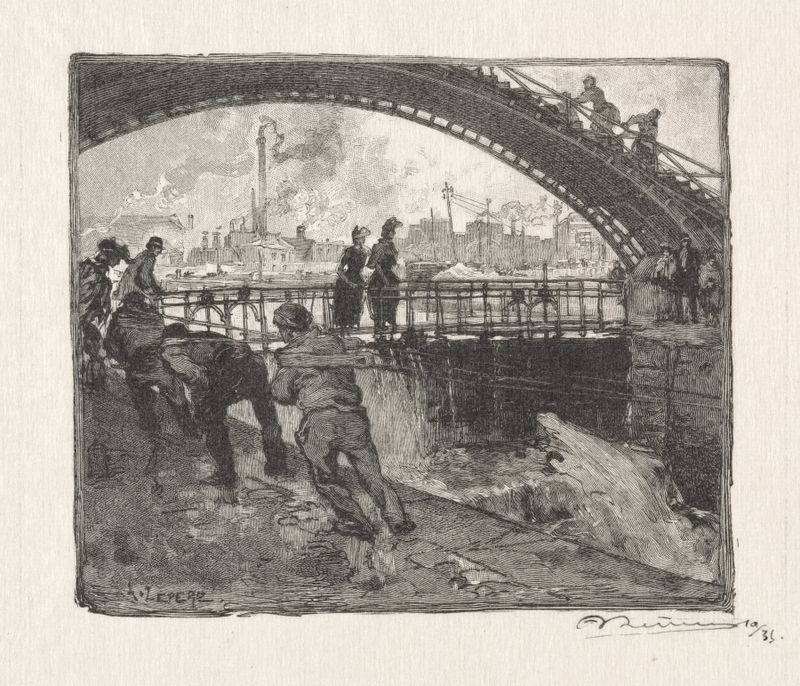
L’Ecluse du Canal St. Martin
Auguste Louis Lepère

Le Boulevard Montmartre, le Soir
Auguste Louis Lepère

Une Chasse au Mont Gérard
Auguste Louis Lepère
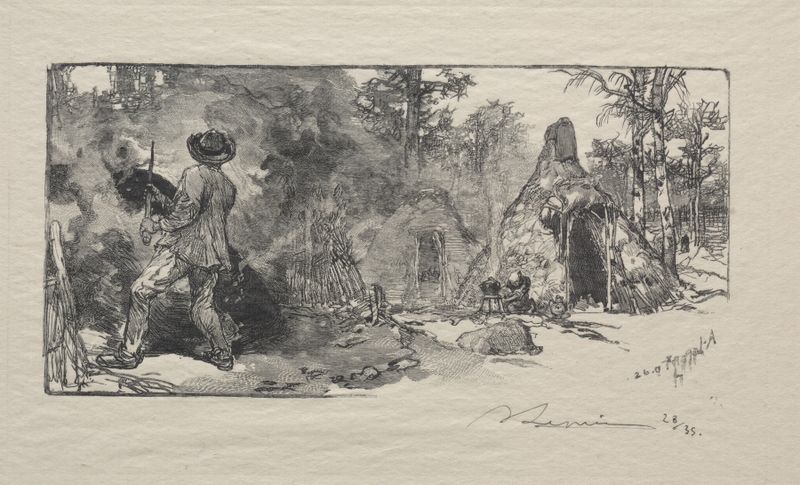
Les Charbonniere
Auguste Louis Lepère
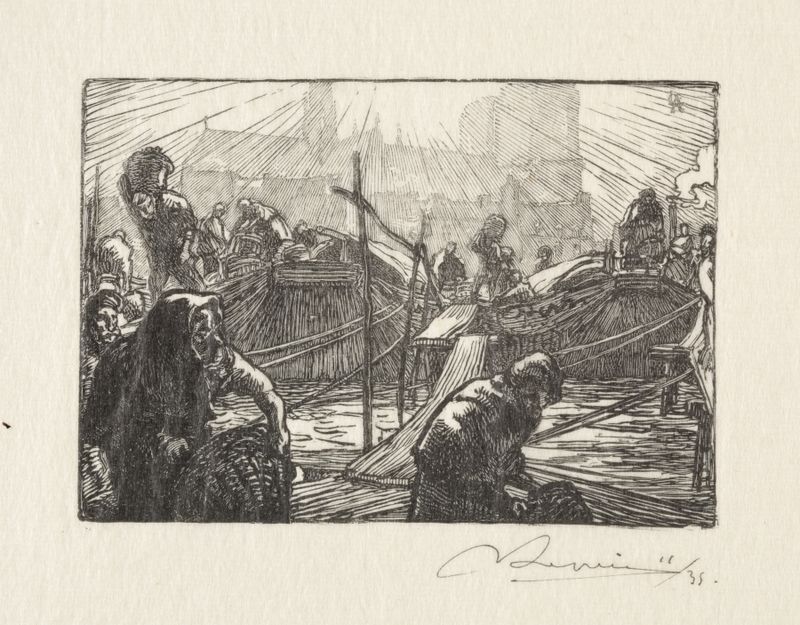
Notre Dame vue du Marché aux pommes
Auguste Louis Lepère

Le Palais des Arts Liberaux, Intèrieur
Auguste Louis Lepère





