
Un paysage neigeux, Tiegem — History & Facts
Shadow plays an intimate role in the world of art, serving as both a concealer and a revealer of truths within a composition. Look to the center of Un paysage neigeux, where the soft white snow blankets the ground and melds into a harmonious gray-blue sky. Notice how the delicate strokes create a sense of movement, as if the cold air itself is captured within the canvas. The contrasting shadows, cast by skeletal trees, draw the eye and invite contemplation of the silent beauty and isolation found in this winter landscape. The interplay between light and shadow evokes a poignant emotional tension—warmth and desolation coexist in this serene yet stark setting.
The subtle hues and gentle gradients invite reflection on the passage of time; the landscape, while serene, speaks of the harshness of winter, a fleeting moment of peace amid nature’s chill. These careful contrasts suggest a deeper narrative, a meditation on solitude and introspection, revealing the complexity of a seemingly simple scene. Valerius De Saedeleer painted this piece in 1910 while living in Belgium, a time marked by a burgeoning interest in the landscape painting genre. Emerging from the influence of Impressionism, he sought to capture the essence of the natural world, emphasizing atmospheric effects and emotional resonance.
His focus on rural scenes reflected both personal affinity and broader cultural shifts, positioning him as a significant figure in the evolution of modern landscape art.
More Artworks by Valerius De Saedeleer
Browse all →
Snow Landscape in Flanders
Valerius De Saedeleer

Before Spring
Valerius De Saedeleer
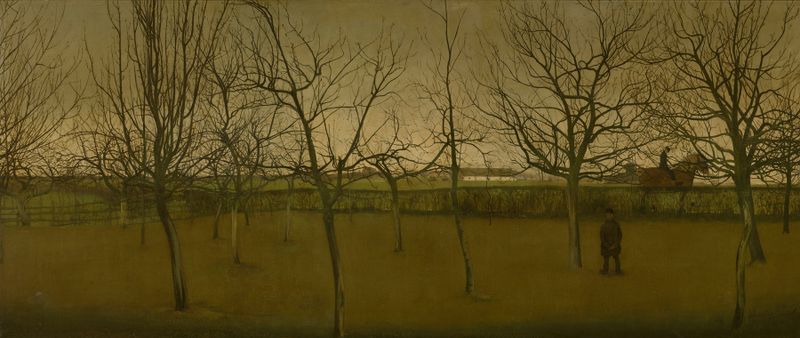
An Orchard in Winter
Valerius De Saedeleer

The River; Bright Spells
Valerius De Saedeleer

End of a gloomy day
Valerius De Saedeleer
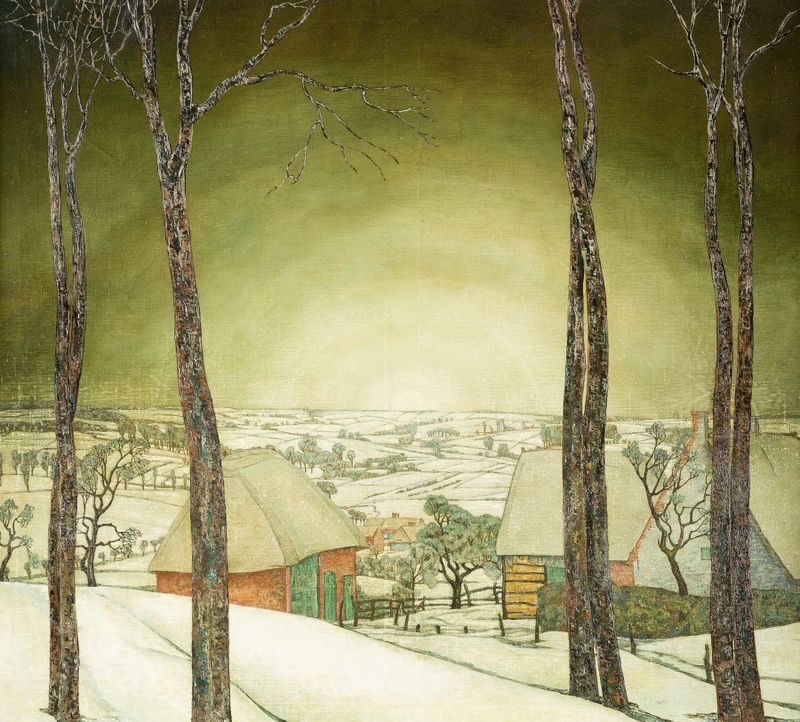
Winter landscape
Valerius De Saedeleer

Tenant Farm in the Snow
Valerius De Saedeleer

Storm Clouds over the Windmill in Tiegem
Valerius De Saedeleer
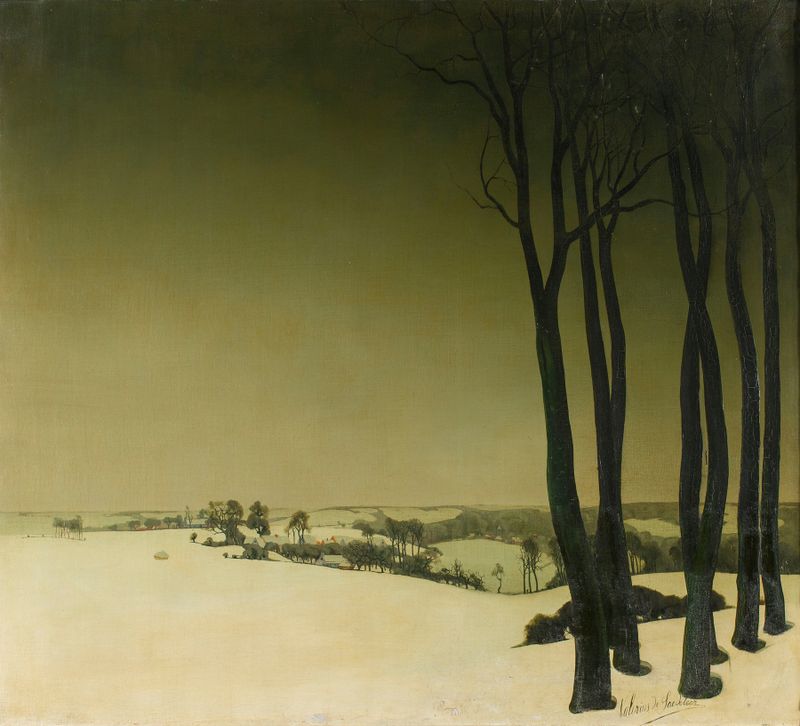
The Big Trees
Valerius De Saedeleer
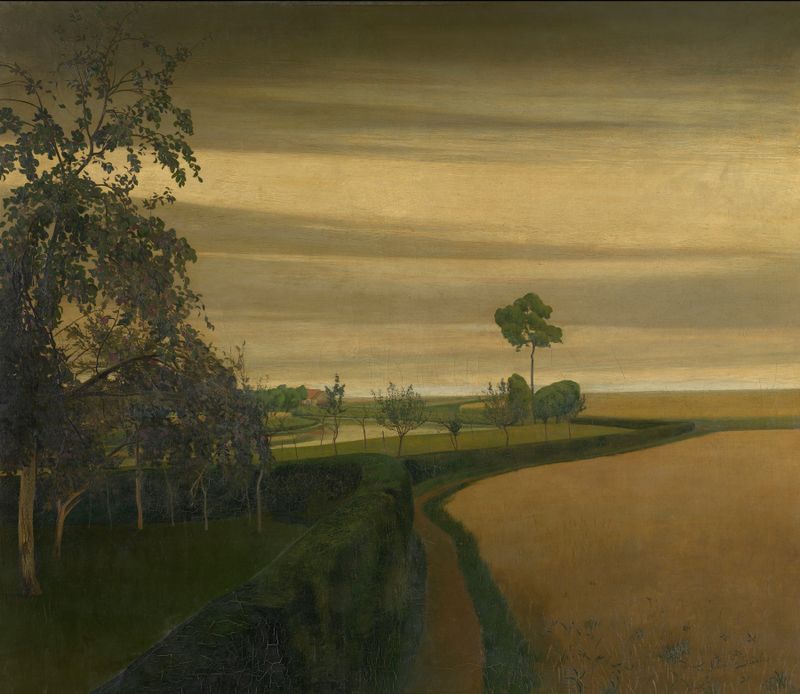
The End of a Gloomy Day
Valerius De Saedeleer





