
Undergrowth — History & Facts
In the dense embrace of nature, a world unfolds where obsession seeps into every brushstroke, revealing an intimate dialogue between man and the wild. Look to the lower left, where a canopy of foliage forms a rich tapestry of greens, teeming with life. The intricate details of leaves and twigs draw the eye inward, inviting exploration. Notice how the sunlight filters through, casting dappled shadows that create a dance of light and dark, emphasizing the depth of the undergrowth.
This interplay of illumination not only highlights Constable’s masterful technique but also conjures a sense of mystery, suggesting that secrets lie within the depths of this verdant chaos. At first glance, the scene is a celebration of nature, yet beneath its beauty lies an unsettling tension. The entangled branches and dense textures evoke a sense of claustrophobia, representing the artist's obsession with the natural world as both sanctuary and confinement. The vibrant yet chaotic greenery mirrors the complexities of human emotion, hinting at the duality of attraction and fear.
Here, Constable captures the essence of nature as a reflection of one’s inner turmoil—a serene façade that conceals the chaos beneath. Created in 1821, this piece emerged during a transformative period for Constable, who was immersed in exploring the English landscape. While he faced personal challenges and the shifting tide of Romanticism in art, Undergrowth reflects his deepening connection to nature as a source of inspiration and solace, culminating in a work that encapsulates both beauty and obsession.
More Artworks by John Constable
Browse all →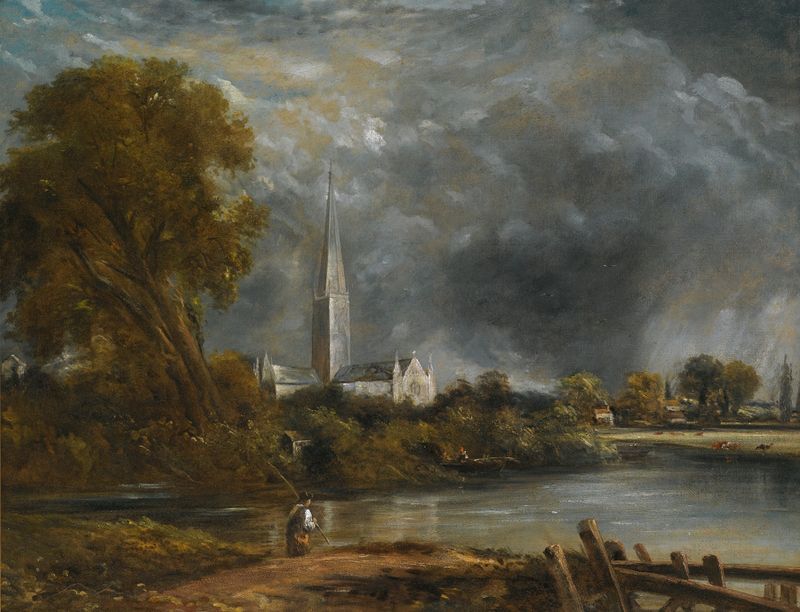
Salisbury Cathedral From The Meadows
John Constable
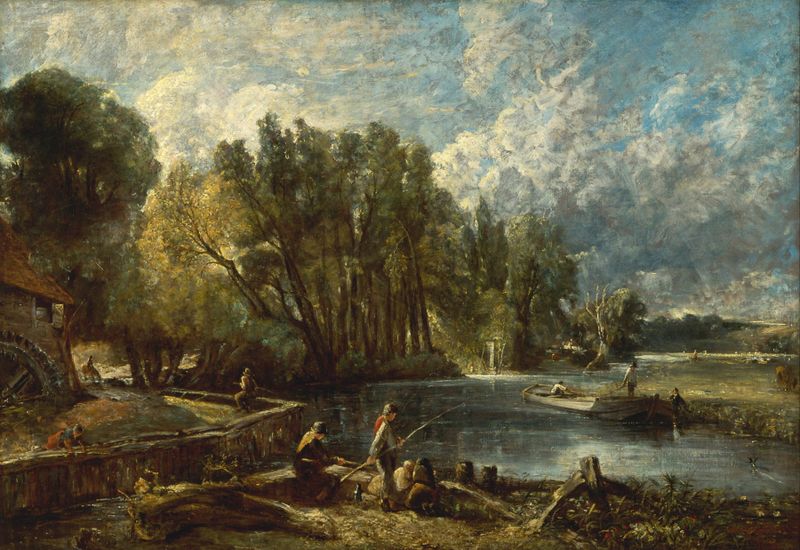
Stratford Mill
John Constable
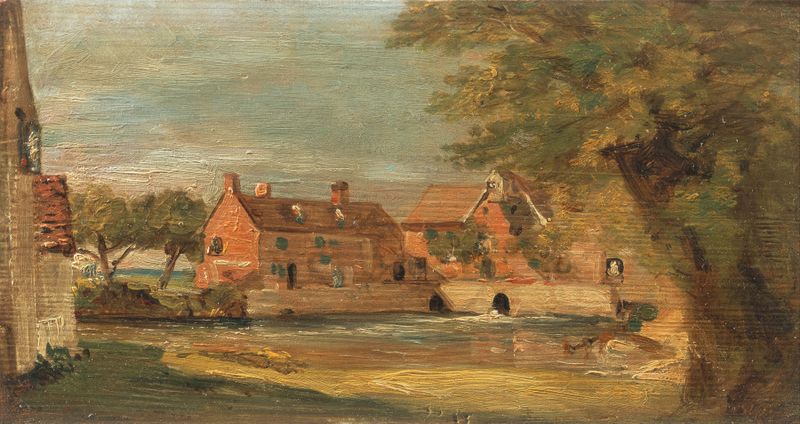
Flatford Mill
John Constable
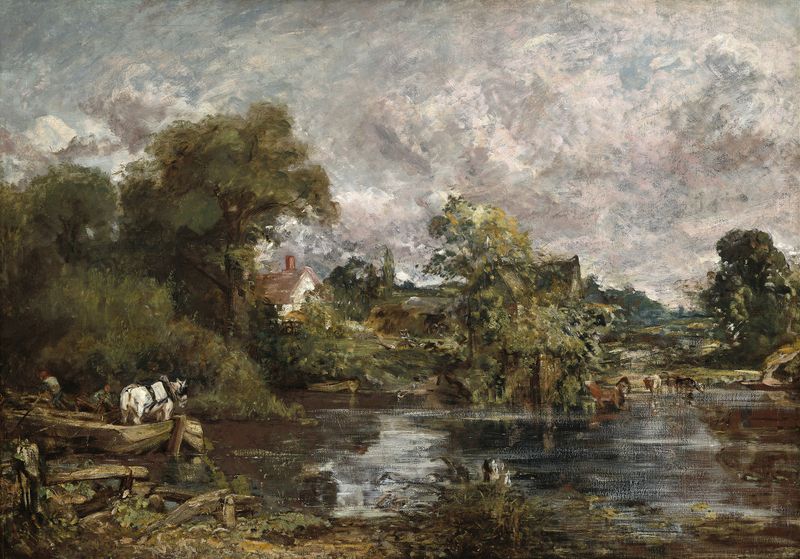
The White Horse
John Constable
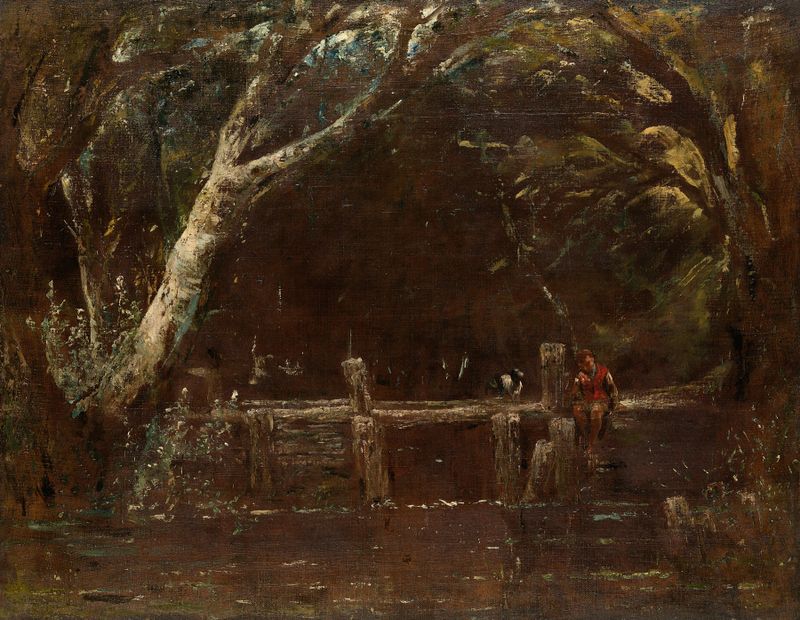
Landscape (The Lock)
John Constable
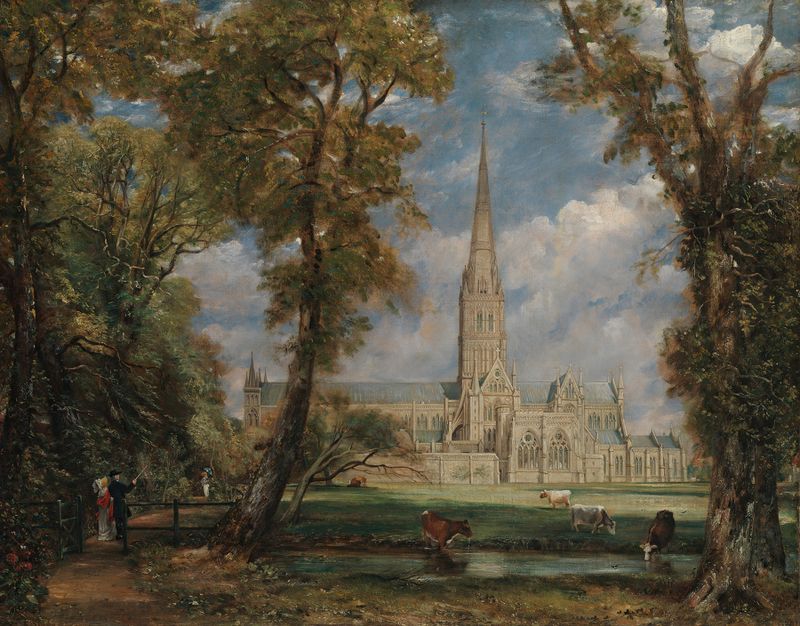
Salisbury Cathedral from the Bishop’s Grounds
John Constable
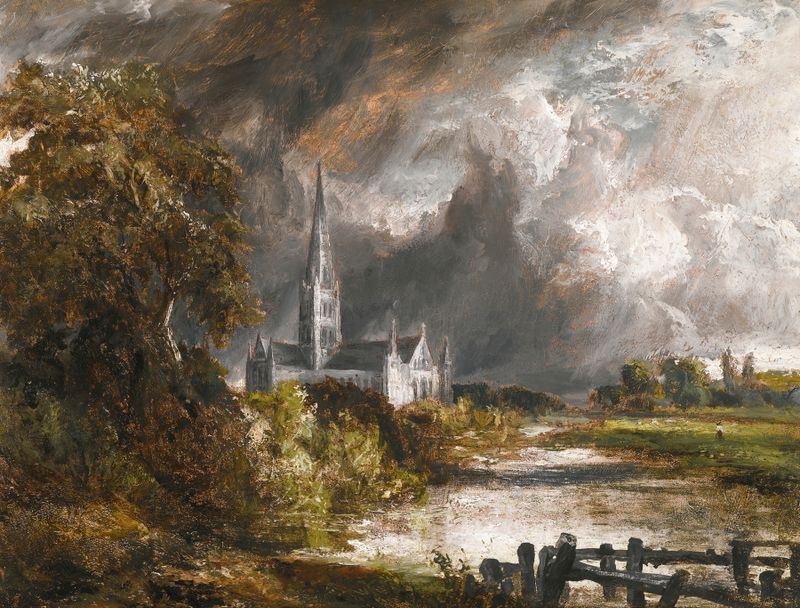
Salisbury Cathedral From The Meadows
John Constable
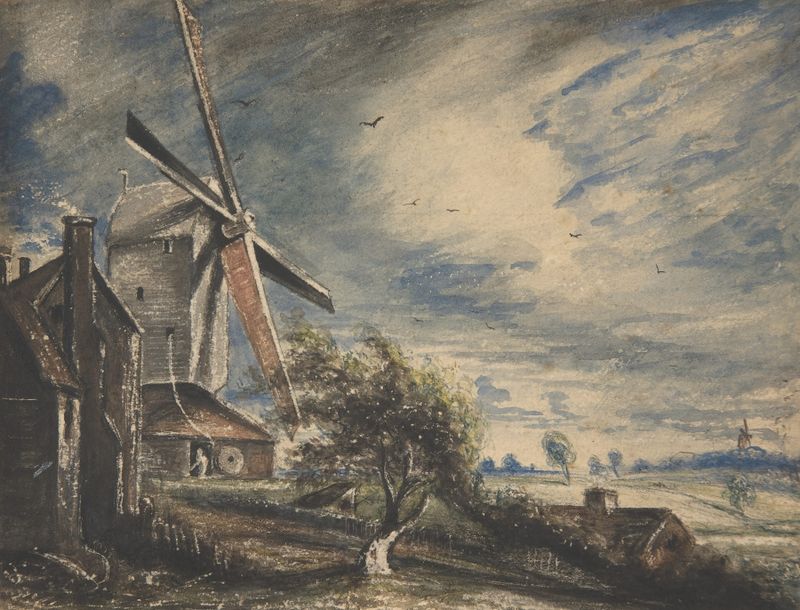
A Mill Near Colchester
John Constable
East Bergholt
John Constable

Flatford Mill
John Constable





