
Une allée dans les bois de Wagnonville — History & Facts
Here, beauty is a quiet presence, whispering to those who dare to pause and look deeply. Notice how the lush greens of the trees beckon you inwards, leading your gaze along the painted path. Look closely at the interplay of light and shadow; the dappled sunlight filters through the canopy above, casting intricate patterns on the ground. The gentle brushstrokes evoke a sense of movement, as if the leaves are rustling in a soft breeze, inviting you down that tranquil corridor of nature.
The composition draws you in, creating a serene moment that feels both timeless and ephemeral. Hidden within the tranquility lies a tension between the stillness of nature and the viewer's own restless spirit. The path, while alluring, remains an invitation to wander yet also a reminder of the journeys we leave behind. The contrasting hues of vibrant greens and the muted browns of the earth suggest a balance between vibrancy and decay, mirroring life's transient beauty.
Each detail, from the delicate foliage to the subtle gradient of the sky, contributes to an atmosphere that feels reflective, almost meditative. Between 1871 and 1875, Corot painted Une allée dans les bois de Wagnonville in a period marked by his deepening engagement with landscape painting. Living in France, he was influenced by both the Barbizon School and the emerging Impressionist movement. This work reflects his mastery in capturing nature’s essence, as well as a personal exploration of beauty during a time of artistic transition, where the brush of modernity began to soften the rigidities of the past.
More Artworks by Jean-Baptiste-Camille Corot
Browse all →
View of Genoa
Jean-Baptiste-Camille Corot
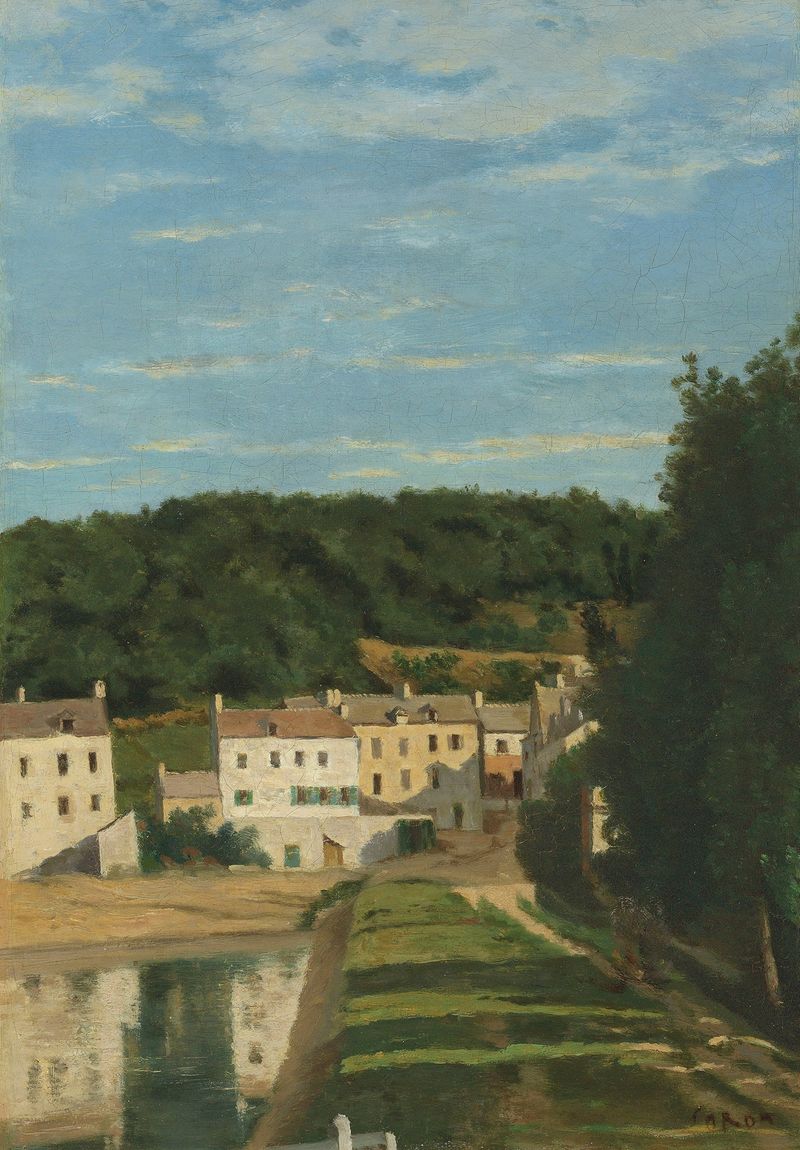
Les Maisons Cabassud À Ville D’avray
Jean-Baptiste-Camille Corot

La solitude. Souvenir de Vigen (Limousin)
Jean-Baptiste-Camille Corot
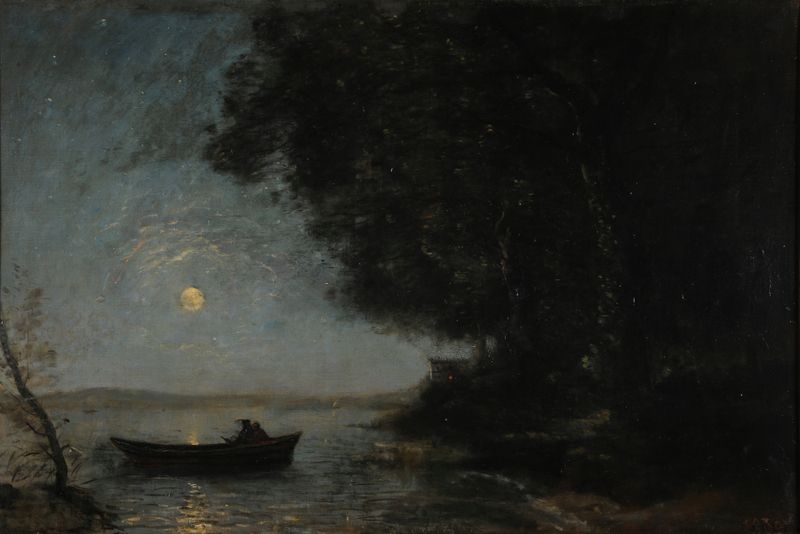
Le lac ; effet de nuit
Jean-Baptiste-Camille Corot
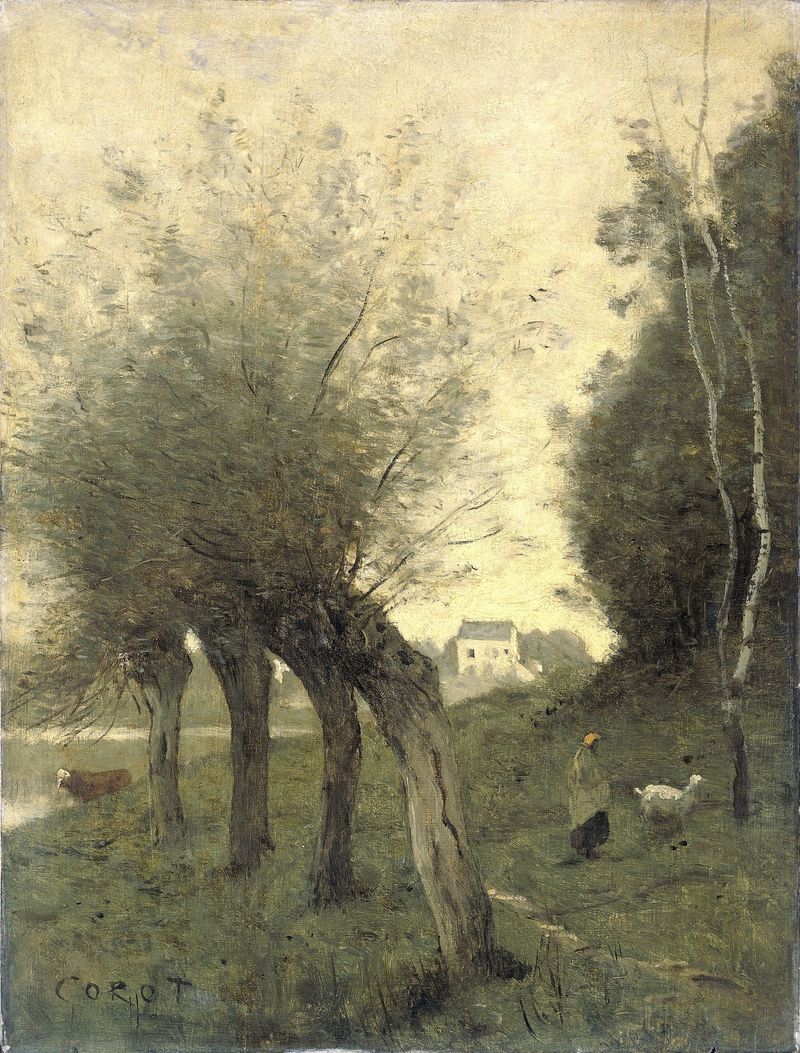
Landscape with Pollard Willows
Jean-Baptiste-Camille Corot
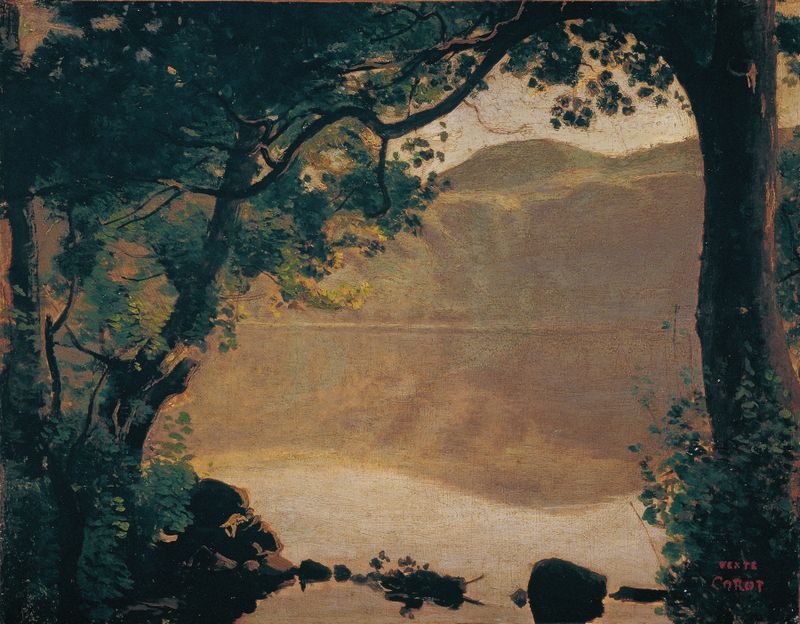
Der Nemisee
Jean-Baptiste-Camille Corot
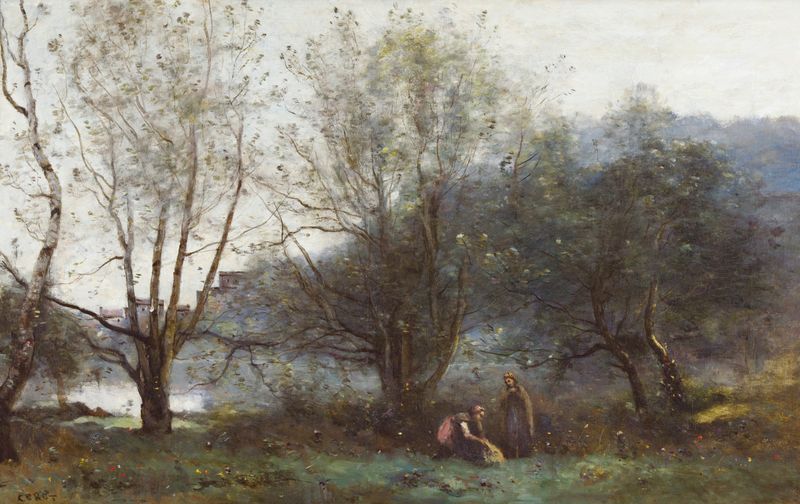
Les Étangs De Ville D’avray
Jean-Baptiste-Camille Corot
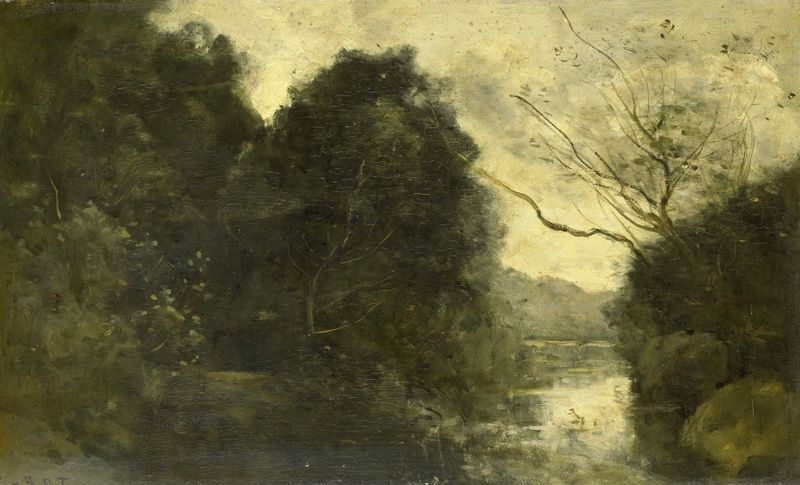
Pond in the Woods
Jean-Baptiste-Camille Corot
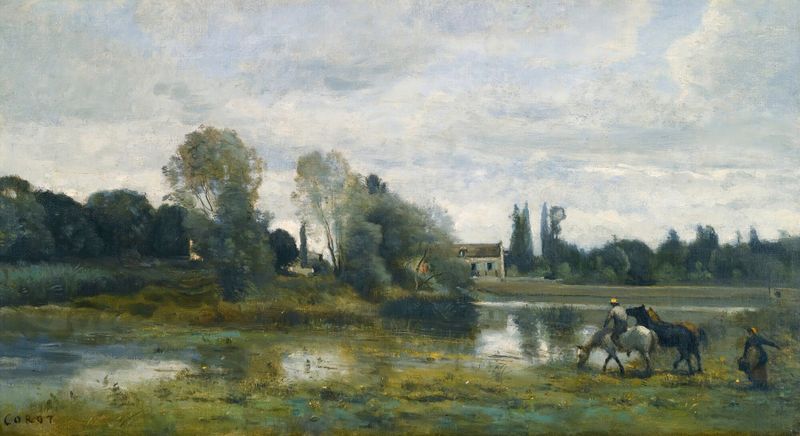
Ville D’avray; L’abreuvoir Des Chevaux
Jean-Baptiste-Camille Corot
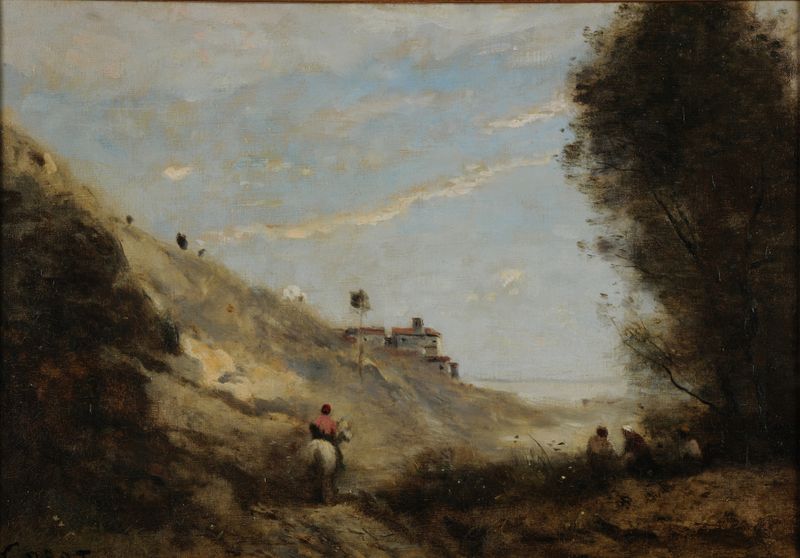
Le vallon au cavalier
Jean-Baptiste-Camille Corot





