
Ungarische Landschaft — History & Facts
Can paint confess what words never could? The layers of color in Ungarische Landschaft pulse with a madness that transcends mere representation, inviting us into a world where emotion and landscape collide. Look to the horizon, where rolling hills stretch beneath a tumultuous sky, the brushstrokes swirling together to create a rhythm of chaos and beauty. Notice how the deep greens of the land contrast sharply with the stormy blues and grays above, a visual metaphor for the turbulence that lurks just beneath the surface. The use of dappled light breaks through the storm clouds, hinting at fleeting moments of clarity amidst the overarching tumult, encouraging the viewer to explore the interplay of light and shadow that defines this scene. As you dive deeper into the painting, consider the stark tension between the vibrant landscape and the oppressive sky, suggesting a struggle between nature's serenity and its potential for chaos.
The uneven brushwork conveys a sense of urgency, perhaps reflecting the artist's inner turmoil or the volatile historical context of his time. Each stroke seems to pulse with life, drawing us into a dialogue with our own emotions as we contemplate the fragile balance between tranquility and madness. Theodor Von Hörmann created Ungarische Landschaft during a period of intense exploration within the realms of landscape painting, embracing the influence of Romanticism. The precise date remains uncertain, but it is believed to be crafted during his travels in Hungary, a time when Europe was captivated by the unfolding dramas of nature and humanity.
This period saw a rising fascination with capturing the sublime, making the artist’s choice of subject both timely and resonant.
More Artworks by Theodor Von Hörmann
Browse all →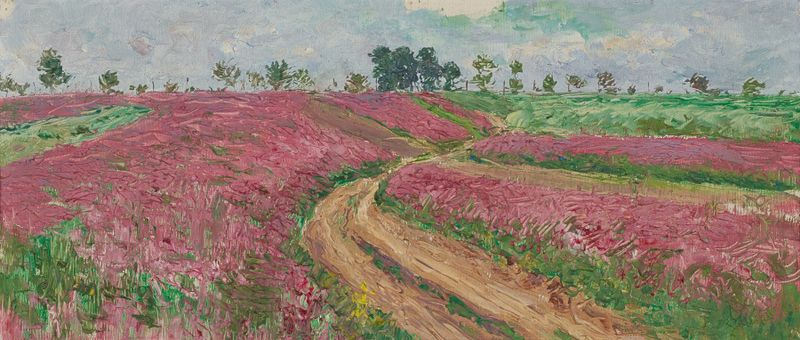
Esparsettenfeld Bei Znaim Ii
Theodor Von Hörmann

Blick Auf Paris
Theodor Von Hörmann

A Watering Place in Kis Bagh
Theodor Von Hörmann

Auf Der Ligethi Puszta
Theodor Von Hörmann
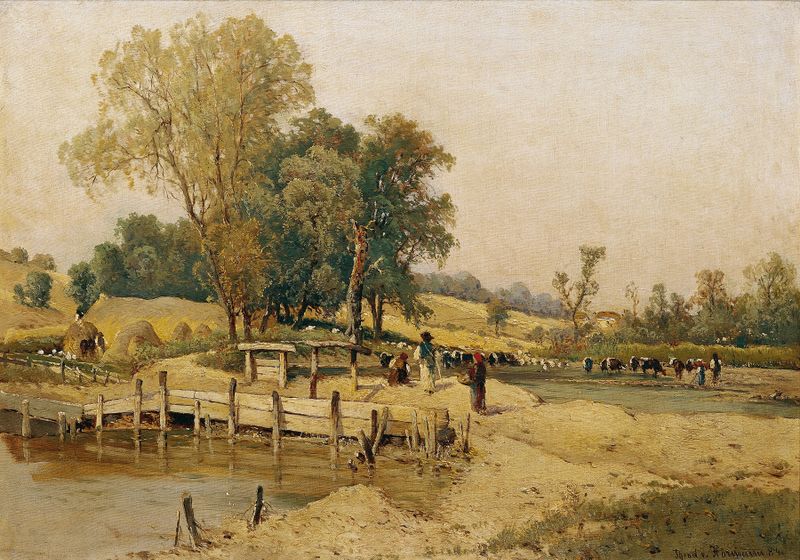
Ungarische Landschaft Mit Viehtränke
Theodor Von Hörmann
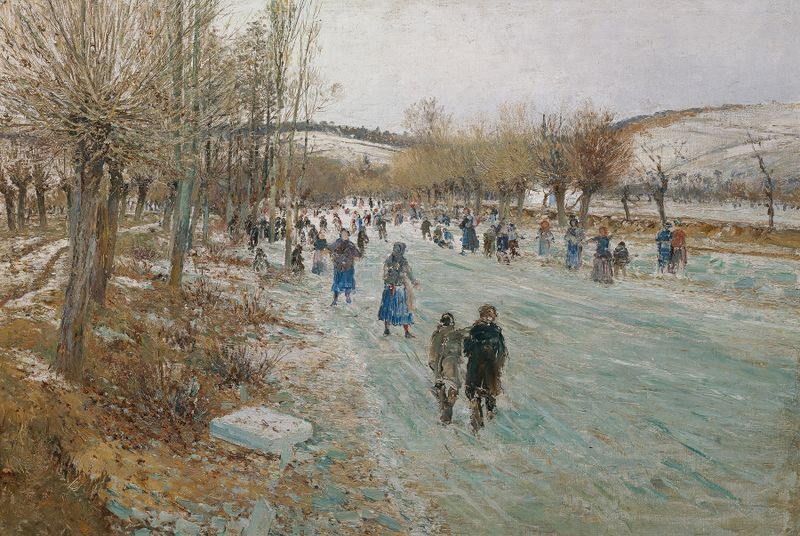
Eisläufer Auf Der Thaya Bei Lundenburg
Theodor Von Hörmann
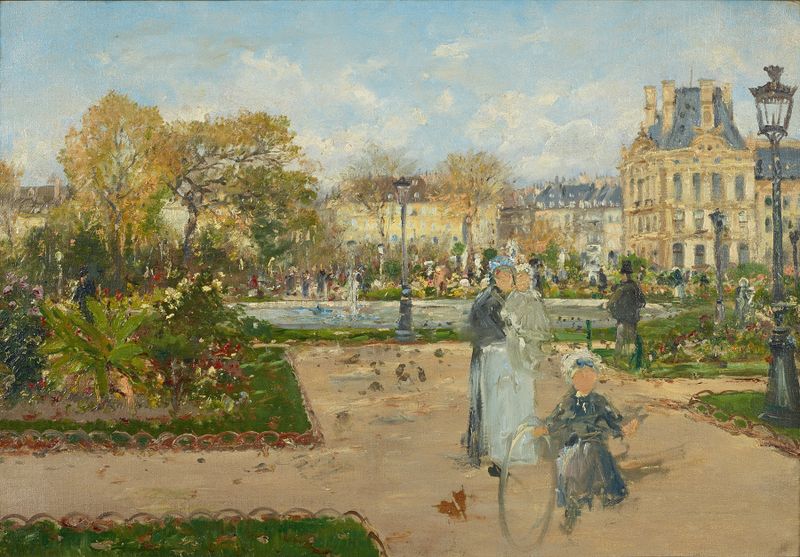
In Den Tuilerien
Theodor Von Hörmann

A Winter Day, Scene near St. Pölten
Theodor Von Hörmann

Znaim Im Schnee Ii
Theodor Von Hörmann
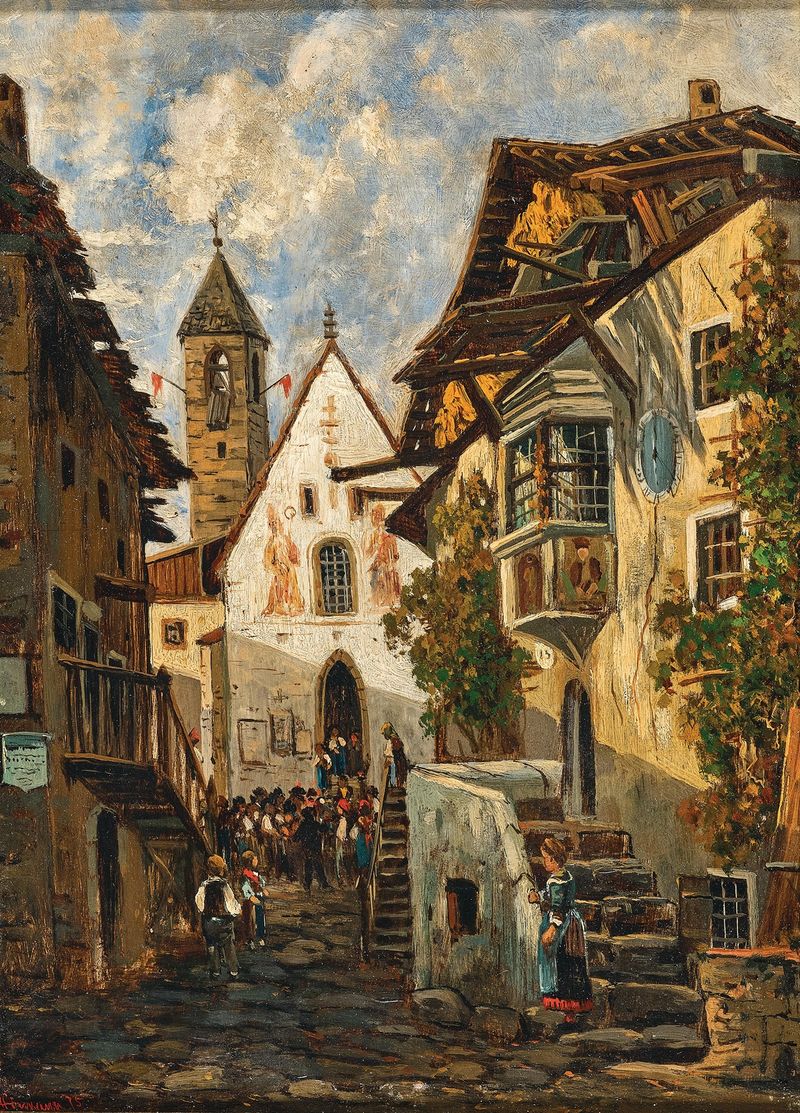
Dorfmotiv von Albeins bei Brixen, Tirol
Theodor Von Hörmann





