
[Unidentified man] — History & Facts
What first catches the eye in this portrait is the sitter’s direct, almost conspiratorial gaze, as if the viewer has just entered the room and interrupted a private thought. The oval frame painted within the canvas itself acts as a window, drawing us into the world of the late eighteenth century, where powdered wigs and lace cravats marked a man’s place in society. The light falls gently across his face, illuminating the careful curls of his wig and the delicate folds of lace at his throat, while the background recedes into a warm, enveloping shadow.
This subtle play of light and darkness not only models the sitter’s features but also sets a tone of quiet self-assurance, suggesting a man comfortable in his station yet alert to the world around him. Painted in 1786 by Adriaan de Lelie, this portrait belongs to a tradition that flourished in the age of Enlightenment, when the rising middle classes and learned professionals sought to record their likenesses for posterity. Such works were often commissioned to mark a milestone or to assert one’s status in a changing world, and the sitter’s sober dress and composed expression reflect the values of rationality and restraint prized at the time. Now in the collection of National Galleries Scotland, this painting stands as a testament to a moment when portraiture served as both personal record and social statement.
The anonymity of the sitter only deepens the intrigue, inviting us to imagine his story and to linger over every brushstroke that brings his world to life.
More Artworks by Adriaan de Lelie
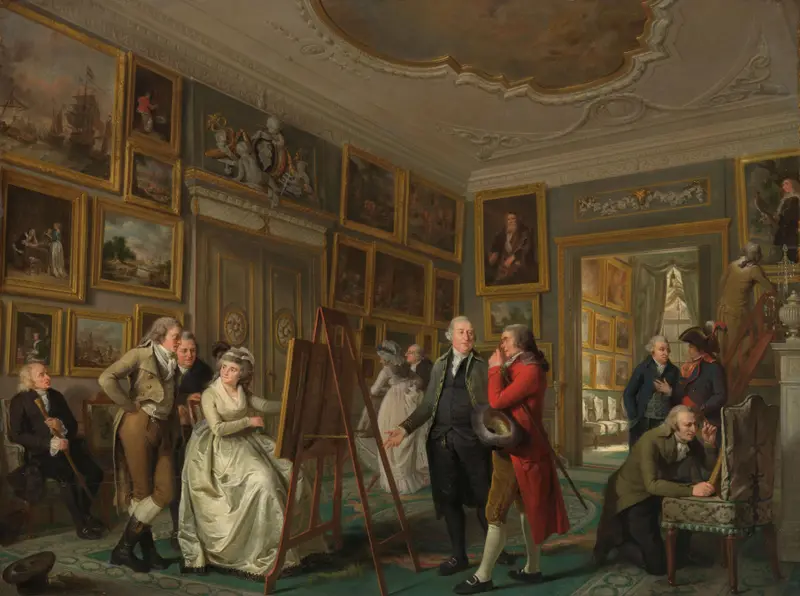
The Art Gallery of Jan Gildemeester Jansz
Adriaan de Lelie
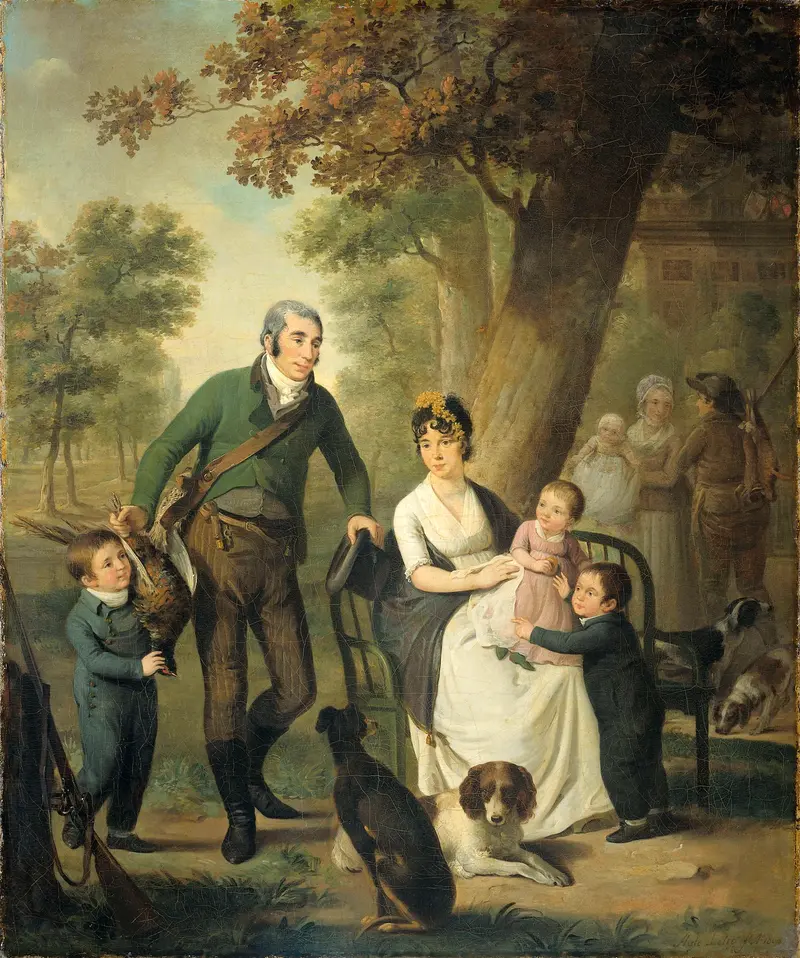
Jonkheer Gysbert Carel Rutger Reinier van Brienen van Ramerus(1771-1821), with his Wife and four of their Children
Adriaan de Lelie
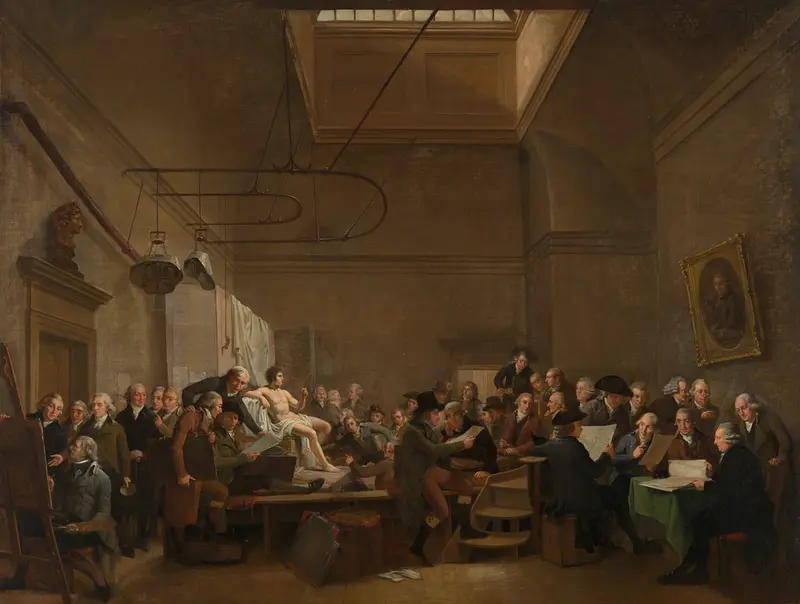
The Drawing Gallery of the Felix Meritis Society
Adriaan de Lelie
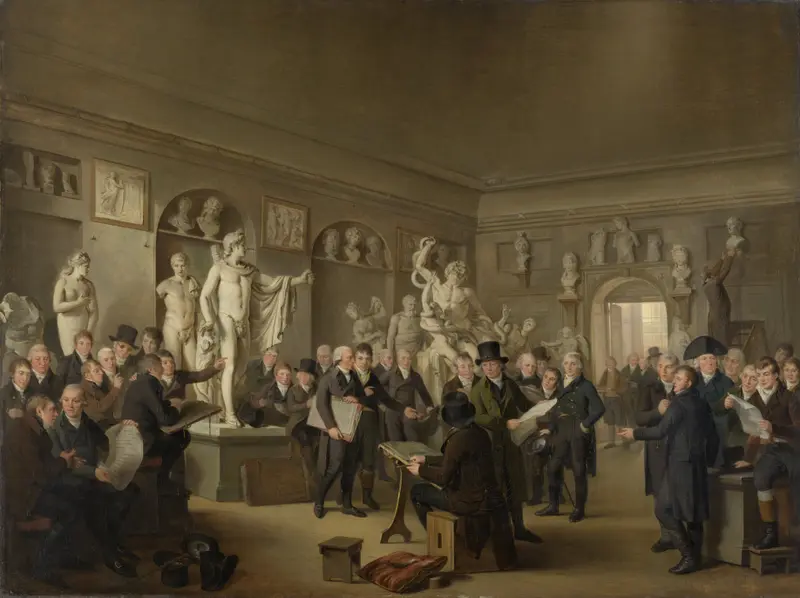
The Sculpture Gallery of the Felix Meritis Society
Adriaan de Lelie
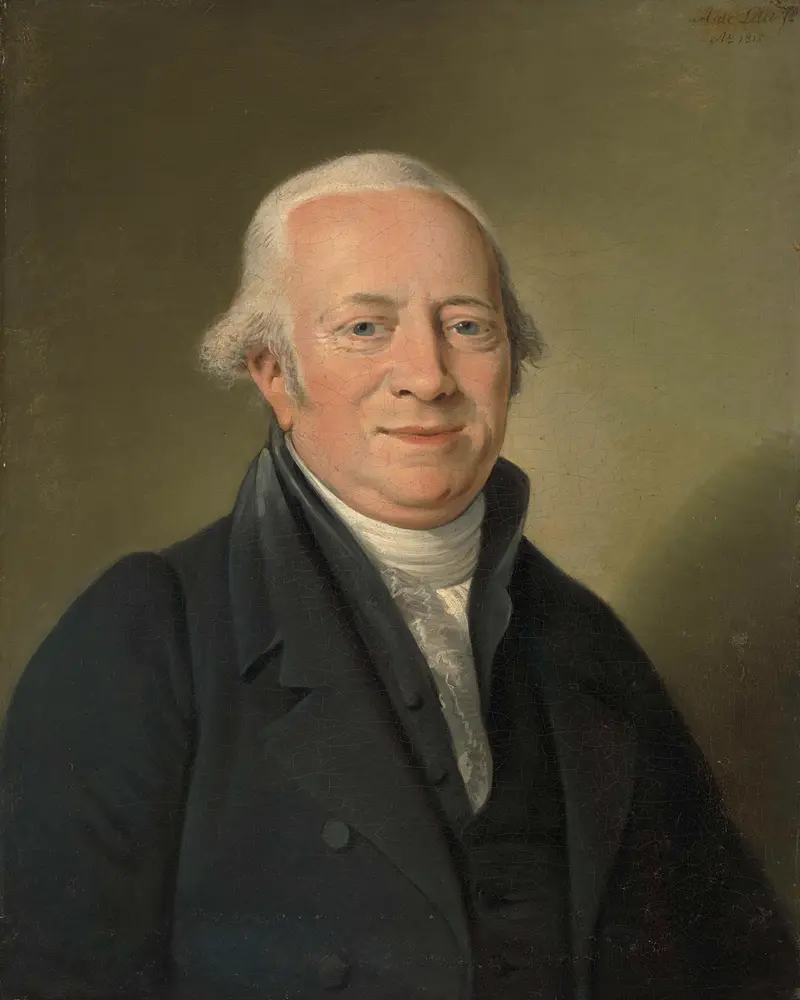
Cornelis Sebille Roos (1754-1820), Amsterdam Art Dealer and Keeper of the Nationale Konst-Gallery in Huis ten Bosch, The Hague
Adriaan de Lelie
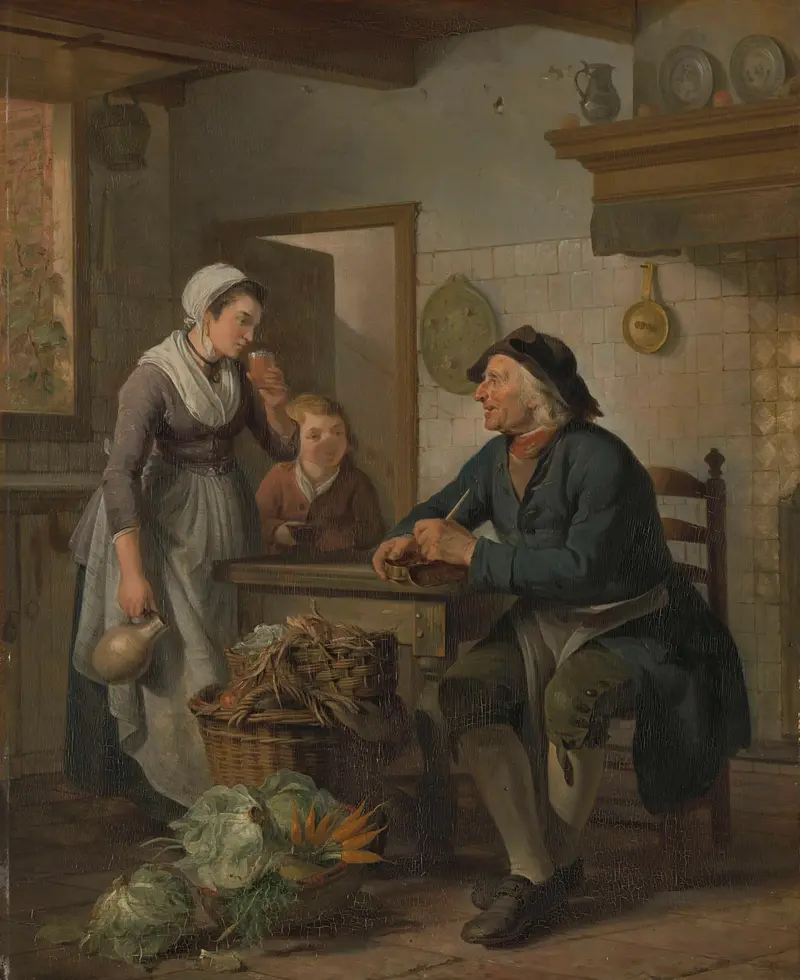
Morning Visit
Adriaan de Lelie
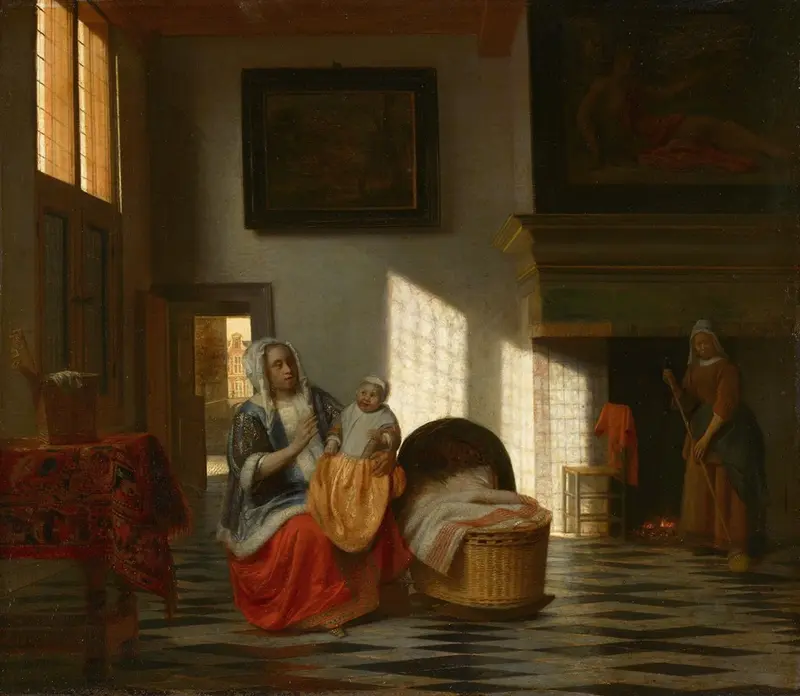
Mother and Two Children with Still Life
Adriaan de Lelie
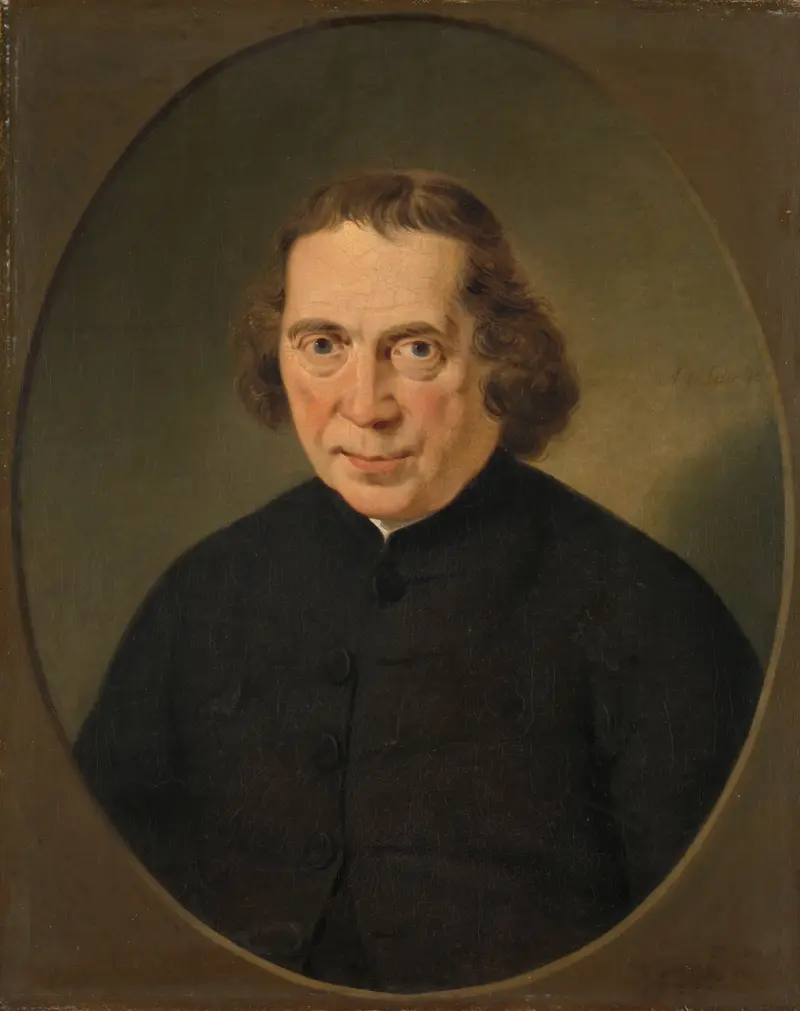
Portrait of Jan Nieuwenhuyzen
Adriaan de Lelie
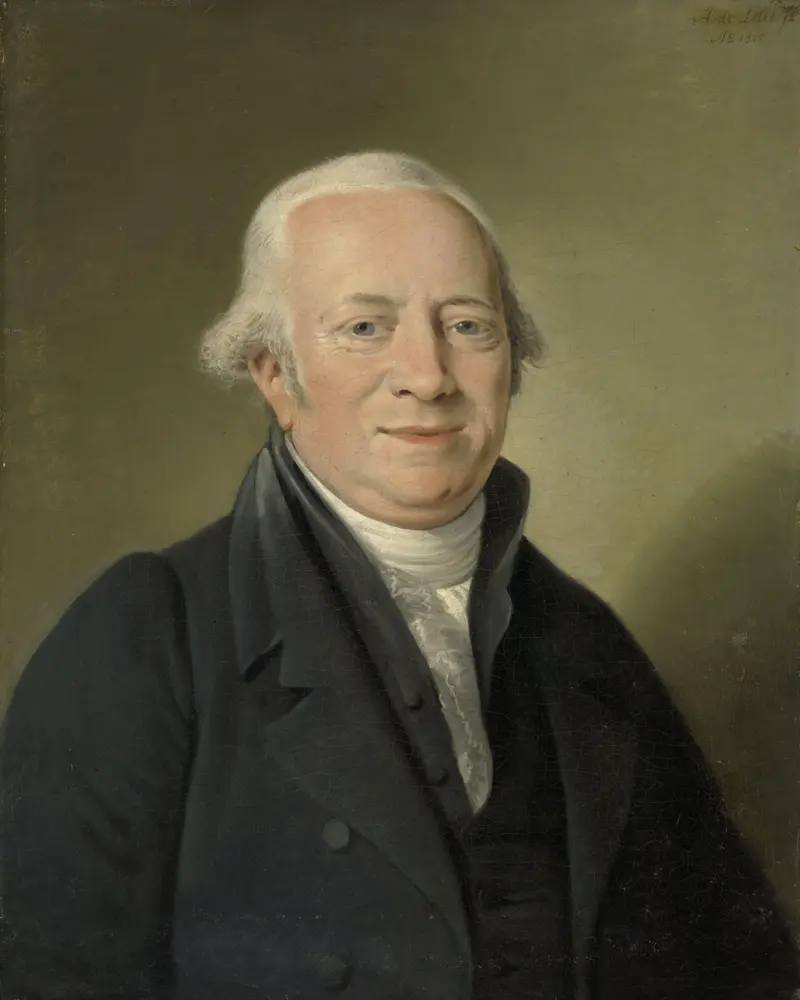
Portrait of Cornelis Sebille Roos, Art Dealer in Amsterdam and Inspector of the National Konst-Gallery and the Huis ten Bosch in The Hague
Adriaan de Lelie
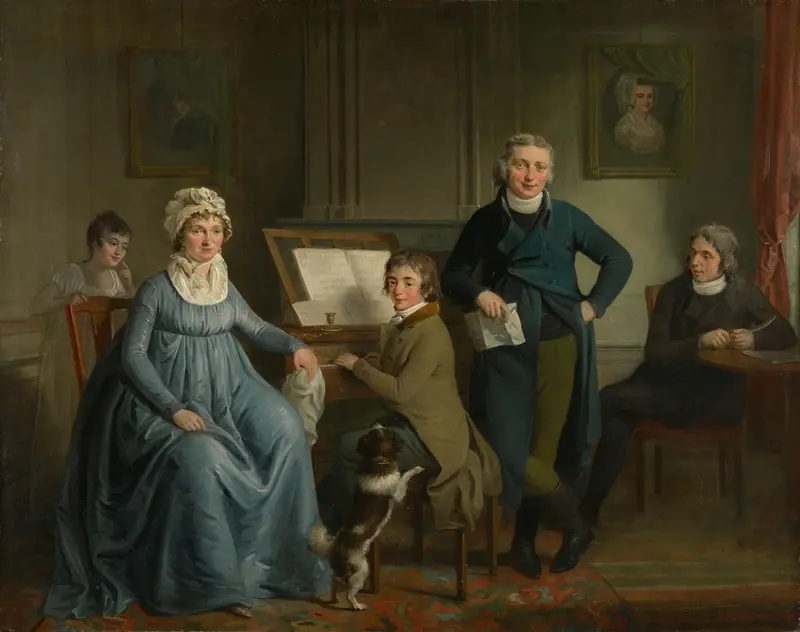
Musical family
Adriaan de Lelie





