
Upper Fall of the Reichenbach: Rainbow — History & Facts
Can beauty exist without sorrow? In Upper Fall of the Reichenbach: Rainbow, the interplay of light and shadow evokes a contemplative tension that invites reflection on the duality of nature. Look to the center, where the cascading waterfall emerges with a powerful force, painted in rich, swirling blues and whites. The tumultuous water contrasts vividly with the gentle arch of the rainbow, a delicate spectrum of colors that seems to promise hope amid the tempest. Notice how the sunlight pierces through the clouds, illuminating the scene with a radiant glow that softens the roar of the falls, creating a moment suspended between chaos and calm. As you explore the edges of the canvas, hidden meanings begin to unfold.
The towering cliffs, cloaked in shadow, loom ominously, suggesting the fear inherent in nature's grandeur. The rainbow, a fleeting symbol of peace, does not erase the stark reality of the powerful water below, reflecting the emotional complexities of beauty intertwined with menace. This juxtaposition speaks to the viewer's own fears and aspirations, reminding us that wonder often exists alongside peril. Created in 1810, this piece emerged during a period of significant personal and artistic change for Turner.
Nestled in the heart of the Romantic era, he was exploring themes of nature's sublime power, simultaneously influenced by his own struggles and the evolving landscape of British art. This work reflects not only his mastery of light and color but also his growing fascination with the emotional depth found within nature's tumultuous and serene moments.
More Artworks by Joseph Mallord William Turner
Browse all →
Dort or Dordrecht- The Dort Packet-Boat from Rotterdam Becalmed
Joseph Mallord William Turner
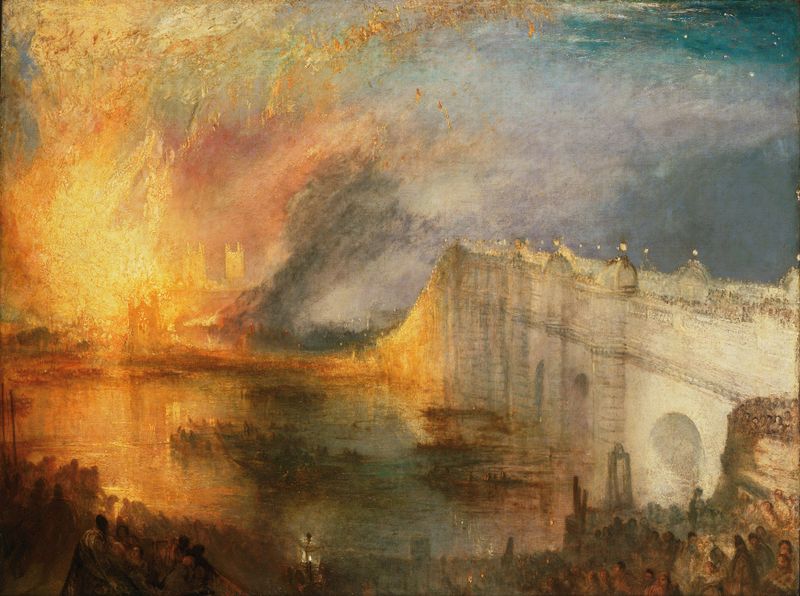
The Burning of the Houses of Lords and Commons, October 16, 1834
Joseph Mallord William Turner
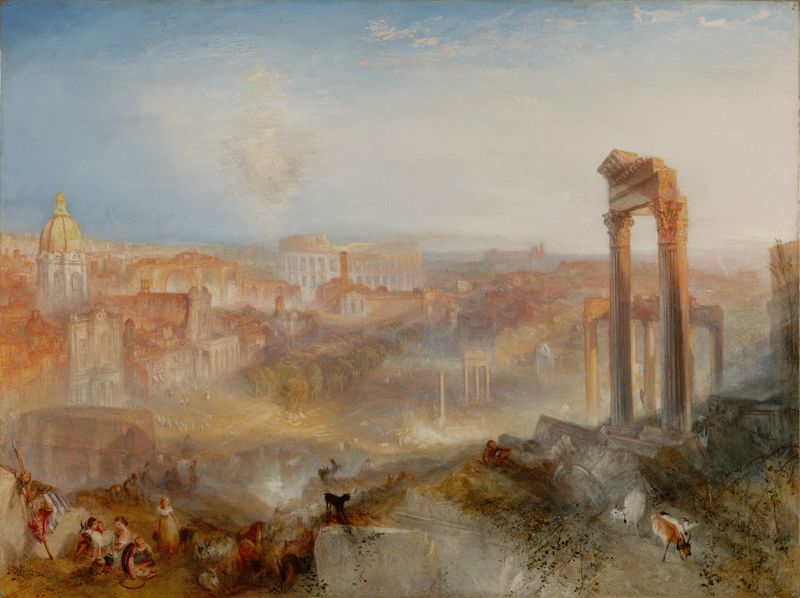
Modern Rome – Campo Vaccino
Joseph Mallord William Turner
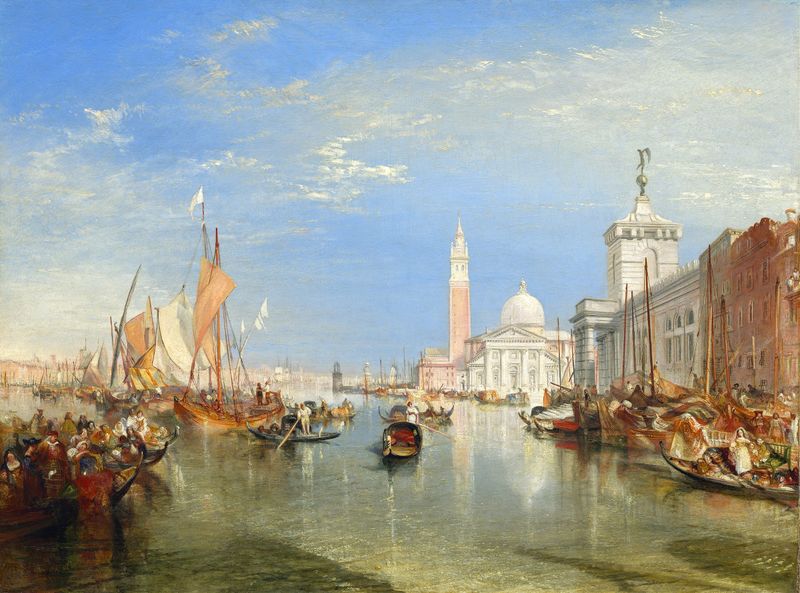
Venice – The Dogana and San Giorgio Maggiore
Joseph Mallord William Turner

The Burning of the Houses of Lords and Commons, 16 October 1834
Joseph Mallord William Turner
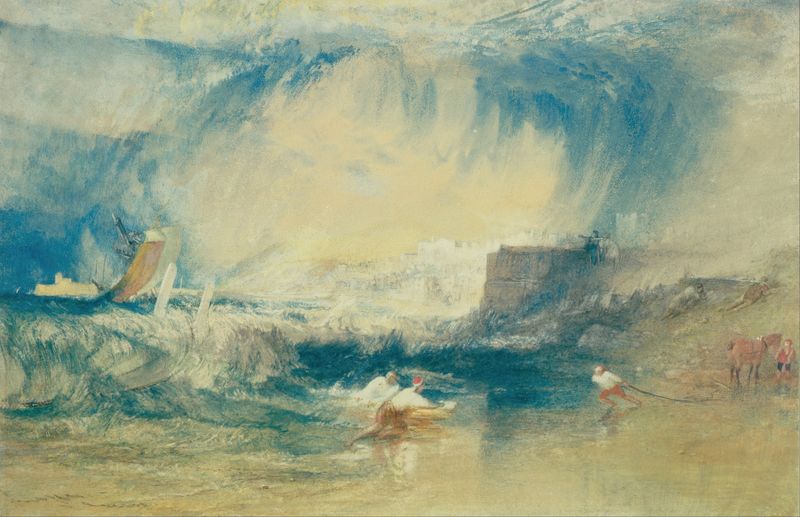
Lyme Regis, Dorsetshire, England
Joseph Mallord William Turner
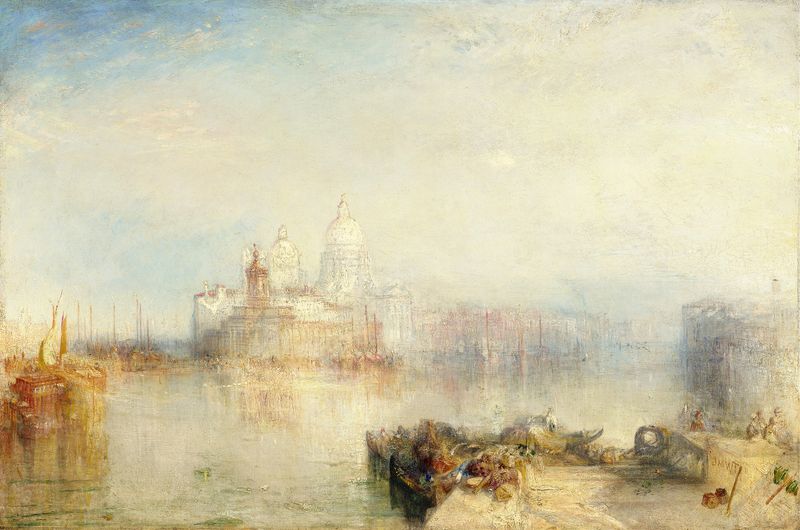
The Dogana and Santa Maria della Salute, Venice
Joseph Mallord William Turner
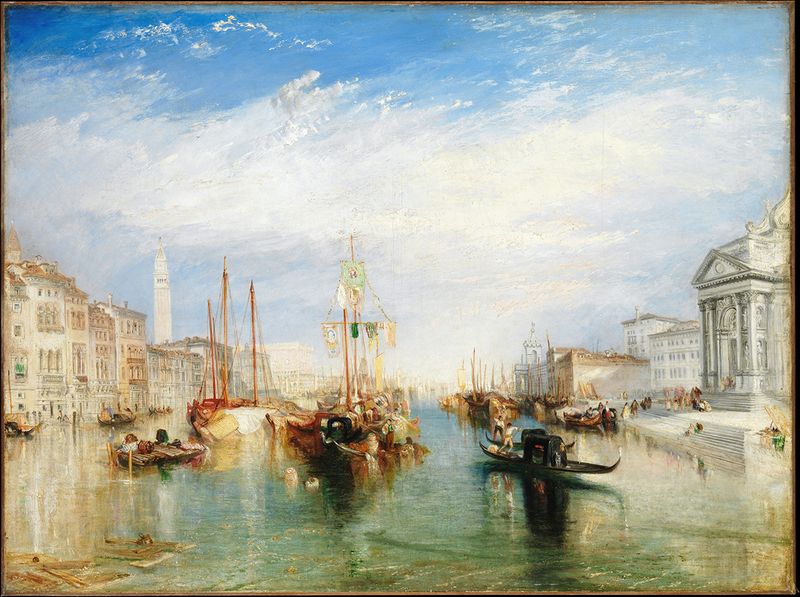
Venice, from the Porch of Madonna della Salute
Joseph Mallord William Turner
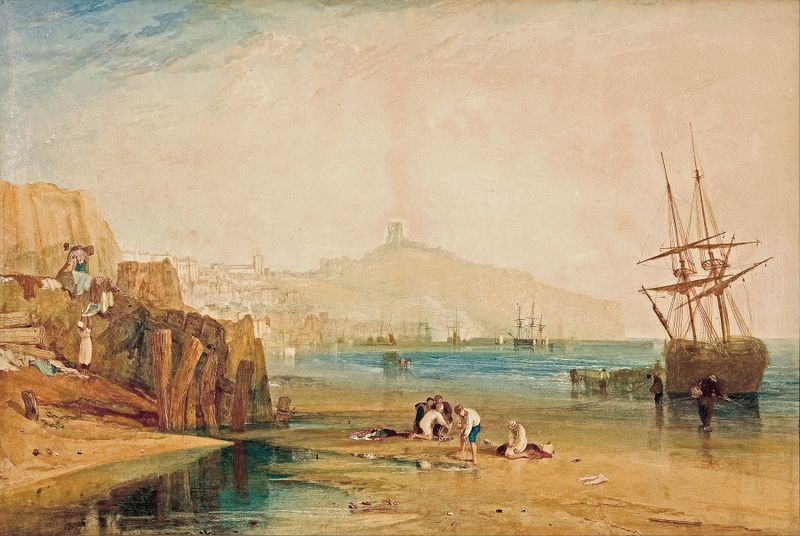
Scarborough town and castle; morning; boys catching crabs
Joseph Mallord William Turner
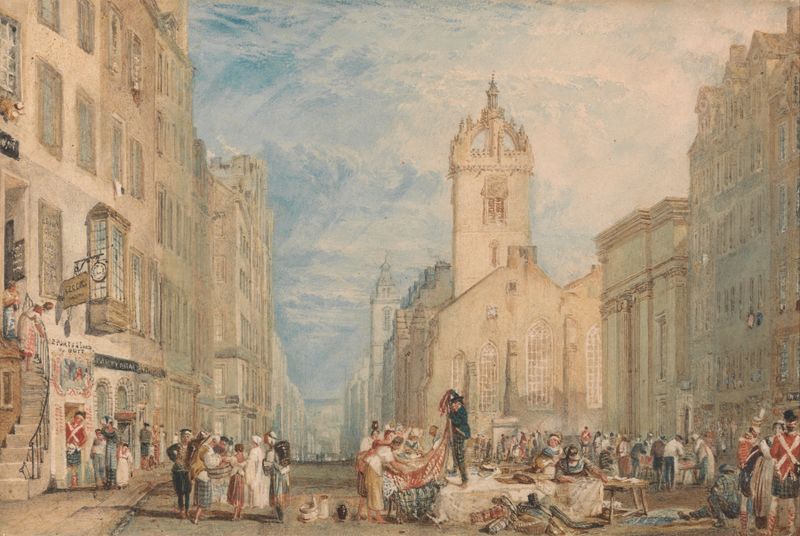
High Street, Edinburgh
Joseph Mallord William Turner





