
Vaart met een molen — History & Facts
In a world where innocence clings like morning dew, Vaart met een molen captures the fleeting essence of youth on the cusp of discovery. Look to the left at the shimmering waters that cradle a boat, gently gliding towards the windmill standing sentinel in the background. The soft hues of blue and green meld together, creating a tranquil yet vibrant palette. Notice how the brushstrokes capture the delicate ripples, each one whispering secrets of the past.
The composition draws your gaze to the figures on the boat, their postures exuding a blend of ease and expectation, suggestive of a journey that transcends mere physical distance. Delve deeper into the painting's subtle contrasts. The towering windmill, symbolizing industriousness and permanence, stands in stark contrast to the fragile innocence of the figures navigating the water. Each detail—the sunlit clouds, the fluttering sail—evokes an emotional resonance, blurring the line between adventure and uncertainty.
This tension between nature’s majesty and human vulnerability invites the viewer to reflect on the bittersweet nature of growth. In the early decades of the 20th century, Julius Jacobus van de Sande Bakhuyzen, was immersed in the vibrant Dutch art scene. Painting Vaart met een molen during the years spanning 1845 to 1925, he was shaped by the transition from Romanticism to Impressionism. This period was marked by a deep exploration of the Dutch landscape, where his work began to reflect a growing interest in capturing fleeting moments, making this piece a poignant exploration of innocence set against the backdrop of an evolving world.
More Artworks by Julius Jacobus van de Sande Bakhuyzen
Browse all →
Bomen zich spiegelend in het water bij een bewolkte lucht
Julius Jacobus van de Sande Bakhuyzen

Koe grazend in een weide
Julius Jacobus van de Sande Bakhuyzen
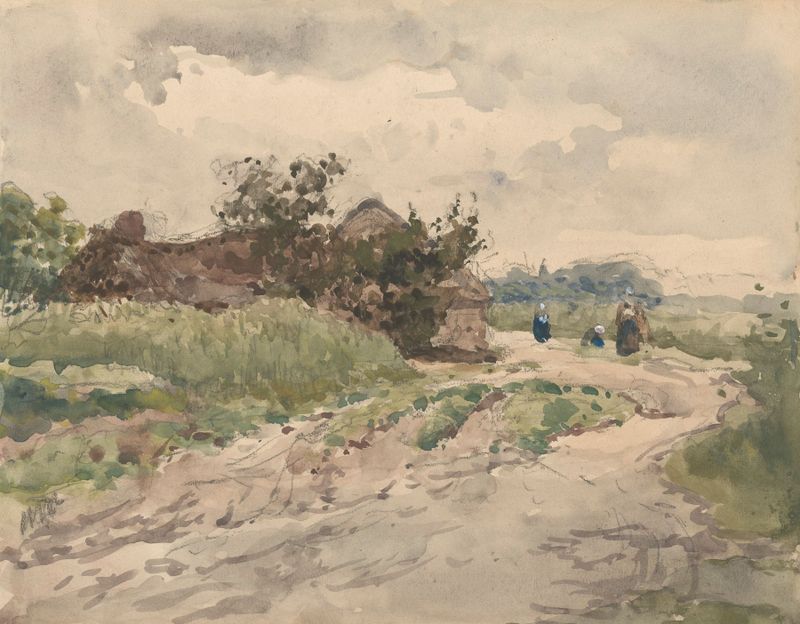
Landweg met enkele figuren, leidend naar een boerderij
Julius Jacobus van de Sande Bakhuyzen

Tropisch kustlandschap
Julius Jacobus van de Sande Bakhuyzen
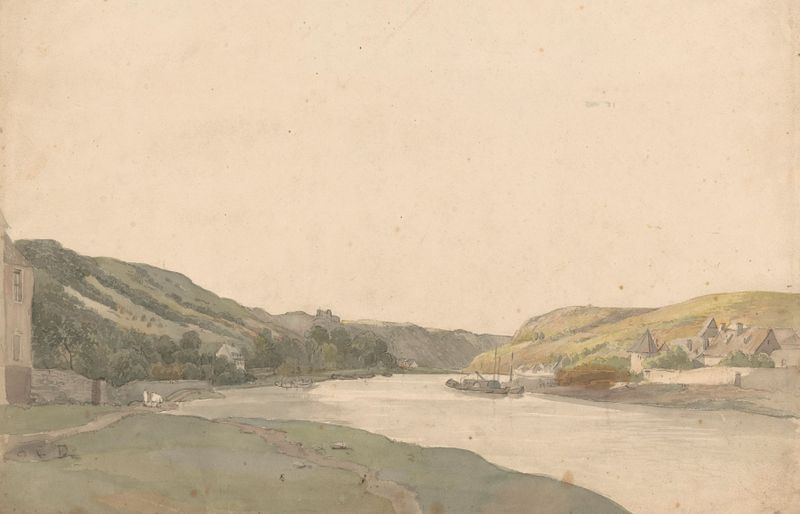
Gezicht op de Maas
Julius Jacobus van de Sande Bakhuyzen
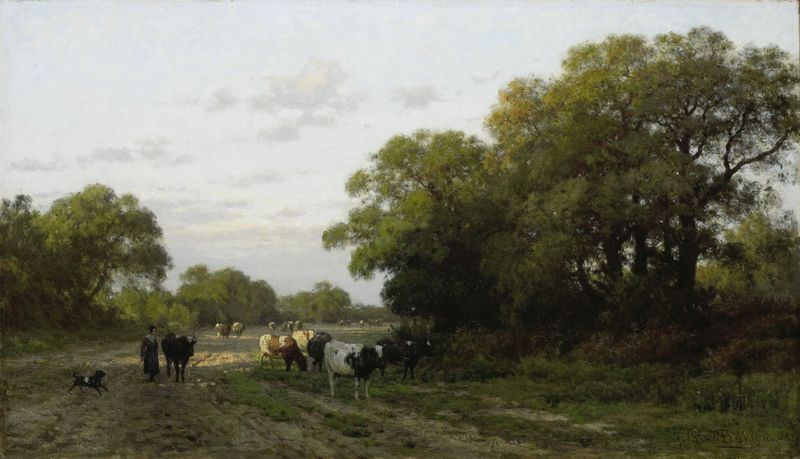
Landschap in Drenthe
Julius Jacobus van de Sande Bakhuyzen

Beboste kust van een meer
Julius Jacobus van de Sande Bakhuyzen

Boerderij onder hoge bomen met water op de voorgrond
Julius Jacobus van de Sande Bakhuyzen
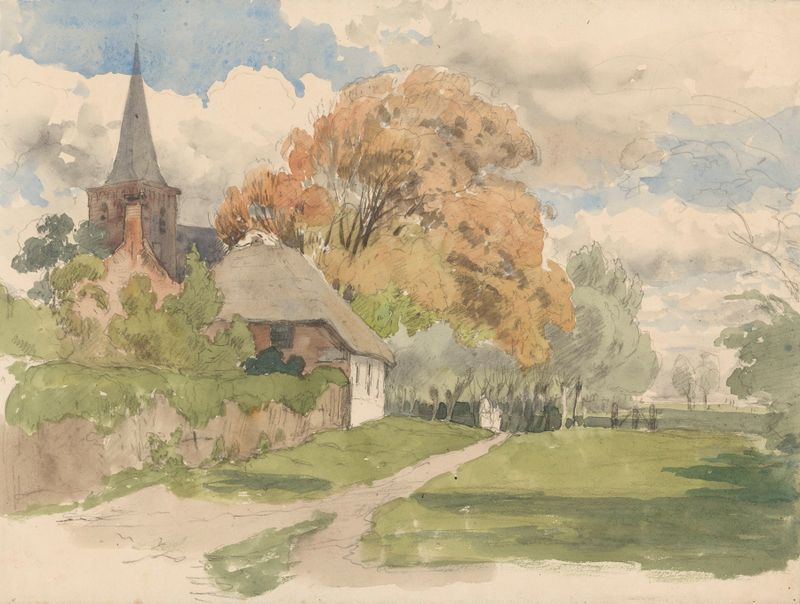
Erf bij een dorpskerk
Julius Jacobus van de Sande Bakhuyzen
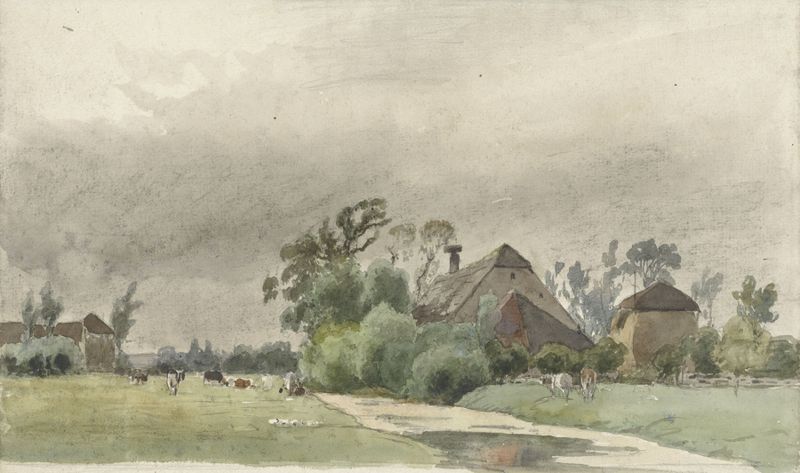
Vaart leidend naar een boerderij
Julius Jacobus van de Sande Bakhuyzen





