
Valley of Aosta: Snowstorm, Avalanche, and Thunderstorm — History & Facts
When did color learn to lie? The emotional weight of fragility hangs in the air, reminiscent of the delicate balance between nature's majesty and its ferocity. Look to the center, where swirling clouds of grays and whites collide in a tempestuous dance, creating an atmosphere thick with tension. The palette of muted hues contrasts dramatically with the vibrant flashes of color that suggest both thunder and beauty. Notice how the streaks of pale sunlight struggle to break through the looming storm, illuminating the stark landscape beneath with a glimmer of hope against nature’s rage. In this work, the interplay of light and shadow reveals a deeper narrative of conflict.
The avalanche, a monument to the power of nature, symbolizes the fragility of human existence enveloped in a world of chaos. Furthermore, the rolling thunderclouds hint at both an impending doom and a cleansing renewal, suggesting the cyclical nature of life and disaster. Each brushstroke embodies a moment caught between destruction and creation, an echo of the sublime. Joseph Mallord William Turner painted this monumental piece during a transformative period in his career, between 1836 and 1837, while living in London.
At this time, the artist was increasingly captivated by the atmospheric effects of light and color, pushing the boundaries of Romanticism. Art was evolving alongside dramatic changes in society, and Turner’s work reflected both his deep appreciation for nature and his acute awareness of its fragility, experimenting with the emotional impact of color like never before.
More Artworks by Joseph Mallord William Turner
Browse all →
Dort or Dordrecht- The Dort Packet-Boat from Rotterdam Becalmed
Joseph Mallord William Turner
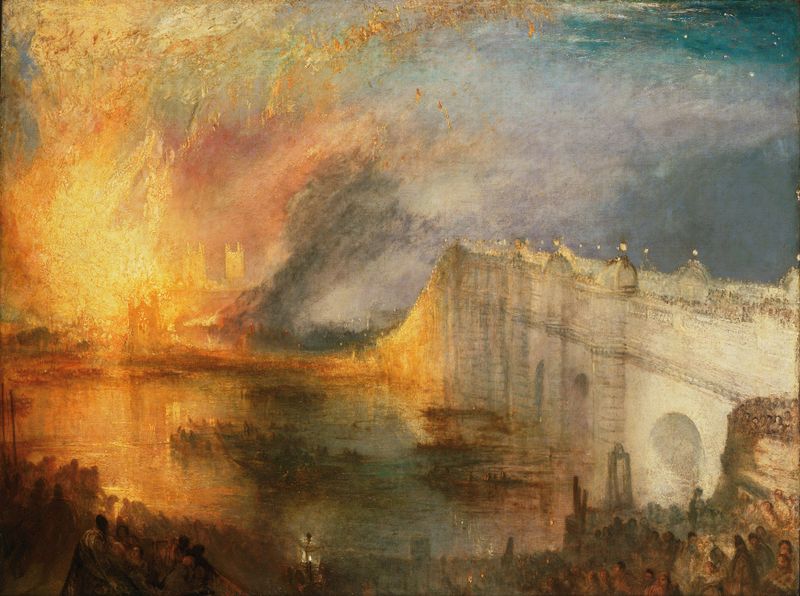
The Burning of the Houses of Lords and Commons, October 16, 1834
Joseph Mallord William Turner
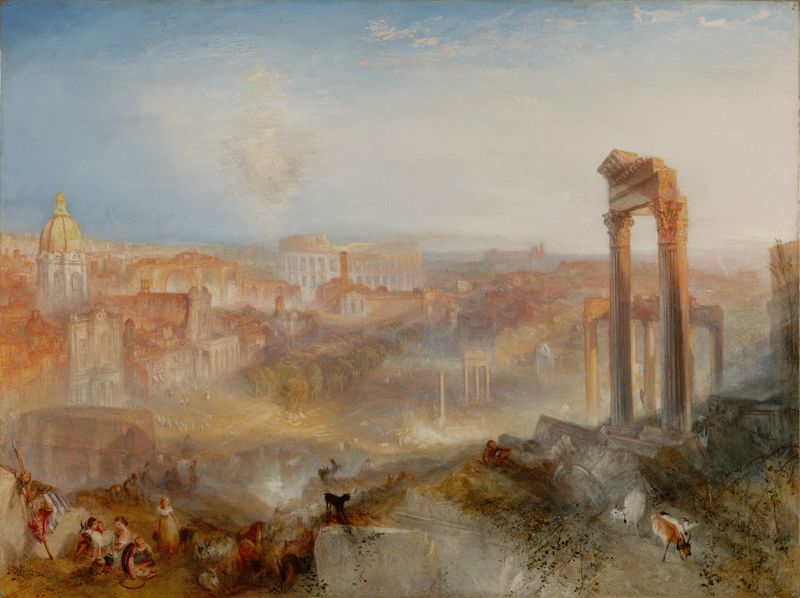
Modern Rome – Campo Vaccino
Joseph Mallord William Turner
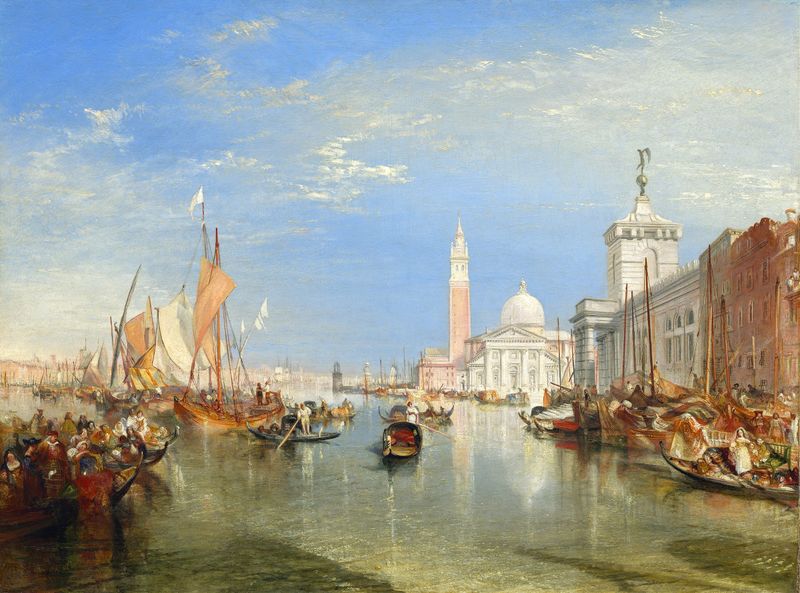
Venice – The Dogana and San Giorgio Maggiore
Joseph Mallord William Turner

The Burning of the Houses of Lords and Commons, 16 October 1834
Joseph Mallord William Turner
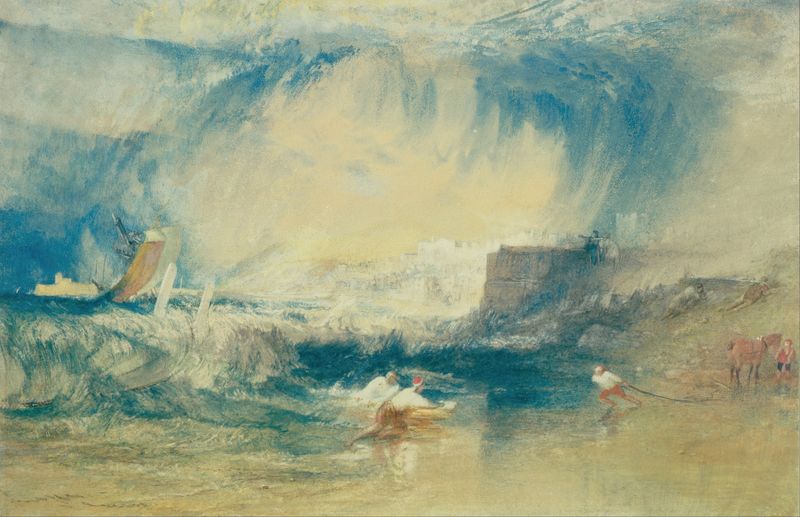
Lyme Regis, Dorsetshire, England
Joseph Mallord William Turner
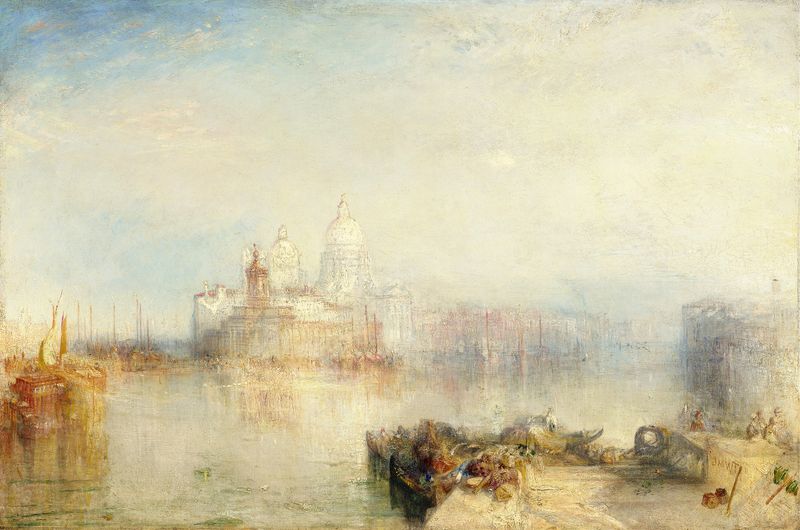
The Dogana and Santa Maria della Salute, Venice
Joseph Mallord William Turner
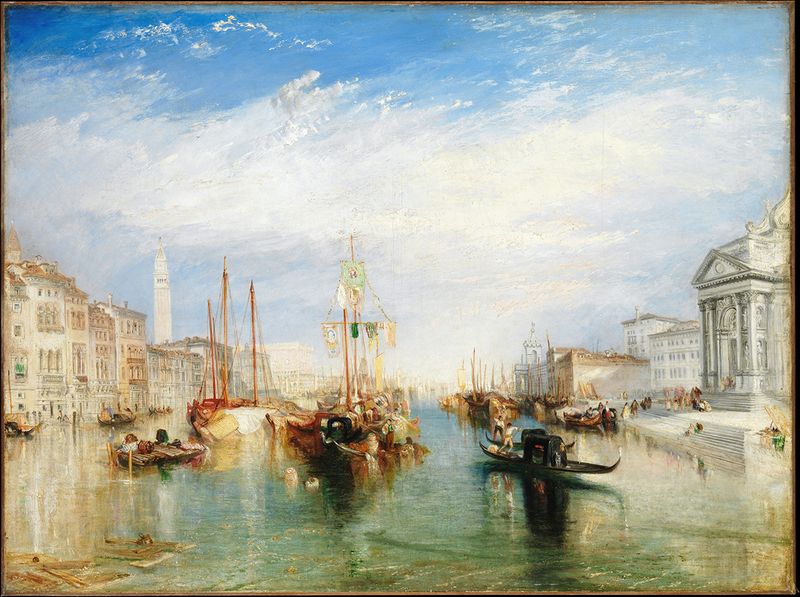
Venice, from the Porch of Madonna della Salute
Joseph Mallord William Turner
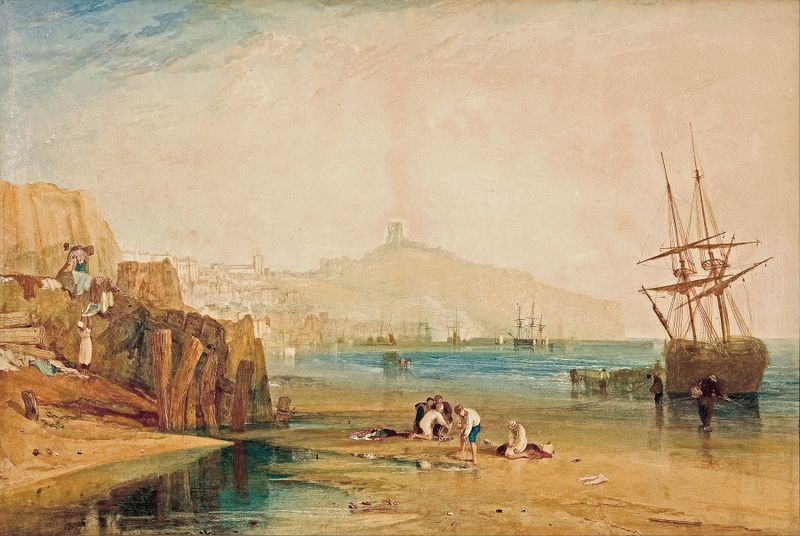
Scarborough town and castle; morning; boys catching crabs
Joseph Mallord William Turner
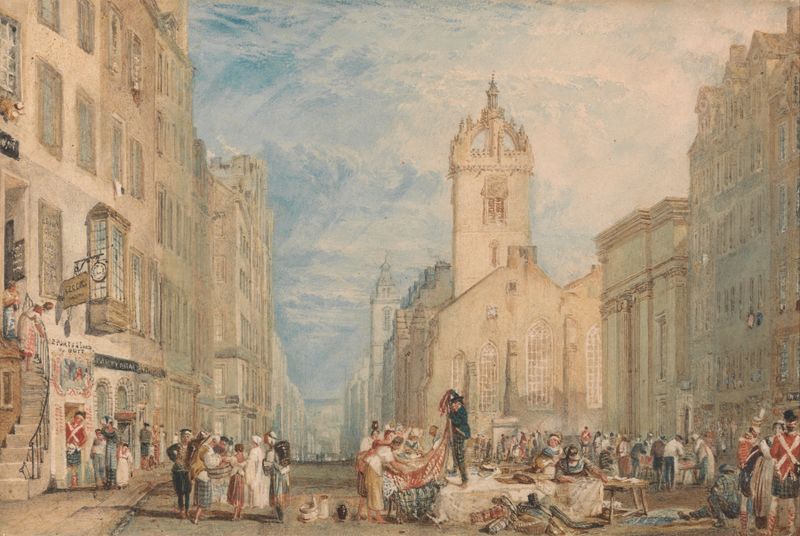
High Street, Edinburgh
Joseph Mallord William Turner





