
Valley of Aosta; Snowstorm, Avalanche, and Thunderstorm — History & Facts
Art reveals the soul when the world turns away. In the midst of chaos and nature’s fury, a haunting question lingers: what does it mean to face one's destiny amidst turmoil? Look to the swirling mass of clouds that dominate the upper canvas, where colors of gray and deep blue blend seamlessly, evoking an unnerving sense of movement. Focus on the tumultuous valley below, where flashes of white hint at the snowstorm's ferocity.
The palette shifts dramatically, drawing the eye to the deep shadows contrasting with the bright, almost blinding, whites of the snow. This careful orchestration of light and dark not only highlights the furious elements of nature but also suggests the unpredictability of fate itself. Embedded within the tumult is a sense of foreboding—a looming avalanche that threatens to engulf the serene valley below. The interplay between the storm and the fragile landscape captures the tension between destruction and beauty, suggesting that within the chaos lies life's inherent uncertainty.
The viewer is left to wonder whether the storm is a metaphor for the challenges one must face in life, revealing an underlying theme of human resilience in the face of nature’s overpowering will. In the years 1836-37, Turner was deeply engaged with themes of light and atmosphere, painting during a time of personal and artistic evolution. Living in London, he was influenced by the Romantic movement's fascination with nature's sublime power. This period marked a significant transition in his work, where he began to embrace more abstract elements, reflecting broader changes in society and the tumult of the world around him.
The painting stands as a testament to this transformative journey.
More Artworks by Joseph Mallord William Turner
Browse all →
Dort or Dordrecht- The Dort Packet-Boat from Rotterdam Becalmed
Joseph Mallord William Turner
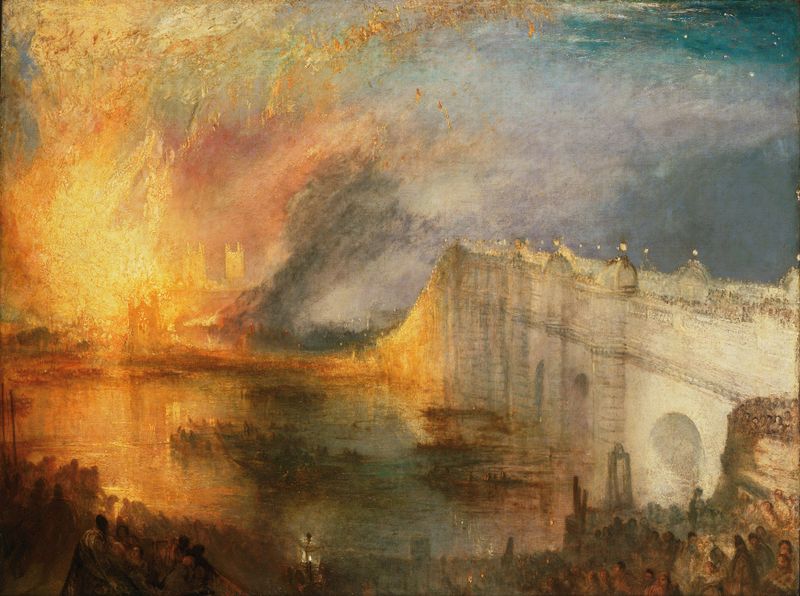
The Burning of the Houses of Lords and Commons, October 16, 1834
Joseph Mallord William Turner
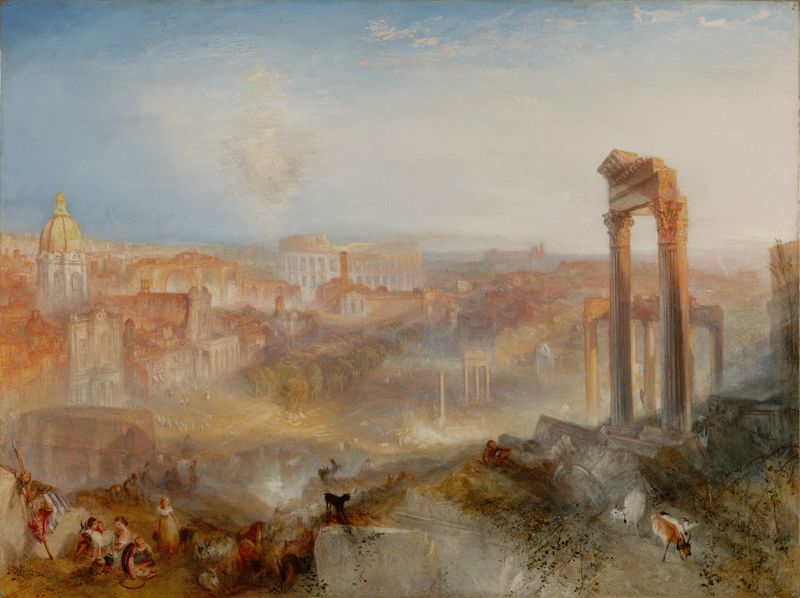
Modern Rome – Campo Vaccino
Joseph Mallord William Turner
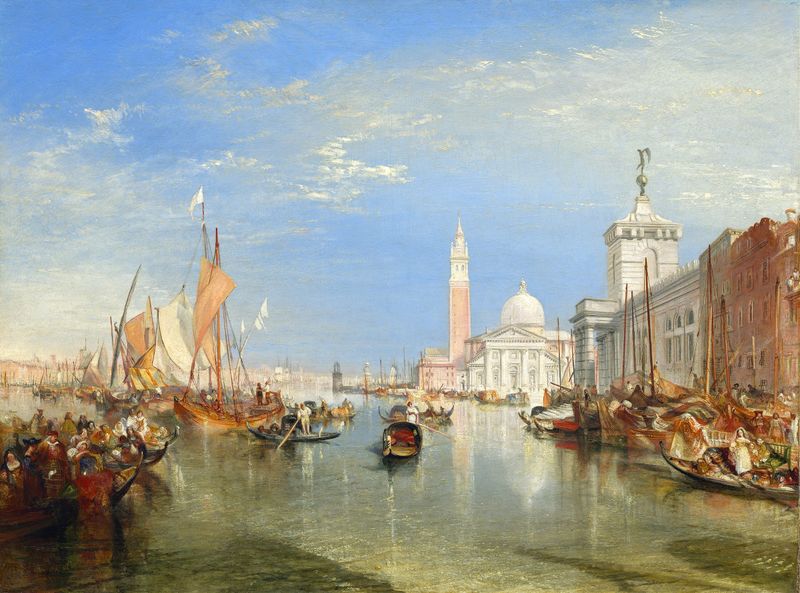
Venice – The Dogana and San Giorgio Maggiore
Joseph Mallord William Turner

The Burning of the Houses of Lords and Commons, 16 October 1834
Joseph Mallord William Turner
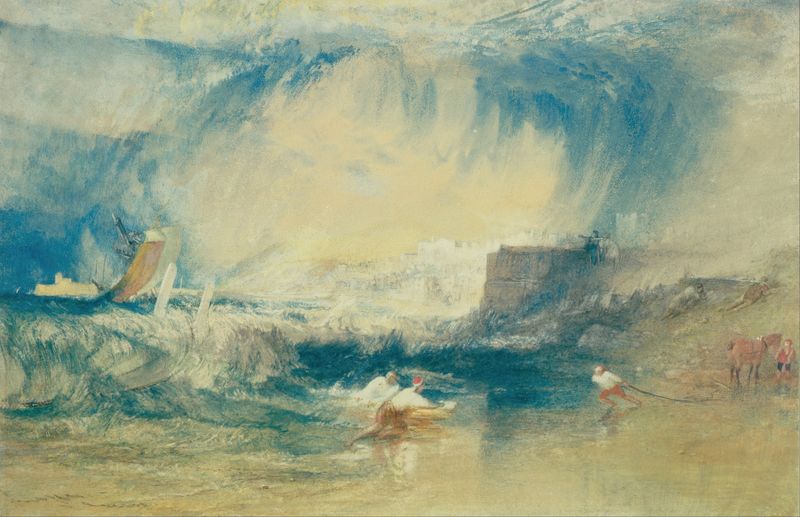
Lyme Regis, Dorsetshire, England
Joseph Mallord William Turner
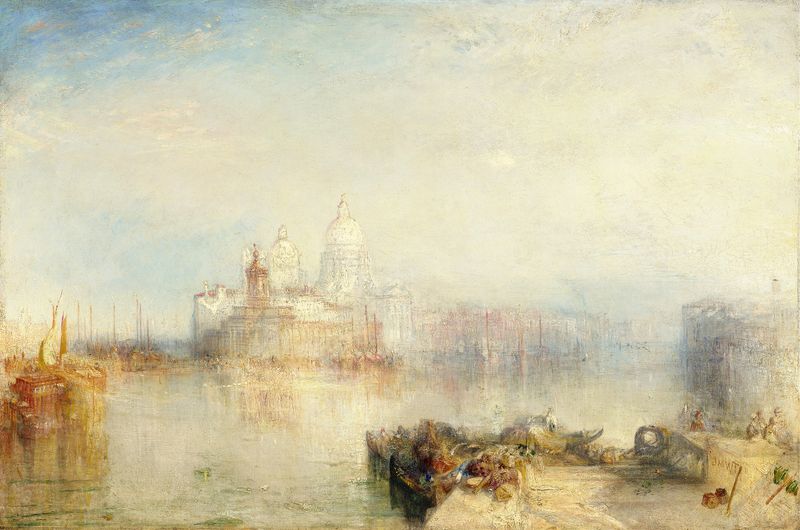
The Dogana and Santa Maria della Salute, Venice
Joseph Mallord William Turner
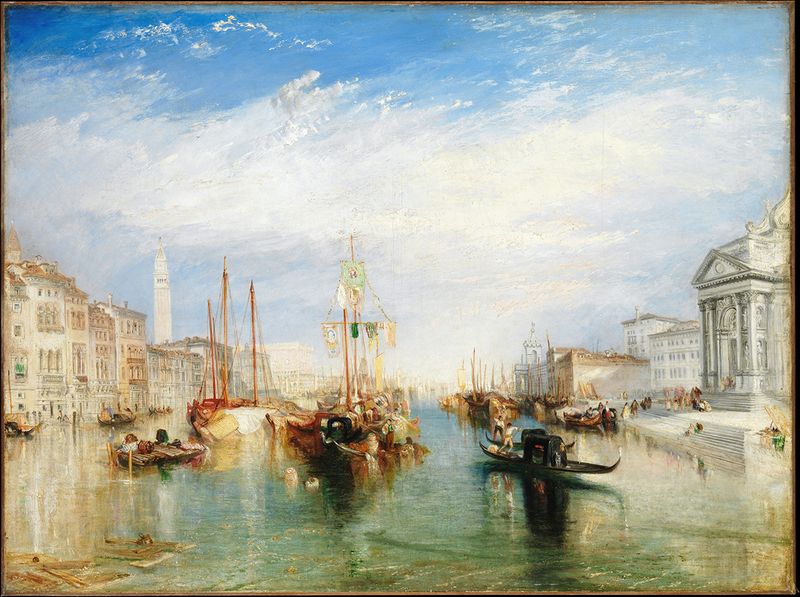
Venice, from the Porch of Madonna della Salute
Joseph Mallord William Turner
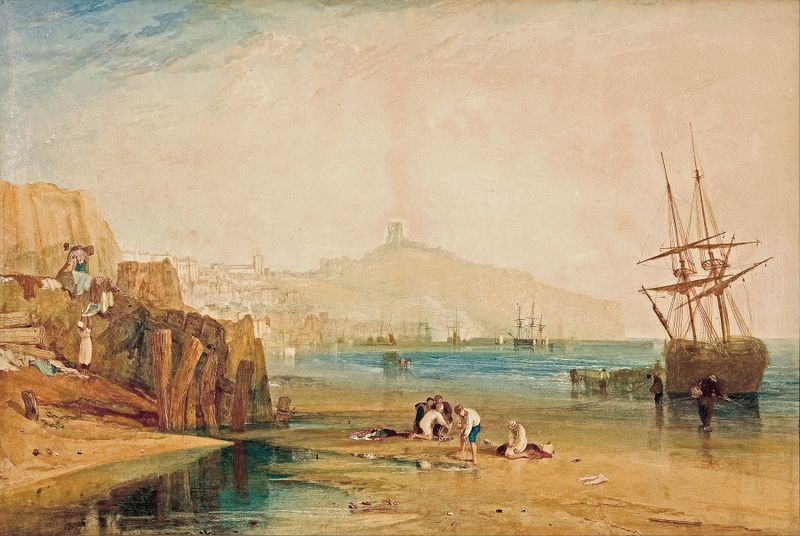
Scarborough town and castle; morning; boys catching crabs
Joseph Mallord William Turner
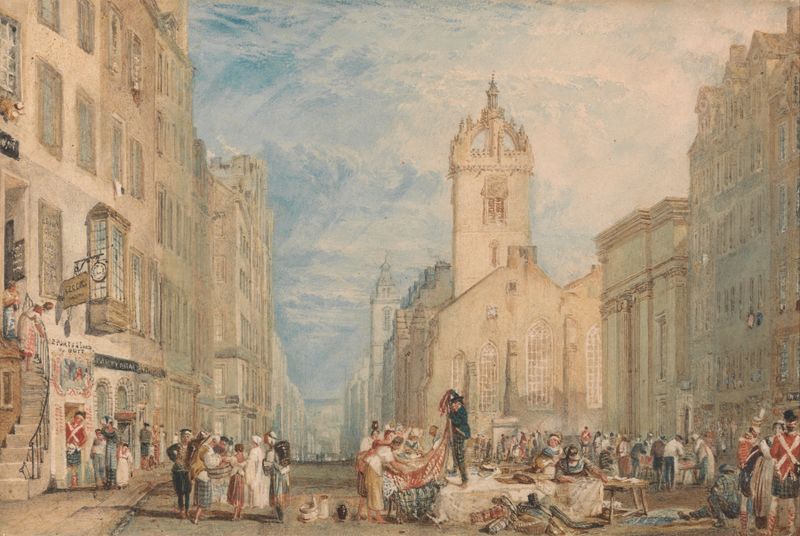
High Street, Edinburgh
Joseph Mallord William Turner





