
Valley of the Catawissa in Autumn — History & Facts
Can paint confess what words never could? In Valley of the Catawissa in Autumn, a vibrant panorama unfolds, capturing the essence of nature’s seasonal transition and the profound beauty hidden in the changing leaves. Look to the foreground where a cascade of russet and gold leaves spills over the rocky ledge, framing the valley below. The artist's brushwork brings life to the trees, each stroke echoing the rustle of foliage in the crisp autumn breeze. Notice how the light filters through the branches, illuminating patches of the valley with a golden hue that contrasts sharply with the cool blue shadows creeping across the distant hills.
This careful interplay of light and shadow enhances the sense of depth, drawing the viewer’s eye toward the horizon, where the sun sets the landscape ablaze. Beneath the serene beauty lies a deeper commentary on the passage of time and the cycles of life. The juxtaposition of the vibrant autumn colors against the somber, encroaching winter signifies both the end of one season and the inevitable approach of another, hinting at themes of renewal and loss. The winding river mirrors this journey, flowing through the valley as a lifeline, embodying both tranquility and the relentless march of change.
Each brushstroke not only captures the landscape but also invites contemplation on the transient nature of beauty itself. In 1862, during a time of great upheaval in America due to the Civil War, the artist found solace in the natural landscapes of Pennsylvania. Thomas Moran, who was gaining recognition for his ability to translate the splendor of the American wilderness onto canvas, painted this work as he navigated the complexities of a divided nation and his own artistic evolution. This painting stands as both a personal expression of his deep connection to nature and a broader reflection on the country’s tumultuous path forward.
More Artworks by Thomas Moran
Browse all →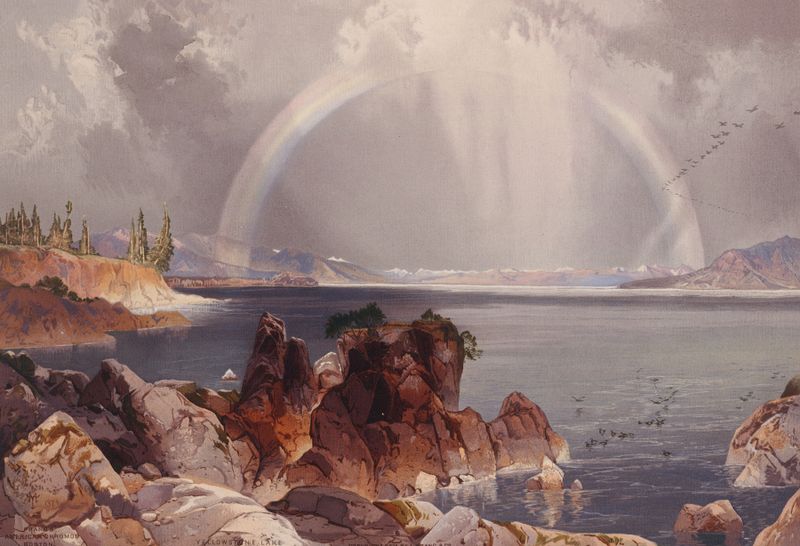
Yellowstone Lake
Thomas Moran

Grand Canyon of the Colorado River
Thomas Moran

Grand Canyon, Colorado River
Thomas Moran

The Towers of Tower Falls, Yellowstone
Thomas Moran
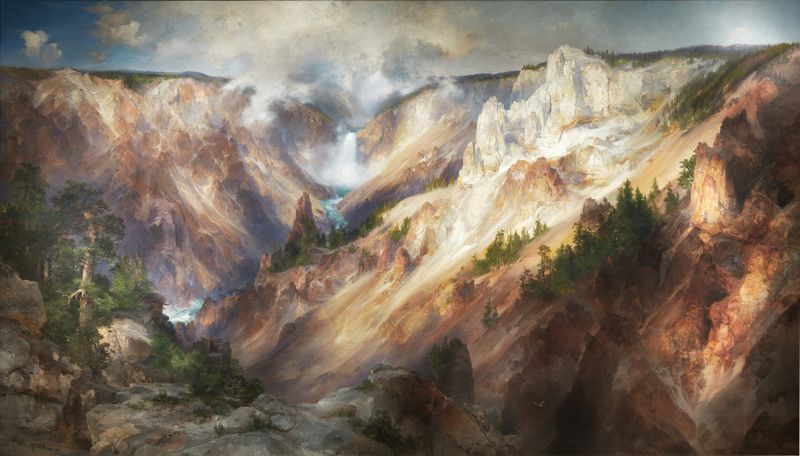
The Grand Canyon Of The Yellowstone
Thomas Moran

Mountain of the Holy Cross
Thomas Moran

Cliffs Of The Upper Colorado River, Wyoming Territory
Thomas Moran
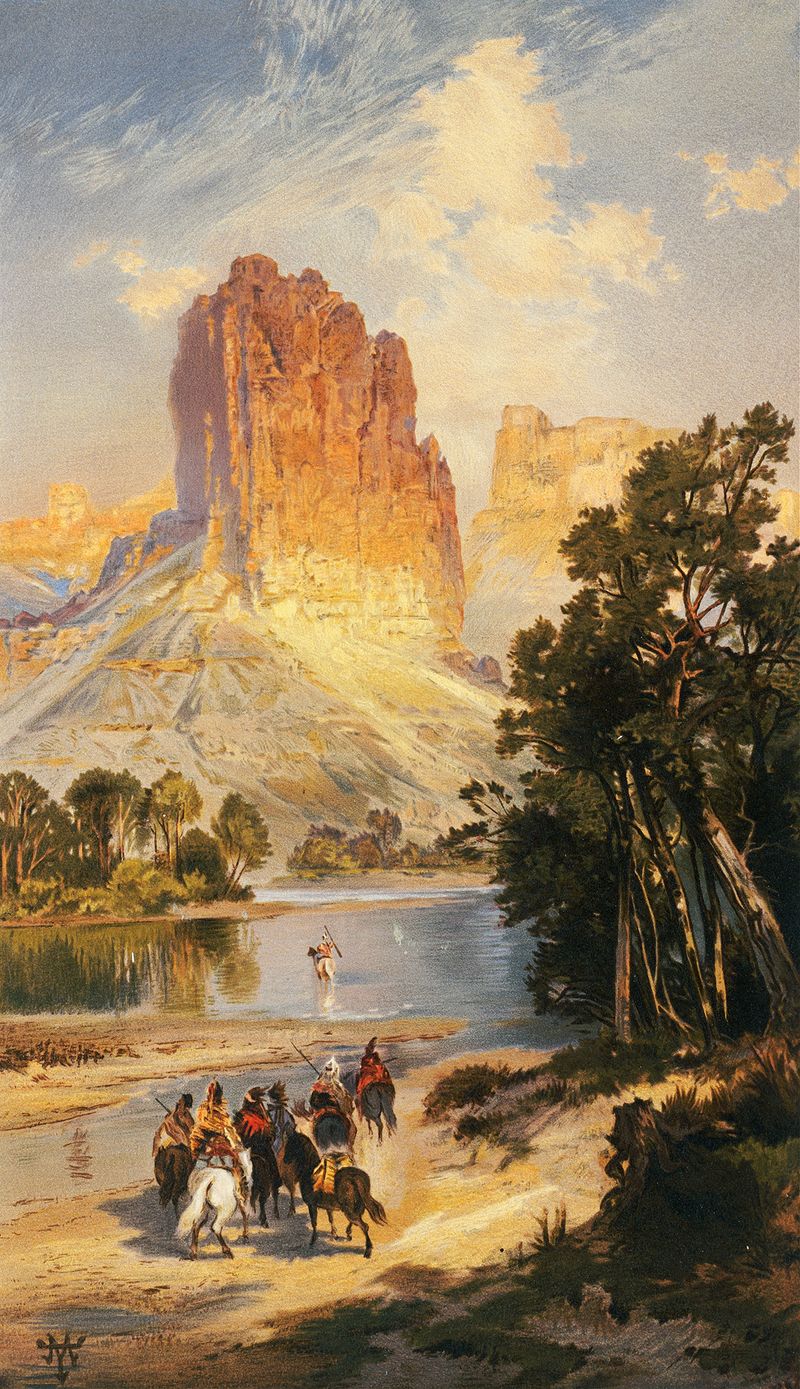
Cliffs of the Upper Colorado River, Wyoming Territory
Thomas Moran

Mammoth Hot Springs, Yellowstone
Thomas Moran
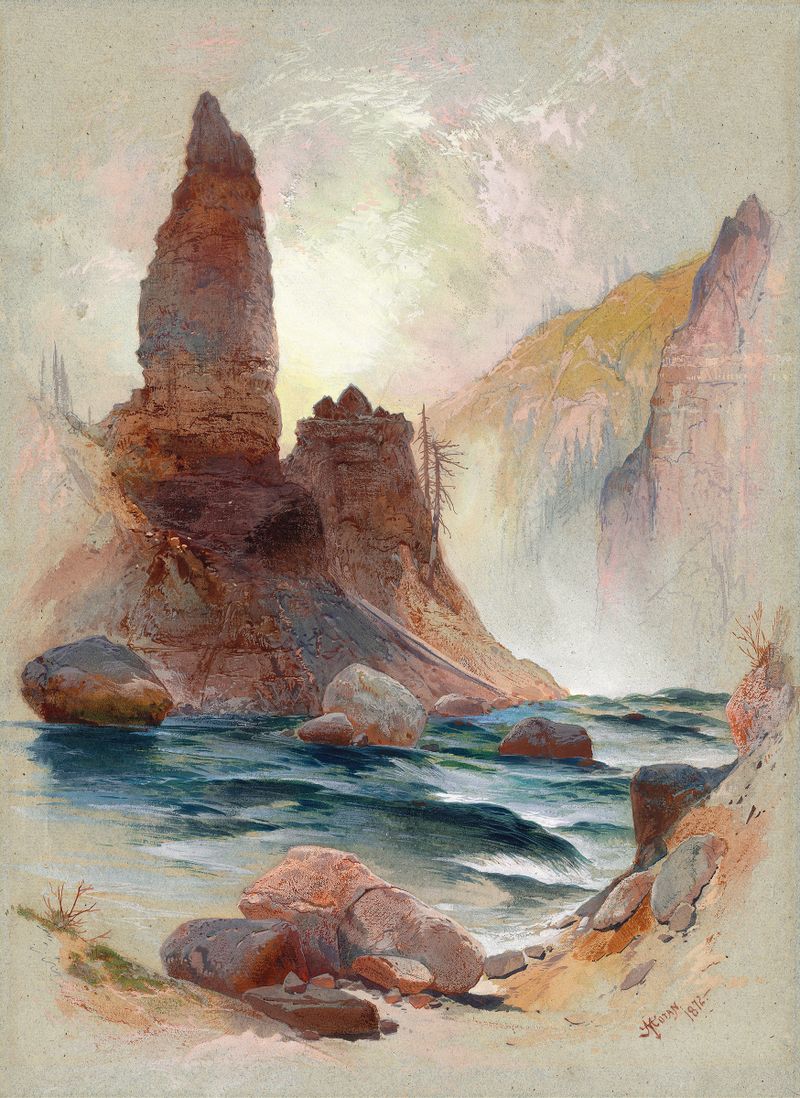
Tower at Tower Falls, Yellowstone
Thomas Moran





