Valley of the Creuse (Gray Day) — History & Facts
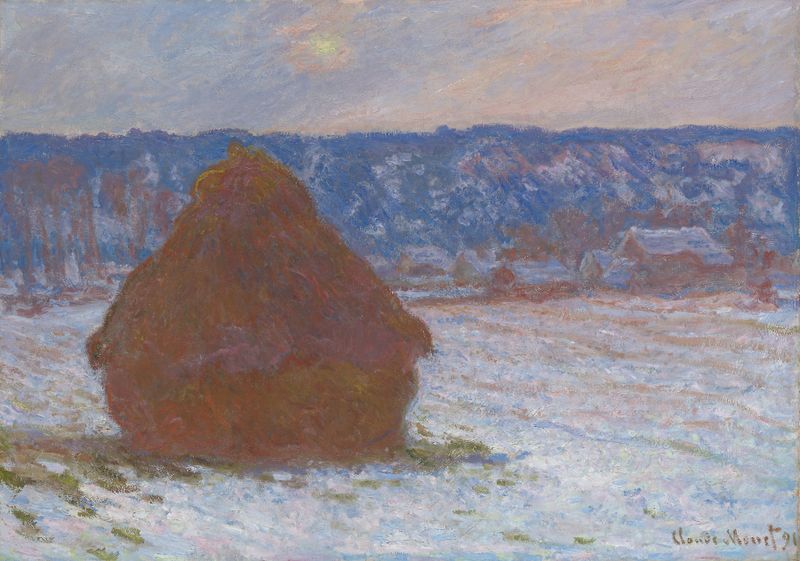
Every stroke, every shade, hovers on the precipice of reality and illusion, inviting us to linger longer in its embrace. Focus on the swirling clouds above, where grays and whites dance in a tempestuous sky, hinting at both melancholy and beauty. Notice how the muted palette captures the essence of a gray day, yet the vibrant undertones of green and brown in the valley below pulse with life. The composition draws the eye towards the horizon, leading us through gentle undulations of the landscape, as if we are being swept into the very heart of nature’s quiet turmoil. Delve deeper into the contrasts embedded within this scene.
The stillness of the water reflects the overcast sky, creating a poignant metaphor for the relationship between chaos and serenity. The way trees stand resolute yet fragile on the banks reveals an emotional tension—an obsession with capturing fleeting moments that evanesce in the breath of wind. Each brushstroke seems to grapple with the ephemeral, revealing a deep yearning to immortalize the transient beauty of the world. In 1889, Monet painted this piece during a period of exploration in his artistic journey while living in Giverny, France.
The Impressionist movement was gaining momentum, marked by a focus on light and atmosphere. Monet’s obsession with capturing the essence of a specific moment, particularly in the changing seasons, was central to his work during this time, as he sought to express the profound impact of nature on the human experience.