Valley of the Stangala, near Quimper — History & Facts
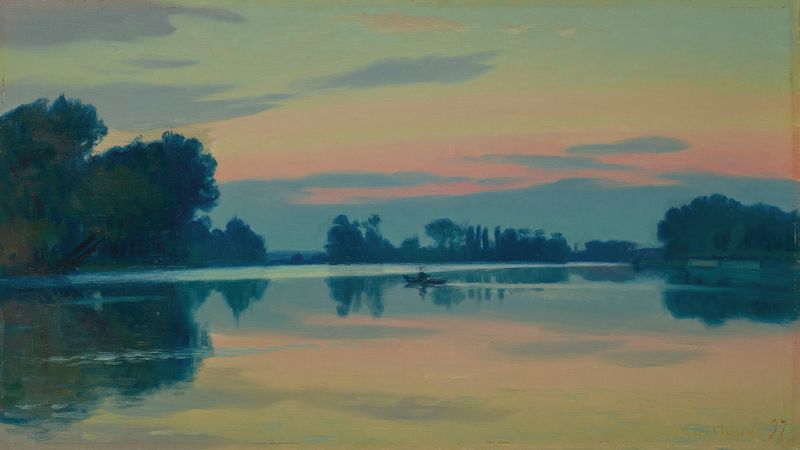
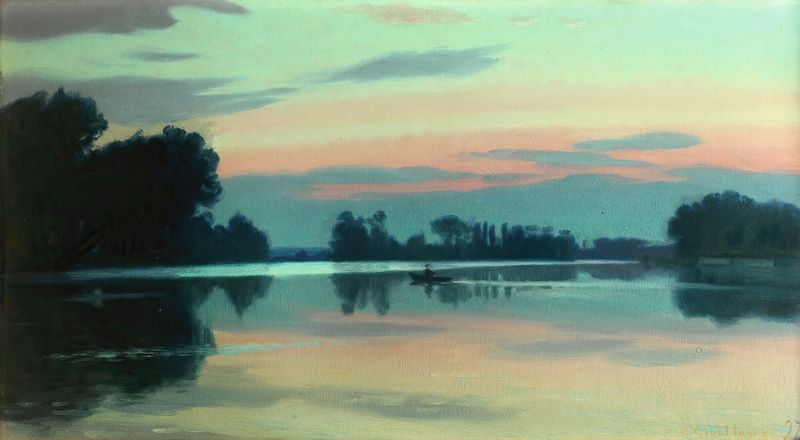
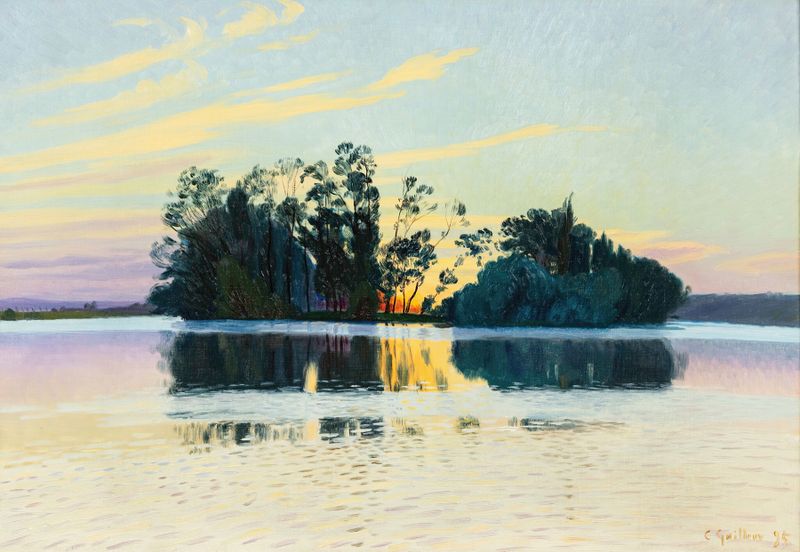
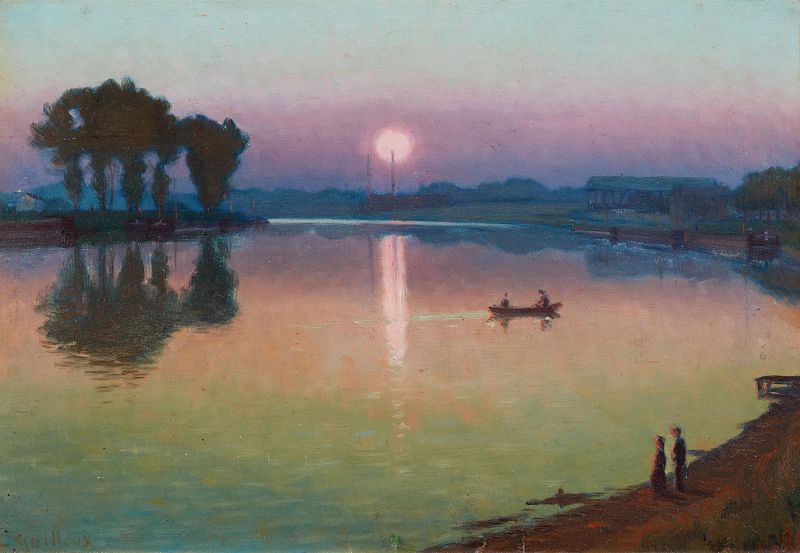
In a quiet moment of dawn, the tender hues of morning light break through the gentle mist, cradling the valley in a soft embrace. Here, in the serene landscape captured by its creator, one feels the awakening of nature itself—an intimate dialogue between the earth and the sky. Look to the foreground where a winding path draws the viewer's eye, leading toward an inviting horizon. The lush greens and muted browns of the landscape are punctuated by the delicate interplay of light and shadow, creating a harmonious composition.
Notice how the pastel colors blend seamlessly, invoking a sense of tranquility and continuity. Each brushstroke conveys the artist's deep reverence for the land, inviting exploration and contemplation. Delve deeper into the artwork, and you will uncover the emotional undercurrents at play. The softness of the light suggests a fleeting moment of serenity, contrasting with the dynamic growth of the vegetation—an emblem of both renewal and impermanence.
The quietude of the scene hints at a world full of potential, yet grounded in the reality of time's passage. Each detail, from the trembling leaves to the distant hills, speaks of life's cyclical nature and the beauty of transitions. In 1896, at the age of 30, Charles Guilloux created this work while living in Brittany, a region known for its rugged coastlines and vibrant landscapes. This period marked a significant point in his career, as he sought to capture the essence of his surroundings while contributing to the burgeoning Impressionist movement in France.
As he painted Valley of the Stangala, near Quimper, he was not only reflecting his personal journey but also engaging with the broader artistic exploration of light and color that defined the era.