
Variation, Träumerei — History & Facts
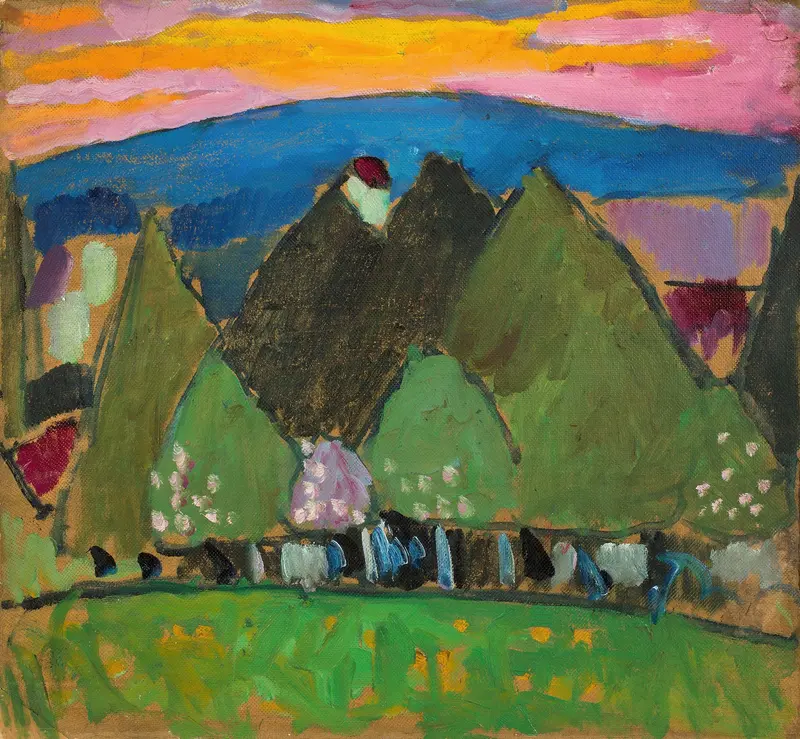
Color floats here like music, each patch a note suspended in air, inviting the eye to wander rather than settle. In Variation, Träumerei, the brushwork is loose and searching, as if Alexej von Jawlensky were listening for a melody only he could hear. The composition feels spontaneous, yet every shape seems carefully placed, the rhythm of green, violet, and lemon yellow guiding the gaze in gentle circles.
Notice how the tall green form with two yellow dots stands almost upright, a quiet anchor amid the drifting clouds of color—perhaps a figure, perhaps a memory, but never fully resolved. The palette is cool and soft, with the occasional flash of warmth, creating a mood that hovers between reverie and awakening. Painted in 1916, this work belongs to a world in flux, when artists across Europe were searching for new languages to express the unseen. Jawlensky, a central figure among the Expressionists, was drawn to the spiritual possibilities of abstraction, believing that color and form could convey emotion without the need for recognizable subjects.
Works like this were rarely made for grand patrons; instead, they were experiments, intimate meditations often exchanged among artists or sold through progressive dealers. History has kept few traces of the journey of this particular piece, now documented in the collection of Christie’s, but its spirit is unmistakably of its time—a moment when painting became a kind of visual music, and every brushstroke was a note in a private song. Return to the image, and let your eye move as the artist’s hand once did: searching, pausing, listening.
More Artworks by Alexej von Jawlensky

Murnau
Alexej von Jawlensky
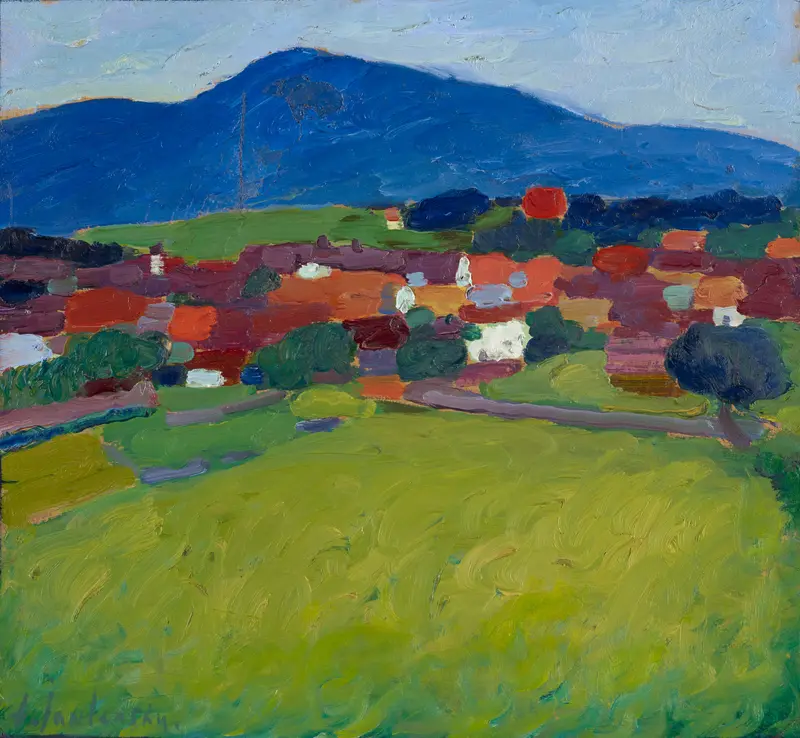
The Village Of Murnau
Alexej von Jawlensky
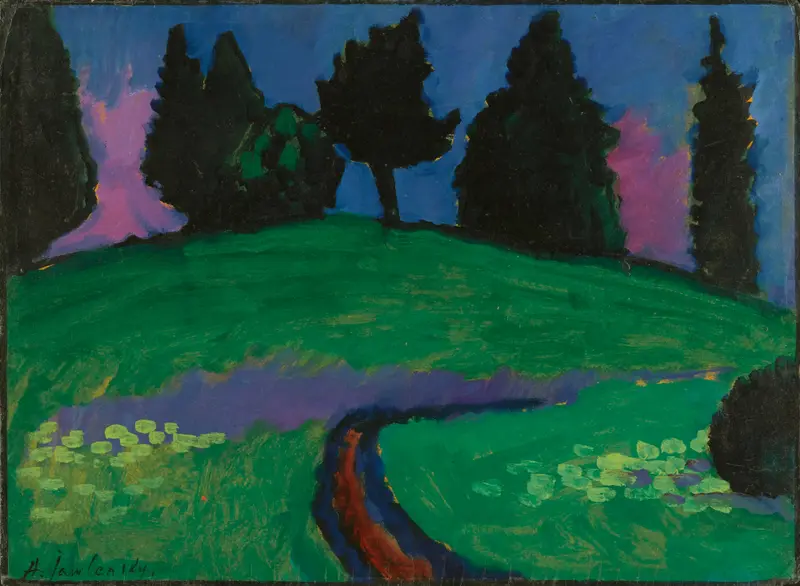
Dunkle Bäume über Grünem Hang (Dark Trees Over Green Slope)
Alexej von Jawlensky
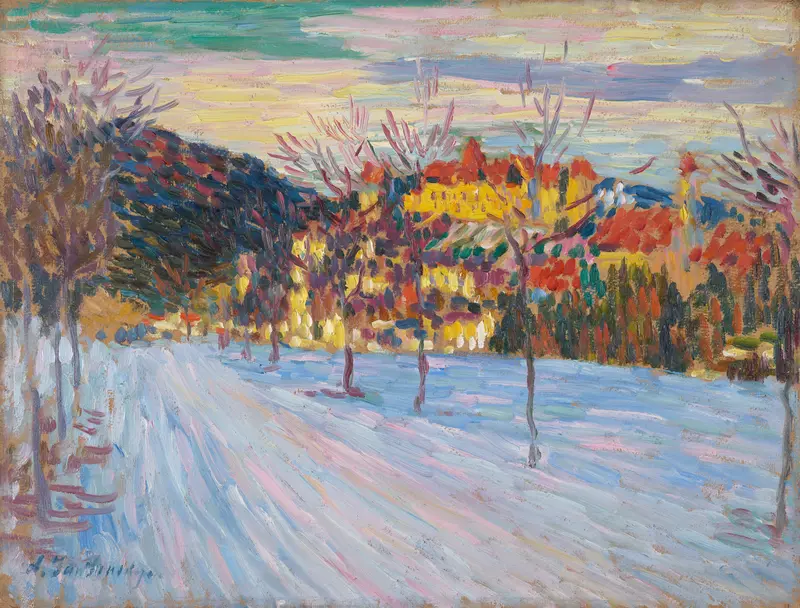
Füssen
Alexej von Jawlensky
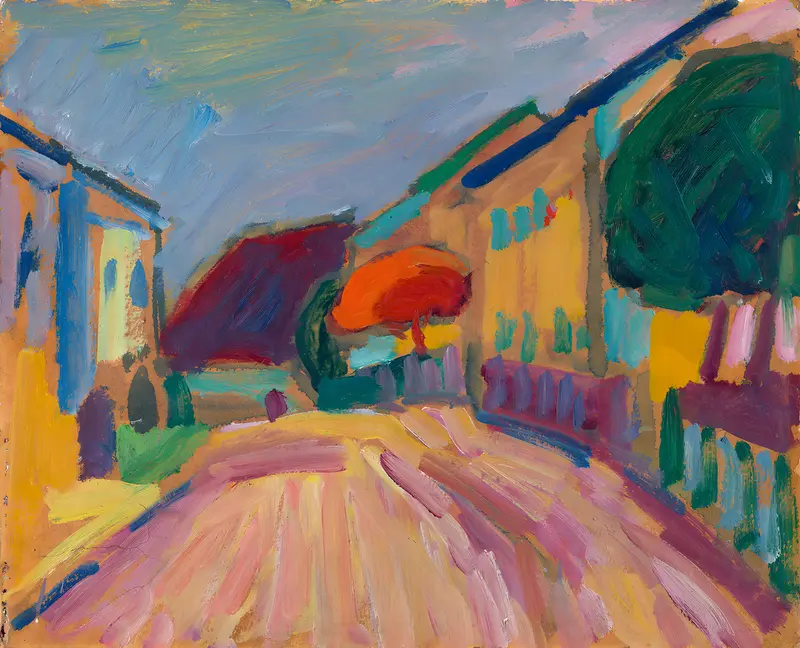
Sketch from Murnau
Alexej von Jawlensky
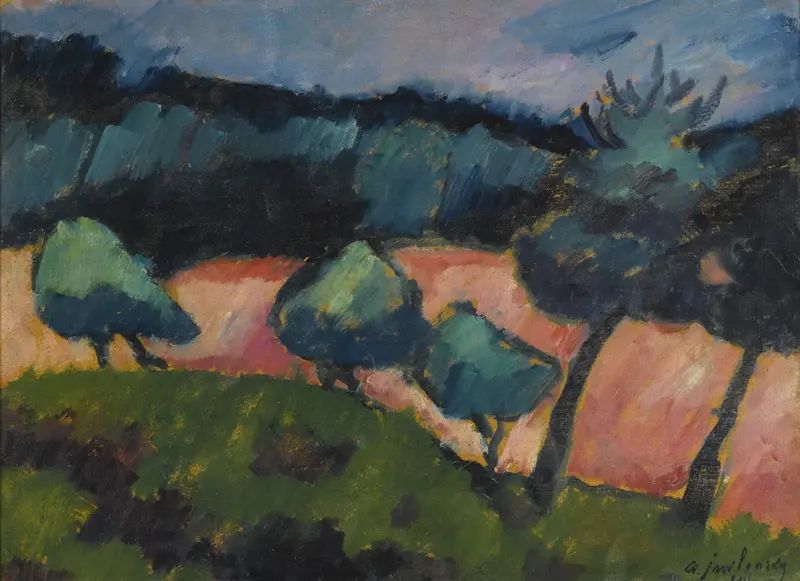
Bäume und Dünen in Prerow (Trees and dunes in Prerow)
Alexej von Jawlensky
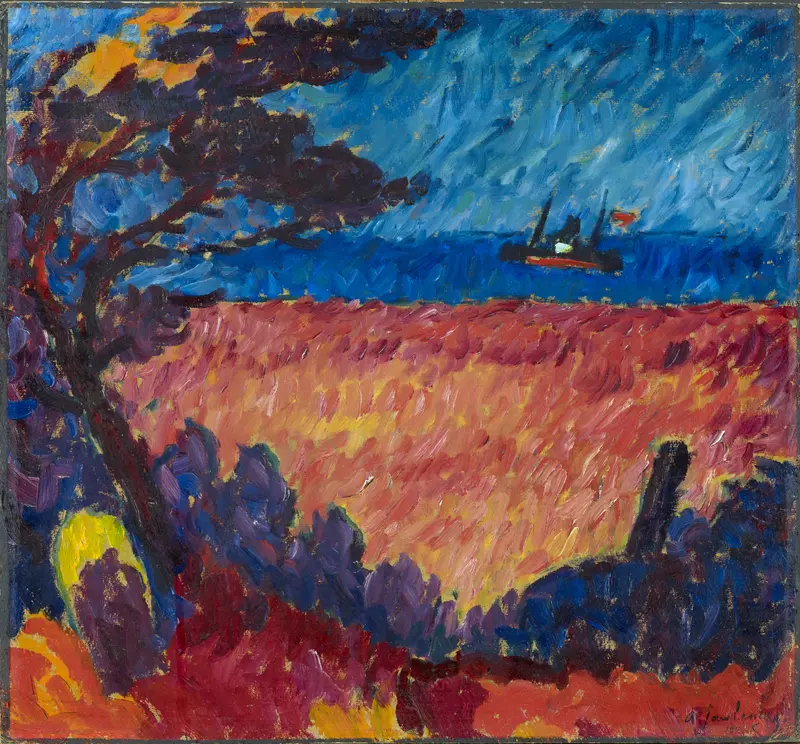
At The Baltic Sea
Alexej von Jawlensky
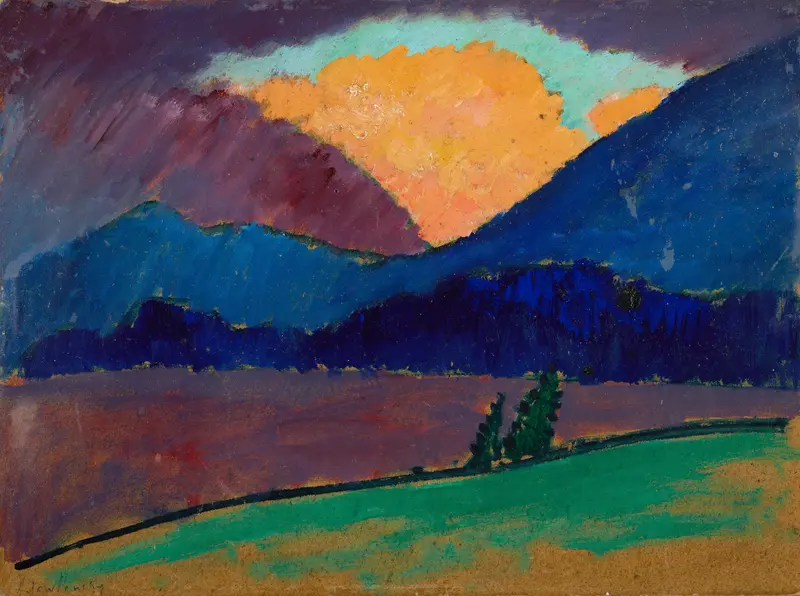
Summer evening in Murnau
Alexej von Jawlensky
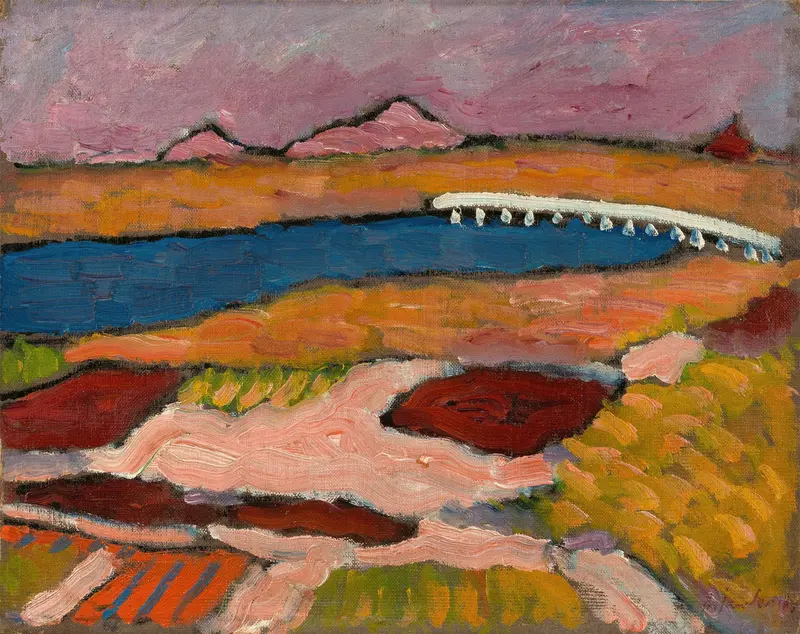
Prerow (Darß), Pommern
Alexej von Jawlensky
Landschaft mit Bäumen
Alexej von Jawlensky





