
Venetian Scene — History & Facts
In the quietude of reflection, one can trace the whispers of melancholy that linger in the air, reminiscent of lost moments and distant memories. It is within this sentiment that the depths of the painting resonate, inviting viewers to delve into its layered complexities. Look to the center where a small gondola drifts gracefully across the canal, its dark hull contrasting against the shimmering reflections of the sun-drenched buildings. Notice how the artist has employed a palette of muted blues and warm earth tones, skillfully blending the vibrancy of Venetian architecture with an almost dreamlike haze.
The soft brushwork conveys a sense of movement, while the intricate details of the windows and balconies draw the eye, creating a dialogue between light and shadow that encapsulates the essence of this iconic city. Within this seemingly serene setting lie profound undercurrents of nostalgia and solitude. The gondola, a vessel of passage, evokes a longing for connection amidst the isolation of the water. The ethereal quality of the surroundings speaks to the transient nature of beauty and memory, suggesting both a celebration and a lamentation of time.
It is this delicate balance of joy and sorrow that elevates the scene beyond mere representation, inviting the viewer to reflect on their own experiences of loss and yearning. Created during an era of artistic transition, the painter worked on this piece in the mid-19th century, a time when Romanticism was giving way to Impressionism. Ziem, captivated by the enchanting allure of Venice, sought to communicate the city’s ephemeral beauty through his brush. As the world of art was evolving rapidly, he embraced the interplay of light and atmosphere, grounding his work in the traditions of the past while also looking towards the emerging future.
More Artworks by Félix Ziem
Browse all →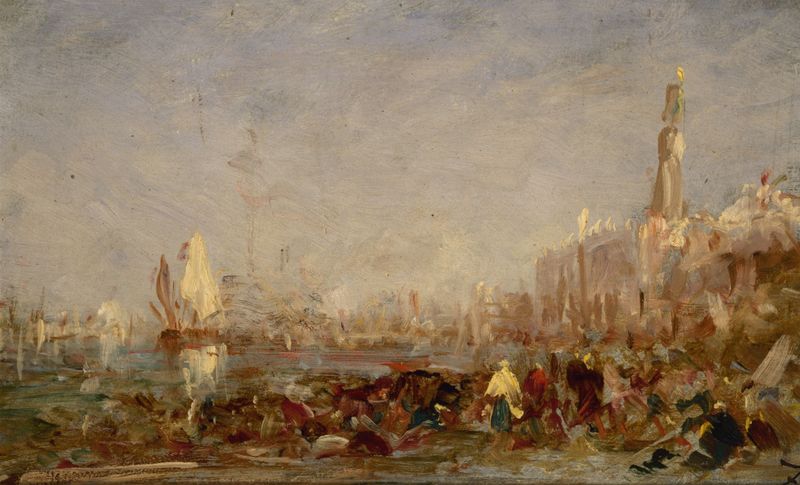
Venise
Félix Ziem
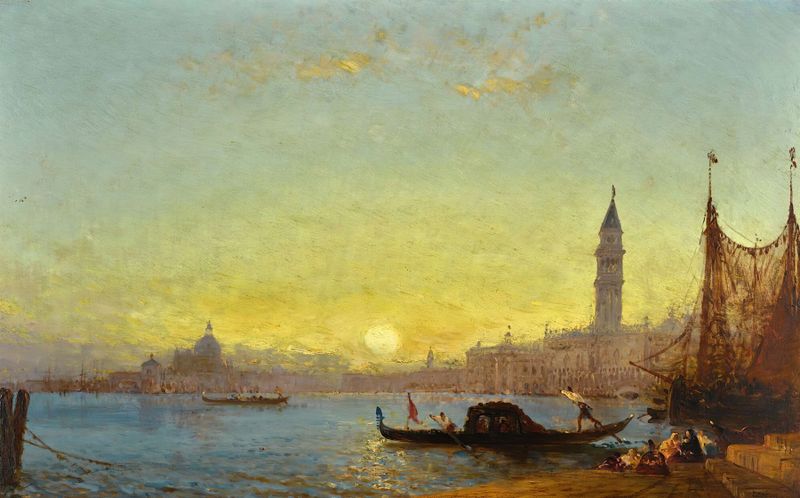
Coucher De Soleil À Venise
Félix Ziem
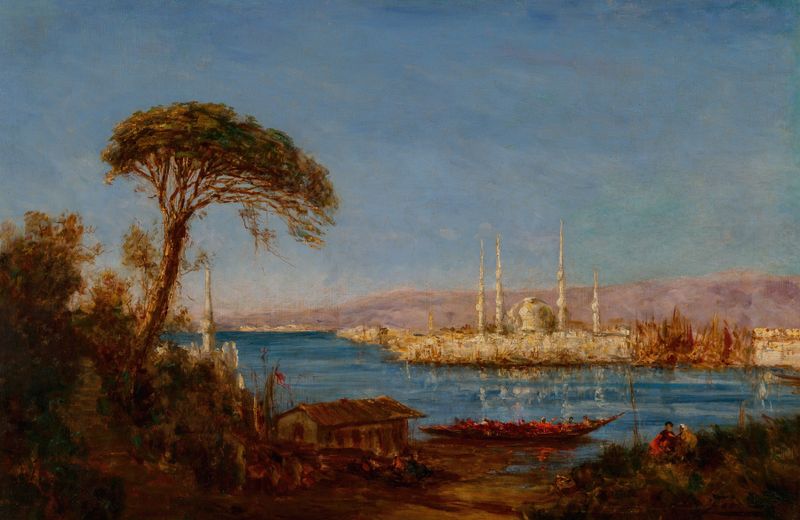
Constantinople
Félix Ziem
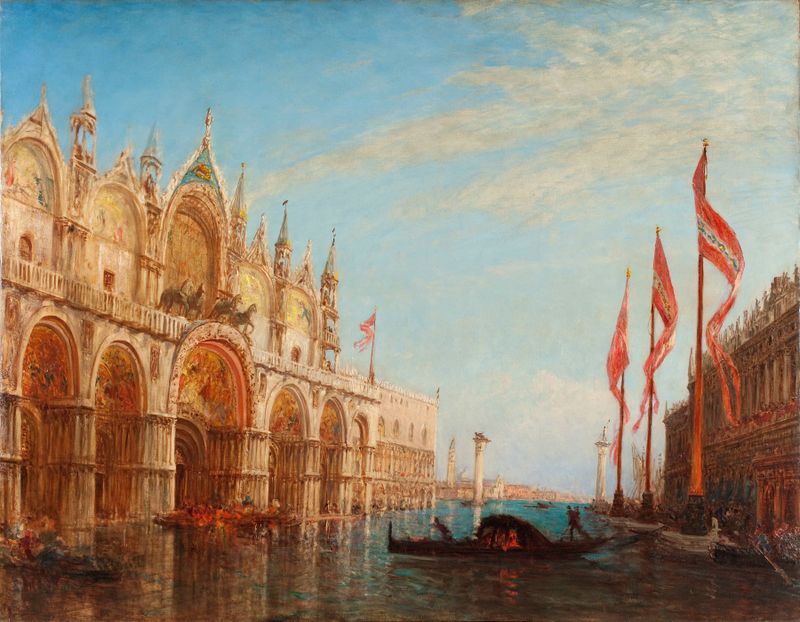
La place Saint-Marc, inondation de 1863
Félix Ziem
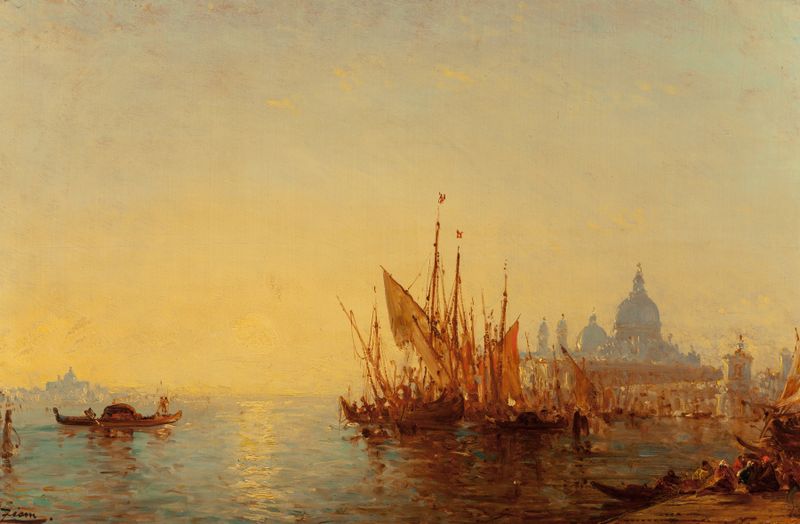
Bacino di San Marco
Félix Ziem
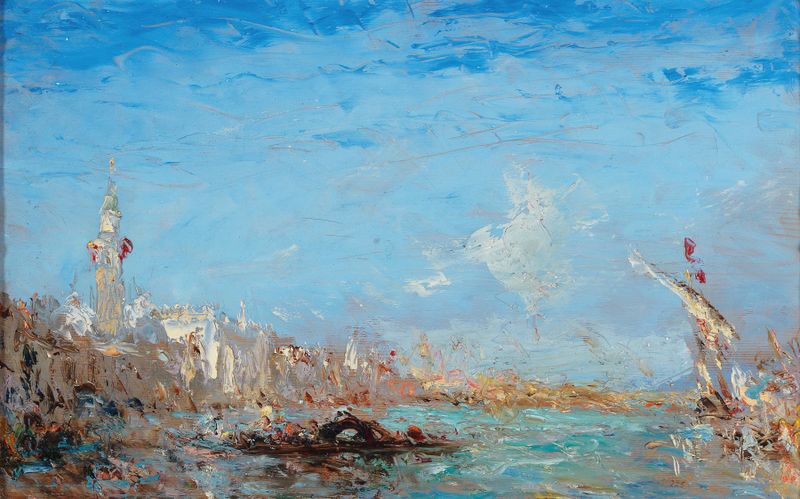
Canal Grande
Félix Ziem
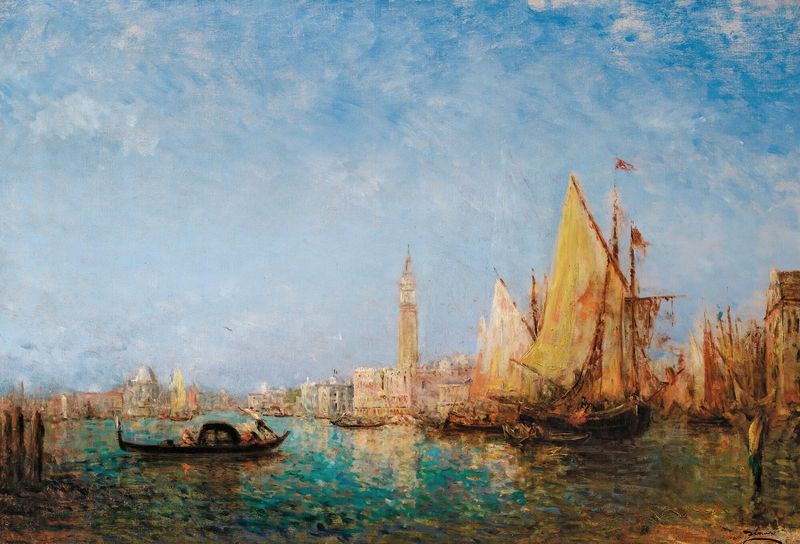
Le Palais Du Doge, Venise
Félix Ziem
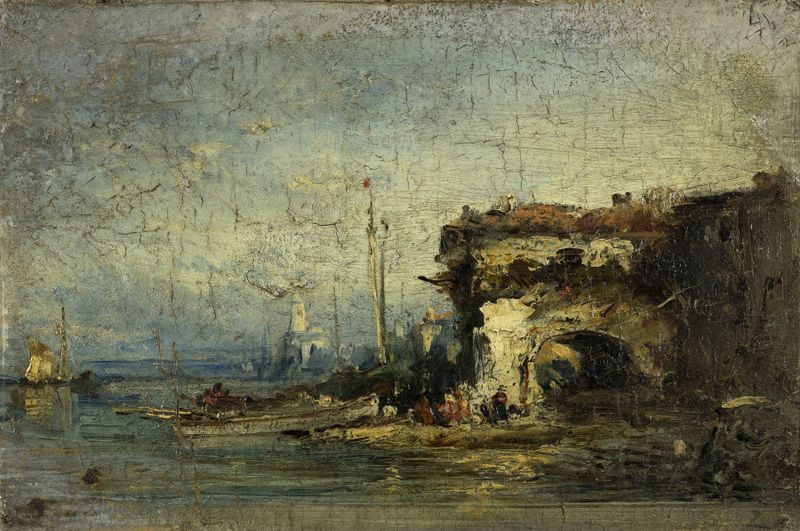
Vue d’Italie; la vieille porte
Félix Ziem
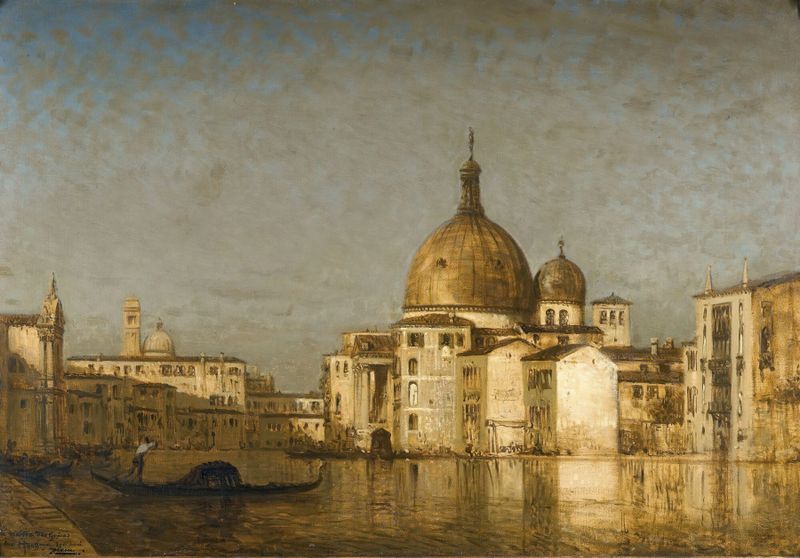
San Simeone Piccolo Au-Delà Du Grand Canal, Venis
Félix Ziem
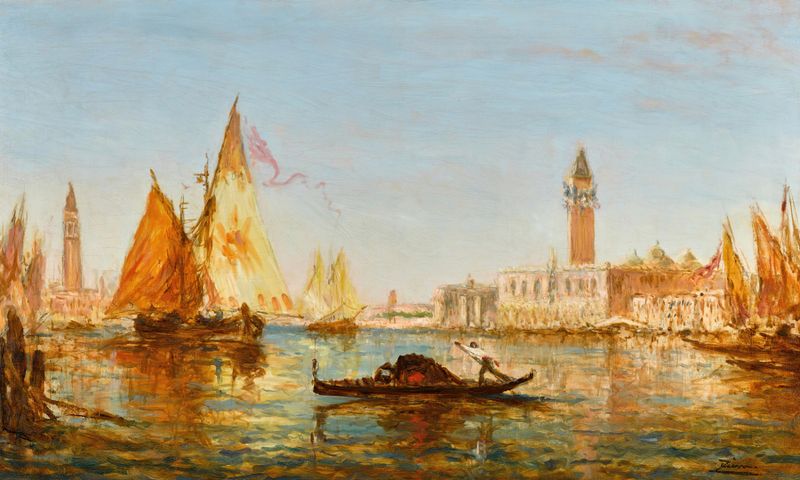
Venise, gondole et voiliers devant le Palais des doges et San Giorgio Maggiore
Félix Ziem





