
Venetian Scene — History & Facts
What if silence could speak through light? In Venetian Scene, a tranquil interplay of colors beckons the viewer to listen to the whispers of the city. Look to the center where the soft glimmer of the water captures a fading sunset. The ripples reflect hues of peach and lavender, creating a delicate contrast against the deep blues of the shadowed buildings lining the canal. Notice how the artist employs loose brushstrokes to evoke the fluid movement of water, while more defined edges around the architecture provide a grounding presence.
This choice of technique invites the eye to flow gently across the canvas, enveloped in the serene atmosphere. Delve deeper, and the painting reveals a subtle tension between the vibrancy of the sky and the somber silhouettes of the buildings. This contrast speaks to the dichotomy of life in Venice — a city rich in beauty yet steeped in melancholic history. Tiny figures are discernible along the waterfront, their muted tones suggesting a world moving on, even as the landscape remains timeless.
The harmony of the scene suggests an unspoken truth about moments of stillness amid life’s ebb and flow. In 1898, Thomas Moran painted this piece during a pivotal moment in his career, as he transitioned from landscapes of the American West to the enchanting vistas of Europe. He was captivated by Venice's unique light and architectural beauty, seeking to capture its essence on canvas. This period marked a time of experimentation in the art world, with the Impressionists influencing his vibrant palette and expressive brushwork, allowing him to convey the emotive quality of place through a new lens.
More Artworks by Thomas Moran
Browse all →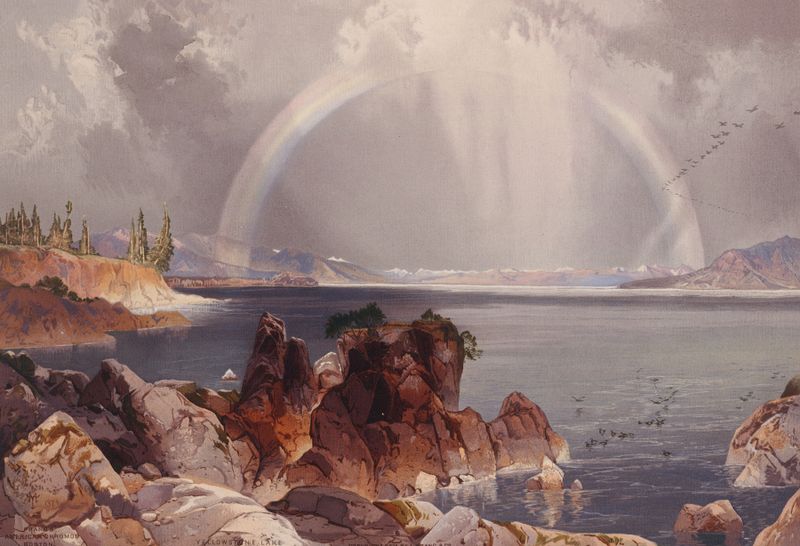
Yellowstone Lake
Thomas Moran

Grand Canyon of the Colorado River
Thomas Moran

Grand Canyon, Colorado River
Thomas Moran

The Towers of Tower Falls, Yellowstone
Thomas Moran
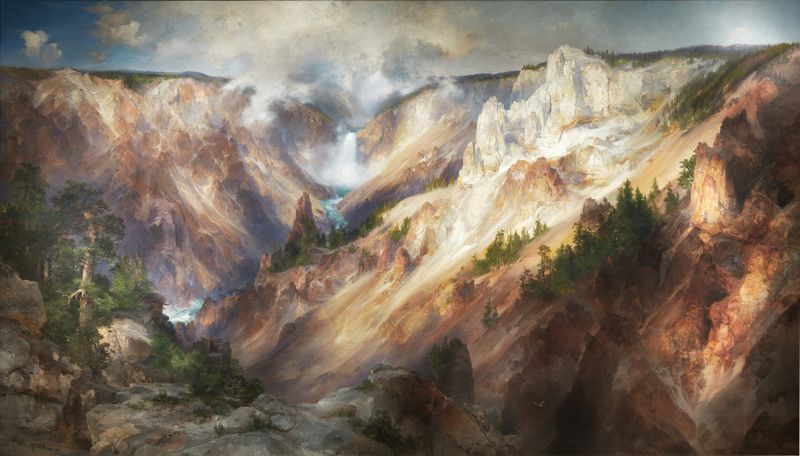
The Grand Canyon Of The Yellowstone
Thomas Moran

Mountain of the Holy Cross
Thomas Moran

Cliffs Of The Upper Colorado River, Wyoming Territory
Thomas Moran
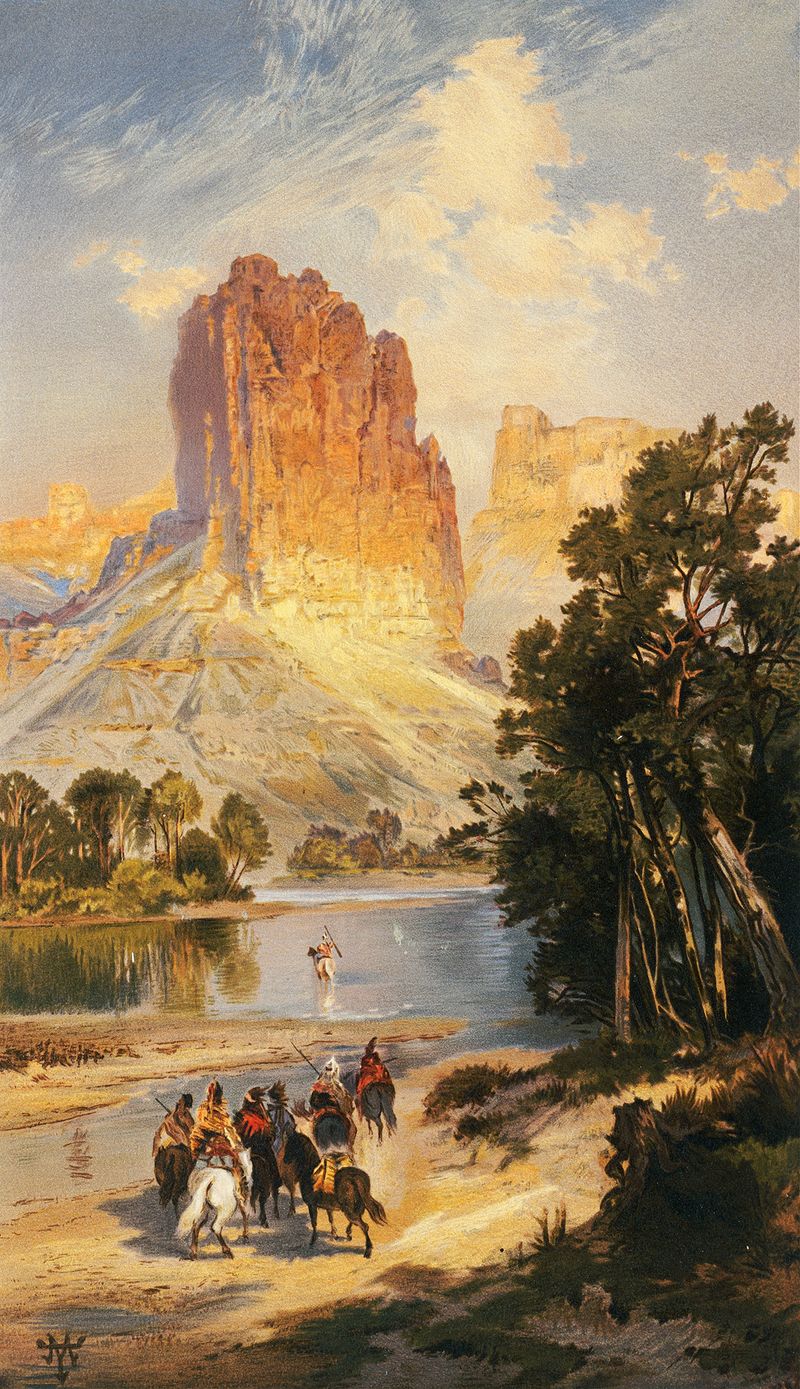
Cliffs of the Upper Colorado River, Wyoming Territory
Thomas Moran

Mammoth Hot Springs, Yellowstone
Thomas Moran
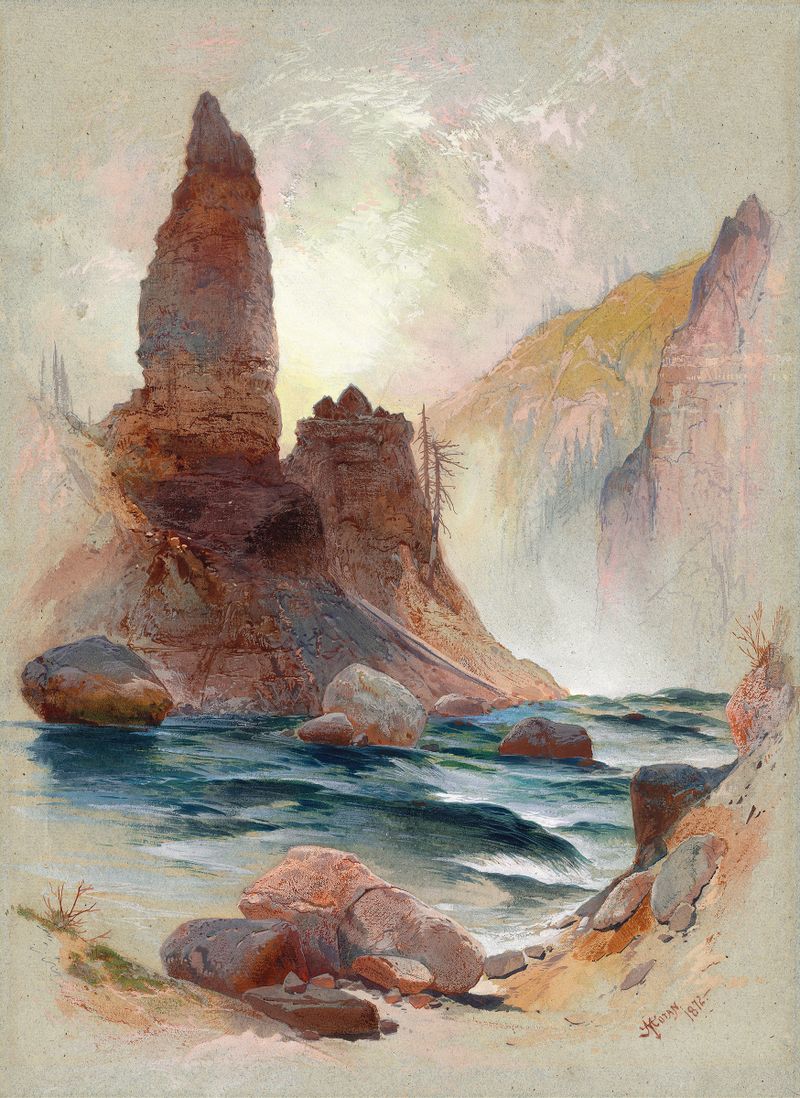
Tower at Tower Falls, Yellowstone
Thomas Moran





