
Venetian Scene — History & Facts
What if beauty was never meant to be finished? In Venetian Scene, the very essence of transformation unfurls before us, inviting deeper contemplation of time and change. Look to the left at the sweeping canals, where reflections of ancient architecture shimmer upon the water’s surface. Notice how the warm hues of sunset blend with the cool blues of the evening sky, creating a dialogue between day and night. The brushstrokes are dynamic, almost fluid, suggesting an ephemeral quality that captures the transient beauty of Venice.
The charming gondolas, depicted with gentle precision, draw the viewer’s gaze, anchoring the composition while also evoking movement and grace. Within the interplay of light and shadow, there lies a deeper tension — the inevitability of change. The vibrant colors of the city seem to wash over the scene, hinting at fleeting moments that will never be repeated. The atmospheric quality encapsulates a sense of longing, as if the viewer is witnessing a city that is both alive and slipping away.
Each stroke reveals a world caught between permanence and impermanence, mirroring the constant transformation of Venice itself. Created in 1894, this work emerged during a period of profound admiration for the Impressionists and a growing fascination with plein air painting. Moran, already established as a landscape artist, was exploring the beauty of diverse locales, inspired by his travels. At this time, Venice stood as a symbol of romance and decline, and the artist sought to capture its unique magic amidst the changing tides of modernity.
More Artworks by Thomas Moran
Browse all →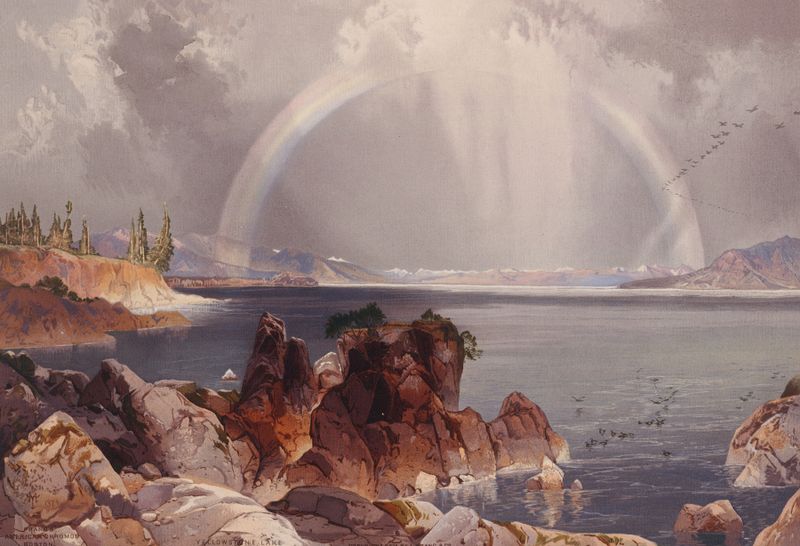
Yellowstone Lake
Thomas Moran

Grand Canyon of the Colorado River
Thomas Moran

Grand Canyon, Colorado River
Thomas Moran

The Towers of Tower Falls, Yellowstone
Thomas Moran
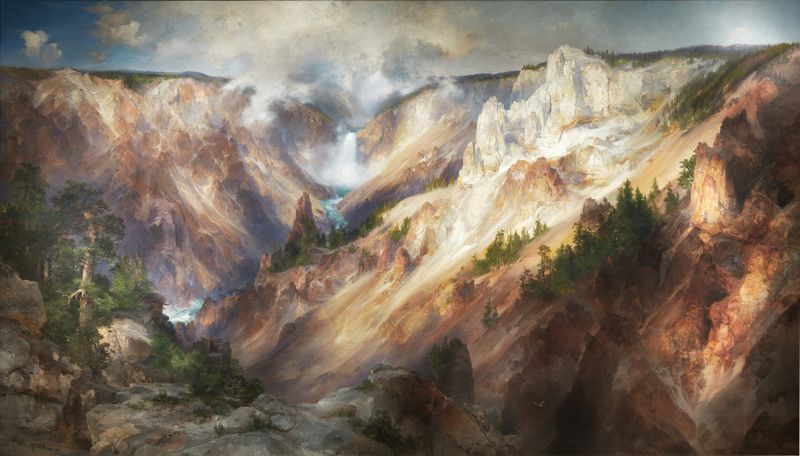
The Grand Canyon Of The Yellowstone
Thomas Moran

Mountain of the Holy Cross
Thomas Moran

Cliffs Of The Upper Colorado River, Wyoming Territory
Thomas Moran
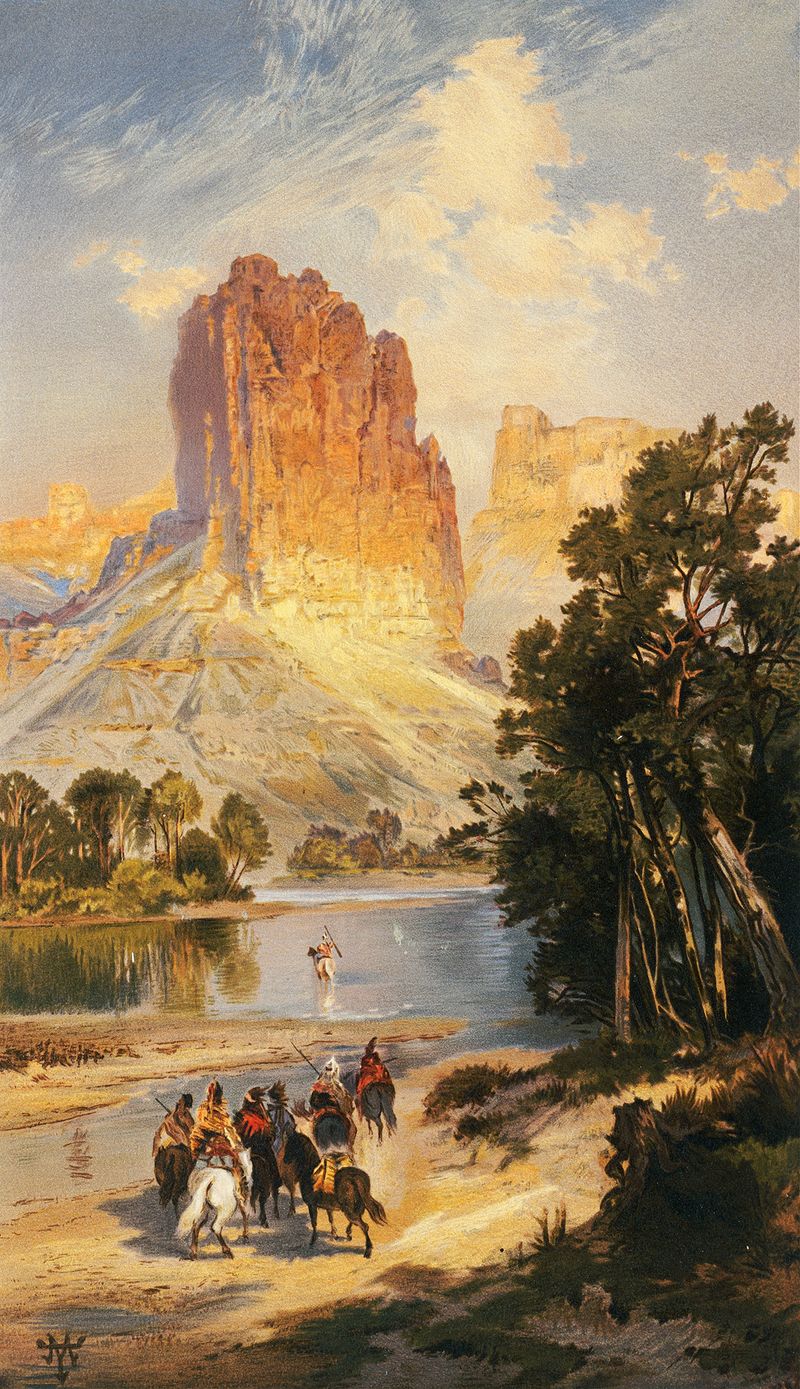
Cliffs of the Upper Colorado River, Wyoming Territory
Thomas Moran

Mammoth Hot Springs, Yellowstone
Thomas Moran
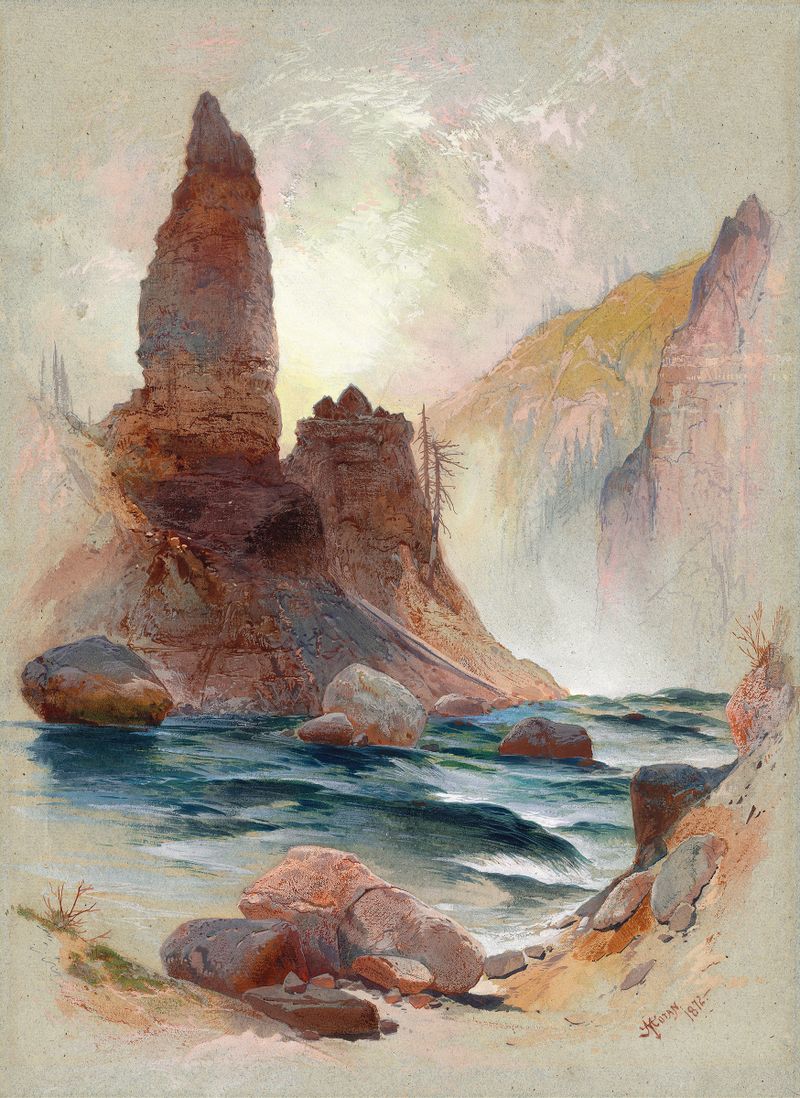
Tower at Tower Falls, Yellowstone
Thomas Moran





