
Venetian Scene — History & Facts
In the interplay of light and hue, one finds a whisper of divinity that beckons the soul to reflect. Look to the left of the canvas, where the ethereal glow of the setting sun bathes the Venetian waters in a golden embrace. The delicate strokes of blue and gold dance across the surface, suggesting both movement and tranquility. Notice how the Venetian architecture mirrors itself in the water, creating a harmonious balance that draws the eye inward.
The richness of the colors, from the deep shadows to the highlights, evokes a sense of sacredness, as if the city itself is basking in a divine light. Yet, there is tension woven into this serenity. The juxtaposition of the vibrant colors against the soft reflections hints at a fleeting moment, a reminder of the impermanence of beauty. The quietness of the scene suggests contemplation, as if Moran invites us to ponder the stories hidden beneath the surface.
Each brushstroke conveys a sense of longing, a connection to a time that is both present and past, echoing the transient nature of existence itself. In 1906, Moran painted this stunning piece while living in a world grappling with the rapid changes of modernity. As an established figure in the American art scene, he was deeply influenced by his travels and the beauty of the Italian landscape. This painting reflects not only his mastery of color and light but also a moment of introspection in his life, where art became a bridge to understanding the divine present in the world around him.
More Artworks by Thomas Moran
Browse all →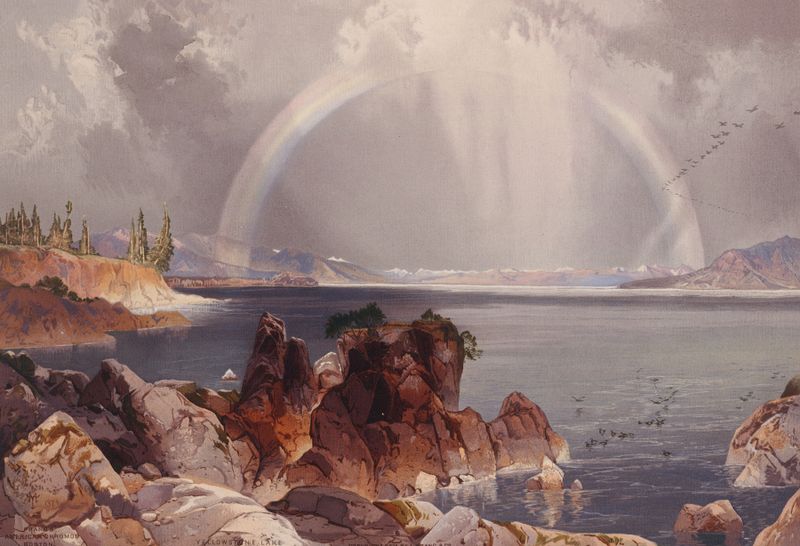
Yellowstone Lake
Thomas Moran

Grand Canyon of the Colorado River
Thomas Moran

Grand Canyon, Colorado River
Thomas Moran

The Towers of Tower Falls, Yellowstone
Thomas Moran
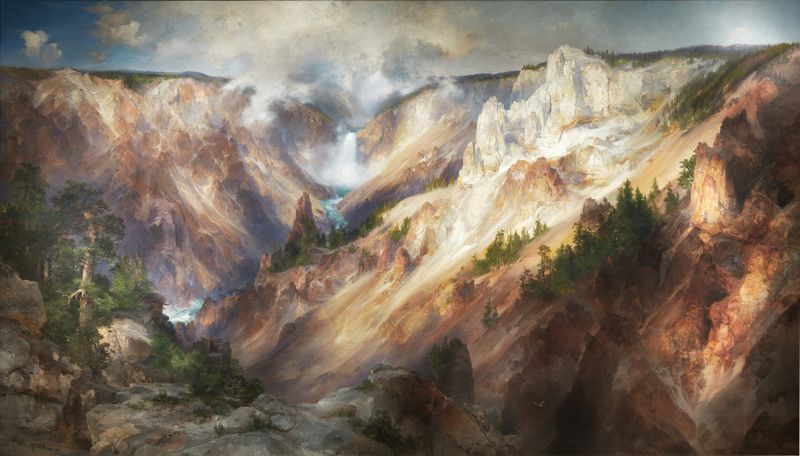
The Grand Canyon Of The Yellowstone
Thomas Moran

Mountain of the Holy Cross
Thomas Moran

Cliffs Of The Upper Colorado River, Wyoming Territory
Thomas Moran
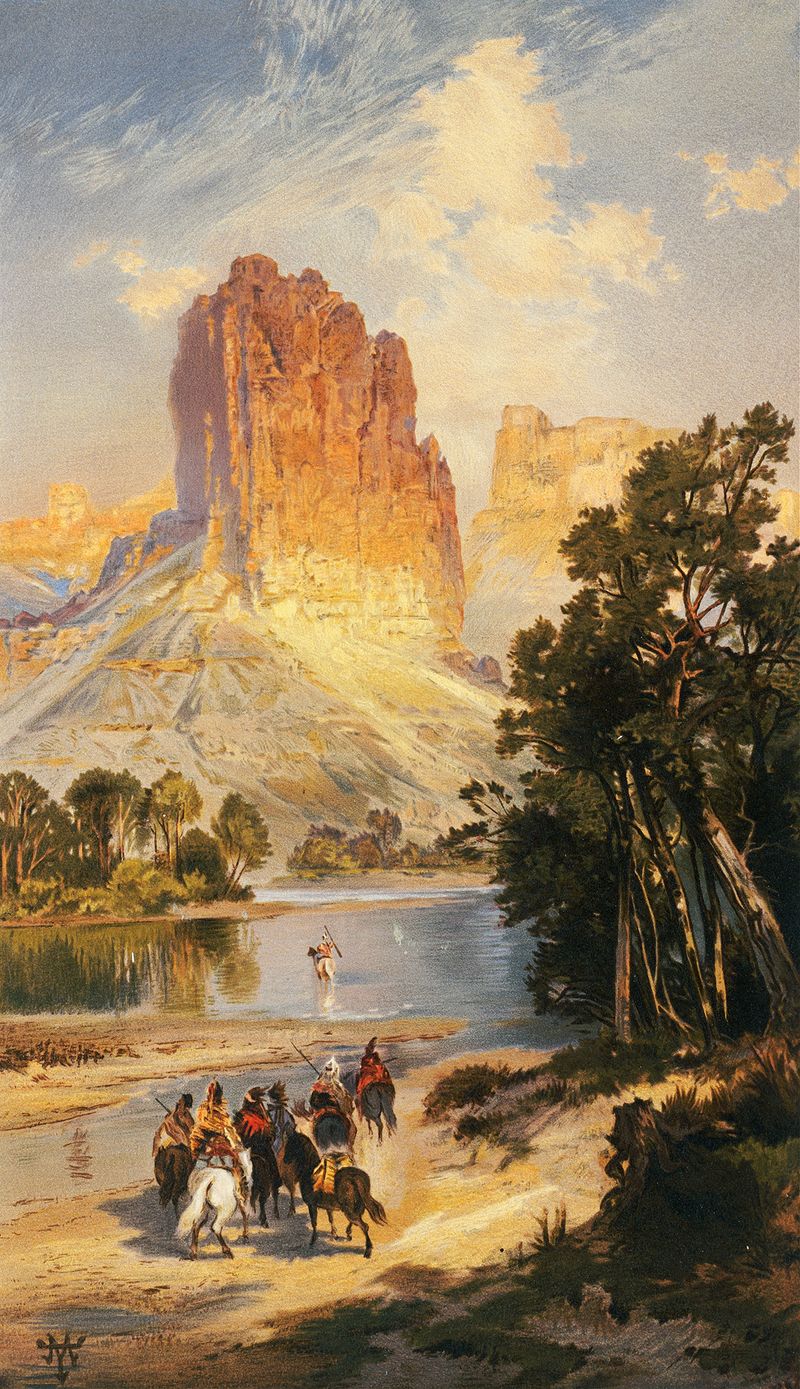
Cliffs of the Upper Colorado River, Wyoming Territory
Thomas Moran

Mammoth Hot Springs, Yellowstone
Thomas Moran
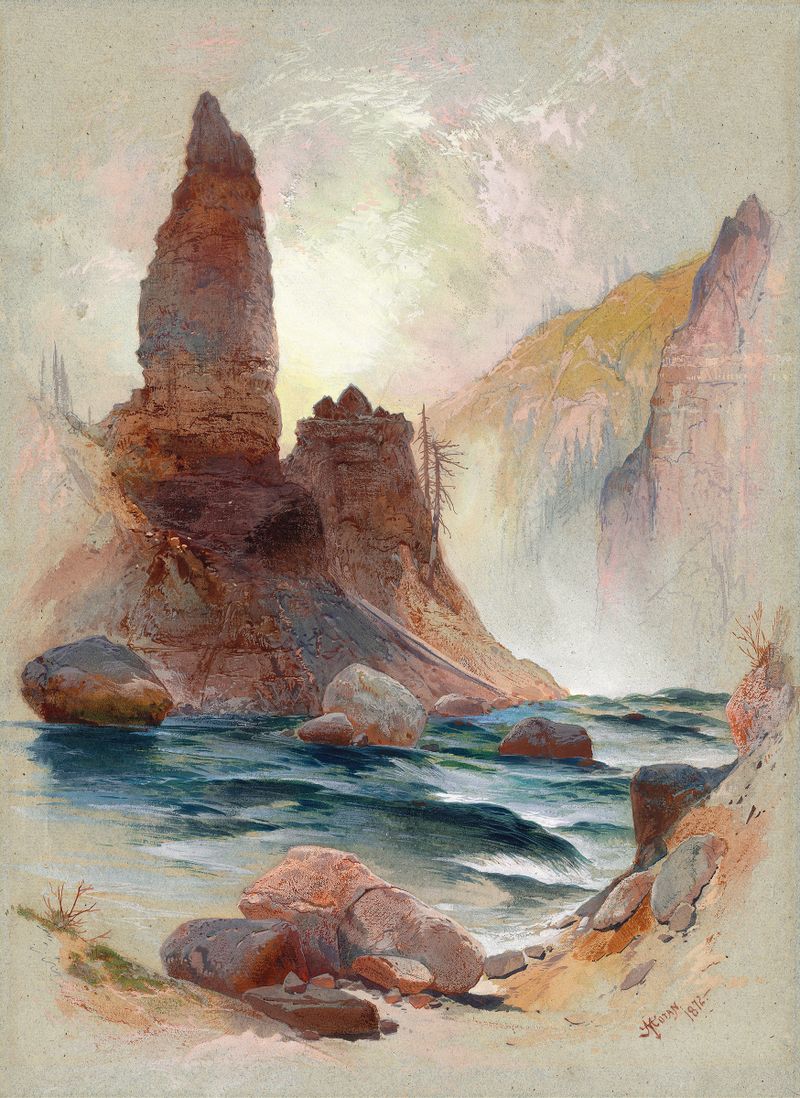
Tower at Tower Falls, Yellowstone
Thomas Moran





