
Venice — History & Facts
What if silence could speak through light? In the stillness of a bygone era, the passage of time reveals layers of beauty and decay in a city that has witnessed centuries unfold. Look to the left where shades of burnt sienna and muted ochres rise in delicate strokes to capture the ancient architecture of Venice. The ethereal light, golden yet tender, bathes the scene, inviting the viewer to explore the interplay of shadow and illumination. Notice how the water reflects the soft hues of the sky, creating an almost fluid dialogue between earth and air, while the tranquil gondolas drift silently, their presence a reminder of the city’s enduring charm. Delve deeper into the painting and consider the juxtaposition of movement and stillness—the gondolas, though seemingly inactive, convey a sense of timelessness, like whispers of distant memories.
The clouds, painted with gentle pastels, loom overhead, creating a contrast that hints at the inevitable passage of time and the fading glory of this magnificent city. Each brushstroke becomes a moment frozen, yet alive with the stories of those who have traversed its winding canals. In 1898, Thomas Moran found himself immersed in a world where impressionism was reshaping artistic expressions. While living in the United States, he took this inspiration back to the vibrancy of Venice, capturing its enduring spirit even as the modern age encroached.
This period marked a significant transition in art, with Moran’s work reflecting both his admiration for natural beauty and a nostalgic glance at the permanence of this historic landscape.
More Artworks by Thomas Moran
Browse all →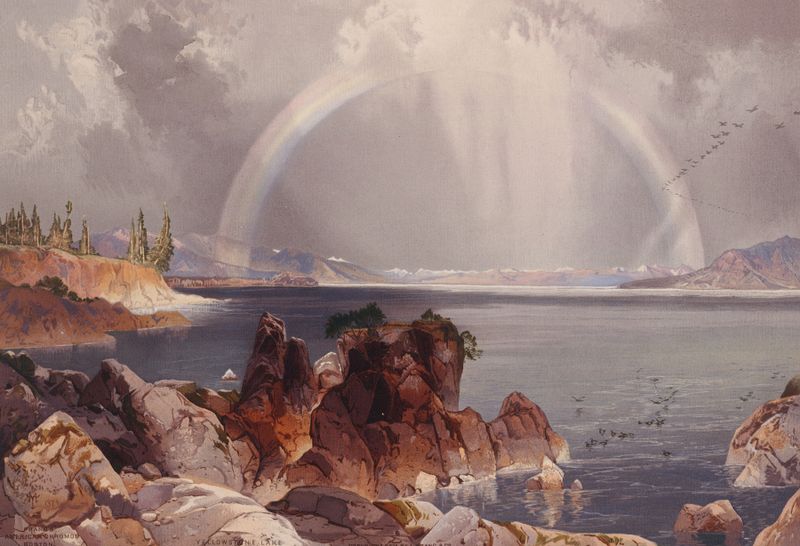
Yellowstone Lake
Thomas Moran

Grand Canyon of the Colorado River
Thomas Moran

Grand Canyon, Colorado River
Thomas Moran

The Towers of Tower Falls, Yellowstone
Thomas Moran
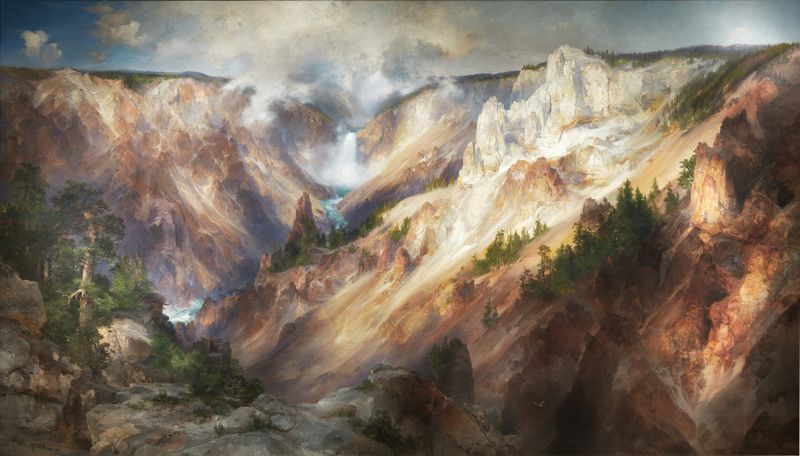
The Grand Canyon Of The Yellowstone
Thomas Moran

Mountain of the Holy Cross
Thomas Moran

Cliffs Of The Upper Colorado River, Wyoming Territory
Thomas Moran
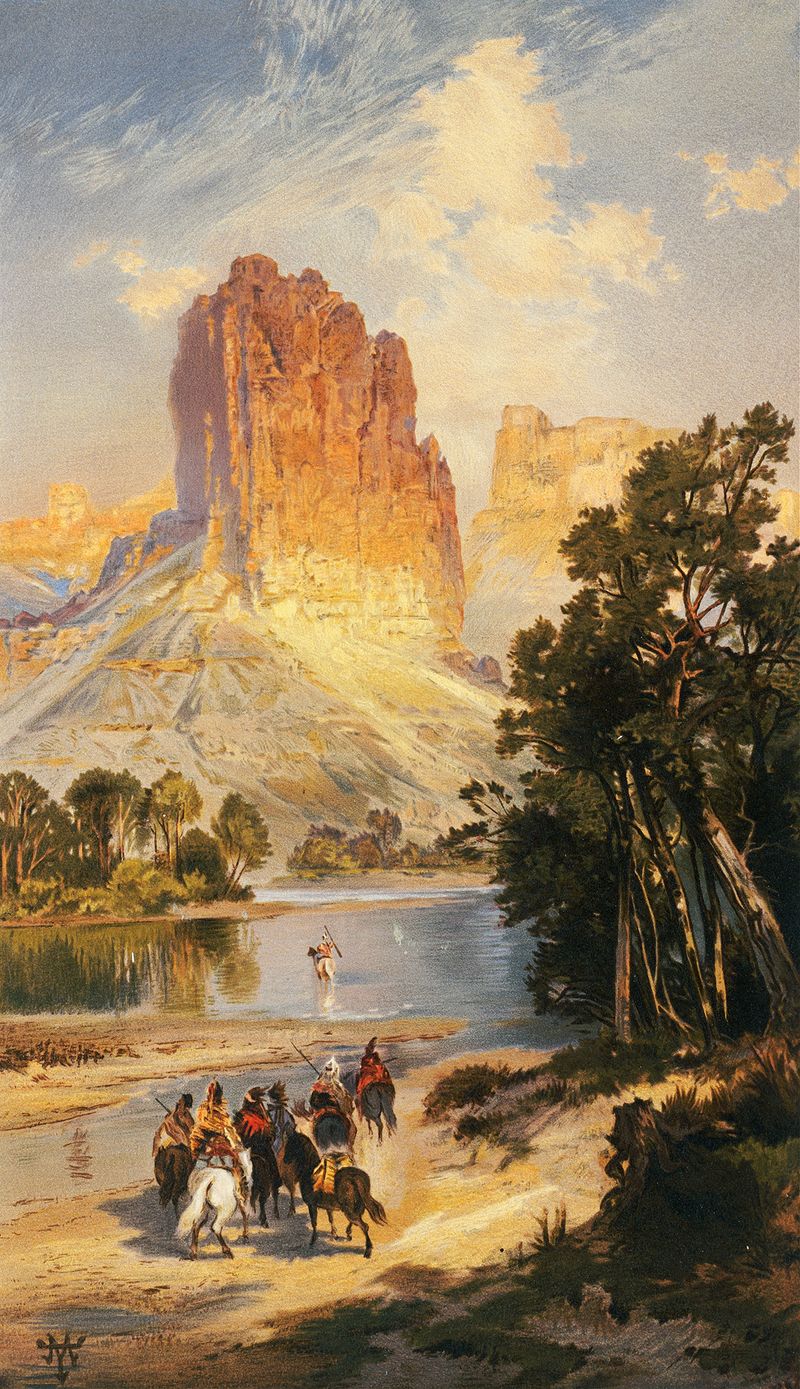
Cliffs of the Upper Colorado River, Wyoming Territory
Thomas Moran

Mammoth Hot Springs, Yellowstone
Thomas Moran
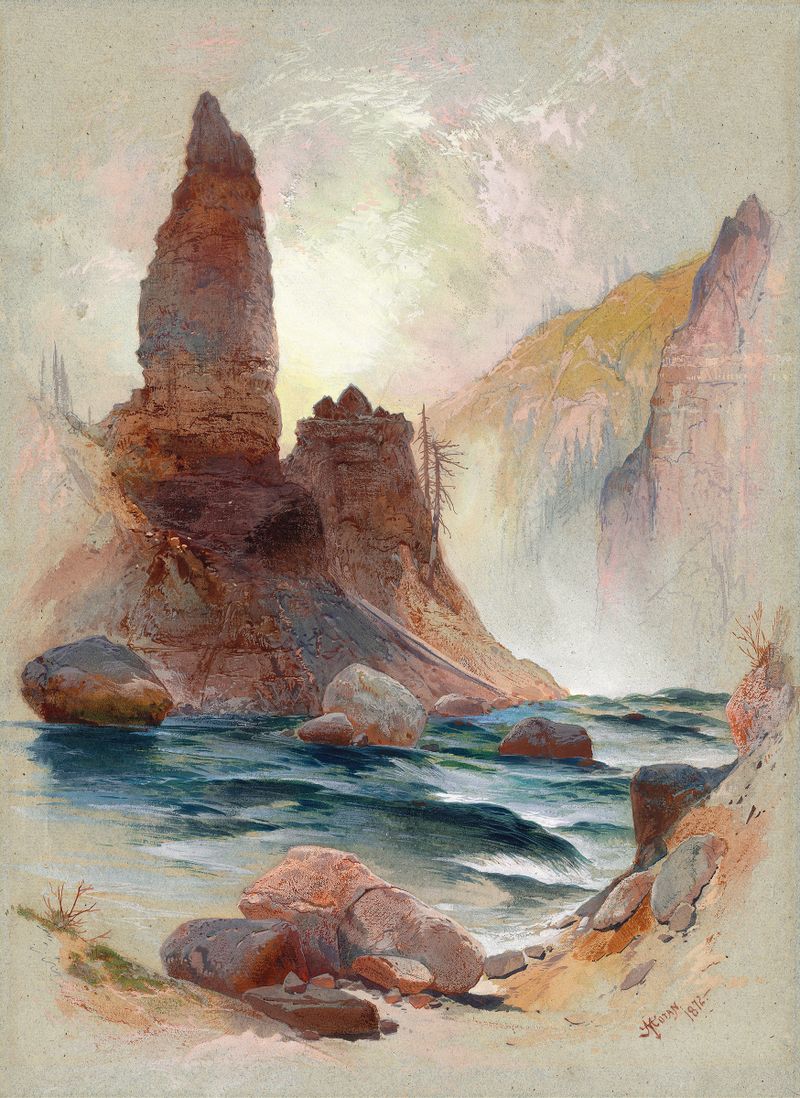
Tower at Tower Falls, Yellowstone
Thomas Moran





