
Venice — History & Facts
This poignant reflection encapsulates the duality of perception that envelops the viewer when gazing upon a breathtaking landscape. In this instance, the gilded façade of Venice beckons, offering an invitation to explore the layers beneath its shimmering surface. Look to the left, where vibrant strokes of azure and cerulean carve out the sky, contrasting beautifully with the warm, reflective waters below. Focus on the intricate details of the architectural marvels that rise above the canals; their ornate designs, tinged with hues of rust and ochre, evoke a sense of history and grandeur.
The interplay of light, masterfully executed, glimmers on the surface, drawing the eye into the depths of the scene, where shadows whisper secrets of an ever-fleeting moment. Beneath the surface of this idyllic representation lies a deeper narrative: the fleeting nature of beauty and the inevitable decay that time brings. Each structure, though resplendent, hints at the fragility of its existence, a reminder of the weight of history that presses down upon this enchanting city. The contrast between the vivid colors and the darkening shadows creates a tension that reflects not only Venice's grandeur but also the underlying melancholy of its decline, revealing a multi-layered emotional landscape. Created in 1900, this work emerged during a transitional period for the artist, who was deeply influenced by the American Romantic movement.
Straddling the lines between realism and impressionism, Moran was capturing the essence of a city that had fascinated countless artists and writers. At this time, he was also grappling with the realities of urbanization, which threatened the very beauty he so passionately depicted. This painting stands as a testament to both his love for the natural world and his awareness of the impermanence it heralded.
More Artworks by Thomas Moran
Browse all →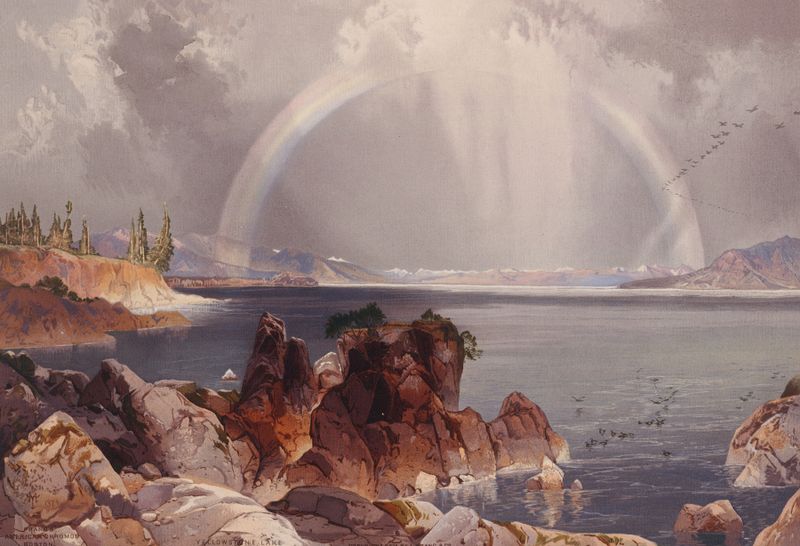
Yellowstone Lake
Thomas Moran

Grand Canyon of the Colorado River
Thomas Moran

Grand Canyon, Colorado River
Thomas Moran

The Towers of Tower Falls, Yellowstone
Thomas Moran
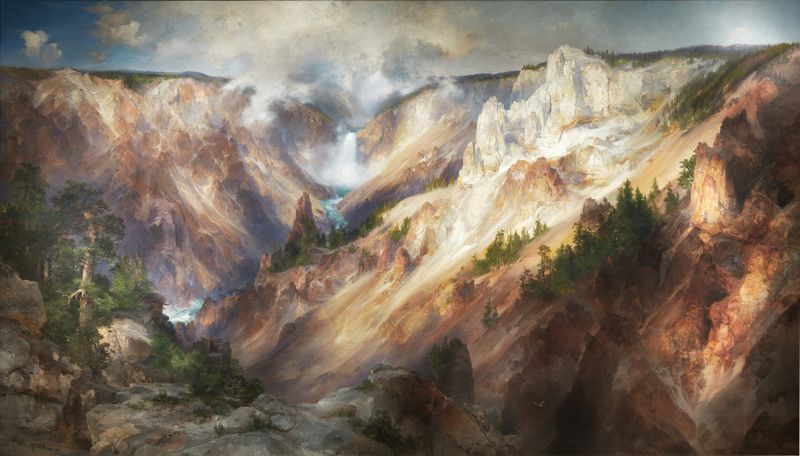
The Grand Canyon Of The Yellowstone
Thomas Moran

Mountain of the Holy Cross
Thomas Moran

Cliffs Of The Upper Colorado River, Wyoming Territory
Thomas Moran
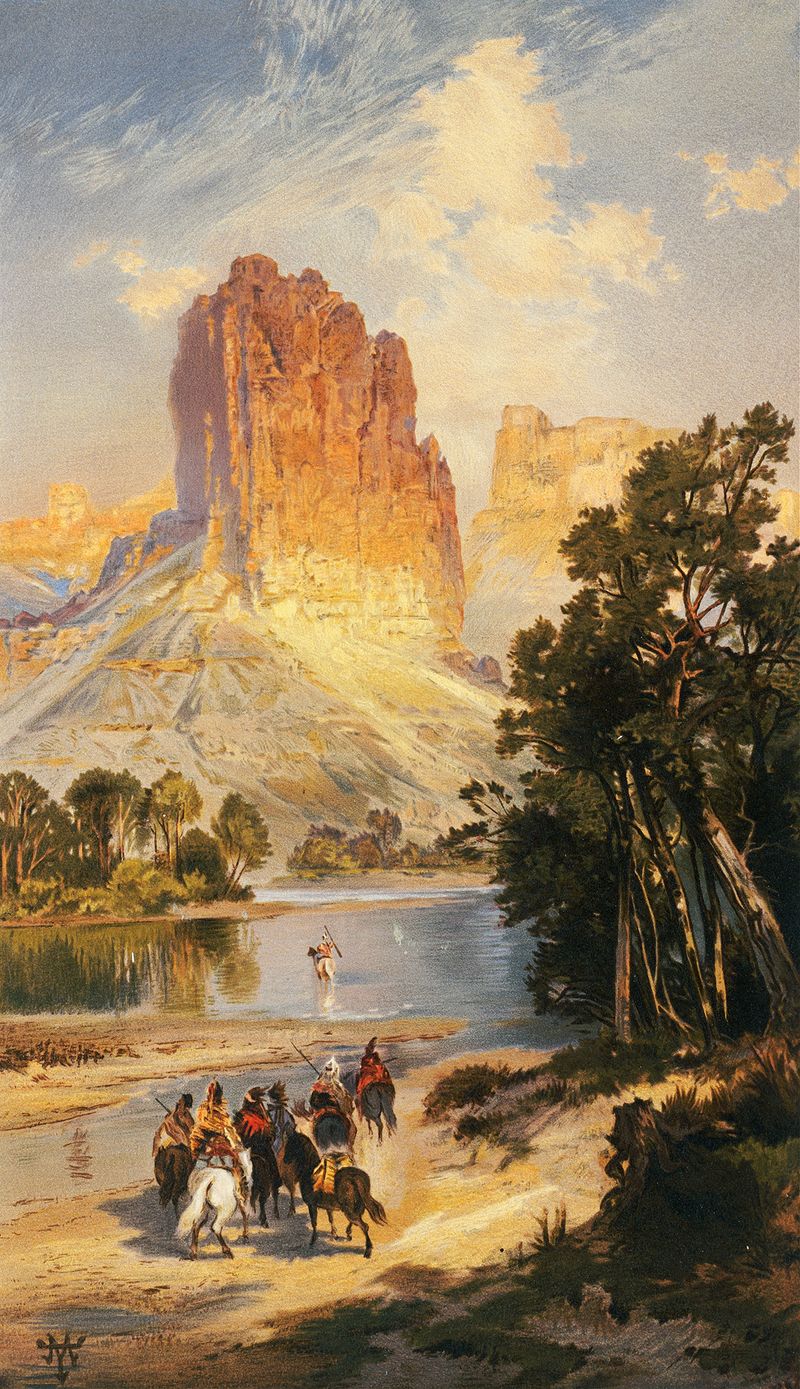
Cliffs of the Upper Colorado River, Wyoming Territory
Thomas Moran

Mammoth Hot Springs, Yellowstone
Thomas Moran
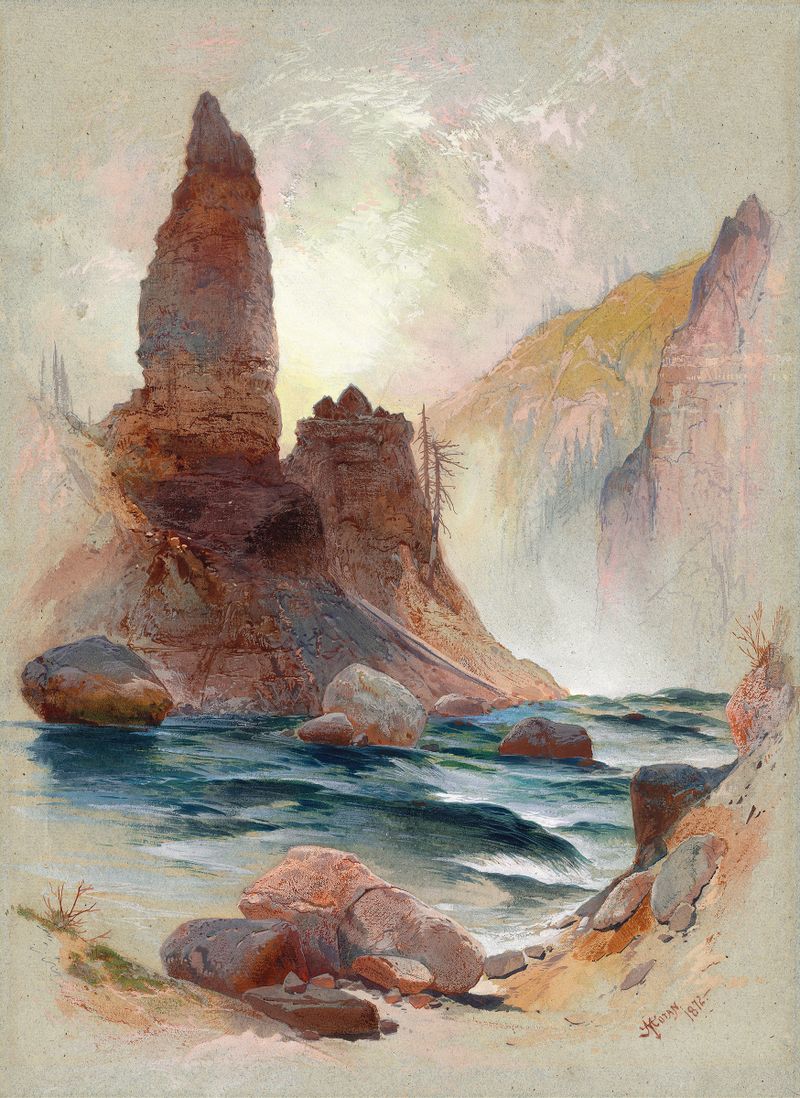
Tower at Tower Falls, Yellowstone
Thomas Moran





