
Venice — History & Facts
When did color learn to lie? In Venice, Thomas Moran invites us to question the very essence of reality as we are enveloped in a world where hues dance between truth and illusion. Look to the foreground, where the rich, jewel-toned reflections ripple across the water's surface, shimmering with an otherworldly glow. Notice how the vivid oranges and deep blues blend seamlessly, creating a dreamscape that pulses with life. The composition is masterfully balanced, allowing the viewer's gaze to meander through the enchanting architecture of Venice, its intricate buildings reaching towards the sky while their delicate details beckon closer inspection. Delve deeper into the nuances of this scene, and you’ll uncover an emotional tension that suggests both beauty and transience.
The juxtaposition of the serene water and the vibrant sky evokes a fleeting moment, one that captures the essence of a city suspended in time. The light plays tricks, teasing the viewer with the possibility of a deeper connection to this mystical place, while simultaneously hinting at the inevitable decay that time imposes. Each brushstroke resonates with a revelation about memory, suggesting that even the most stunning vistas are susceptible to the passage of time. In 1887, Moran painted Venice during an era when he was deeply influenced by the American romanticism of the landscape.
Having just returned from Europe, he was captivated by the ethereal beauty of the city, which was already undergoing significant change. This period marked a pivotal point in his career, as he sought to blend the natural and architectural beauty of Europe with the grandiosity of American scenery, ultimately redefining the role of color in landscape painting.
More Artworks by Thomas Moran
Browse all →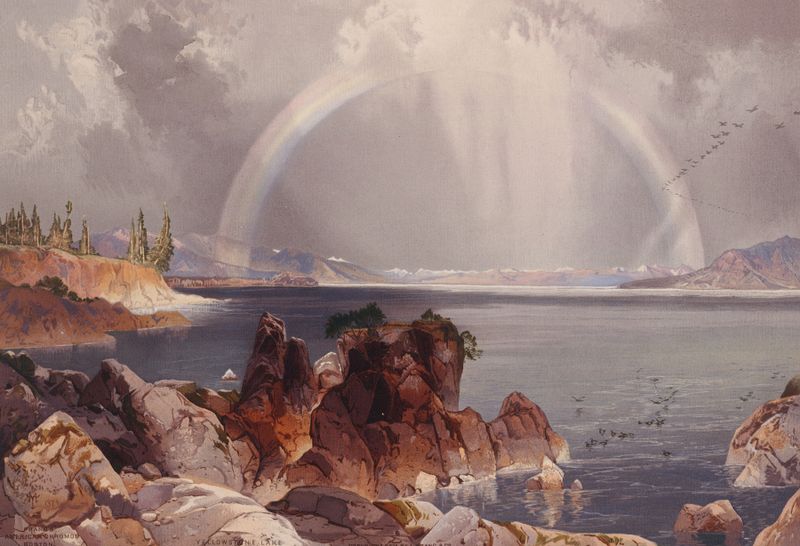
Yellowstone Lake
Thomas Moran

Grand Canyon of the Colorado River
Thomas Moran

Grand Canyon, Colorado River
Thomas Moran

The Towers of Tower Falls, Yellowstone
Thomas Moran
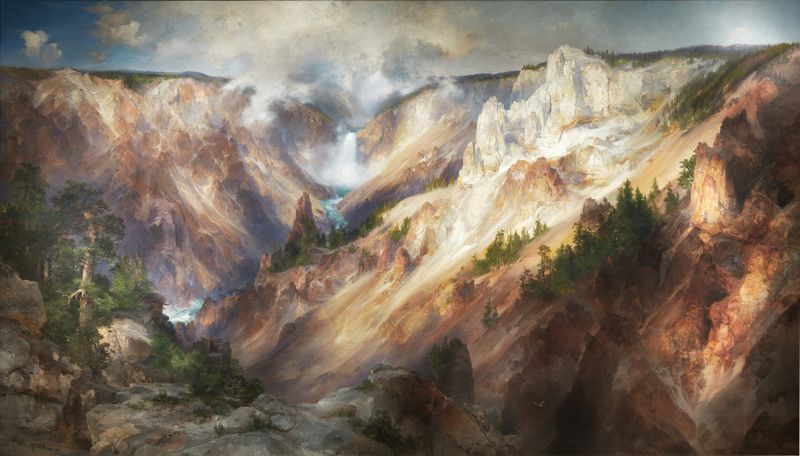
The Grand Canyon Of The Yellowstone
Thomas Moran

Mountain of the Holy Cross
Thomas Moran

Cliffs Of The Upper Colorado River, Wyoming Territory
Thomas Moran
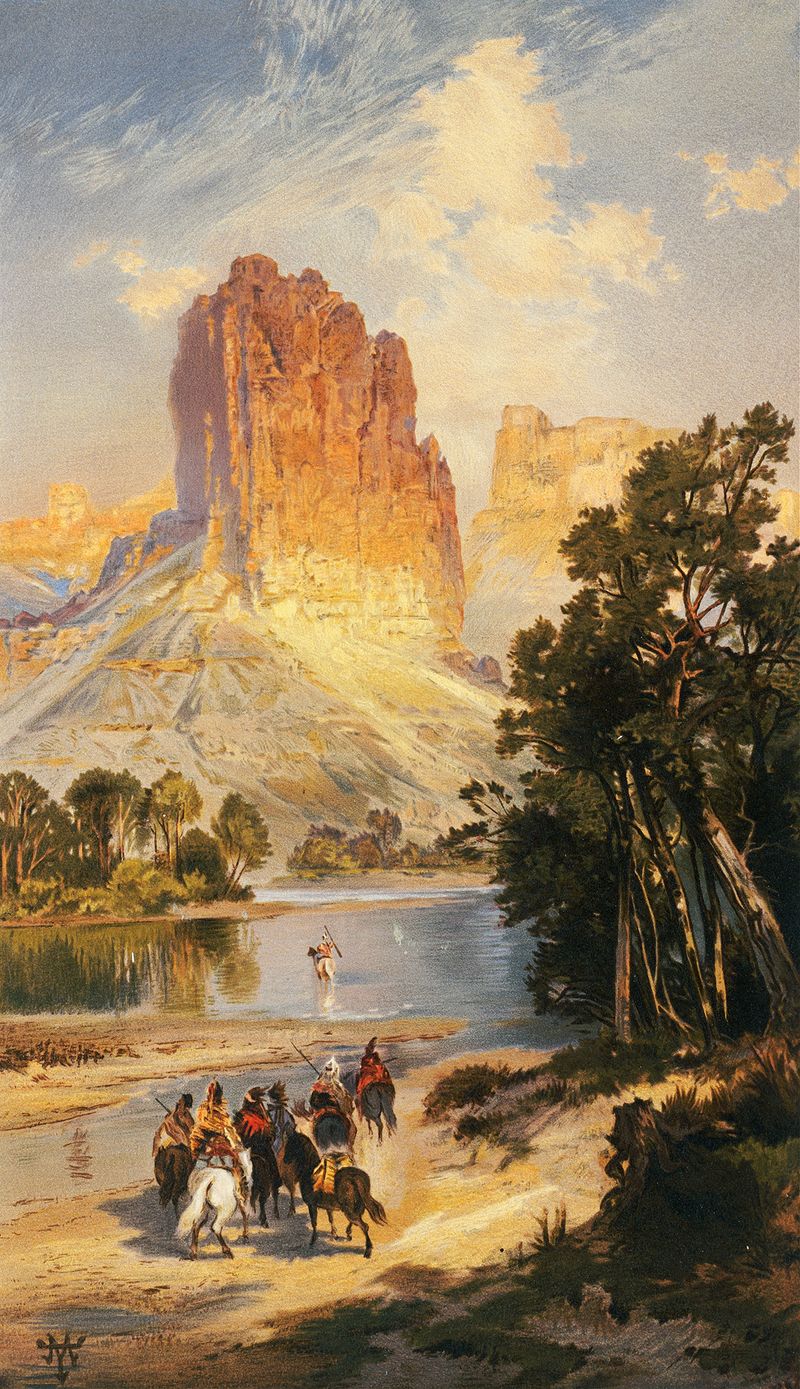
Cliffs of the Upper Colorado River, Wyoming Territory
Thomas Moran

Mammoth Hot Springs, Yellowstone
Thomas Moran
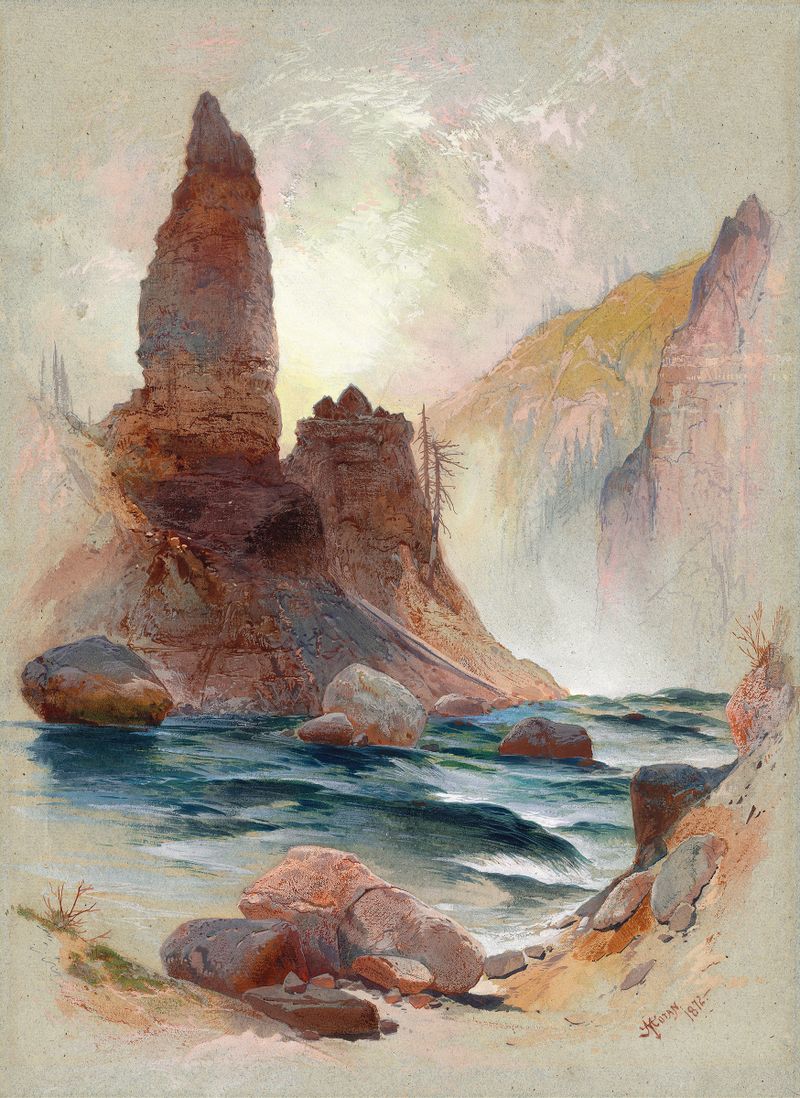
Tower at Tower Falls, Yellowstone
Thomas Moran





