
Venice — History & Facts
Could beauty survive in a century of chaos? In Thomas Moran's Venice, the answer seems to resonate in the stillness of the scene, where silence envelops the ethereal waterways and ancient architecture like a cherished secret. Look to the serene horizon, where the soft hues of twilight blend seamlessly with the reflective waters. The warm oranges and deep blues create a harmonious palette that draws the viewer's eye toward the iconic gondolas, their dark silhouettes gently disturbed by the ripples of the canal. Notice how the light casts shimmering patterns on the surface, enhancing the tranquility while deepening the mood of mystery that lingers in the air. Beneath this picturesque beauty lies a tension between nature and humanity, past and present.
The ghostly outlines of historic buildings evoke memories of a once-thriving civilization, while the calm waters suggest a moment frozen in time, untouched by the modern world. Each brushstroke reveals Moran's reverence for the delicate balance of life, where the vibrant colors celebrate the splendor of Venice yet hint at the fragility of its existence. In 1902, when this painting was completed, Moran was already celebrated for his breathtaking landscapes and his role in popularizing the American West. Living in a time marked by rapid industrialization and change, he sought to capture the essence of places that felt both timeless and vulnerable.
The world was witnessing transformation, and his work served as a poignant reminder of beauty's fleeting nature amidst the chaos of modernity.
More Artworks by Thomas Moran
Browse all →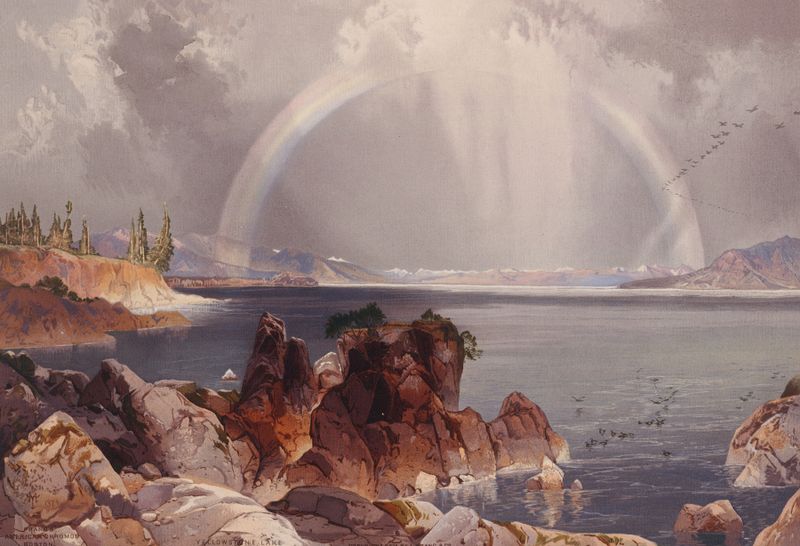
Yellowstone Lake
Thomas Moran

Grand Canyon of the Colorado River
Thomas Moran

Grand Canyon, Colorado River
Thomas Moran

The Towers of Tower Falls, Yellowstone
Thomas Moran
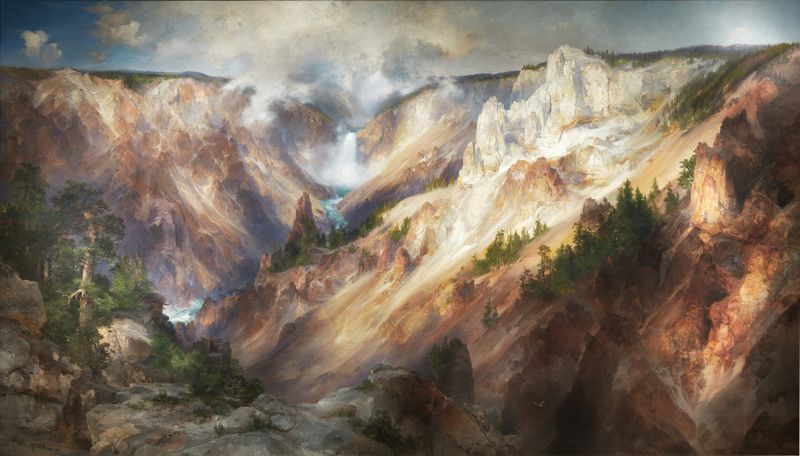
The Grand Canyon Of The Yellowstone
Thomas Moran

Mountain of the Holy Cross
Thomas Moran

Cliffs Of The Upper Colorado River, Wyoming Territory
Thomas Moran
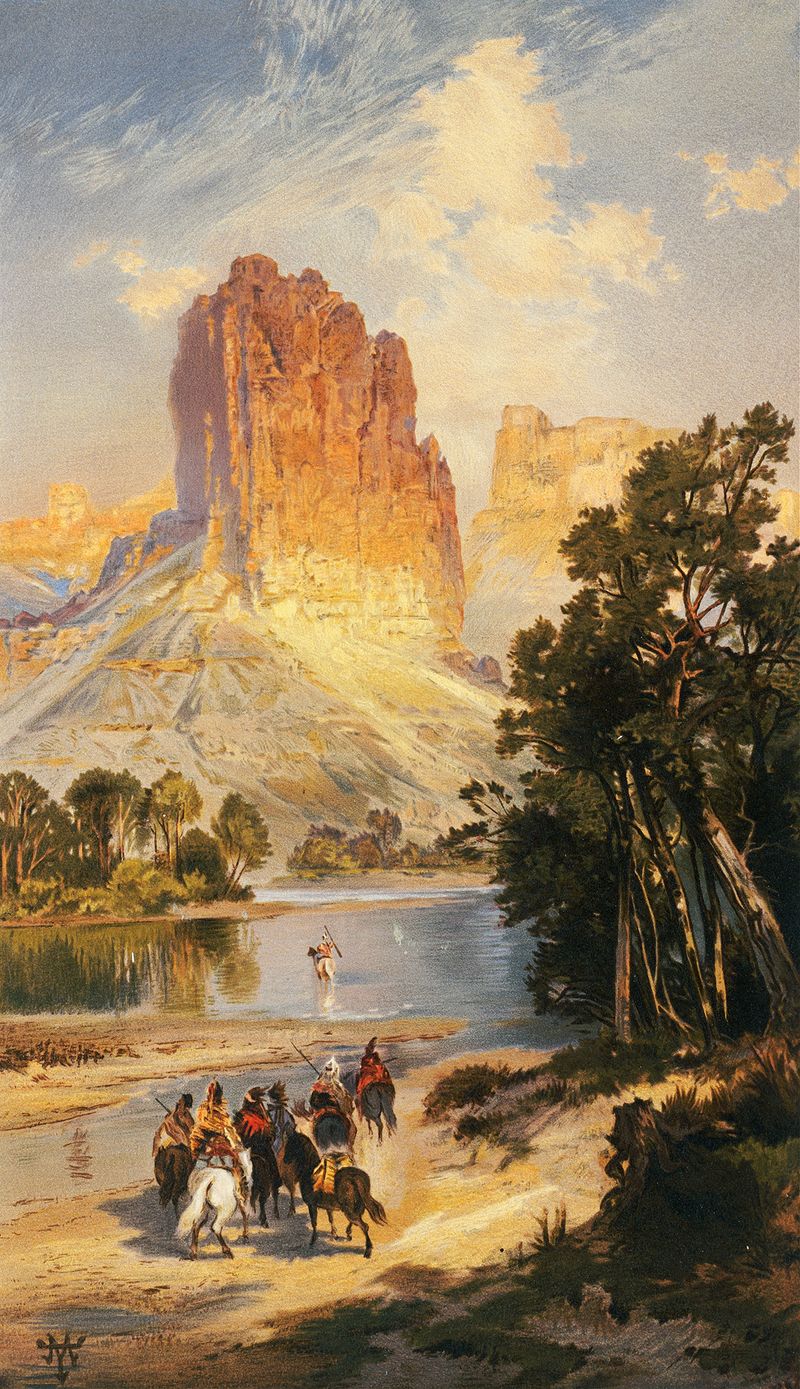
Cliffs of the Upper Colorado River, Wyoming Territory
Thomas Moran

Mammoth Hot Springs, Yellowstone
Thomas Moran
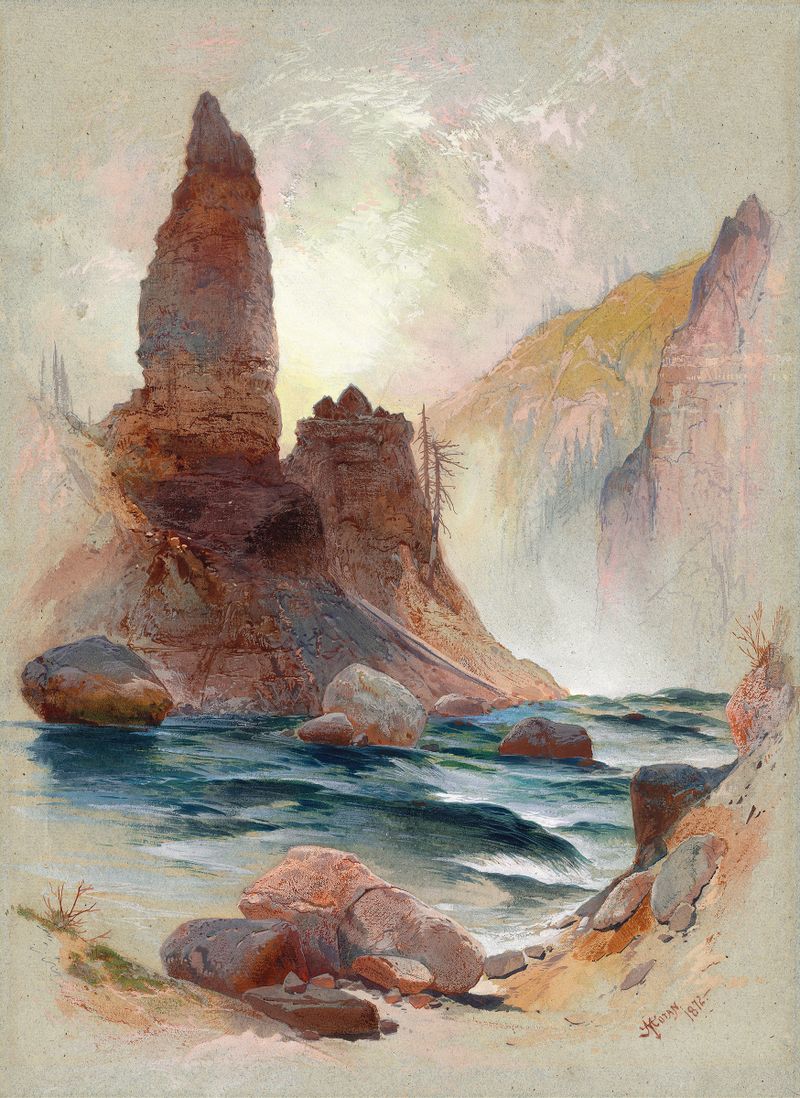
Tower at Tower Falls, Yellowstone
Thomas Moran





