
Venice Canal Grande — History & Facts
When did color learn to lie? In the stillness of a Venetian canal, reflections dance with an unsettling tranquility, whispering secrets that linger just beyond reach. Focus on the shimmering water at the center of the canvas, where the soft murmur of the canal's surface mirrors the pastel hues of the buildings above. Notice how the muted blues and ochres blend seamlessly, creating a dreamlike quality that draws you deeper into the composition. The brushwork invites a sense of fluidity, as if time itself has paused, allowing the viewer to become enveloped in this serene moment. Yet, beneath the surface, a tension brews.
The silence of the scene belies a rich history—each building stands as a testament to time, reminding us of the stories that have unfolded within its walls. The interplay of light and shadow further suggests duality; while the colors evoke beauty, they also hint at the passage of time and the ephemeral nature of existence. The stillness feels alive with the voice of the past, reminding us that what is seen is often just a façade. In this atmospheric work, the artist captured the essence of Venice, likely during a period of personal exploration and reflection.
Working in the late 18th century or early 19th century, he was influenced by the Romantic ideals of his time, which sought to evoke emotion and introspection through landscape. This painting, while undated, embodies the artist's connection to a city steeped in history and beauty, revealing both the artist’s vision and the cultural fabric of Venice.
More Artworks by Giuseppe Bernardino Bison
Browse all →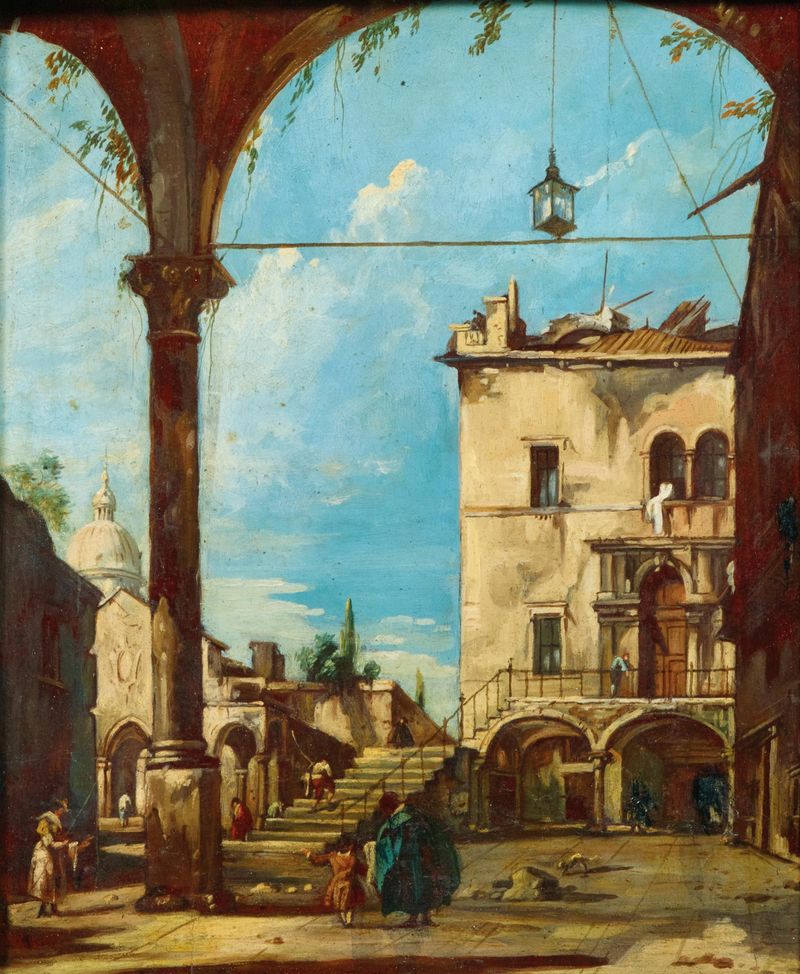
An Architectural Capriccio with Figures
Giuseppe Bernardino Bison
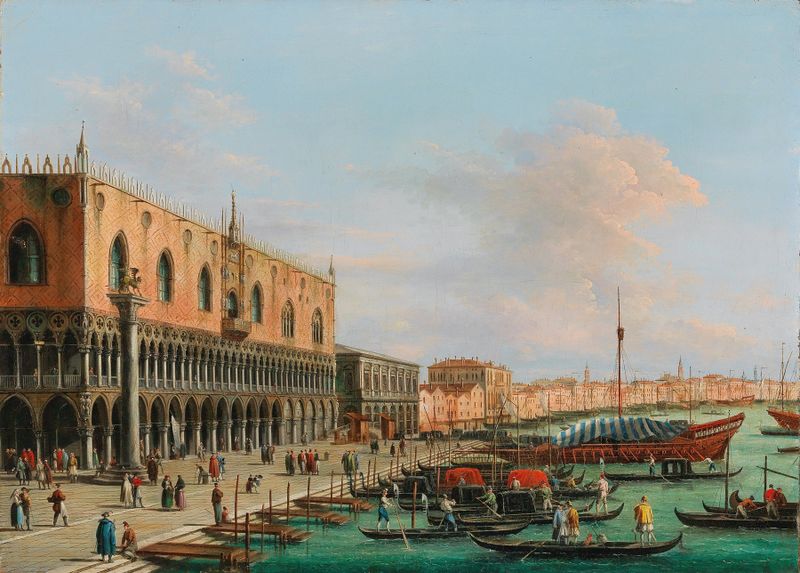
The Palazzo Ducale and the Riva degli Schiavoni, Venice
Giuseppe Bernardino Bison
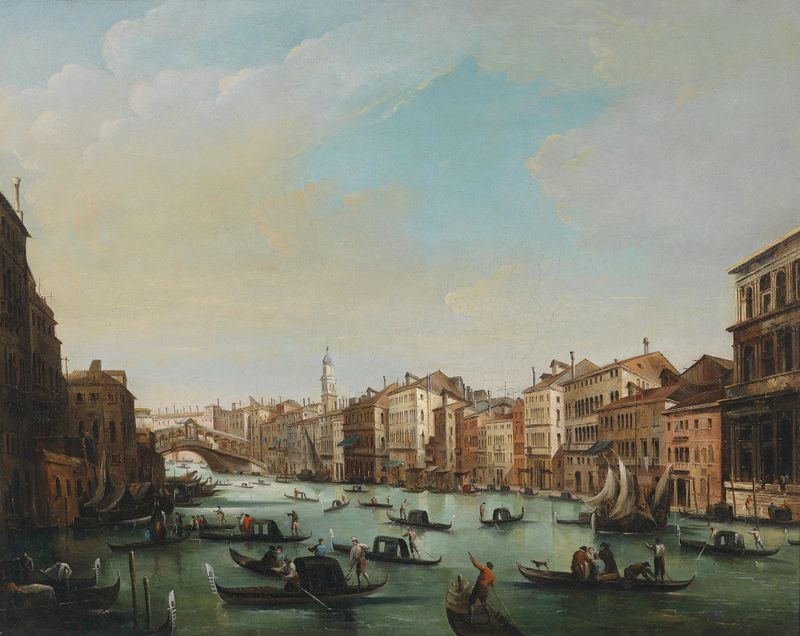
Venedig Canal Grande mit Ponte Rialto
Giuseppe Bernardino Bison
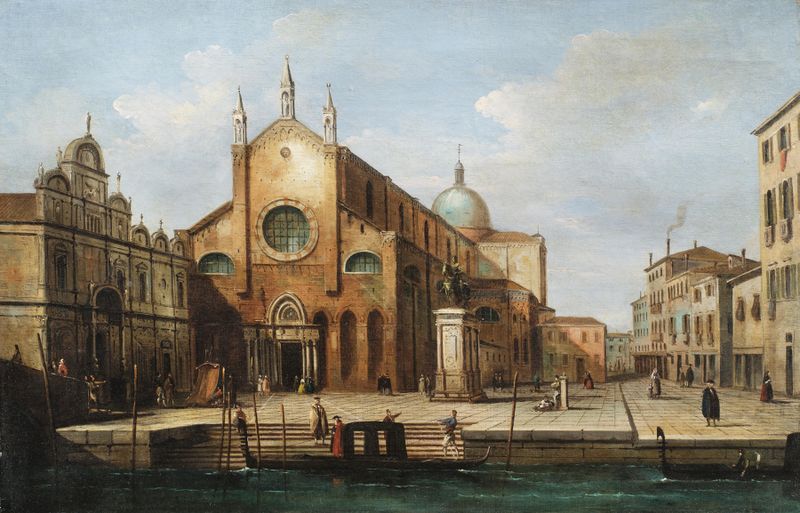
Venice, View of Campo Santi Giovanni e Paolo and the Scuola Grande di San Marco
Giuseppe Bernardino Bison
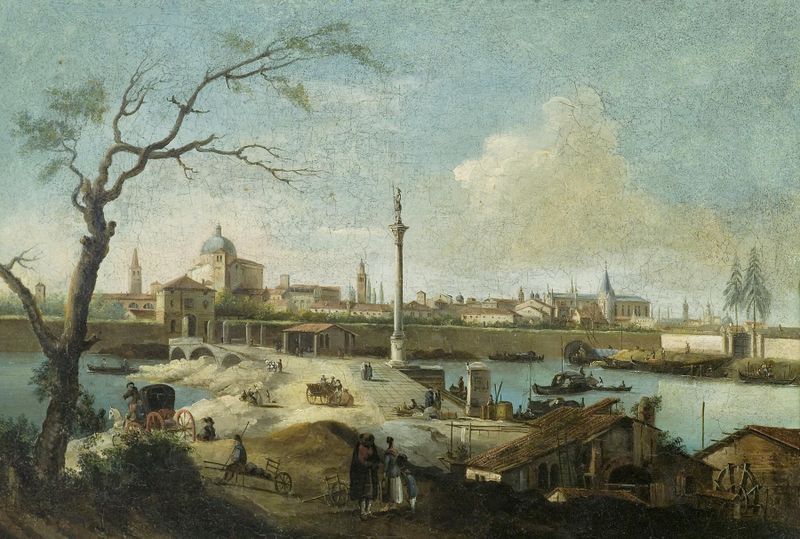
Capriccio mit der Ansicht von Padua
Giuseppe Bernardino Bison
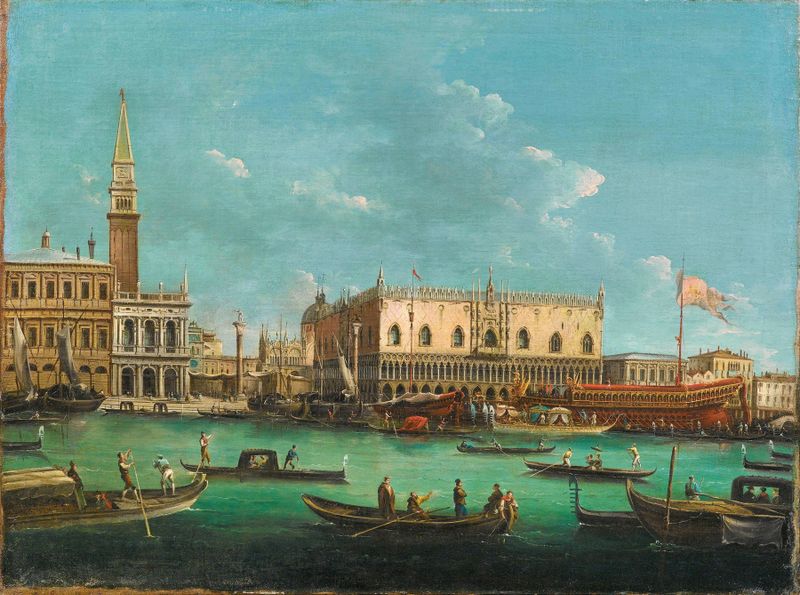
The Bucintoro at the Molo, Venice, on Ascension Day
Giuseppe Bernardino Bison
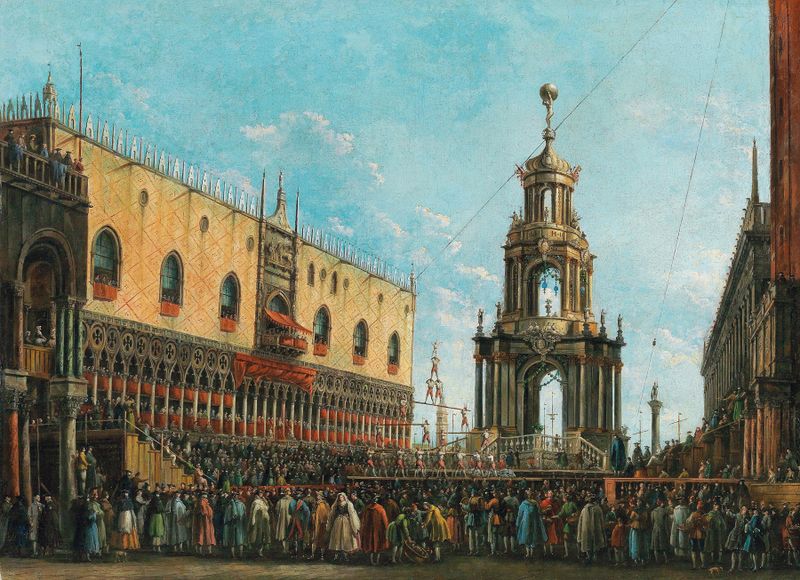
The ‘Giovedi Grasso’ Festival before the Ducal Palace in Venice
Giuseppe Bernardino Bison
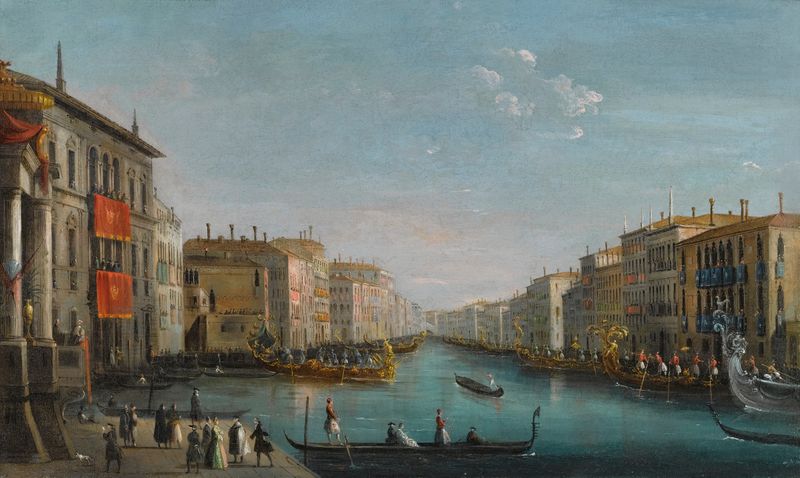
Venice, A View Of The Grand Canal From The Palazzo Balbi Looking Toward The Rialto Bridge With A Regata
Giuseppe Bernardino Bison
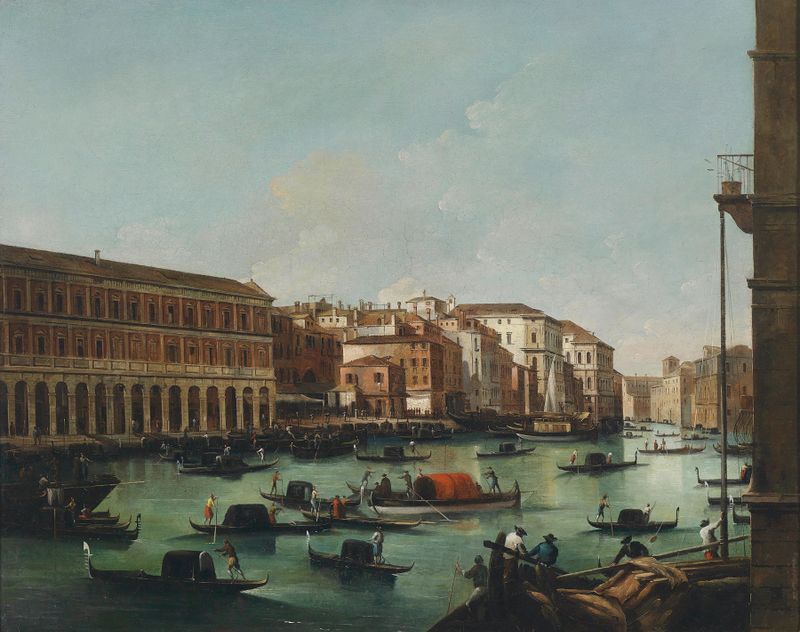
Venedig Canal Grande mit Fabbriche Nuove
Giuseppe Bernardino Bison
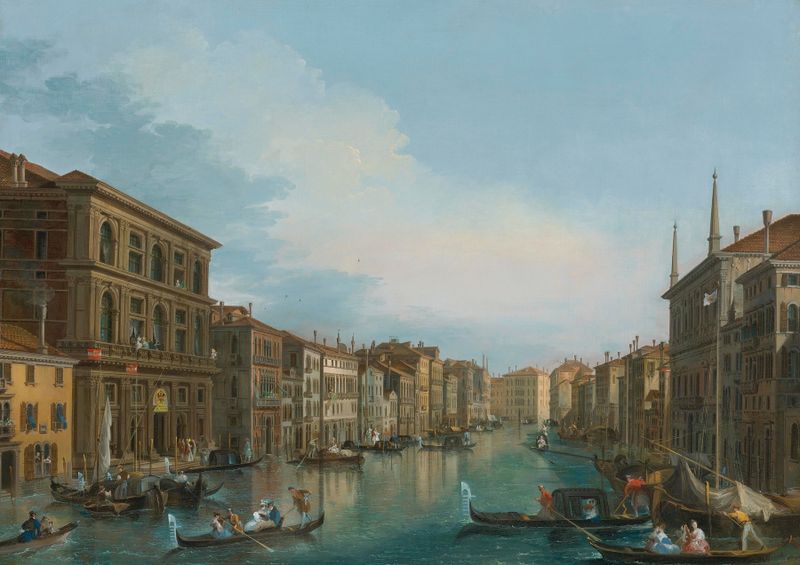
View Of The Grand Canal From The Palazzo Grimani
Giuseppe Bernardino Bison





