
Venise — History & Facts
Where does light end, and longing begin? In the delicate interplay of color and form, Venise evokes a haunting tension that lingers in the air, asking us to confront the violence of our own desires. Focus first on the brilliant reflections dancing across the water's surface, a shimmering blue that captures both the vibrancy and fragility of Venice. The delicate brushstrokes create a sense of movement, inviting your gaze to trace the contours of the distant buildings, their façades softened by the haze of twilight. Notice how the warm hues of sunset spill over the horizon, casting an ethereal glow that juxtaposes the coolness of the water below—the duality of serenity and restlessness encapsulated within a single frame. There is violence in the quiet elegance of this scene, an emotional undercurrent suggesting the struggle between beauty and transience.
The visible wear on the canvas hints at the passage of time, while the muted figures—almost ghostlike—emphasize absence amidst the splendor, reflecting the longing for connection in a world that feels both intimate and distant. Each element seems to whisper secrets of bygone eras, where love was lost as easily as light fades at dusk. Félix Ziem painted Venise during a period marked by rapid artistic transformation in the 19th century, while living in Paris and often visiting Venice. It was a time when artists began to explore new techniques and subjects, seeking to capture the essence of their surroundings.
Ziem, a master of luminism, was deeply influenced by the changing light of the canals, which inspired him to create works that celebrate the interplay of color and emotion amidst a society grappling with modernity.
More Artworks by Félix Ziem
Browse all →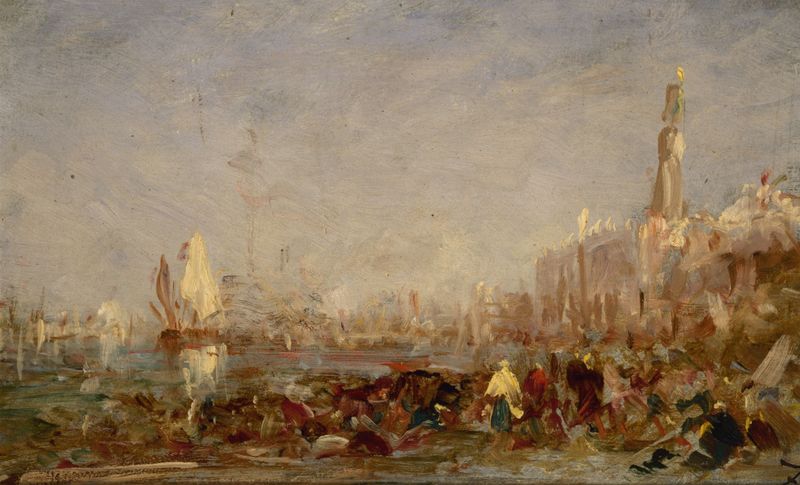
Venise
Félix Ziem
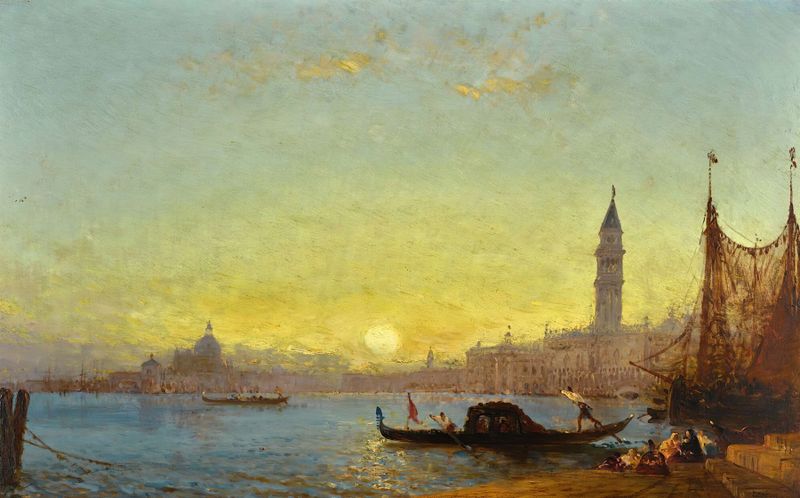
Coucher De Soleil À Venise
Félix Ziem
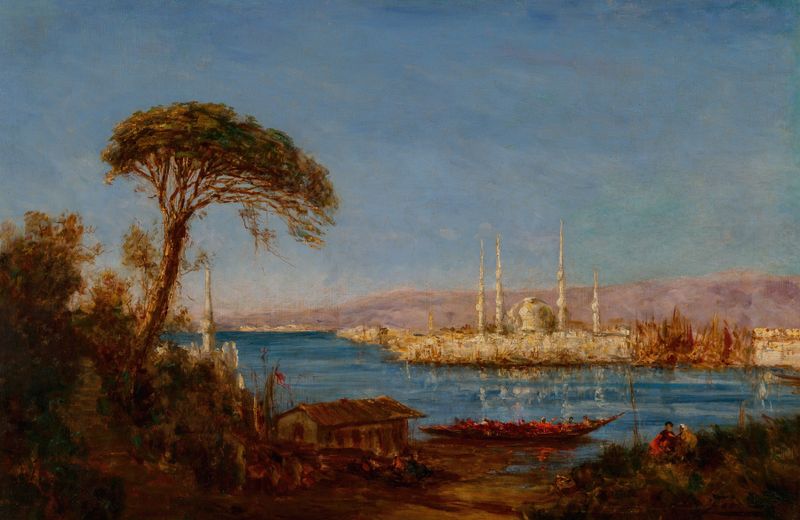
Constantinople
Félix Ziem
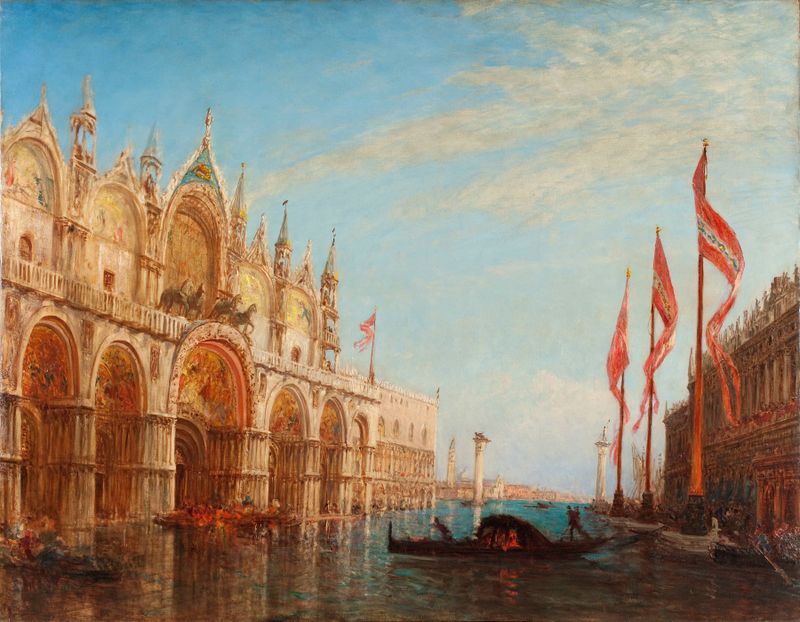
La place Saint-Marc, inondation de 1863
Félix Ziem
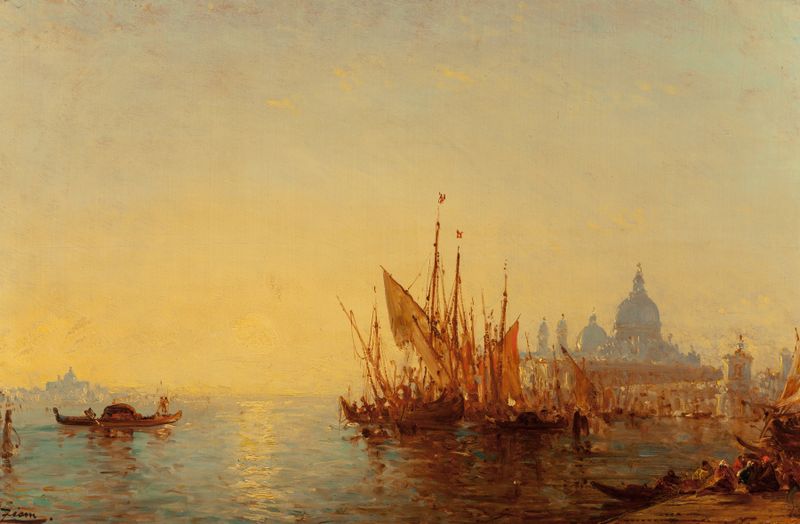
Bacino di San Marco
Félix Ziem
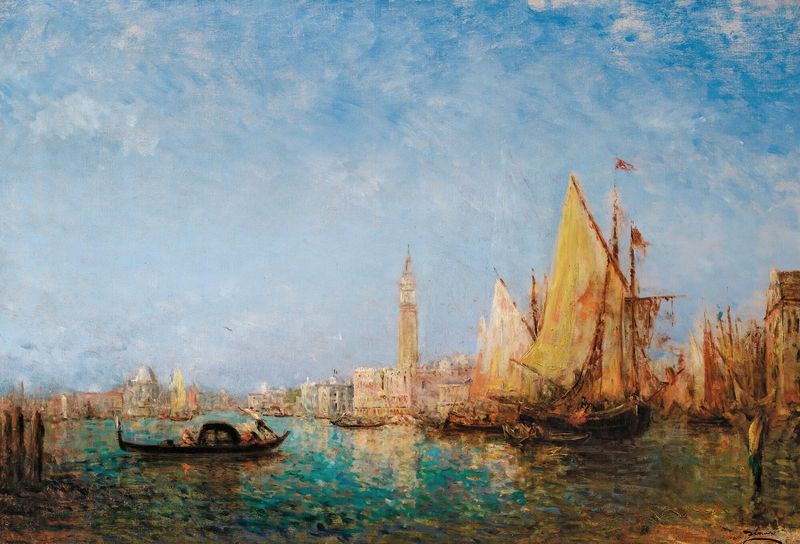
Le Palais Du Doge, Venise
Félix Ziem
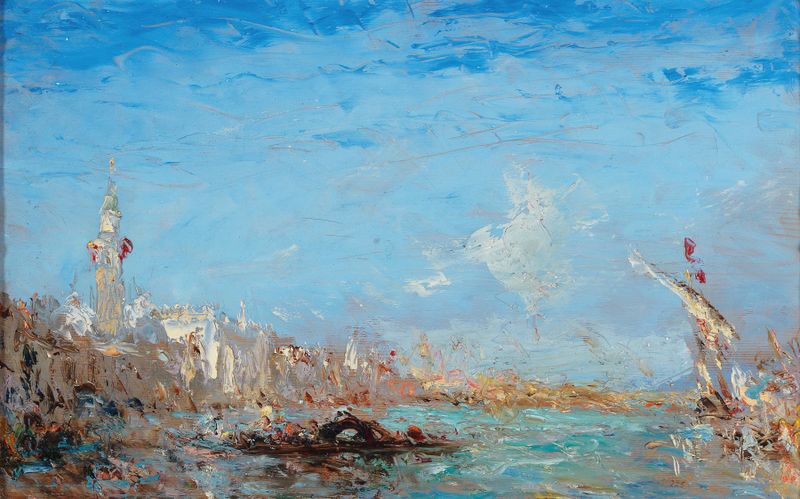
Canal Grande
Félix Ziem
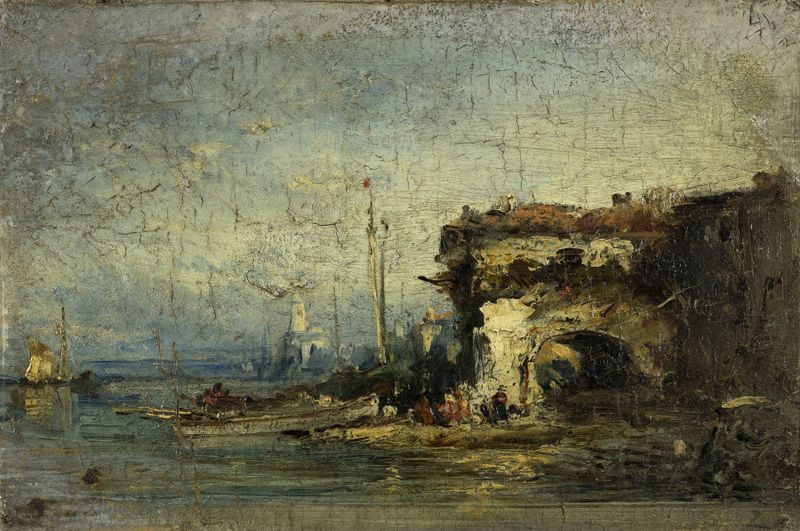
Vue d’Italie; la vieille porte
Félix Ziem
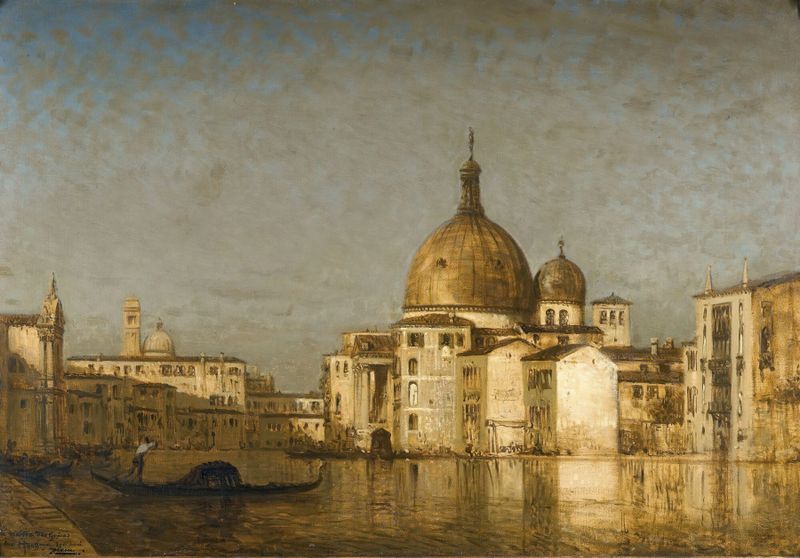
San Simeone Piccolo Au-Delà Du Grand Canal, Venis
Félix Ziem
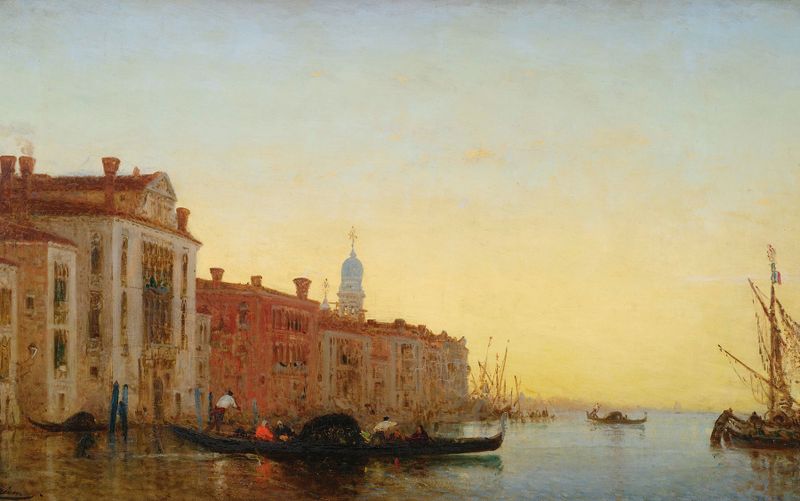
Gondole Traversant L’entrée Du Grand Canal
Félix Ziem





