
Verdict on Matejko — History & Facts
In a rare twist of artistic fate, Verdict on Matejko by Jan Matejko is not just a painting of history—it is a painting about history’s painter. Created in 1867, this work turns the gaze inward: Matejko himself becomes the subject, as he faces the judgment of his academic peers. The painting captures a real moment of contention in Polish art circles, when Matejko’s bold historical canvases divided critics and professors at the Kraków Academy.
Here, the artist stages his own trial, both literal and symbolic, at a time when questions of national identity and artistic direction were fiercely debated in partitioned Poland. The scene unfolds in a somber chamber, where a group of stern-faced academicians deliberate over the fate of a young painter—Matejko himself, seated at the center, his gaze unwavering. The jury's hands hover over a portfolio of sketches, some gesturing in approval, others in doubt, while a shaft of light isolates the artist from his judges, underscoring his isolation and resolve. The tension is palpable: will tradition prevail, or will innovation find its champion? The painting’s composition recalls Rembrandt’s group portraits, such as The Syndics, but here the focus is not on collective authority, but on the lonely courage of the creator under scrutiny.
Each figure’s expression, each folded document, becomes a cipher for the era’s anxieties about art, nationhood, and the power of the individual. The physical history of Verdict on Matejko is less well documented than that of the artist’s grand historical canvases. It is not clear for whom the painting was originally intended, nor is the medium firmly established, though its style and palette place it squarely in Matejko’s early period, just before his celebrated works like Stańczyk and The Battle of Grunwald. Today, the painting is recognized as a rare self-referential gesture in Matejko’s oeuvre, offering insight into the pressures he faced as a young artist.
Its journey through collections is uncertain, but it stands as a testament to the self-awareness and ambition that would soon make Matejko the defining painter of Polish history.
More Artworks by Jan Matejko
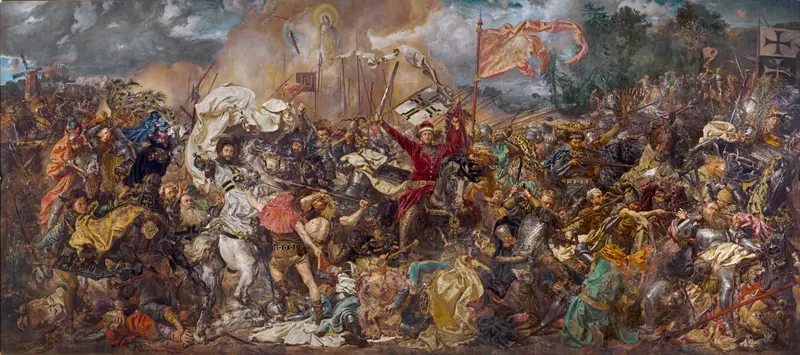
Battle of Grunwald
Jan Matejko

Stańczyk
Jan Matejko

Battle of Raclawice
Jan Matejko
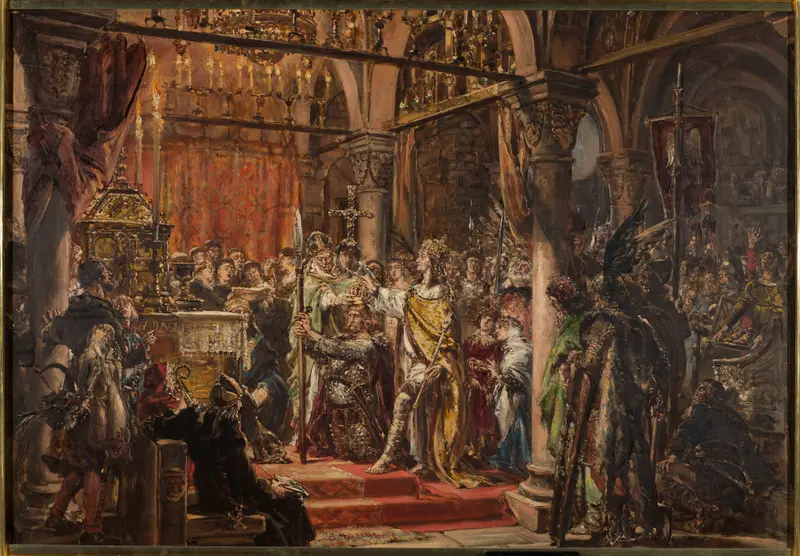
Coronation of the First King, 1001 AD, from the series “History of Civilization in Poland”
Jan Matejko
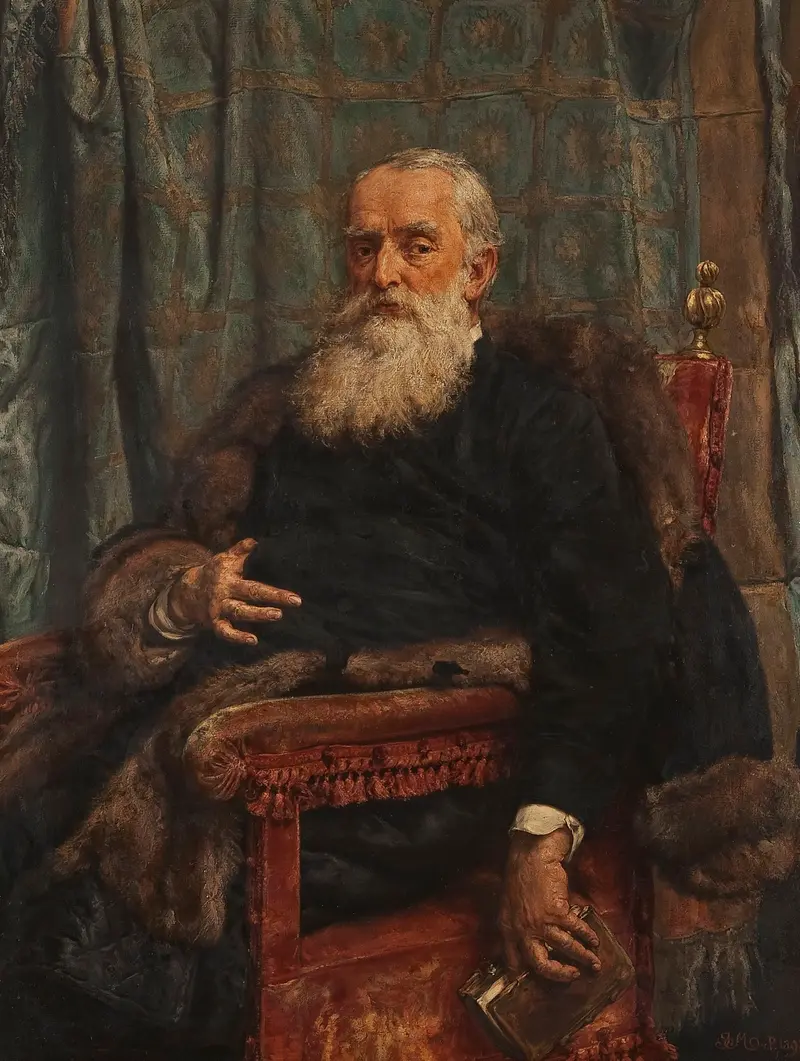
Portrait of Henryk Krajewski
Jan Matejko
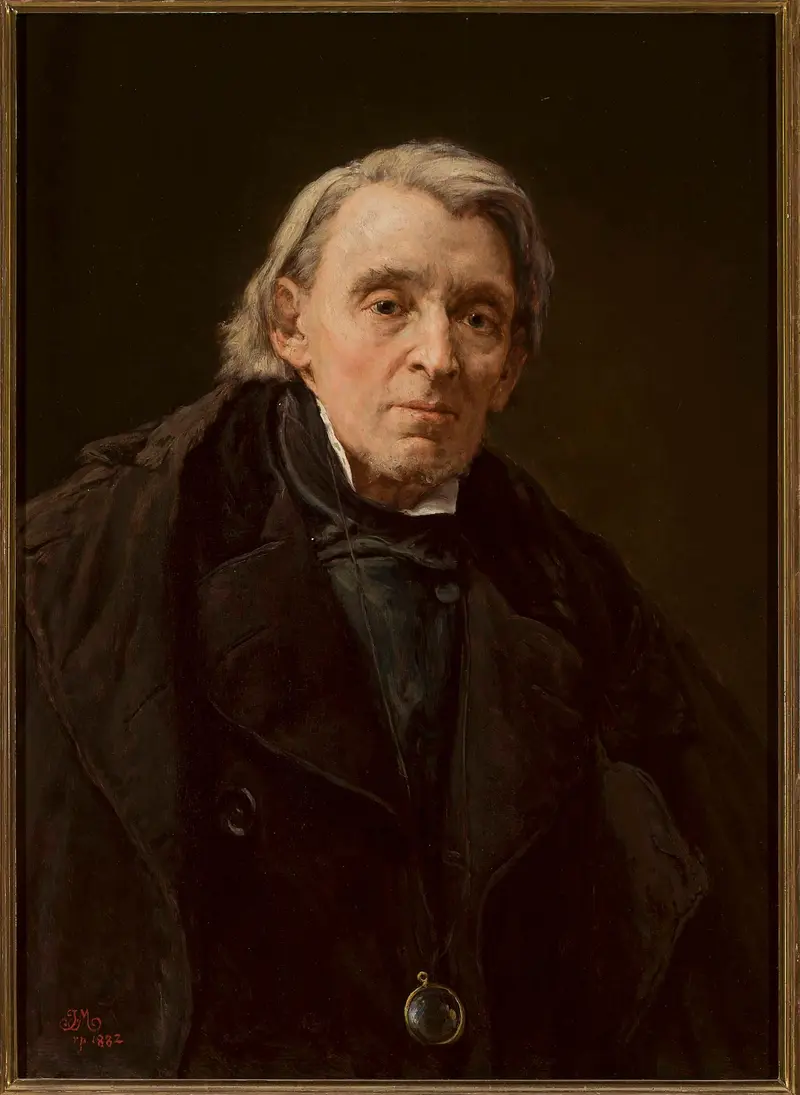
Portrait of Karol Podlewski
Jan Matejko
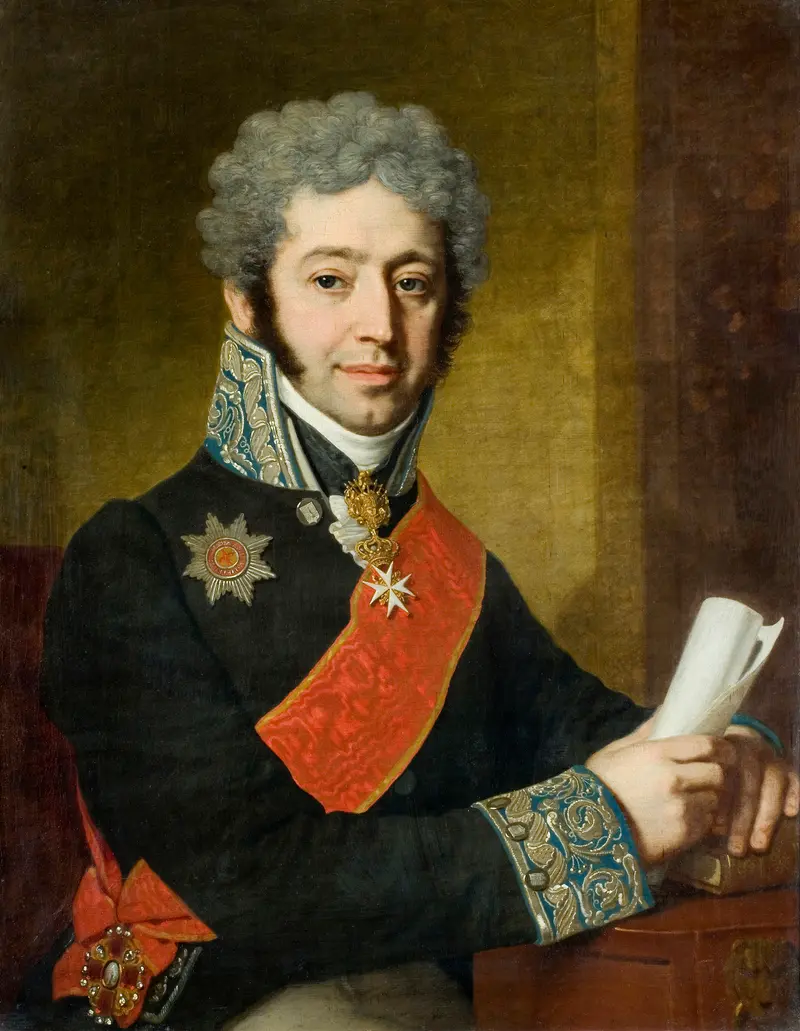
Portrait of Potocki and Poninski
Jan Matejko
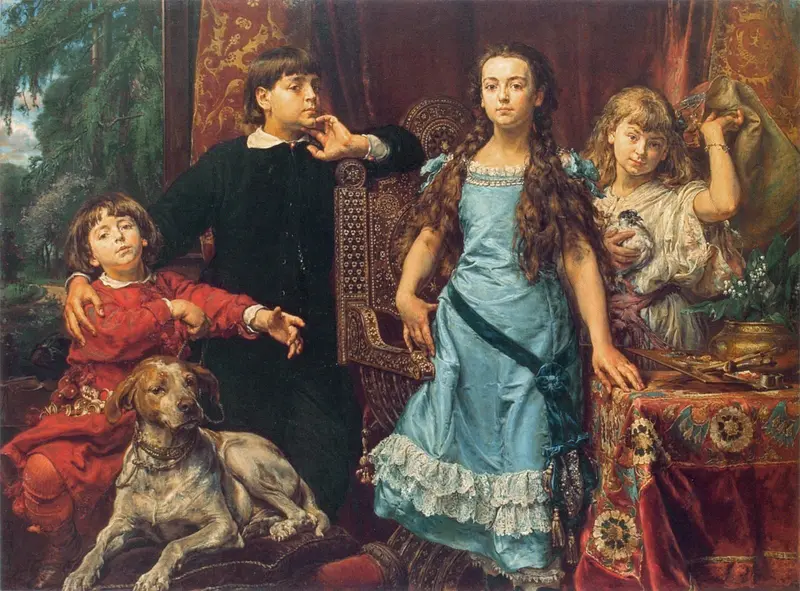
Portrait of the artist's four children
Jan Matejko
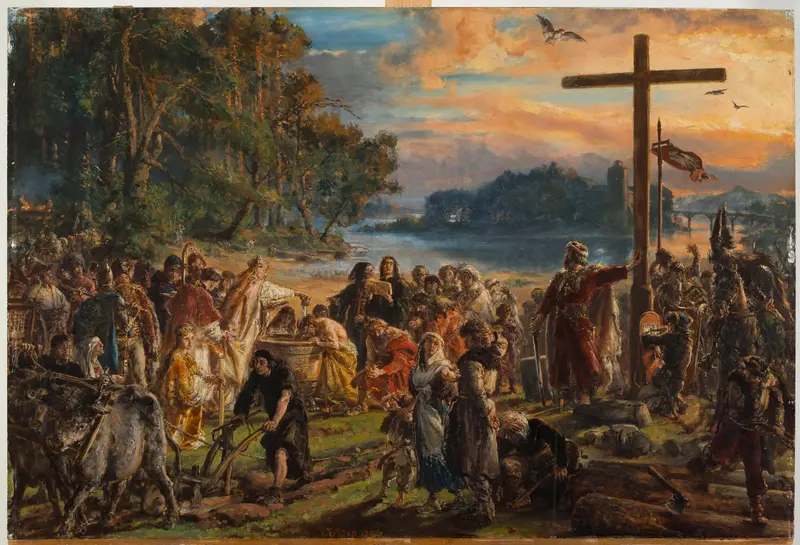
Introduction of Christianity in Poland
Jan Matejko
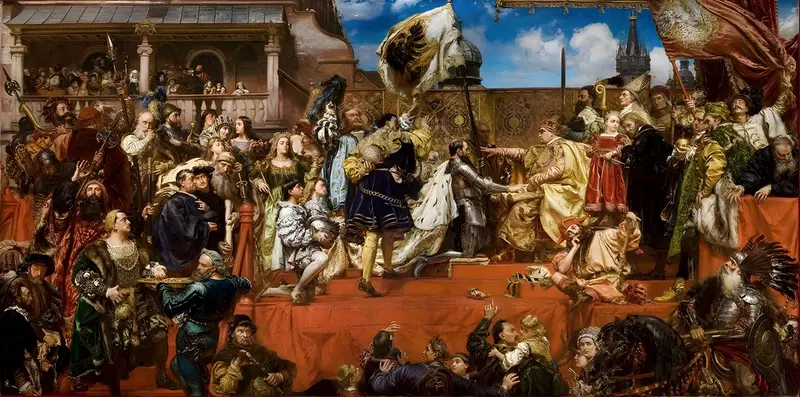
Prussian Homage
Jan Matejko





