
Verger au Printemps — History & Facts
In Verger au Printemps, Gustave Loiseau presents a lively spring landscape filled with blossoming trees and vibrant greenery. The colors are bright and cheerful, with various shades of green and splashes of pink and white from the flowers. The scene is peaceful, inviting viewers to imagine the gentle warmth of spring.
The composition draws the eye through the trees, creating a sense of depth and tranquility. The painting is executed in oil on canvas, a medium that allows for rich color and texture. Loiseau's brushwork is loose and fluid, characteristic of the Impressionism style, which emphasizes the effects of light and atmosphere. The artist captures the essence of spring with quick, expressive strokes that convey movement and life.
The dimensions of the artwork are approximately 60 x 80 cm, making it a medium-sized piece. Gustave Loiseau was a prominent figure in the Impressionist movement, known for his landscapes that celebrate nature. Verger au Printemps reflects his fascination with the changing seasons and the beauty of rural life. An interesting fact about this work is that it showcases Loiseau's unique ability to blend color and light, creating a vibrant atmosphere that feels alive.
His works are often celebrated for their emotional resonance and connection to the natural world.
More Artworks by Gustave Loiseau

Rue de village en Normandie
Gustave Loiseau
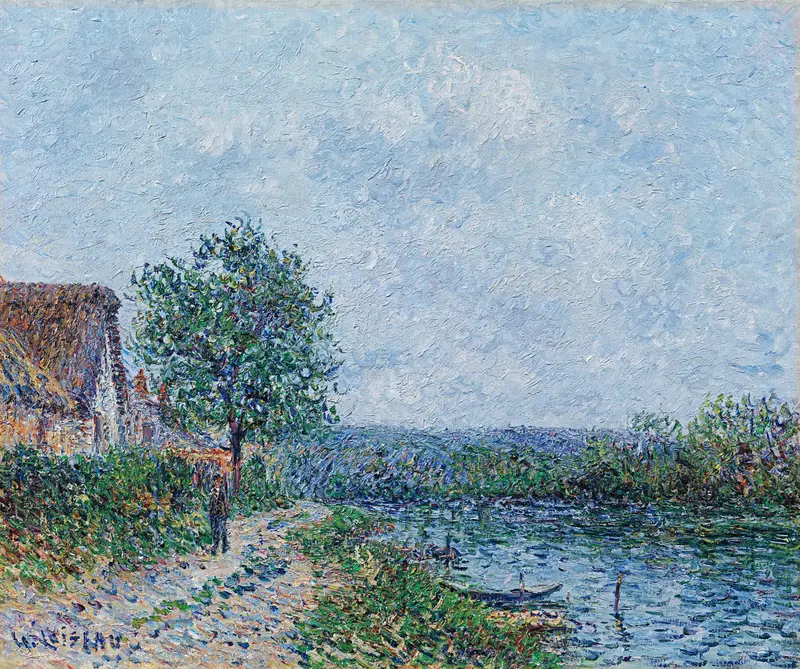
Bord de rivière, la Seine à Porte-Joie
Gustave Loiseau

La Cathédrale de Rouen
Gustave Loiseau
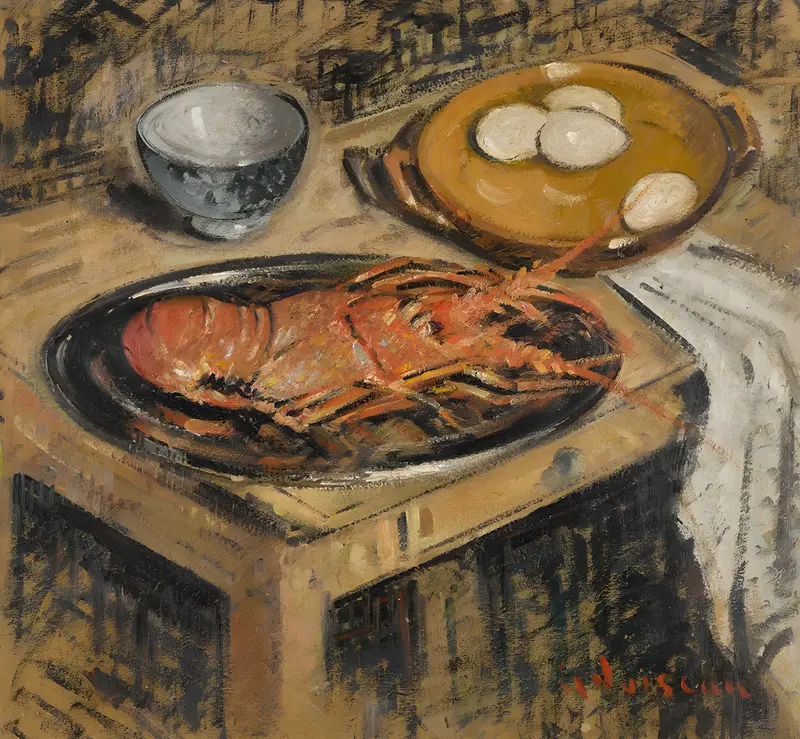
Langouste du Portugal
Gustave Loiseau
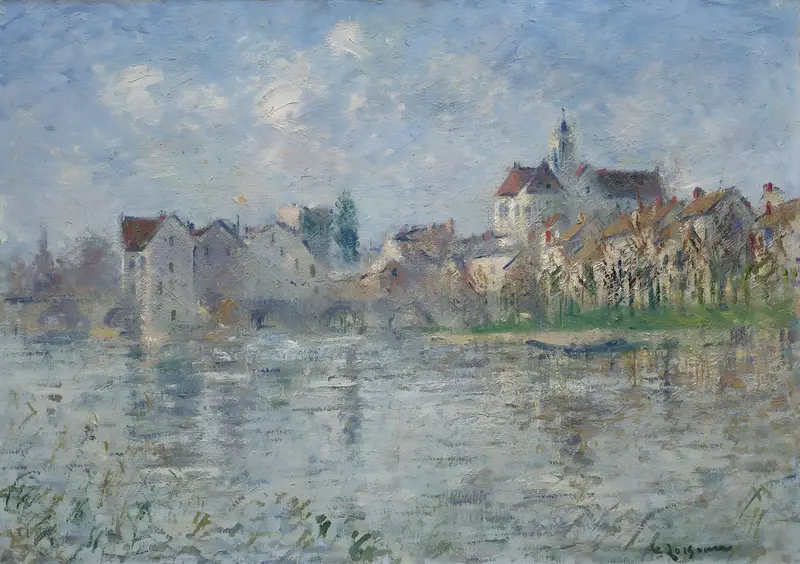
Moret-sur-Loing
Gustave Loiseau
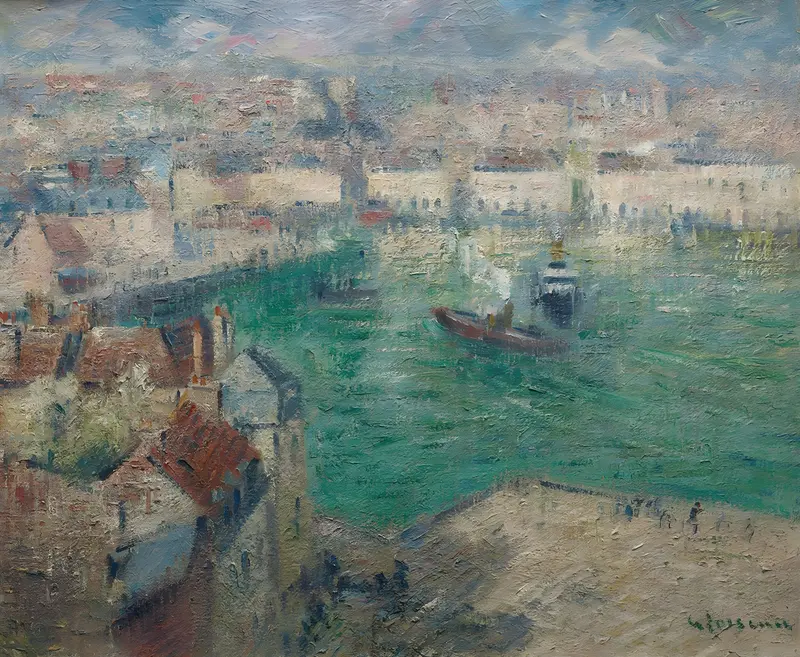
Dieppe
Gustave Loiseau
Moret-sur-Loing
Gustave Loiseau
Moret-sur-Loing
Gustave Loiseau
Moret-sur-Loing
Gustave Loiseau
Peupliers sur les bords de l’Yonne
Gustave Loiseau
More Landscape Art

The Starry Night
Vincent van Gogh

View of Delft
Johannes Vermeer

Water Lilies
Claude Monet

The Grand Canal, Venice, looking north-west from the Ca' Corner to the Ca' Contarini degli Scrigni, with the campanile of Santa Maria della Carità
Canaletto

Windsor Castle
Canaletto

The Grand Canal looking North-East from the Palazzo Dolfin-Manin to the Rialto Bridge
Canaletto