
Verheerlijking van Maria — History & Facts
In Verheerlijking van Maria, movement becomes a vessel for memory, capturing the fleeting grace of devotion amid the constraints of time. Look to the center, where the figure of the Virgin Mary rises majestically, enveloped in a cascade of vibrant robes. The flowing lines of her garments are a deliberate contrast against the solid, unyielding backdrop. This dynamic composition breathes life into the otherwise static scene, as her gentle gaze and slightly upturned posture suggest a transcendence that draws the viewer into a moment suspended between the earthly and the divine. Beneath the surface, a rich tapestry of meaning unfolds.
The swirling drapery around Mary symbolizes the movement of faith through history, while the angels flanking her represent the celestial forces affirming her sanctity. Each figure's expression adds layers of emotion—an interplay between reverence and yearning. The vibrant hues further enhance this dynamic, evoking a sense of spiritual awakening that resonates deeply with the viewer. During the early 1500s, Dürer was at the forefront of the Northern Renaissance, immersed in the exploration of humanist themes and meticulous detail in his work.
Painting Verheerlijking van Maria within this context, he sought to merge his artistic innovation with profound religious narratives, reflecting the era’s growing complexity in both faith and art. This piece stands as a testament to his mastery and his ability to convey deep spiritual truths through the movement of form and color.
More Artworks by Albrecht Dürer
Browse all →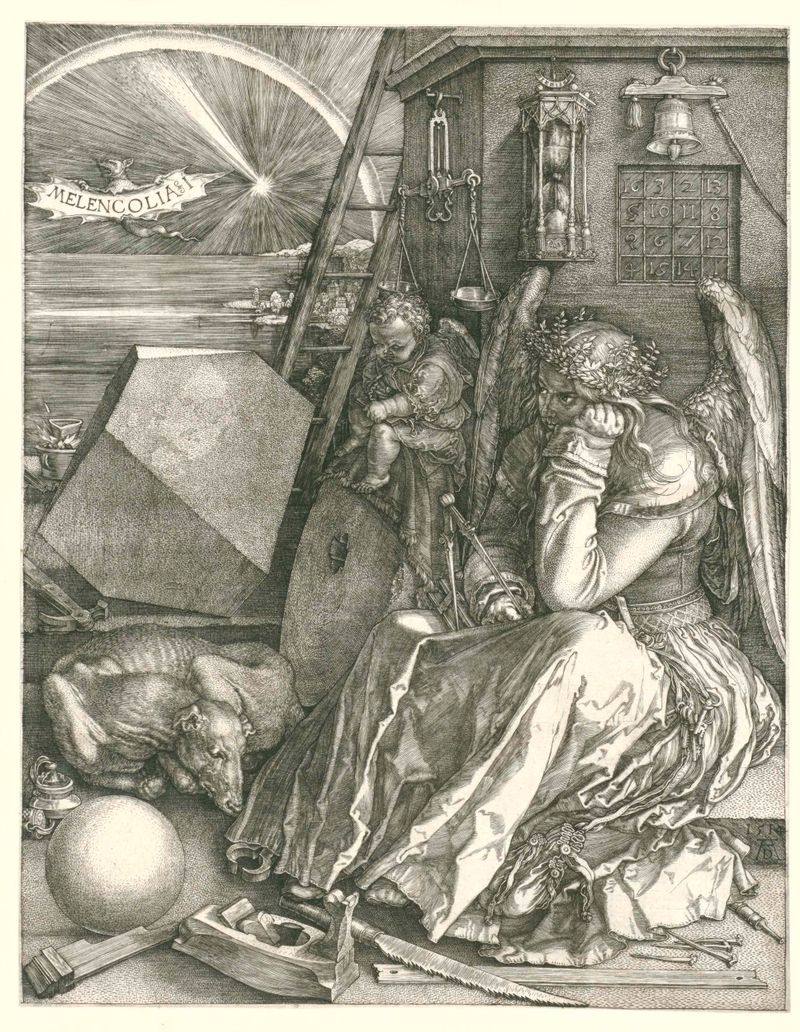
Melancholia
Albrecht Dürer
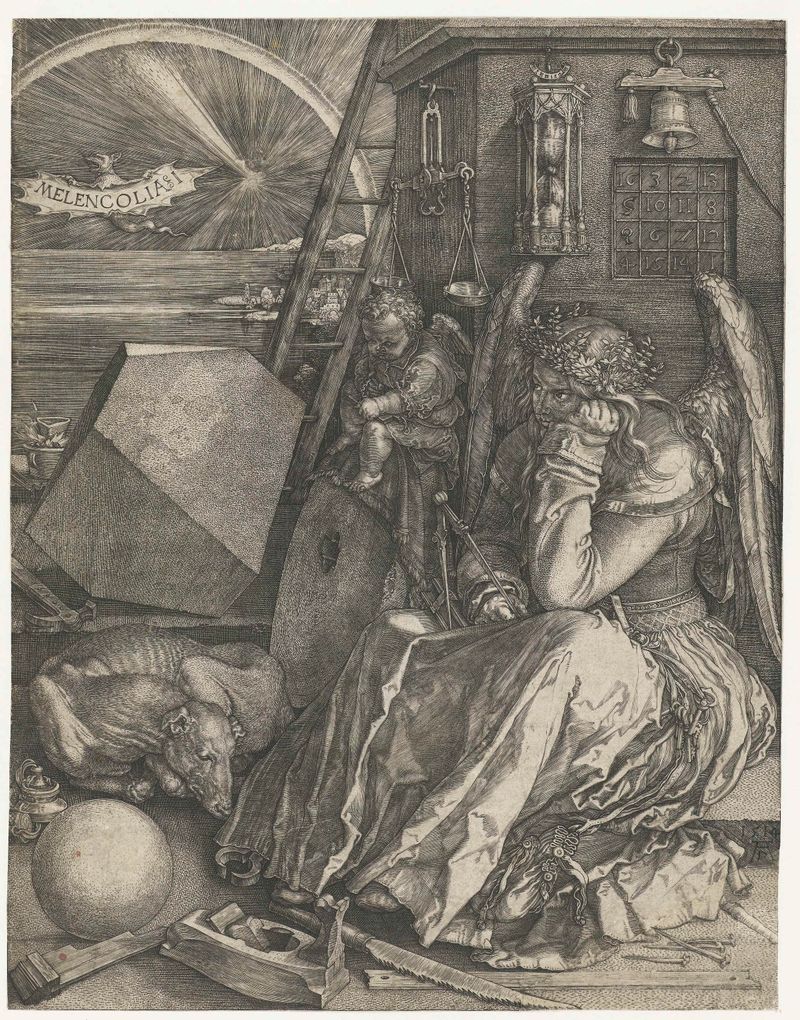
Melancholie
Albrecht Dürer
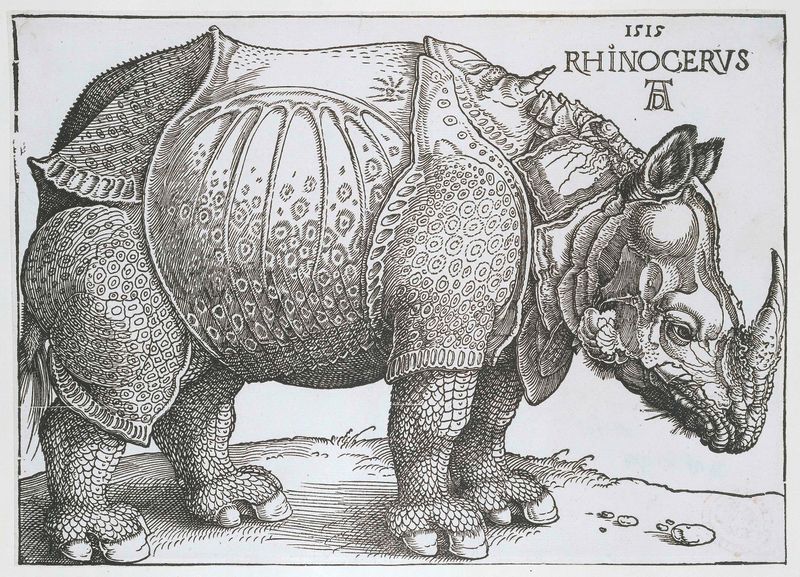
Neushoorn
Albrecht Dürer
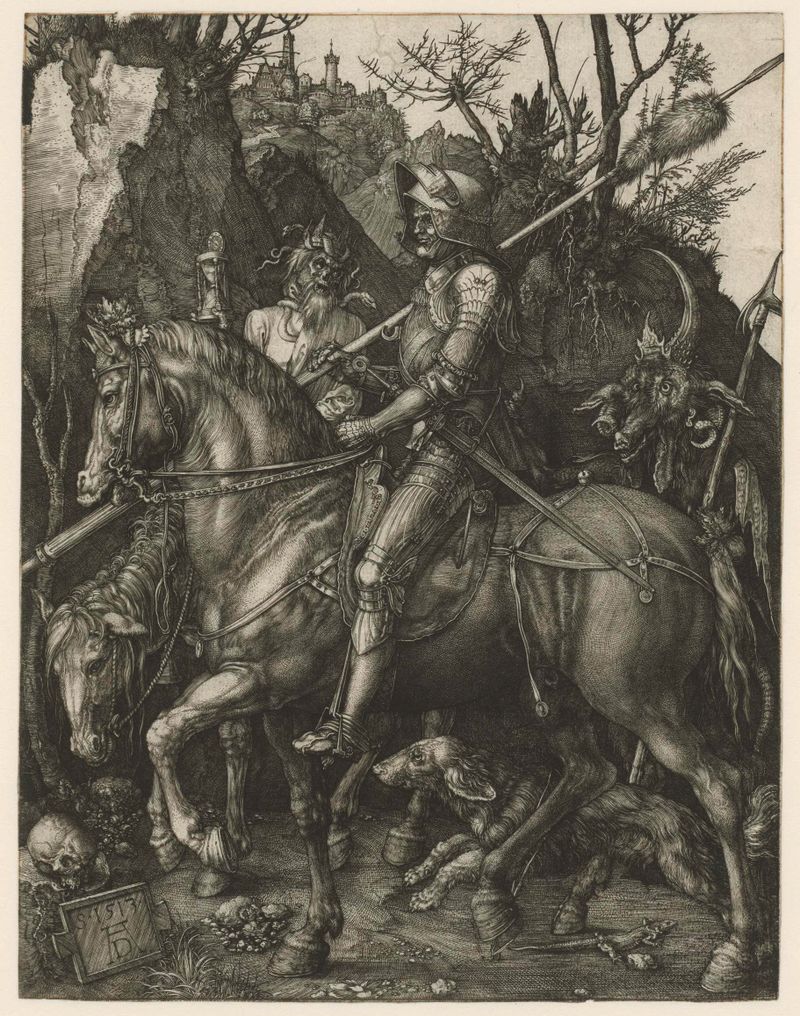
Knight, Death, and the Devil
Albrecht Dürer

De vier ruiters van de apocalyps
Albrecht Dürer

De vier ruiters van de apocalyps
Albrecht Dürer
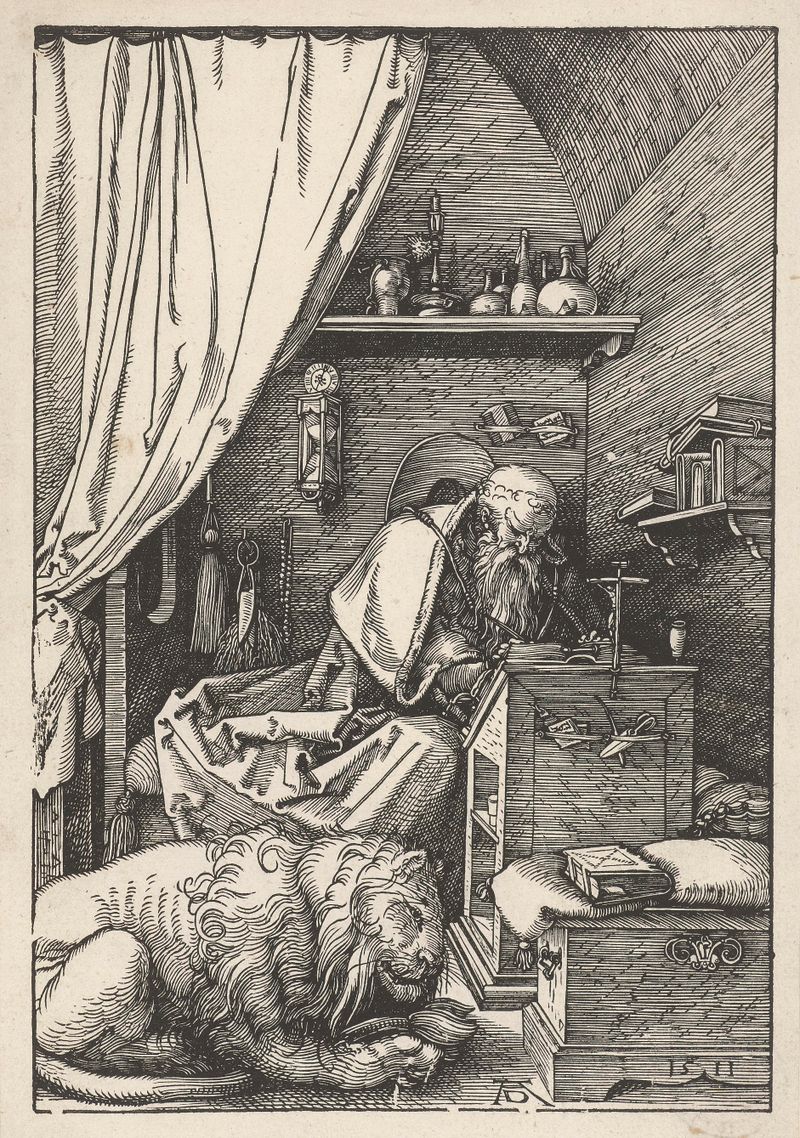
De Heilige Hiëronymus in zijn studeervertrek
Albrecht Dürer
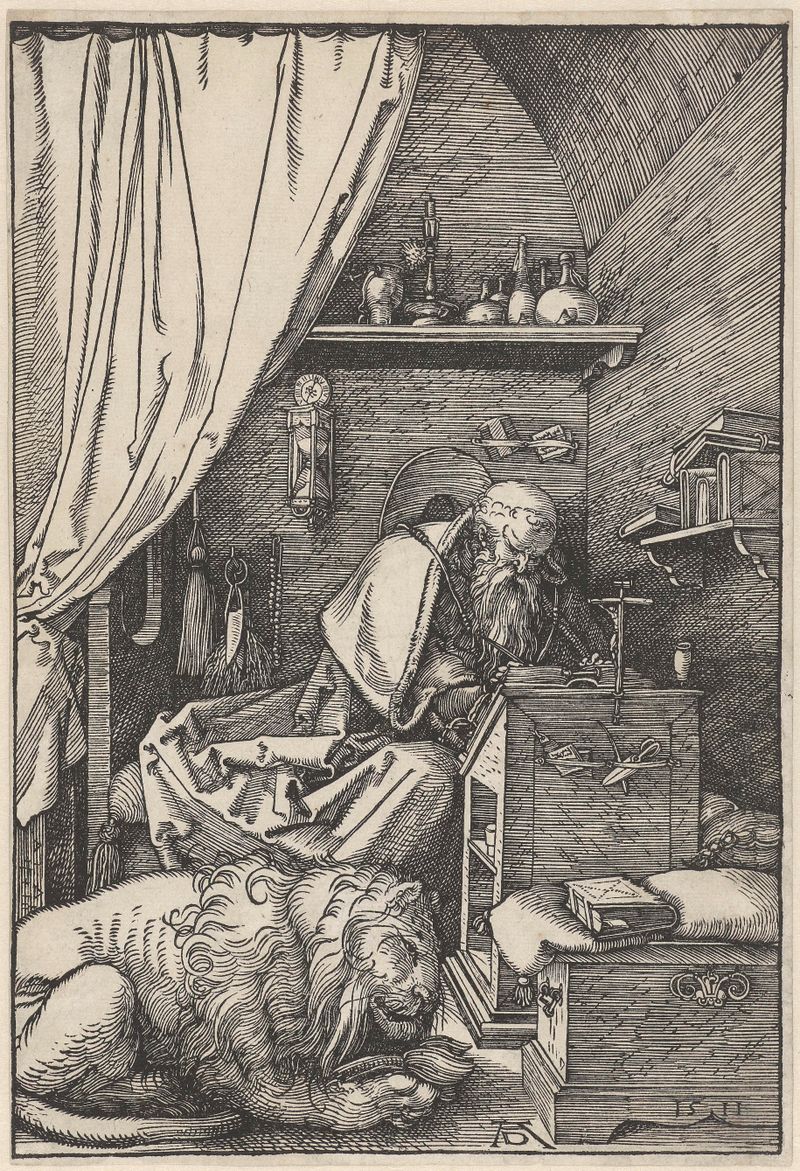
De Heilige Hiëronymus in zijn studeervertrek
Albrecht Dürer
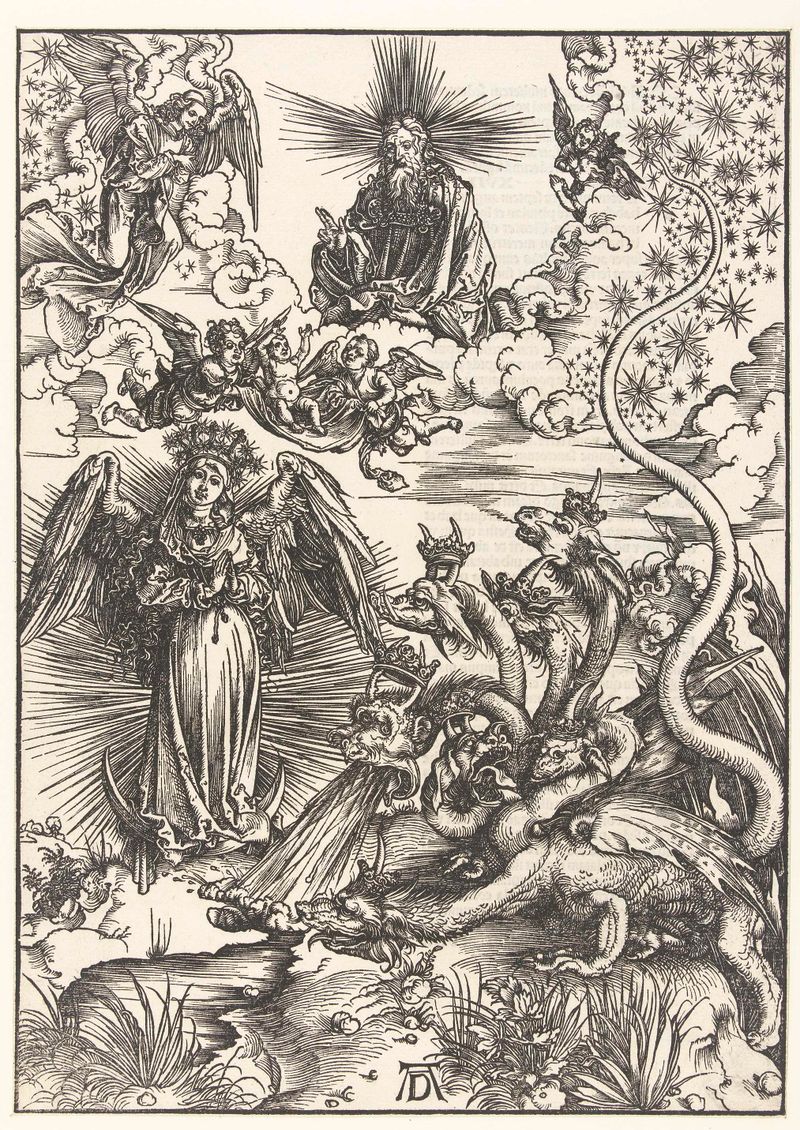
De apocalyptische vrouw en de zevenkoppige draak
Albrecht Dürer
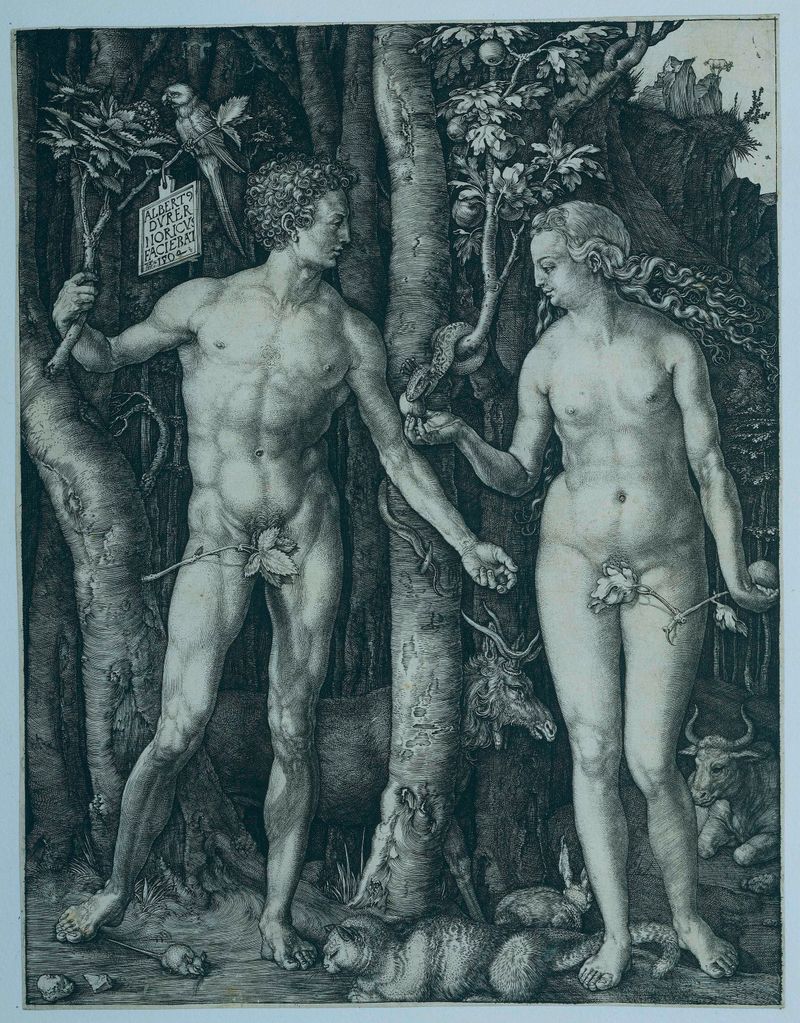
Adam en Eva
Albrecht Dürer
More Religious Art
Browse all →
The Return of the Prodigal Son
Rembrandt van Rijn

The Garden of Earthly Delights
El Bosco

Count Orgaz’ funeral
El Greco

The Hundred Guilder Print: the central piece with Christ preaching, the plate arched
Rembrandt van Rijn

The Descent from the Cross
Rogier van der Weyden

The return of the prodigal son
Rembrandt van Rijn