
Verheerlijking van Maria — History & Facts
Can beauty exist without sorrow? In Albrecht Dürer’s Verheerlijking van Maria, innocence radiates through a masterful interplay of light and form, evoking profound contemplation on the nature of sanctity. The delicate balance of joy and mourning unfolds on the canvas, drawing the viewer into a world where purity is both exalted and questioned. Look to the center, where the Virgin Mary is depicted with an ethereal glow, her graceful figure draped in flowing garments that shimmer with intricate detail. Notice how Dürer employs a soft palette of blues, whites, and golds that gracefully blend, creating a halo of divinity around her.
The elaborate background, a tapestry of ethereal clouds and distant heavenly figures, frames this central figure, guiding your gaze to the serene expression that belies the weight of her role. Beyond the surface beauty lies a poignant tension. The thoughtfully rendered faces of angelic figures surrounding her reflect a spectrum of emotions, merging awe with the fragile understanding of sacrifice. The juxtaposition of innocence against the looming shadows of sorrow hints at the sacrifices inherent in motherhood and divine purpose, prompting a reflection on the often-unseen burdens that accompany grace. Dürer created Verheerlijking van Maria between 1500 and 1504, during a period of personal and artistic transformation.
Working in Nuremberg, he was emerging as a key figure of the Northern Renaissance, grappling with the complexities of faith and human experience. This painting reflects not only his mastery of technique but also the broader spiritual and cultural shifts occurring in Europe at the dawn of the Reformation.
More Artworks by Albrecht Dürer
Browse all →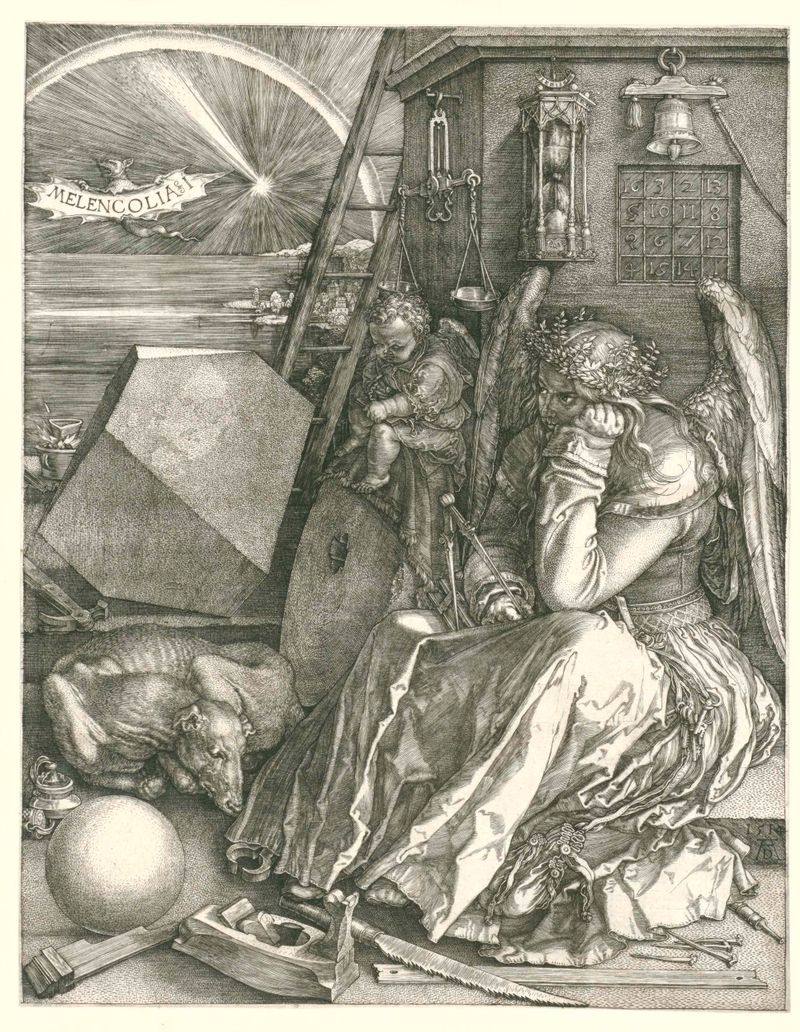
Melancholia
Albrecht Dürer
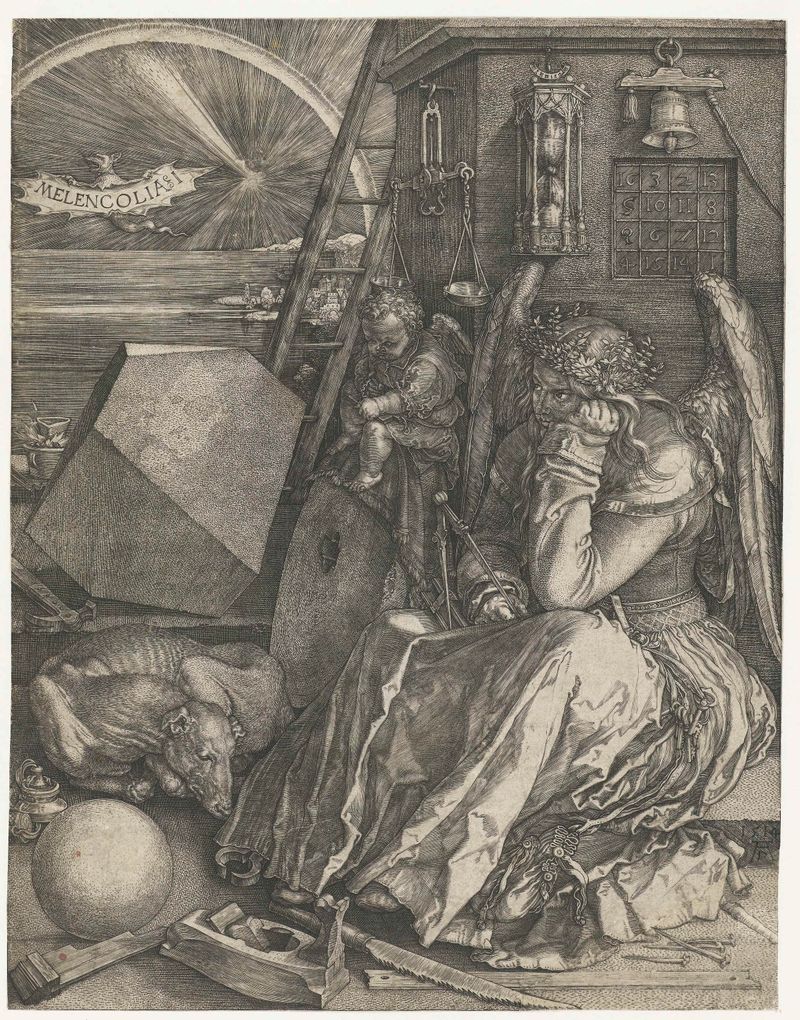
Melancholie
Albrecht Dürer
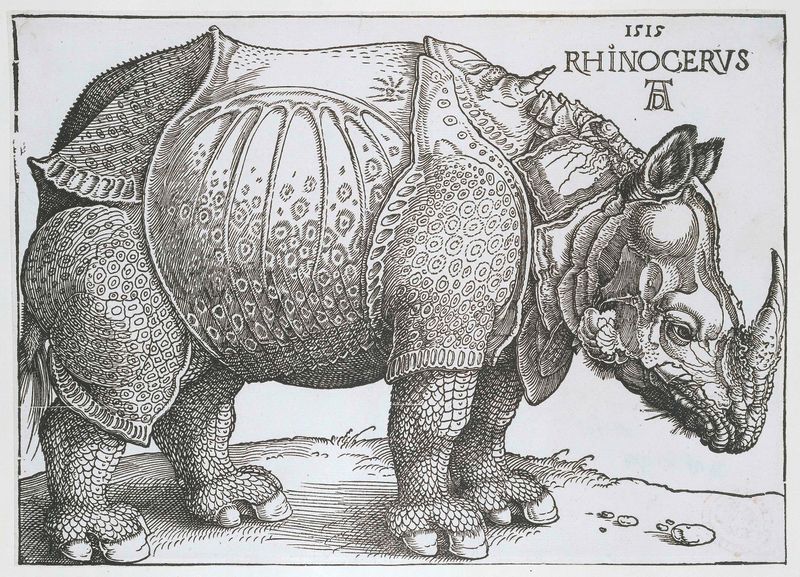
Neushoorn
Albrecht Dürer
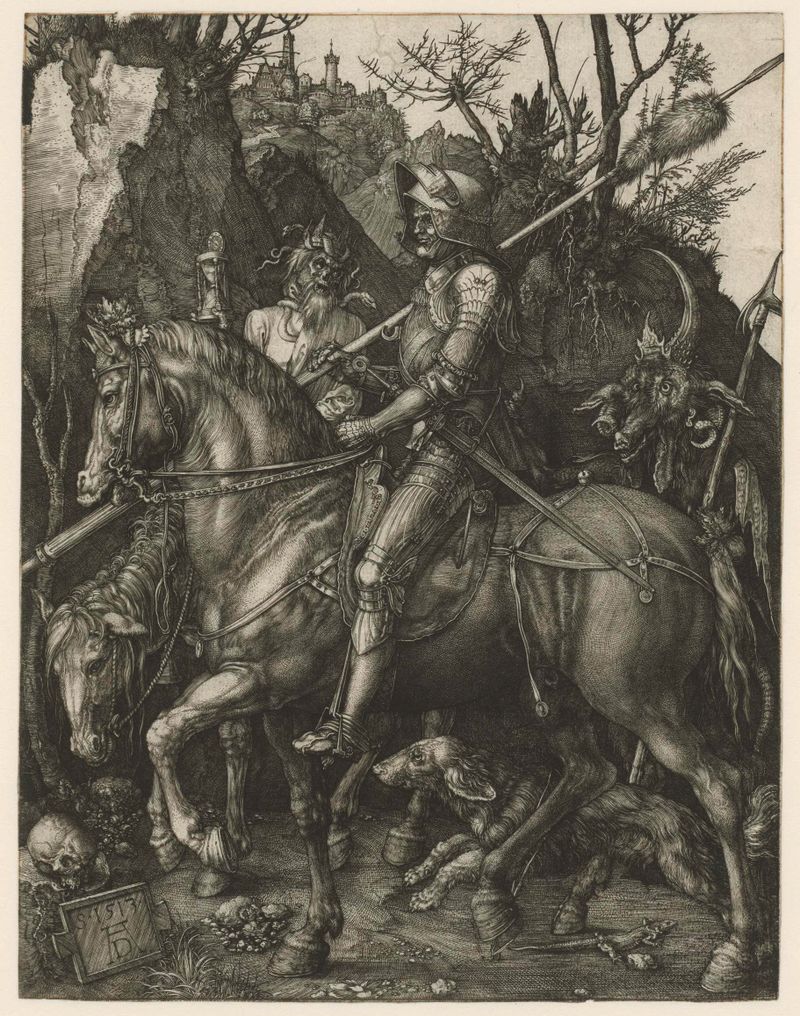
Knight, Death, and the Devil
Albrecht Dürer

De vier ruiters van de apocalyps
Albrecht Dürer

De vier ruiters van de apocalyps
Albrecht Dürer
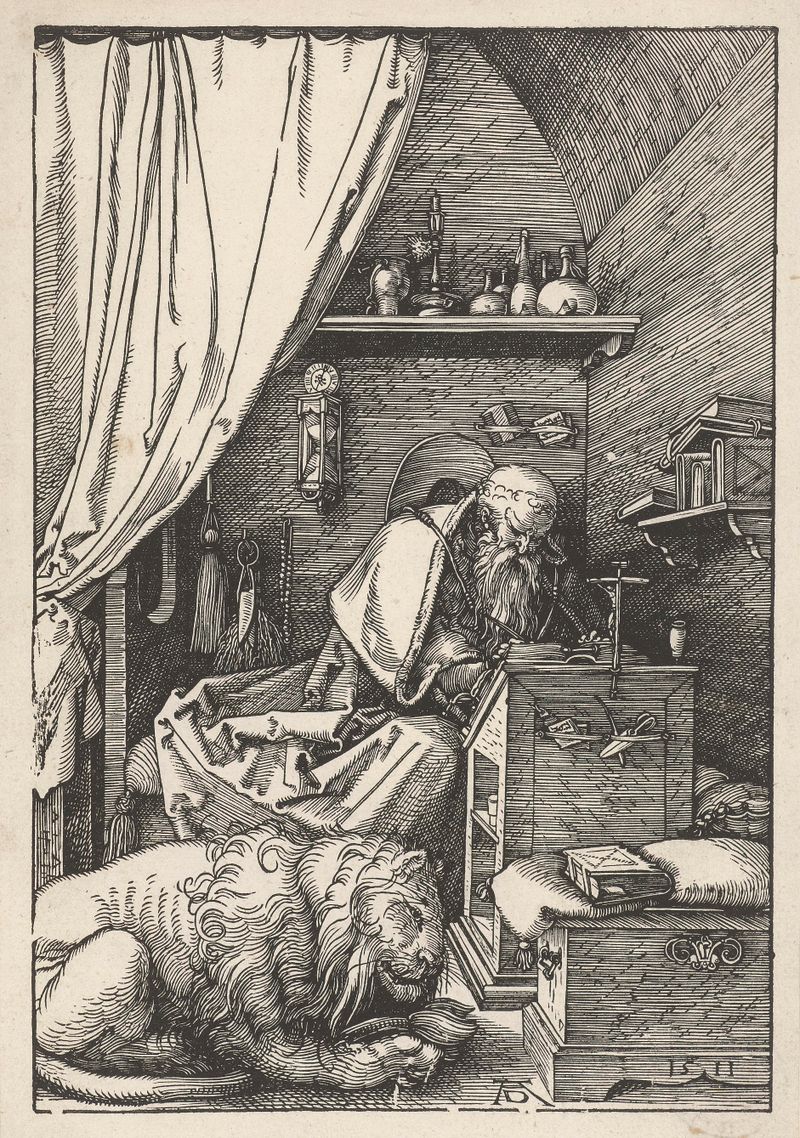
De Heilige Hiëronymus in zijn studeervertrek
Albrecht Dürer
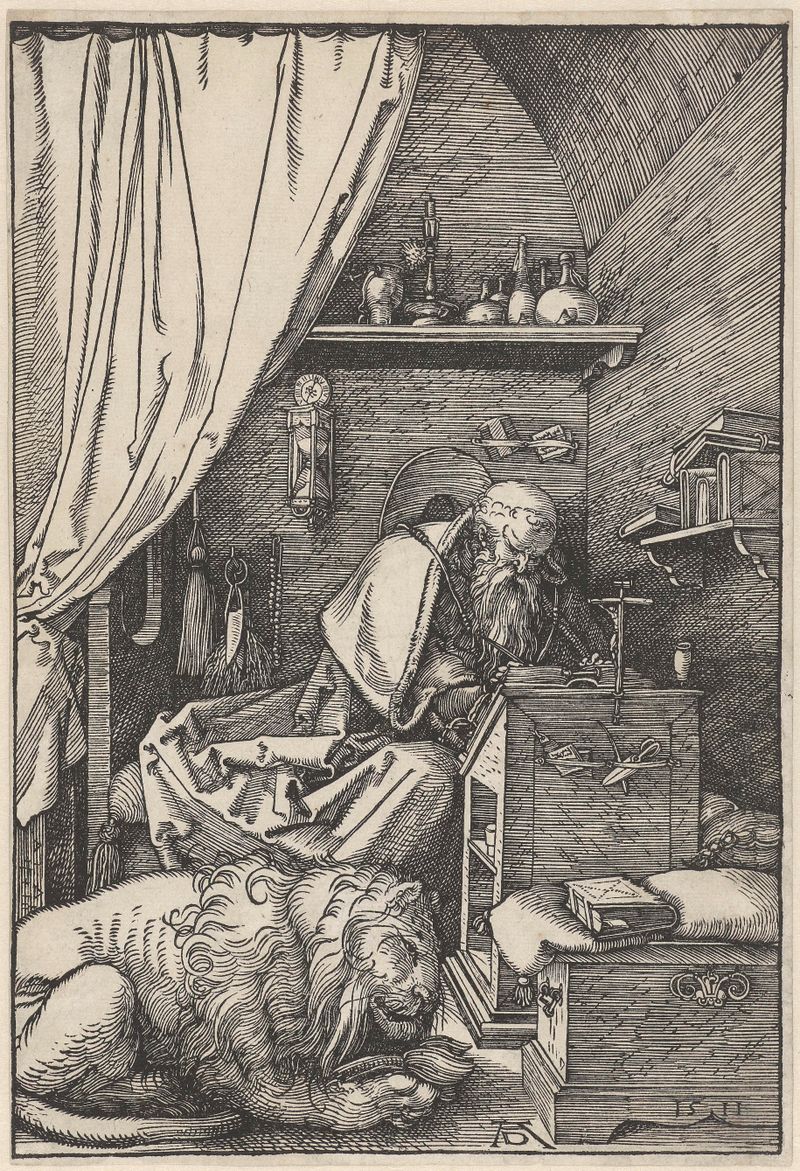
De Heilige Hiëronymus in zijn studeervertrek
Albrecht Dürer
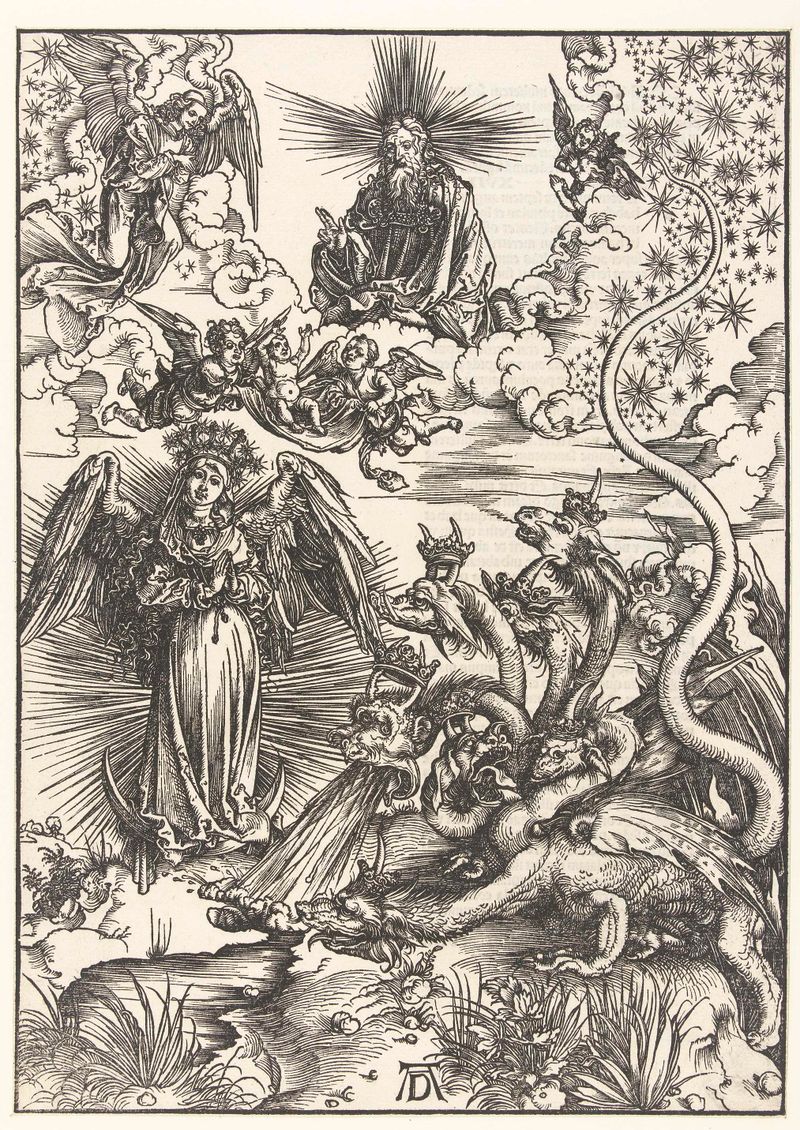
De apocalyptische vrouw en de zevenkoppige draak
Albrecht Dürer
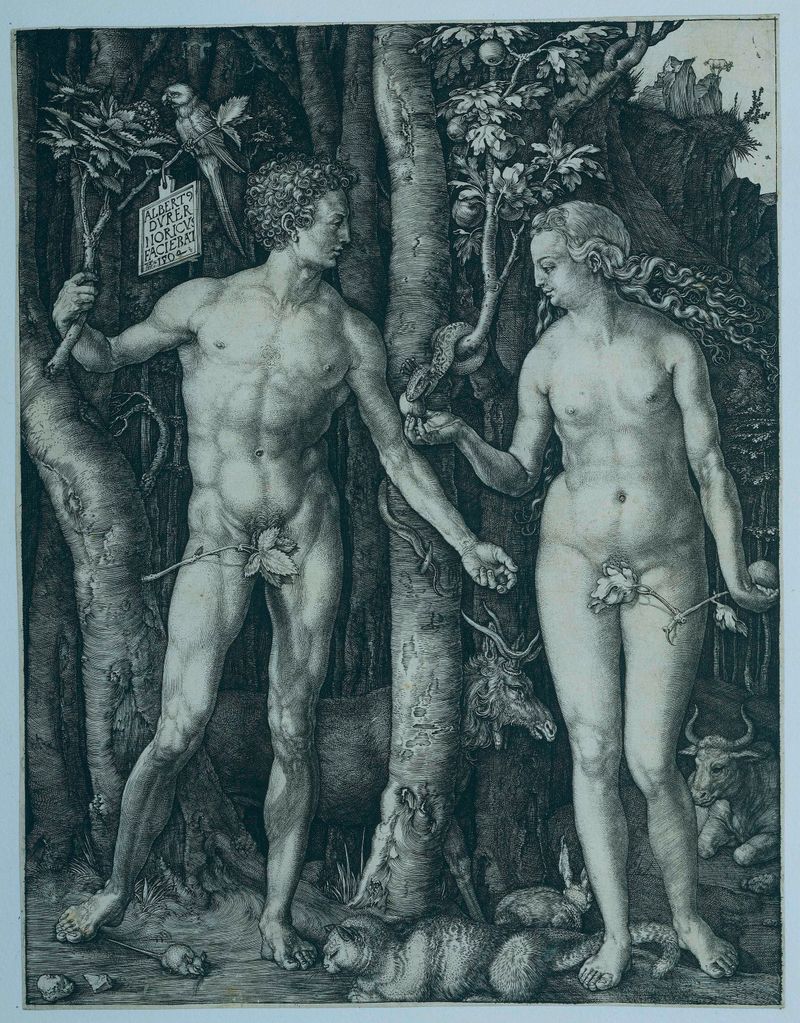
Adam en Eva
Albrecht Dürer
More Religious Art
Browse all →
The Return of the Prodigal Son
Rembrandt van Rijn

The Garden of Earthly Delights
El Bosco

Count Orgaz’ funeral
El Greco

The Hundred Guilder Print: the central piece with Christ preaching, the plate arched
Rembrandt van Rijn

The Descent from the Cross
Rogier van der Weyden

The return of the prodigal son
Rembrandt van Rijn