
Verheerlijking van Maria — History & Facts
What secret hides in the quiet of the canvas? In Verheerlijking van Maria, the stillness resonates with an undercurrent of profound transformation, as the sacred and the secular intersect in a moment that challenges conventional boundaries. Look to the center where the Virgin Mary, adorned in rich robes of deep blues and reds, commands attention amidst a chorus of angels. Notice how the intricate detailing of her garments flows into the ethereal luminosity surrounding her, with light deftly illuminating her serene expression. The dynamic composition, with figures spiraling around her, creates an almost dizzying sense of reverence that draws the eye inward, inviting contemplation on the divine. In this work, contrasts emerge—between the earthly and celestial, the stillness of the Virgin and the vibrant energy of the angels.
The meticulously crafted faces and gestures reflect a deep emotional resonance, suggesting a narrative of both praise and personal reflection. Each figure seems to tell a story of devotion, yet collectively they evoke a sense of communal upheaval, hinting at the spiritual revolution brewing in Europe at the dawn of the 16th century. Created between 1500 and 1504, this painting reflects Dürer's pivotal role during the Northern Renaissance, as he embraced innovations in perspective and realism. While his contemporaries explored religious themes, Dürer sought to harmonize the divine with the human experience, fostering a dialogue that would resonate deeply in the art world and set the stage for future artistic revolutions.
More Artworks by Albrecht Dürer
Browse all →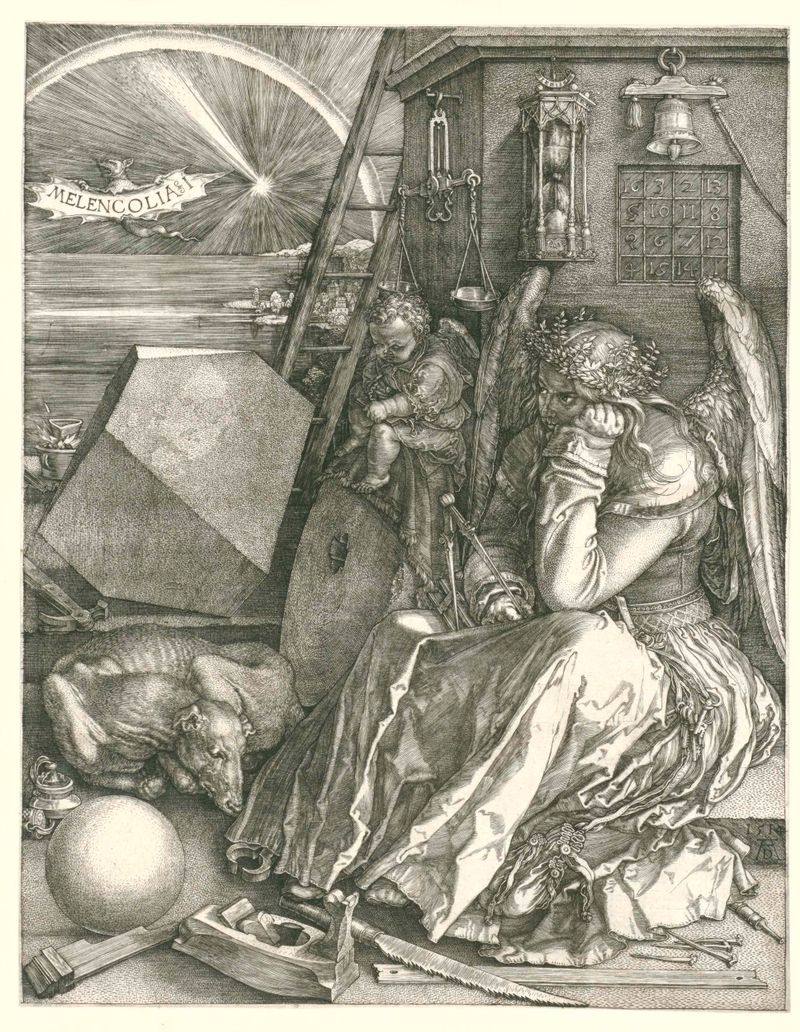
Melancholia
Albrecht Dürer
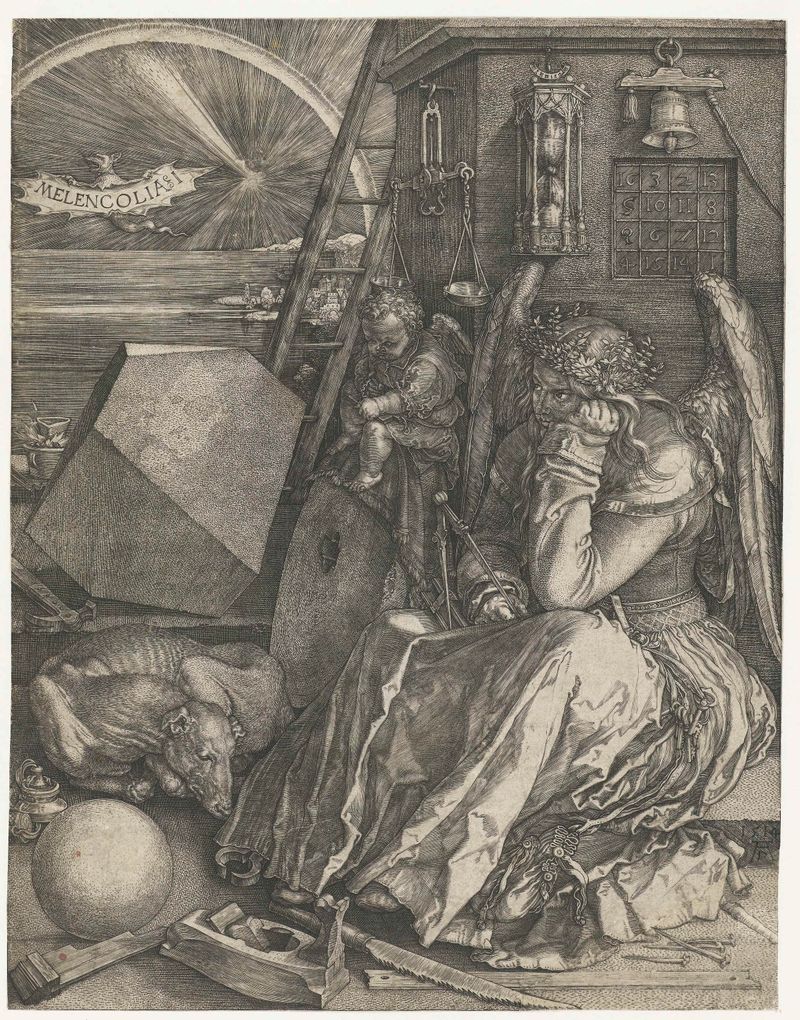
Melancholie
Albrecht Dürer
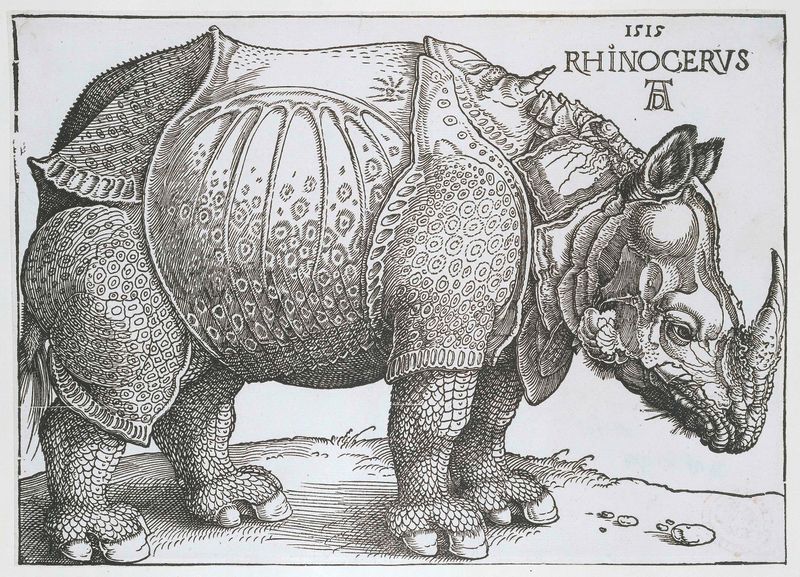
Neushoorn
Albrecht Dürer
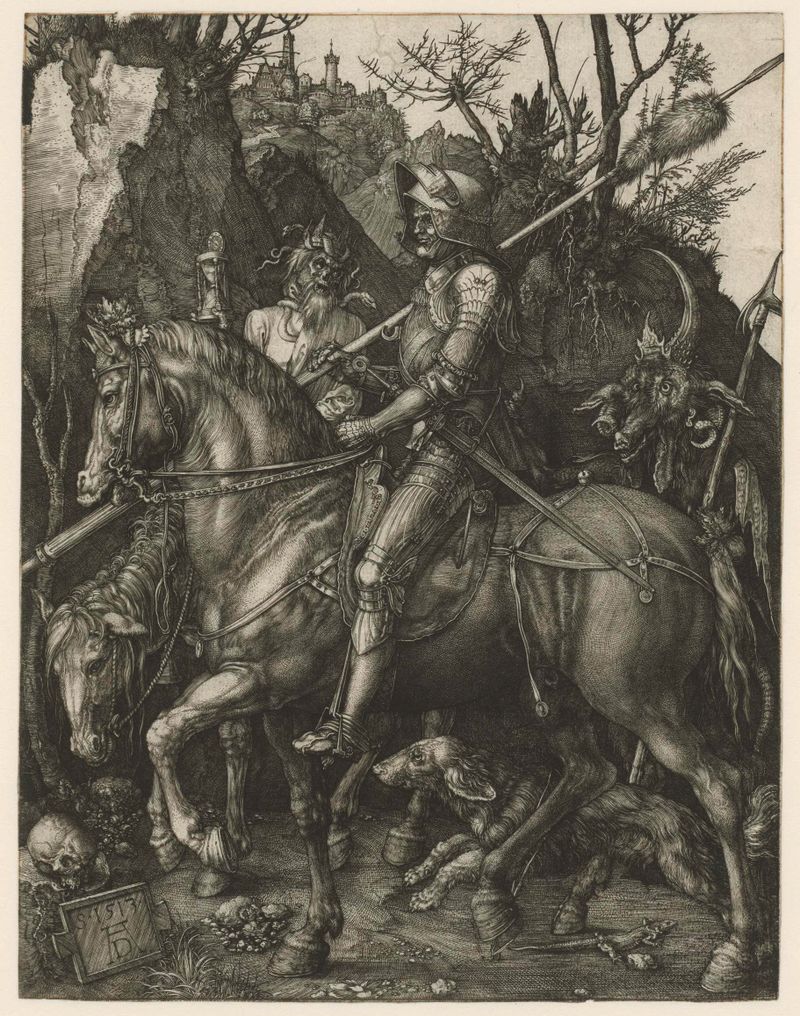
Knight, Death, and the Devil
Albrecht Dürer

De vier ruiters van de apocalyps
Albrecht Dürer

De vier ruiters van de apocalyps
Albrecht Dürer
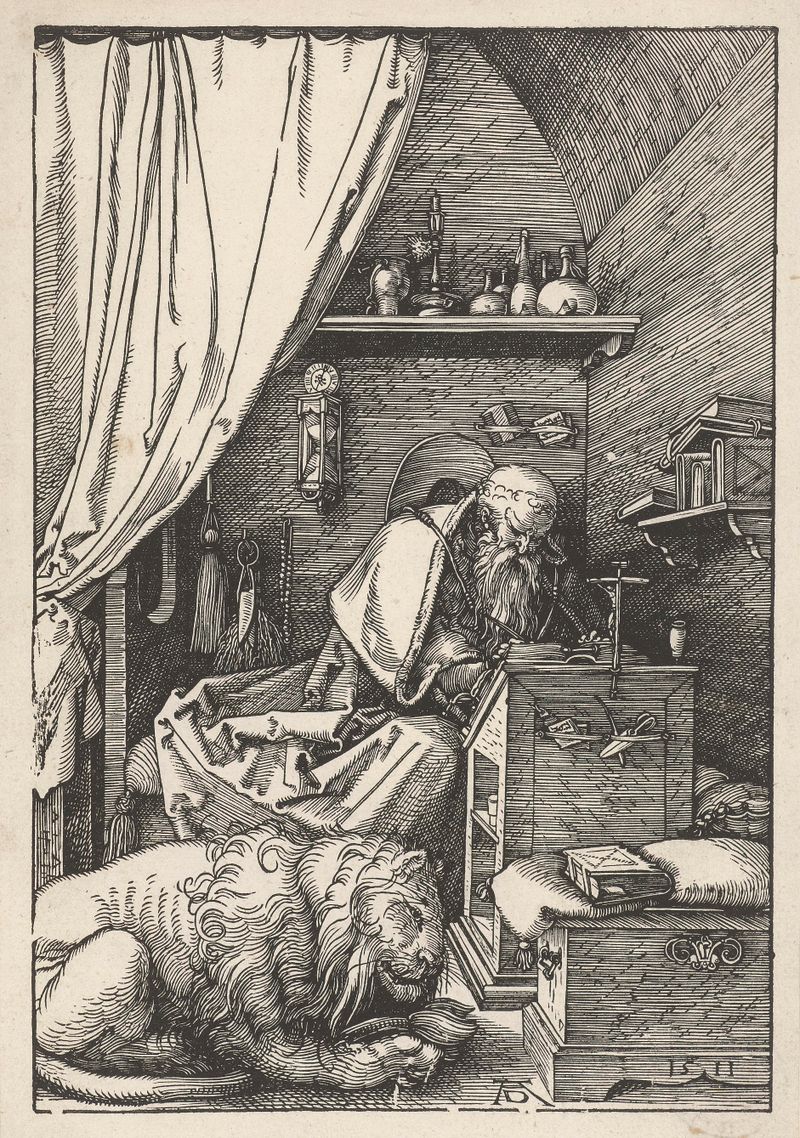
De Heilige Hiëronymus in zijn studeervertrek
Albrecht Dürer
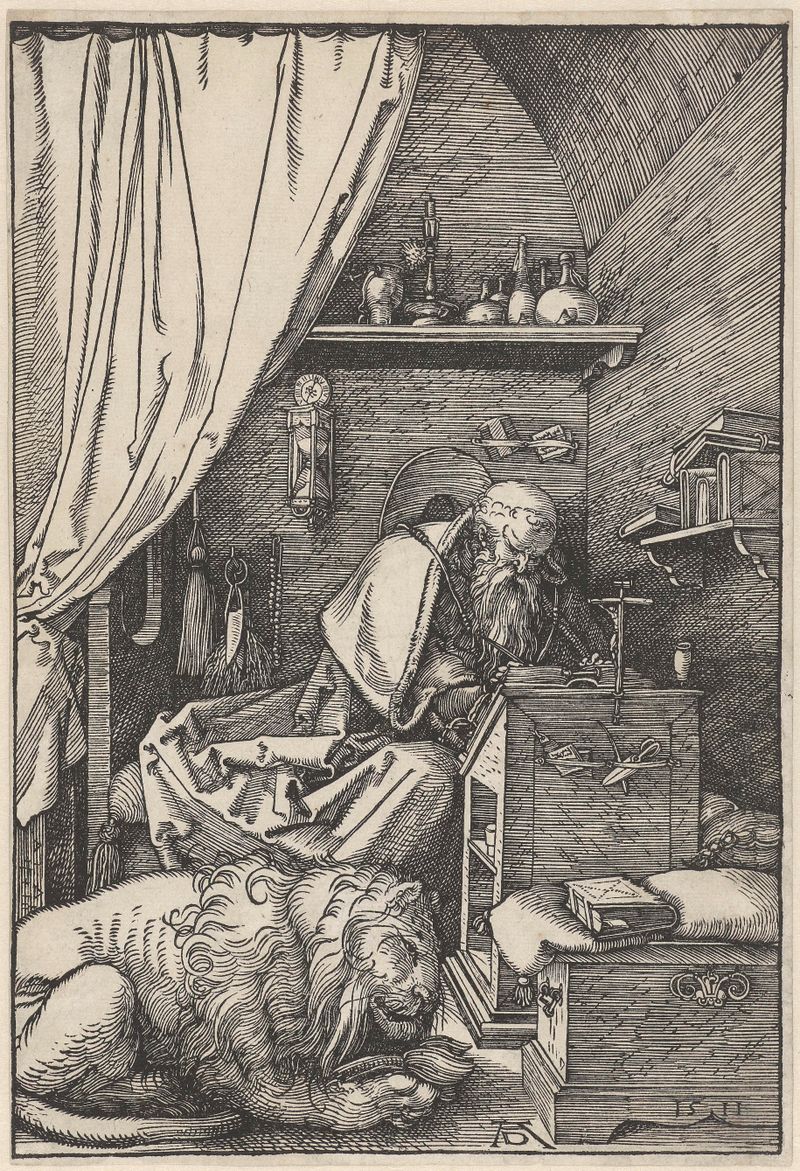
De Heilige Hiëronymus in zijn studeervertrek
Albrecht Dürer
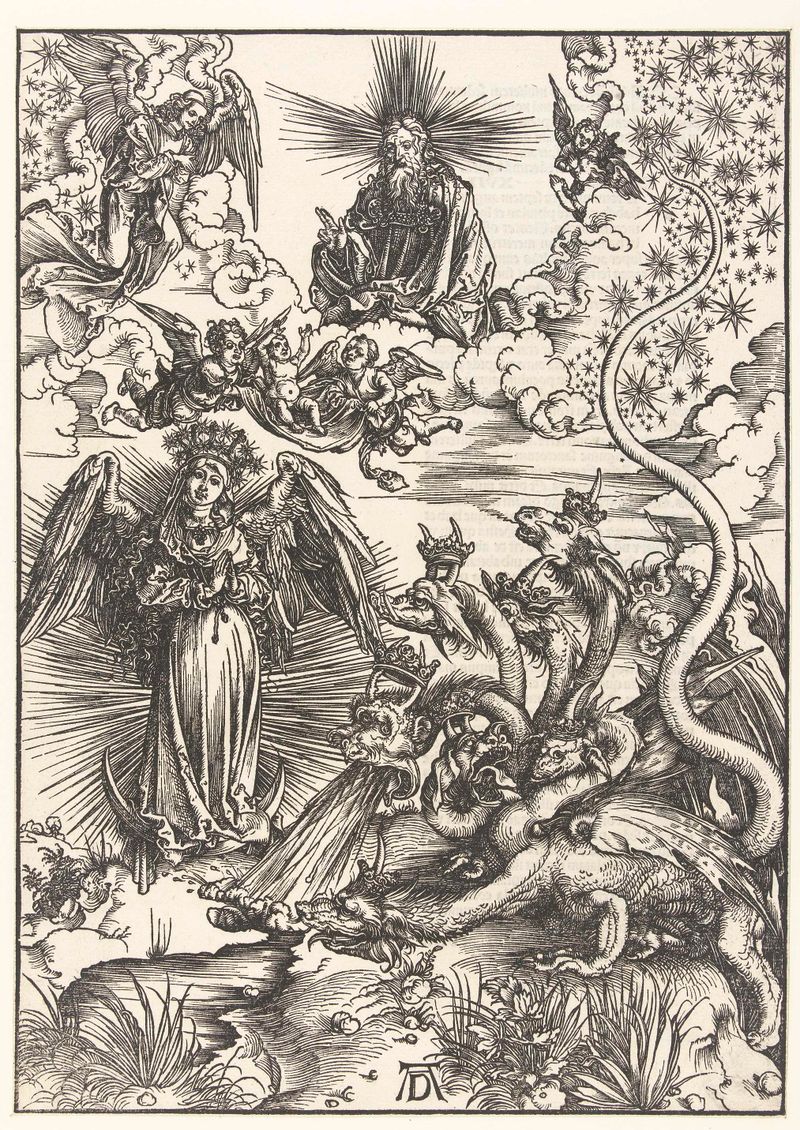
De apocalyptische vrouw en de zevenkoppige draak
Albrecht Dürer
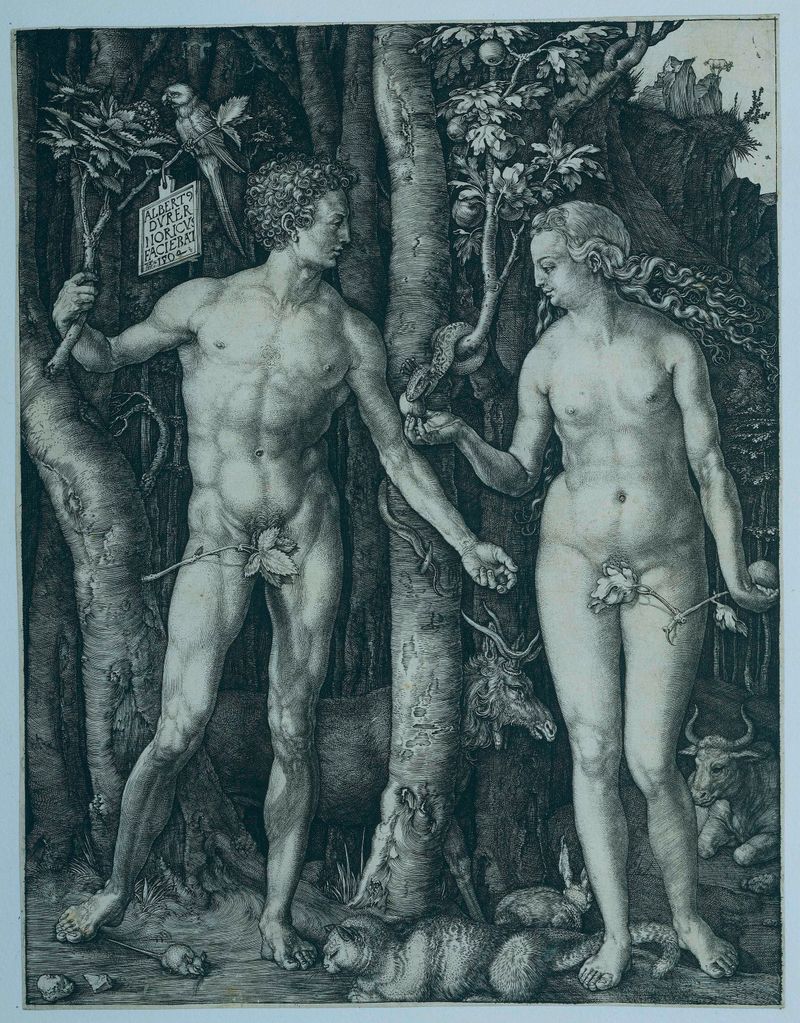
Adam en Eva
Albrecht Dürer
More Religious Art
Browse all →
The Return of the Prodigal Son
Rembrandt van Rijn

The Garden of Earthly Delights
El Bosco

Count Orgaz’ funeral
El Greco

The Hundred Guilder Print: the central piece with Christ preaching, the plate arched
Rembrandt van Rijn

The Descent from the Cross
Rogier van der Weyden

The return of the prodigal son
Rembrandt van Rijn