
Verloren zoon als varkenshoeder — History & Facts
Did the painter know this moment would outlive them? In the chiaroscuro of fate, the scene whispers of a poignant destiny, forever captured in the strokes of a brush. Look to the left of the canvas, where a young man, lost yet resolute, tends to his swine. Notice the earthy tones that envelop him, a palette of muted browns and greens that seem to breathe the weight of his regret. The shadowed background, a stark contrast to the figure’s illuminated face, evokes the struggle between despair and acceptance.
Each detail, from the coarse texture of the pig’s skin to the boy’s weathered clothing, invites you to explore the duality of his existence. Hidden within this humble tableau lies a narrative of redemption and reflection. The juxtaposition between the animal and the young man speaks to the depths of human experience—the loss of innocence and the search for purpose. The placement of the pigs, almost as if they are guiding the lost son, hints at a deeper connection between sacrifice and sustenance, suggesting that in our darkest moments, we are often led by the very burdens we carry. Hans Sebald Beham painted this work in 1540, amidst the rise of the Northern Renaissance and the shifting tides of Reformation thought.
Living in Nuremberg, he was surrounded by a vibrant artistic community, yet personally faced the challenges of war and religious upheaval. The themes of his work resonate with the spiritual conflicts of his time, presenting not just an image, but a reflection of human struggle that transcends centuries.
More Artworks by Hans Sebald Beham
Browse all →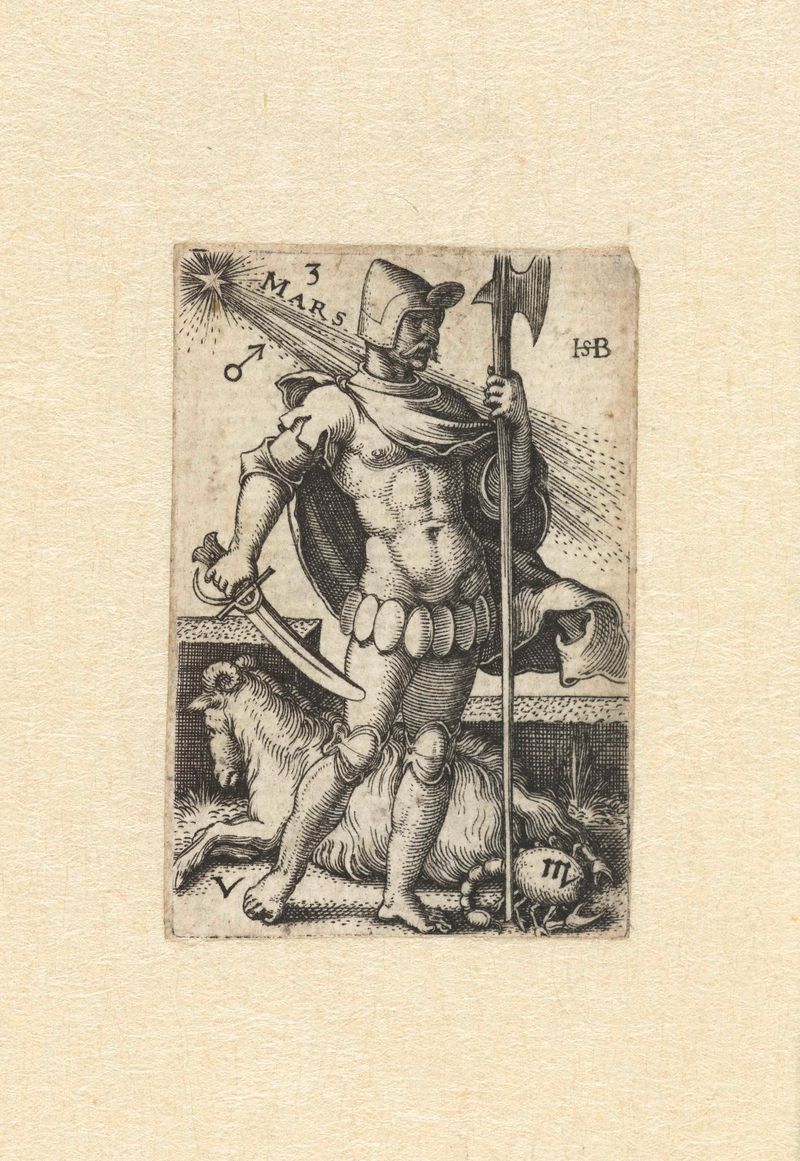
Mars met sterrenbeelden Ram en Schorpioen
Hans Sebald Beham

Achilles in gevecht met Hector
Hans Sebald Beham
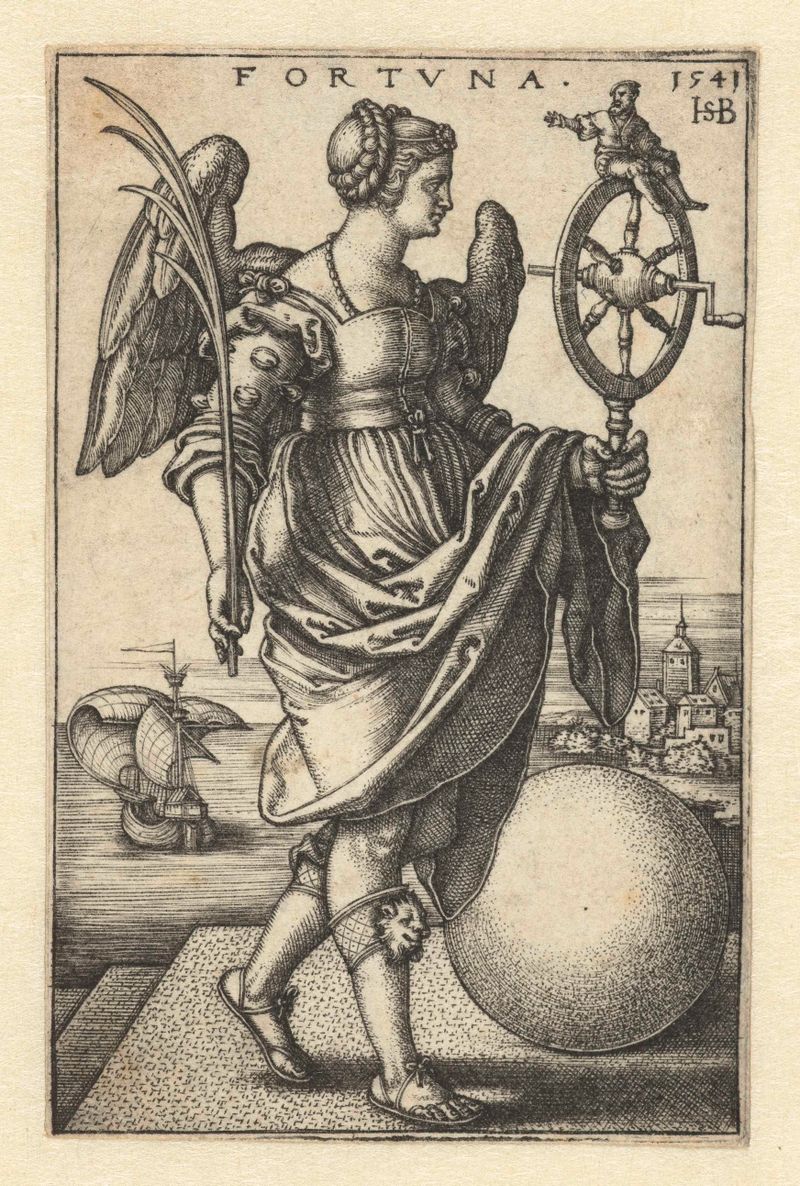
Fortuna
Hans Sebald Beham

Hercules worstelt met Antaeus
Hans Sebald Beham

Twee muzikanten met schalmey en doedelzak
Hans Sebald Beham

Voorzichtigheid (Prudentia)
Hans Sebald Beham

Hercules in gevecht met de Trojanen
Hans Sebald Beham
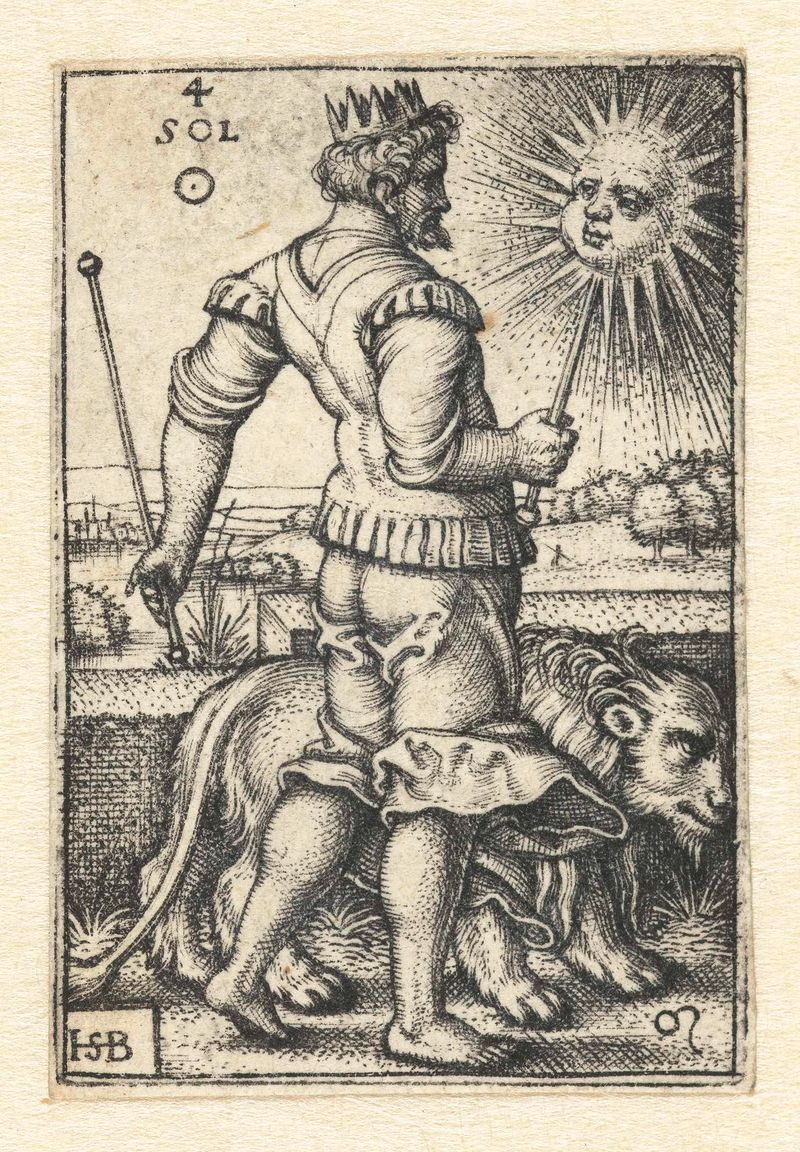
Apollo (Sol) met sterrenbeeld Leeuw
Hans Sebald Beham
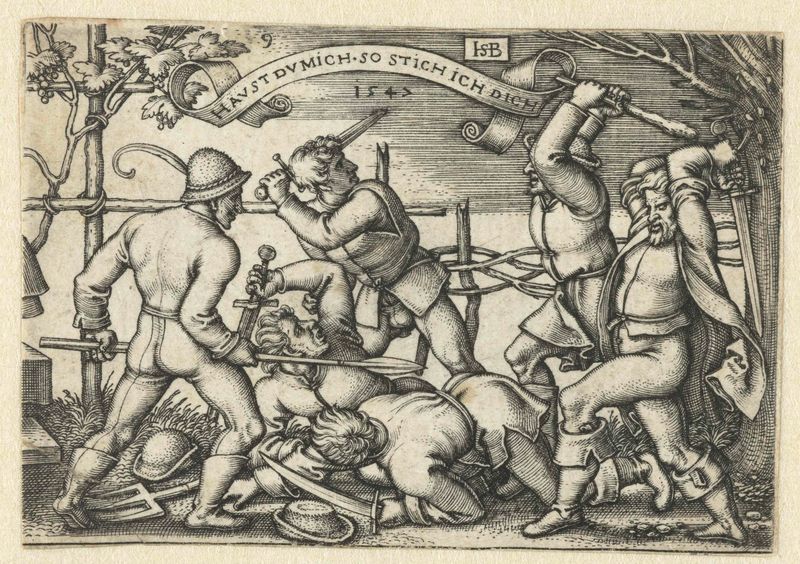
Vechtende boeren met zwaarden
Hans Sebald Beham
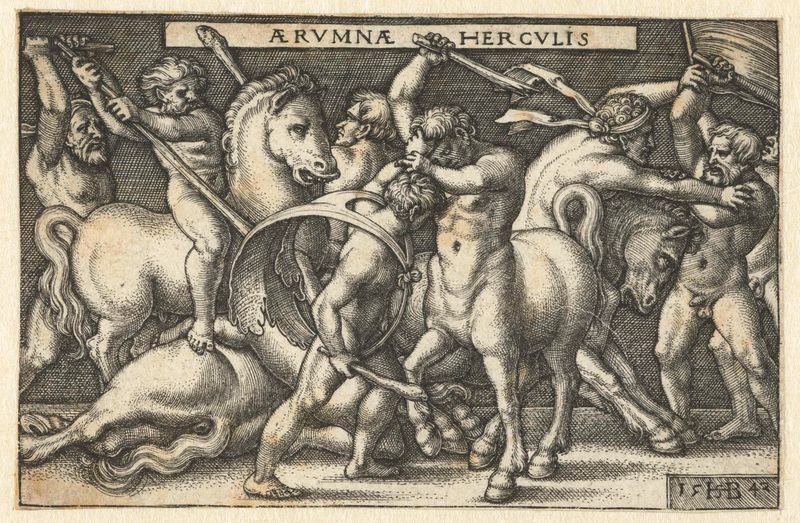
Hercules in gevecht met centaurs
Hans Sebald Beham





