
Veronica met de zweetdoek — History & Facts
Could beauty survive in a century of chaos? Albrecht Dürer's Veronica met de zweetdoek serves as a poignant reminder that even in the darkest times, moments of tenderness and grace can emerge. This piece invites us to ponder the intersection of faith and art, reflecting on the resilience of the human spirit. Look closely at the central figure of Veronica, her gaze unwavering as she presents the cloth bearing Christ's visage. Notice the delicate interplay of light and shadow on her serene face, highlighting the purity of her intent.
The deep crimson of her garment contrasts sharply with the muted tones of the background, drawing the eye and emphasizing her importance in this sacred moment. Every brushstroke conveys emotion, as the intricate details of her hands and the cloth reveal an artist deeply engaged with the human experience. Delve deeper into the symbolism: the cloth itself represents not only the passion and suffering of Christ but also the rebirth of faith and hope in a turbulent world. The slight tilt of Veronica's head suggests humility and adoration, while her poised stance embodies quiet strength.
This tension between vulnerability and resolve encapsulates the myriad struggles of the era, hinting at the broader religious and social upheavals that would soon follow. Dürer created this masterpiece in 1510, during a time marked by the rising tides of the Reformation and profound shifts in artistic expression. Living in Nuremberg, he was influenced by both the spiritual turmoil of his society and the innovations of the Northern Renaissance. His meticulous attention to detail and emotional depth in this work reflect the artist's commitment to capturing the complexity of the human condition, reinforcing art's enduring power amidst chaos.
More Artworks by Albrecht Dürer
Browse all →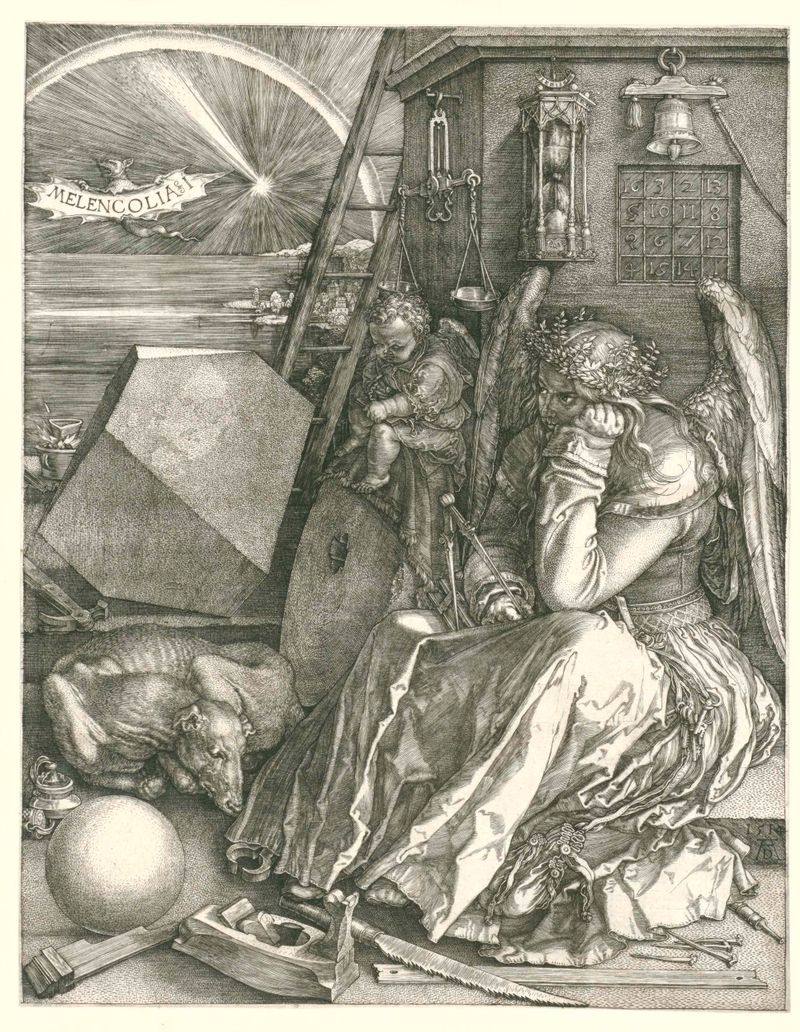
Melancholia
Albrecht Dürer
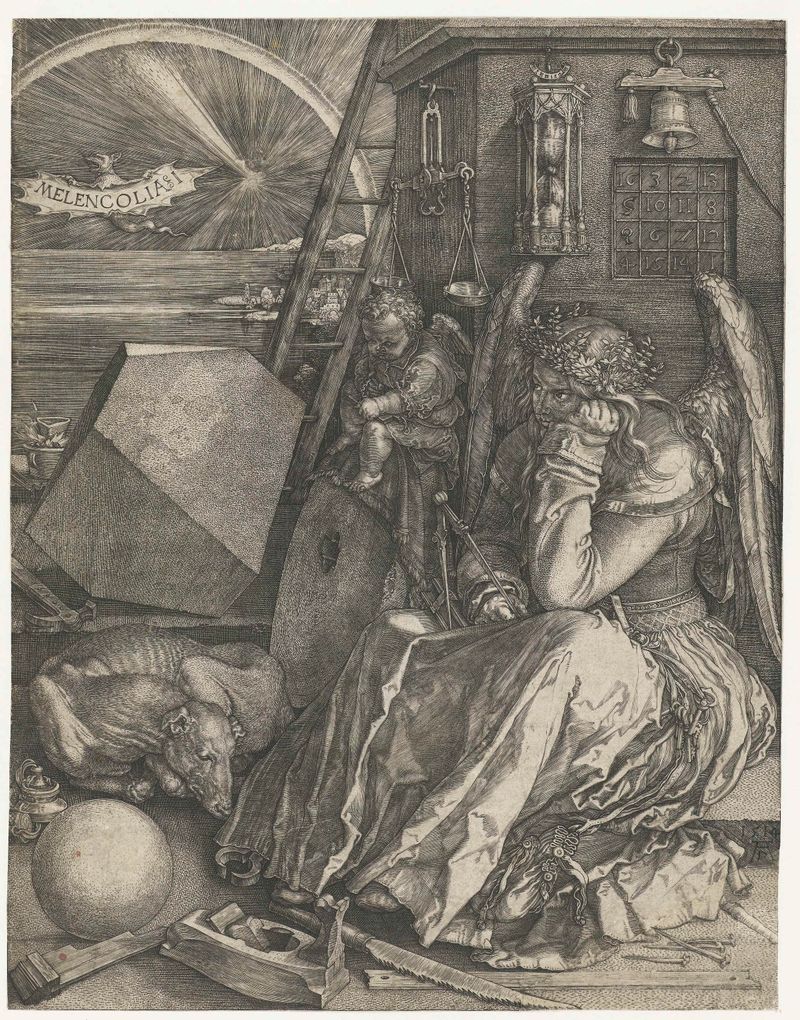
Melancholie
Albrecht Dürer
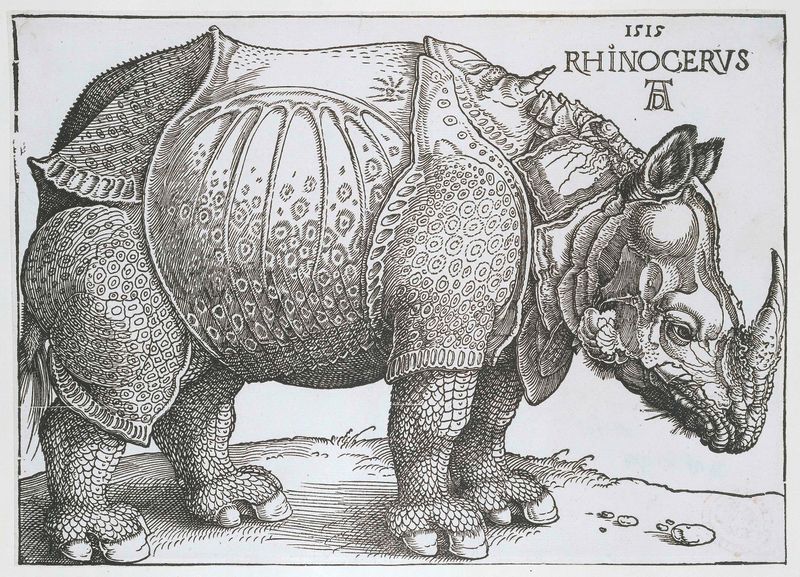
Neushoorn
Albrecht Dürer
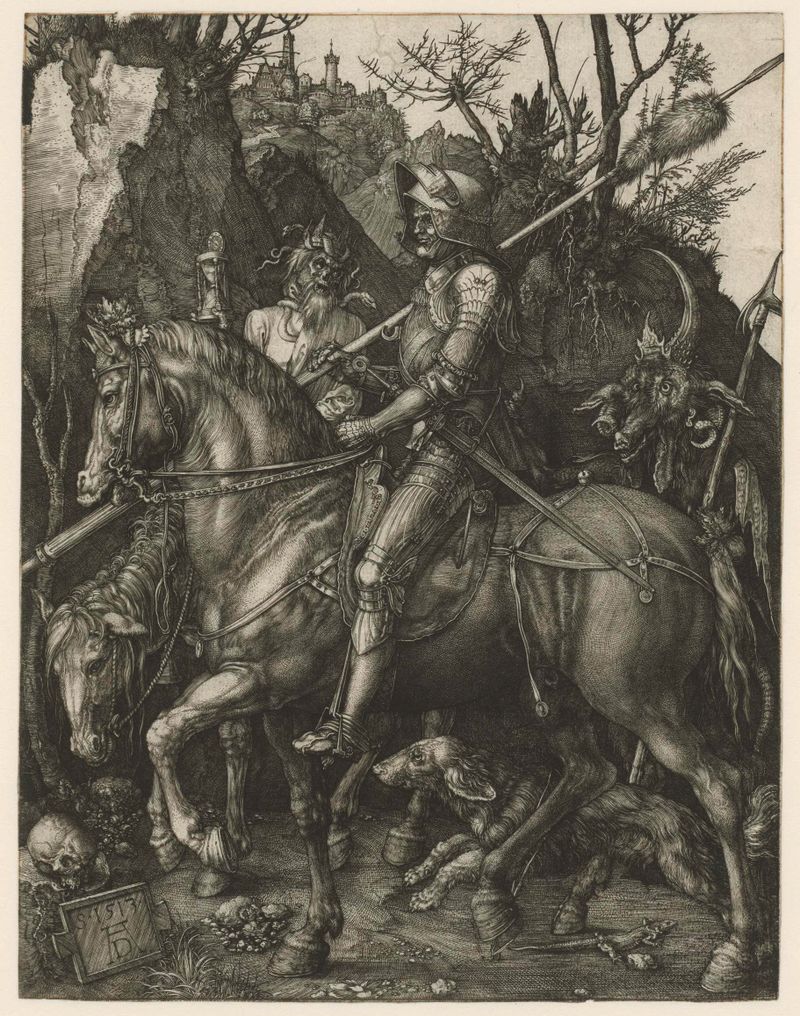
Knight, Death, and the Devil
Albrecht Dürer

De vier ruiters van de apocalyps
Albrecht Dürer

De vier ruiters van de apocalyps
Albrecht Dürer
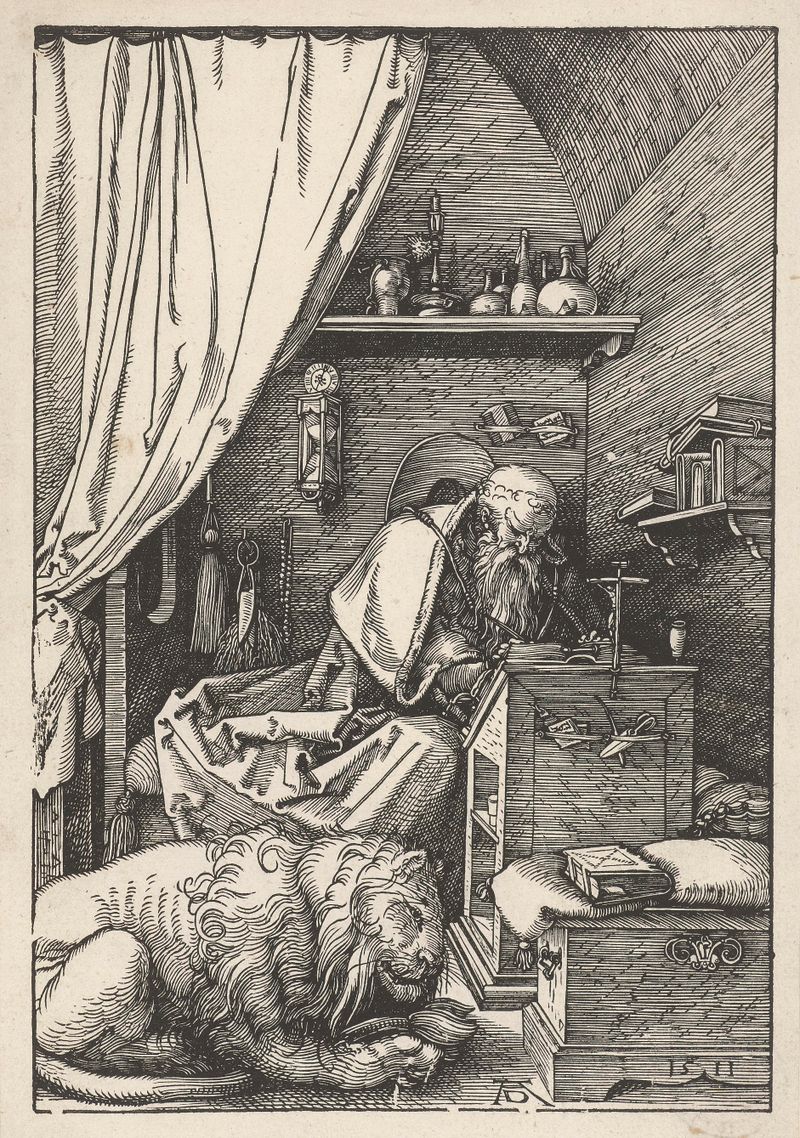
De Heilige Hiëronymus in zijn studeervertrek
Albrecht Dürer
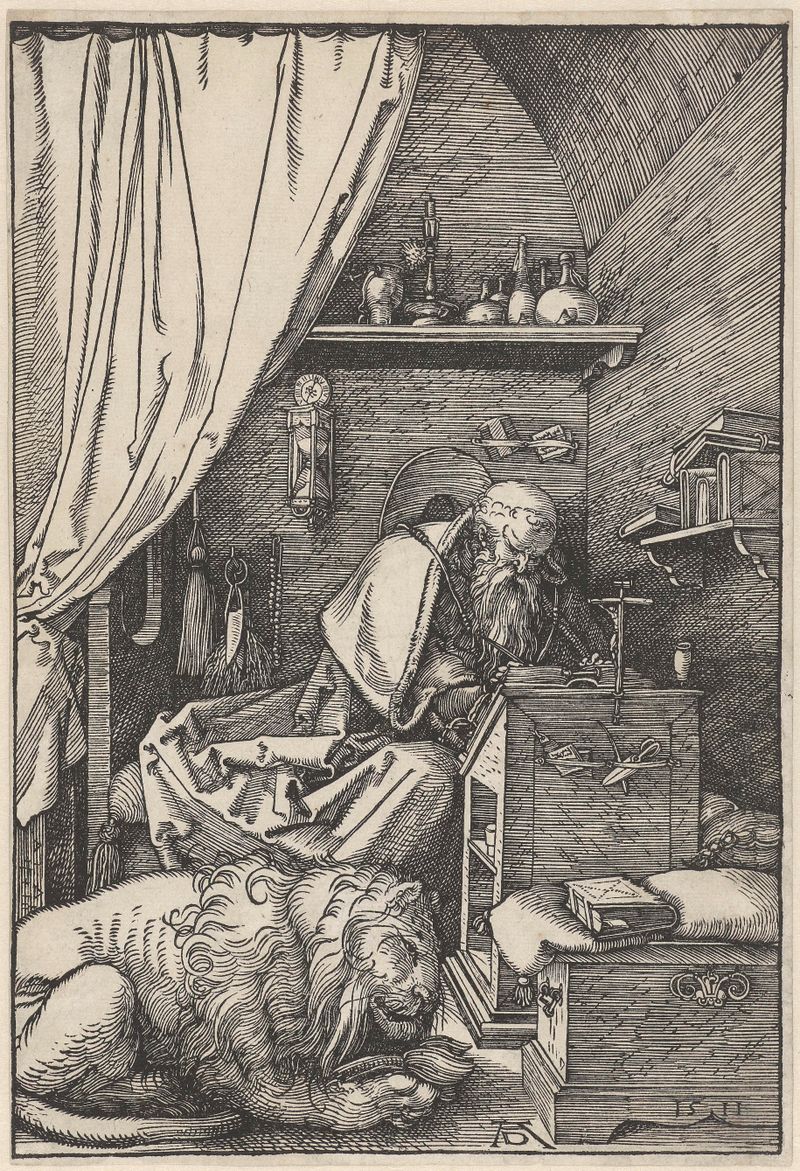
De Heilige Hiëronymus in zijn studeervertrek
Albrecht Dürer
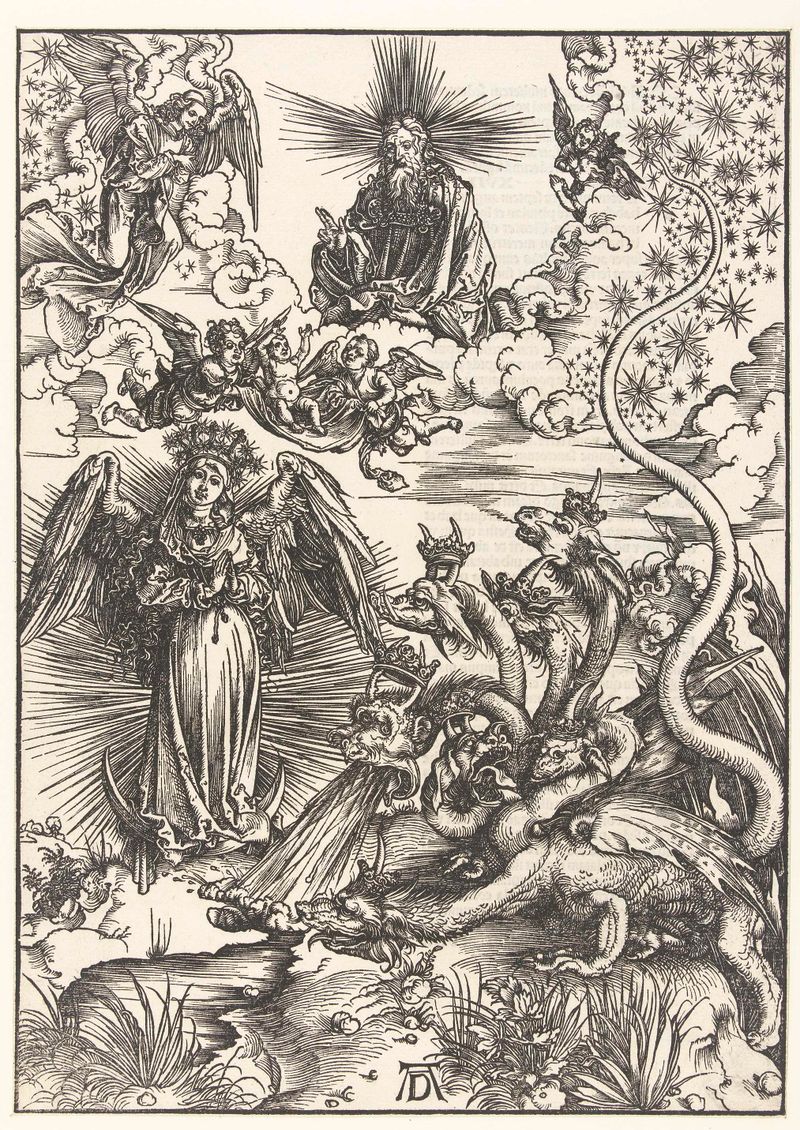
De apocalyptische vrouw en de zevenkoppige draak
Albrecht Dürer
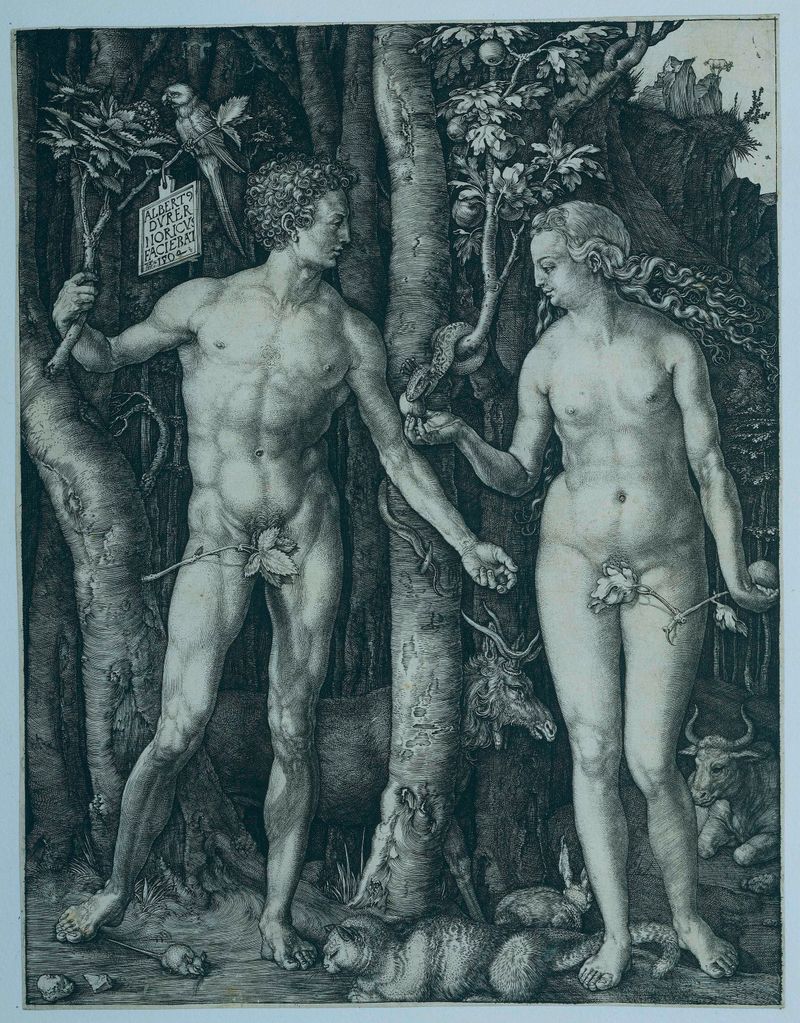
Adam en Eva
Albrecht Dürer
More Religious Art
Browse all →
The Return of the Prodigal Son
Rembrandt van Rijn

The Garden of Earthly Delights
El Bosco

Count Orgaz’ funeral
El Greco

The Hundred Guilder Print: the central piece with Christ preaching, the plate arched
Rembrandt van Rijn

The Descent from the Cross
Rogier van der Weyden

The return of the prodigal son
Rembrandt van Rijn