
Vervallen gebouw met rechts een houtsprokkelaarster — History & Facts
This reflection encapsulates the delicate dance of illusion and reality in art, revealing the fragile boundary between perception and the world it represents. Focus first on the left side, where a crumbling building stands testament to time’s relentless passage. The textured surface, rendered with soft earth tones, invites a tactile response while simultaneously evoking a sense of decay. Notice how the muted light filters through the surrounding foliage, casting gentle shadows that play along the walls, enhancing the melancholy beauty of neglect.
The contrast between the robust structure and the delicate interplay of light and shadow captivates, hinting at stories of life once vibrant within its walls. In the foreground, the figure of the woodcutter emerges, a solitary presence amidst the ruins. Her labor—conveyed through tireless gestures—suggests resilience and continuity in a landscape marked by erosion. The juxtaposition of her strength against the backdrop of decay presents a poignant commentary on human existence—how we carve our lives from the remnants of what once was, creating an unbreakable thread that binds the past to the present.
This emotional tension resonates deeply, prompting a reflection on our own vulnerabilities and transformations. Pieter Bartholomeusz. Barbiers painted this work during a period of shifting artistic sensibilities in the early 19th century, between 1782 and 1837. Active in the Netherlands, he navigated a world increasingly influenced by Romanticism, which celebrated emotion and nature’s beauty amidst industrialization.
During this time, artists were exploring the intersection between the natural and the manmade, often highlighting themes of decay and renewal, making this piece a significant representation of his response to the changing landscape around him.
More Artworks by Pieter Bartholomeusz. Barbiers
Browse all →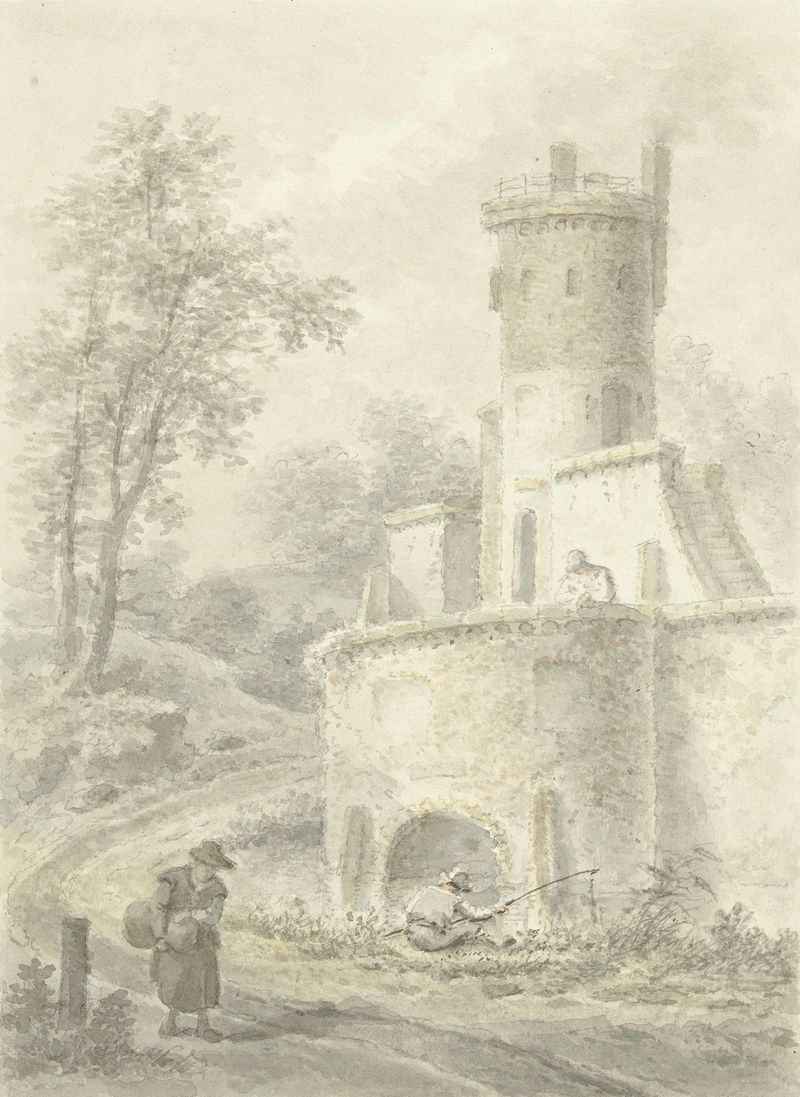
Landschap met hengelaar en wandelende vrouw bij een vestingtoren
Pieter Bartholomeusz. Barbiers
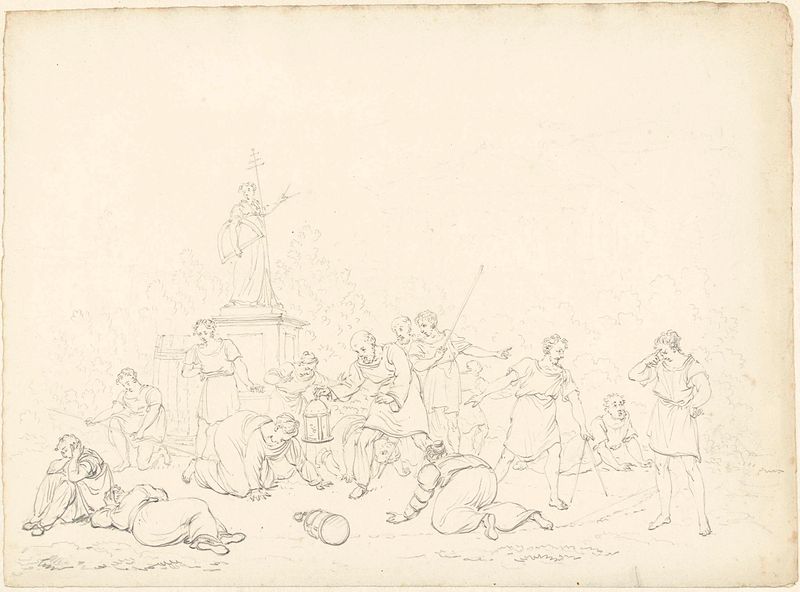
Diogenes met een lantaren een mens zoekend
Pieter Bartholomeusz. Barbiers
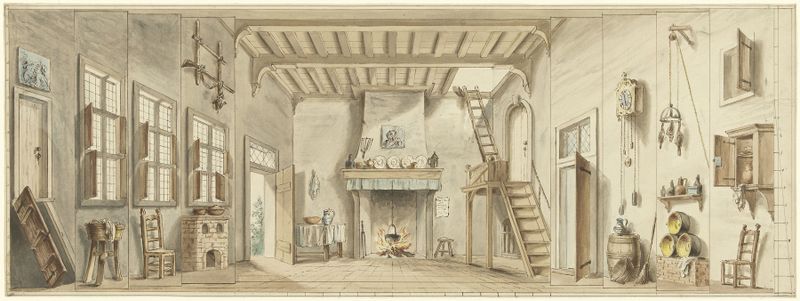
Ontwerp voor een toneeldecor voor de Vlaamse opera Het Kapertje
Pieter Bartholomeusz. Barbiers
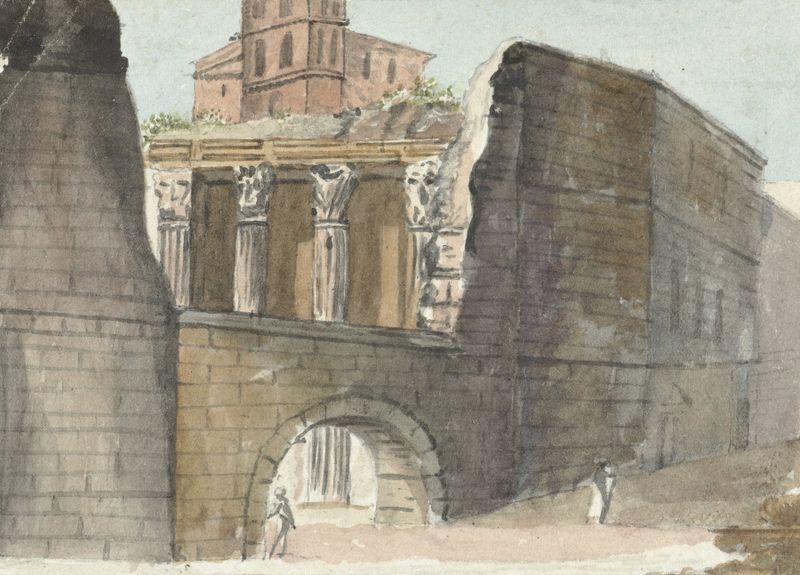
Romeinse ruïnes
Pieter Bartholomeusz. Barbiers
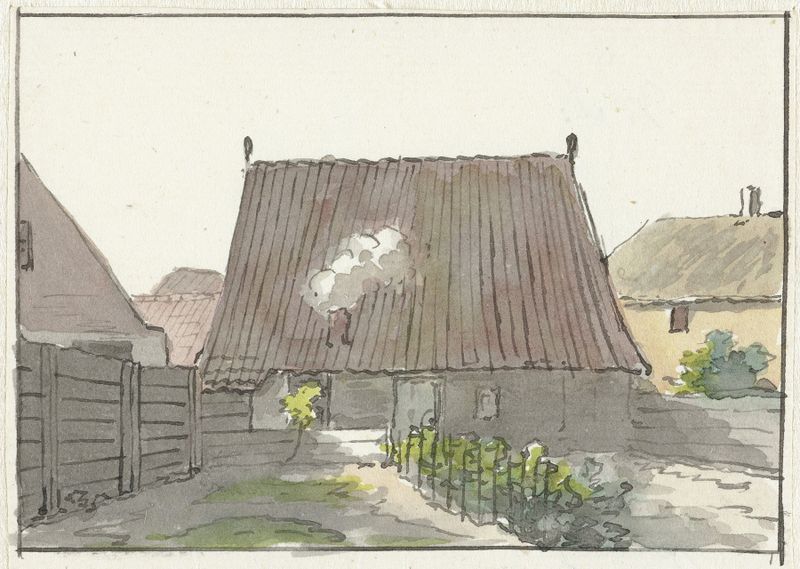
Huis met achtertuin
Pieter Bartholomeusz. Barbiers
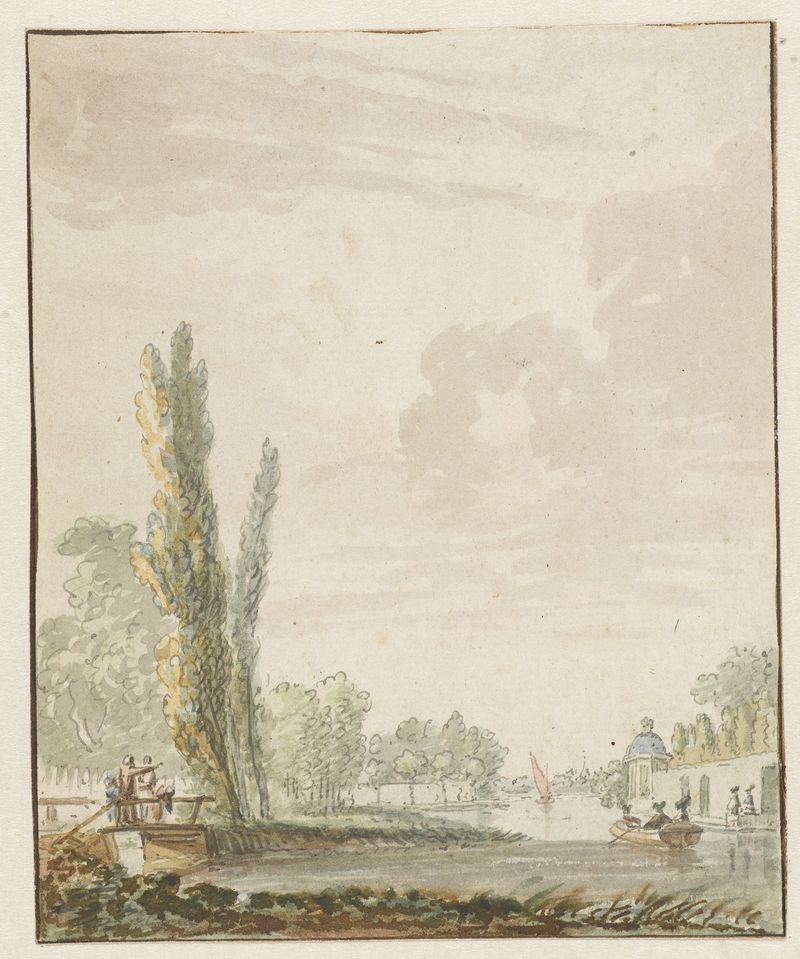
Gezicht langs een rivier met rechts een theekoepelje
Pieter Bartholomeusz. Barbiers
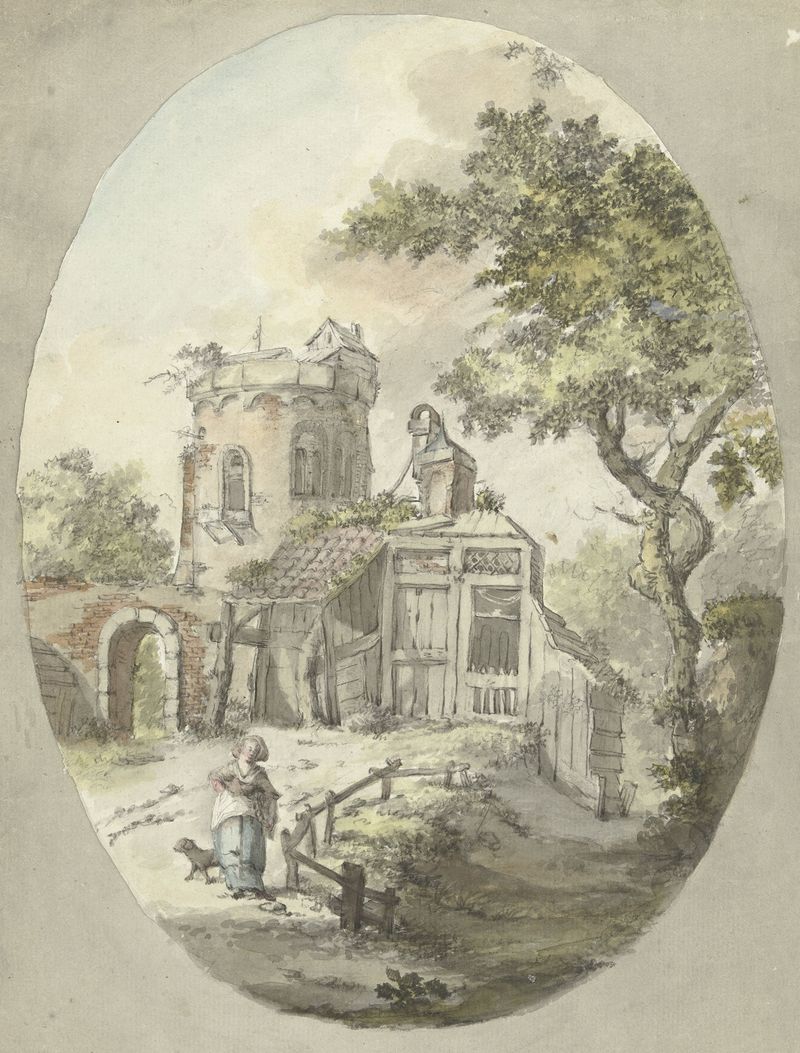
Vrouw met hond voor bouwval aan een toren
Pieter Bartholomeusz. Barbiers
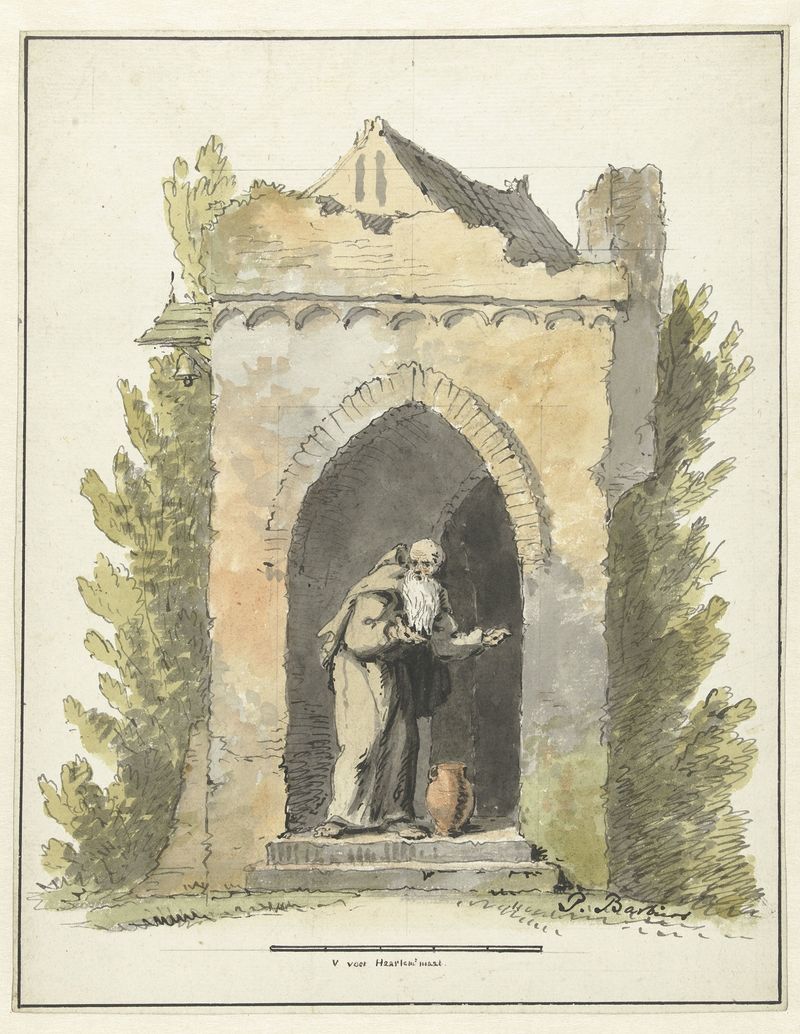
Kluizenaar voor een stenen kapel
Pieter Bartholomeusz. Barbiers
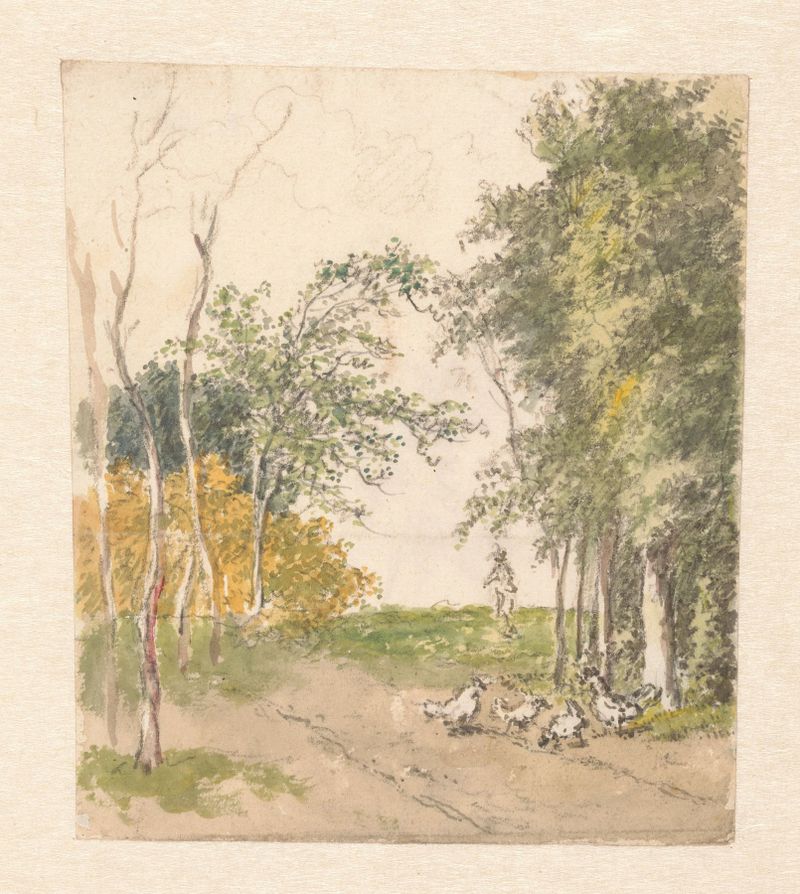
Landschap met kippen langs de weg
Pieter Bartholomeusz. Barbiers
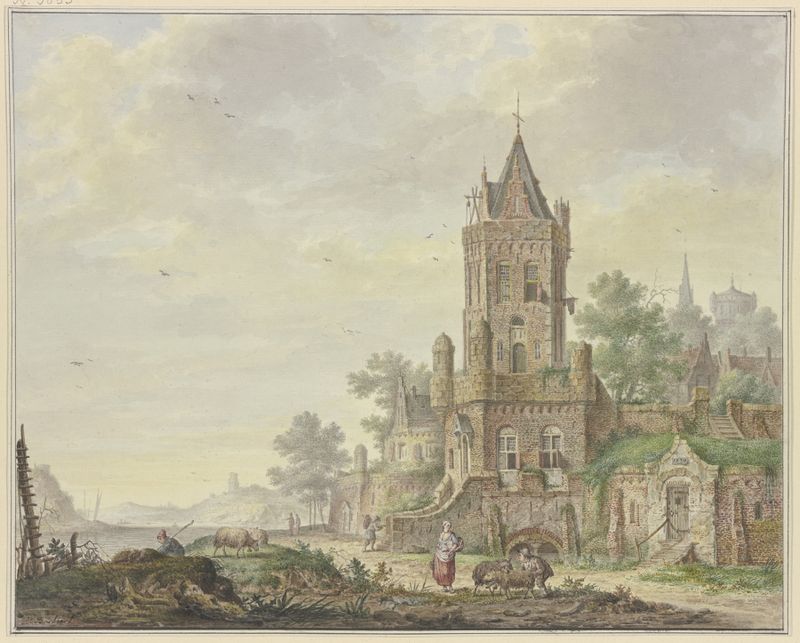
Stadt mit einem alten Turm am Wasser, vorne eine Frau bei einem Knaben mit zwei Schafen
Pieter Bartholomeusz. Barbiers
More Architecture Art
Browse all →
The statue of Liberty
Frédéric Auguste Bartholdi

View of Houses in Delft, Known as ‘The Little Street’
Johannes Vermeer

View of Houses in Delft, Known as ‘The Little Street’
Johannes Vermeer

The Cathedral in Rouen. The portal, Grey Weather
Claude Monet

The yellow house
Vincent van Gogh

The Church in Auvers-sur-Oise, View from the Chevet
Vincent van Gogh