
Vesuvius in Eruption — History & Facts
Is this a mirror — or a memory? The swirling chaos of color and form invites contemplation on the ephemeral nature of existence and the solitude found within it. Look to the upper left, where a trembling sky dances with vibrant oranges and deep reds, a testament to the fury of nature. The volcano looms prominently in the center, its billowing smoke drawn with masterful strokes that seem to meld the earth and sky. Notice how the light breaks through the dark clouds, illuminating the tumult with a haunting glow that hints at both destruction and beauty, capturing the viewer's gaze and compelling them to confront the paradox of awe and fear. Amidst the explosive energy, a profound sense of loneliness pervades the scene.
The solitary figures in the foreground, dwarfed by the towering eruption, evoke human vulnerability in the face of nature’s might. This contrast between human frailty and the grandeur of the natural world speaks to the isolation that can be felt even in the midst of chaos. Each brushstroke reveals Turner’s preoccupation with the sublime, reminding us that beauty can often be tinged with despair. Between 1817 and 1820, the artist created this work during a period of significant transition in the art world, moving towards Romanticism’s embrace of emotion and nature's power.
Living in London, Turner was influenced by recent geological discoveries and the growing interest in natural disasters, as well as his own personal struggles. His innovative techniques in capturing light and atmosphere foreshadowed his future works, marking him as a pioneering force in landscape painting.
More Artworks by Joseph Mallord William Turner
Browse all →
Dort or Dordrecht- The Dort Packet-Boat from Rotterdam Becalmed
Joseph Mallord William Turner
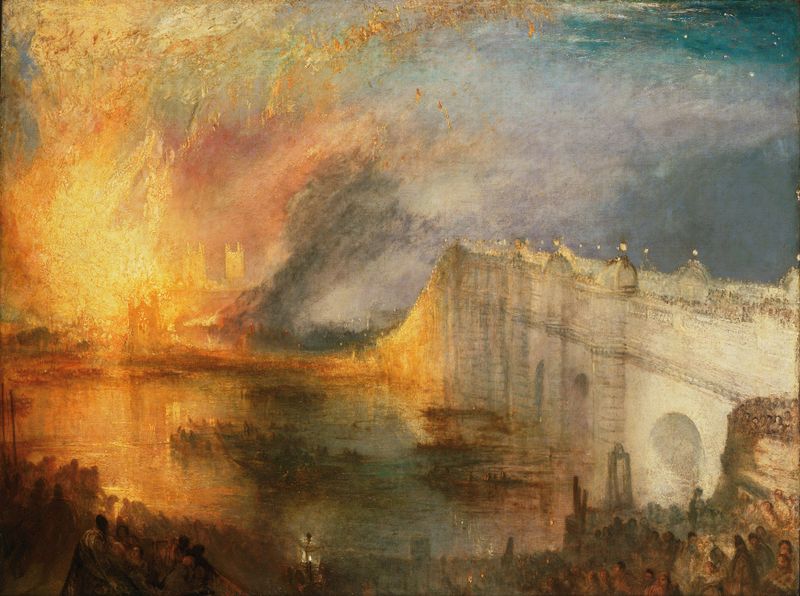
The Burning of the Houses of Lords and Commons, October 16, 1834
Joseph Mallord William Turner
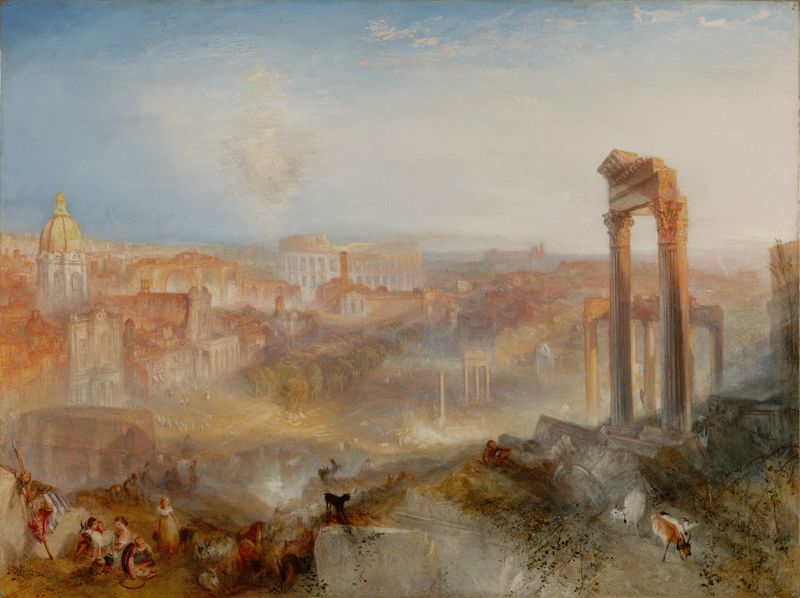
Modern Rome – Campo Vaccino
Joseph Mallord William Turner
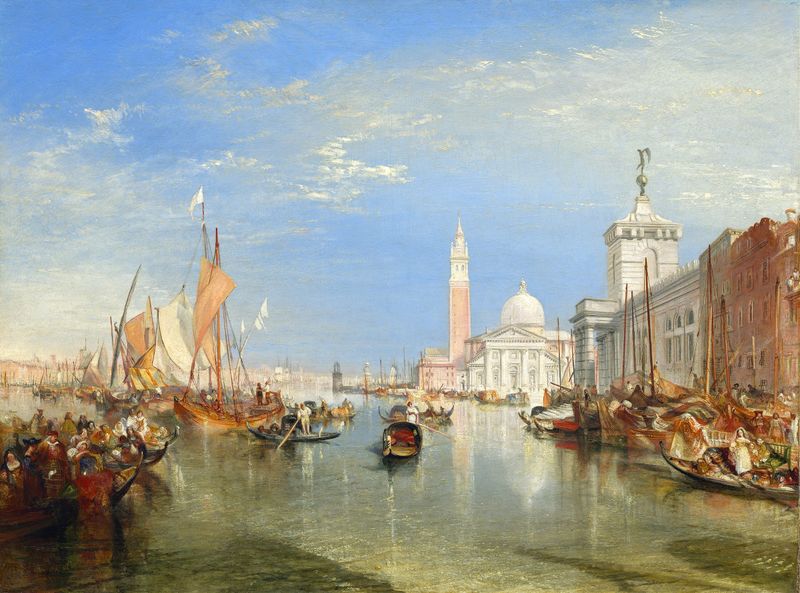
Venice – The Dogana and San Giorgio Maggiore
Joseph Mallord William Turner

The Burning of the Houses of Lords and Commons, 16 October 1834
Joseph Mallord William Turner
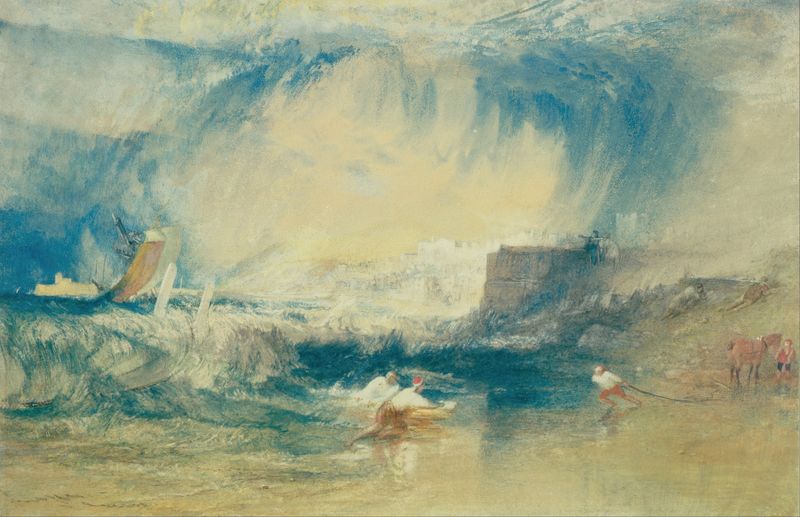
Lyme Regis, Dorsetshire, England
Joseph Mallord William Turner
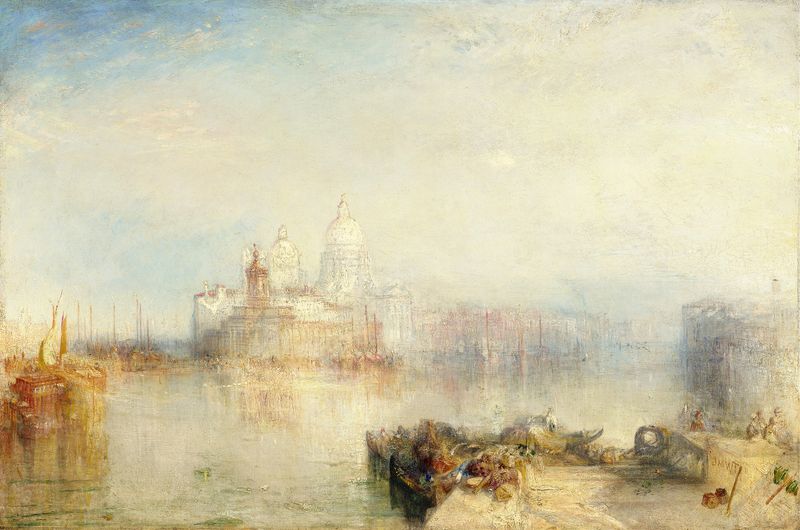
The Dogana and Santa Maria della Salute, Venice
Joseph Mallord William Turner
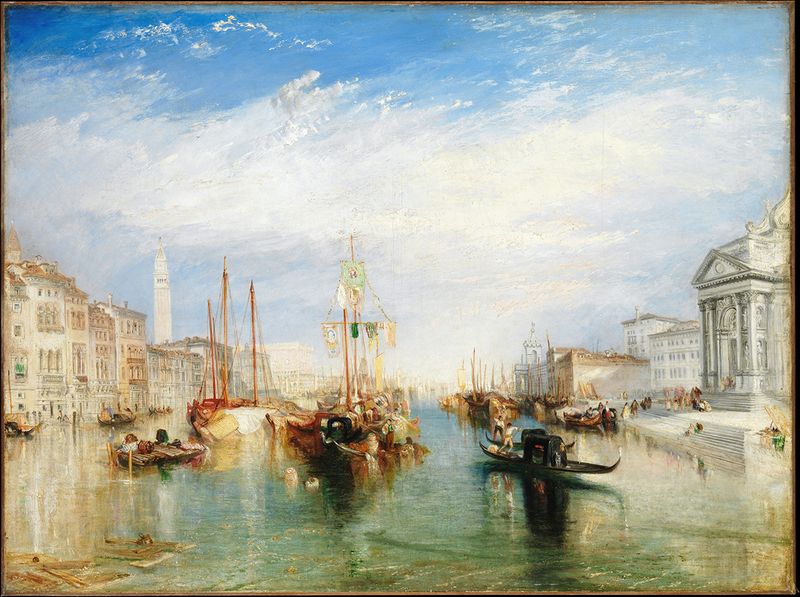
Venice, from the Porch of Madonna della Salute
Joseph Mallord William Turner
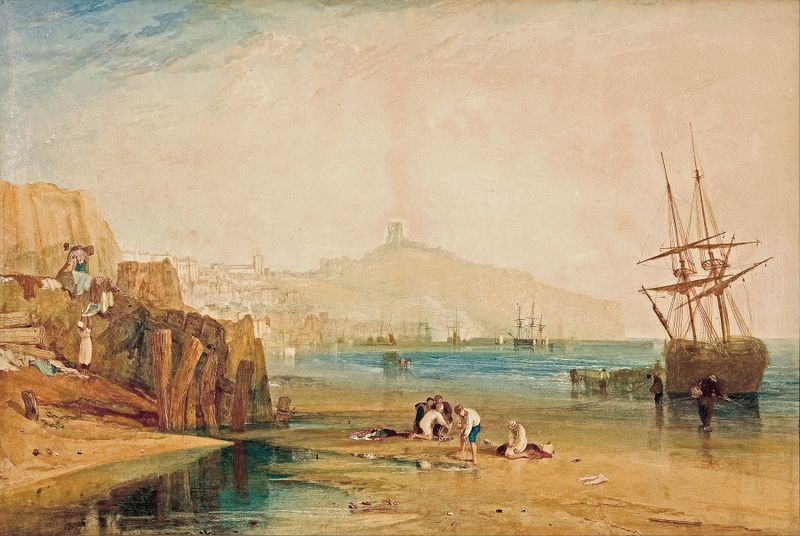
Scarborough town and castle; morning; boys catching crabs
Joseph Mallord William Turner
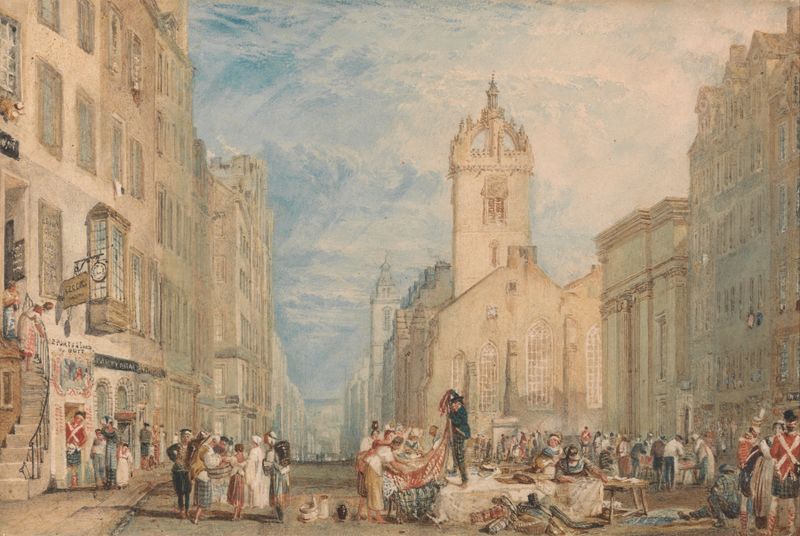
High Street, Edinburgh
Joseph Mallord William Turner





