Discover insights about this artwork
Vierge et enfant d’après une faïence — History & Facts
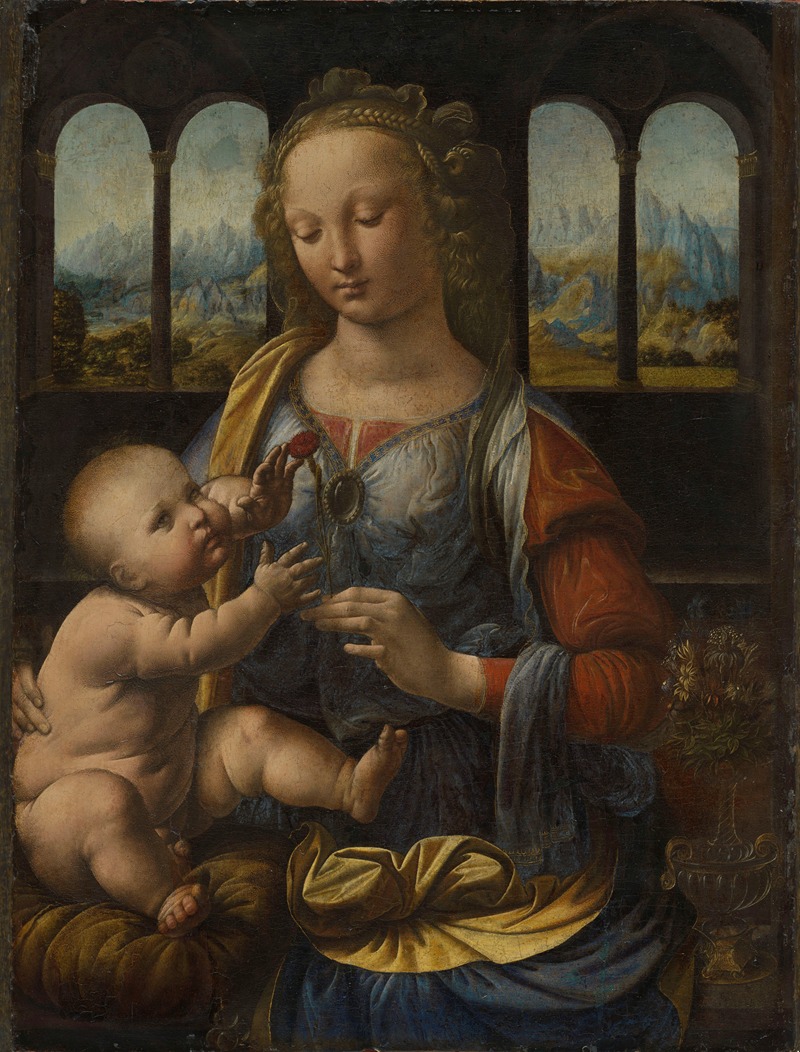
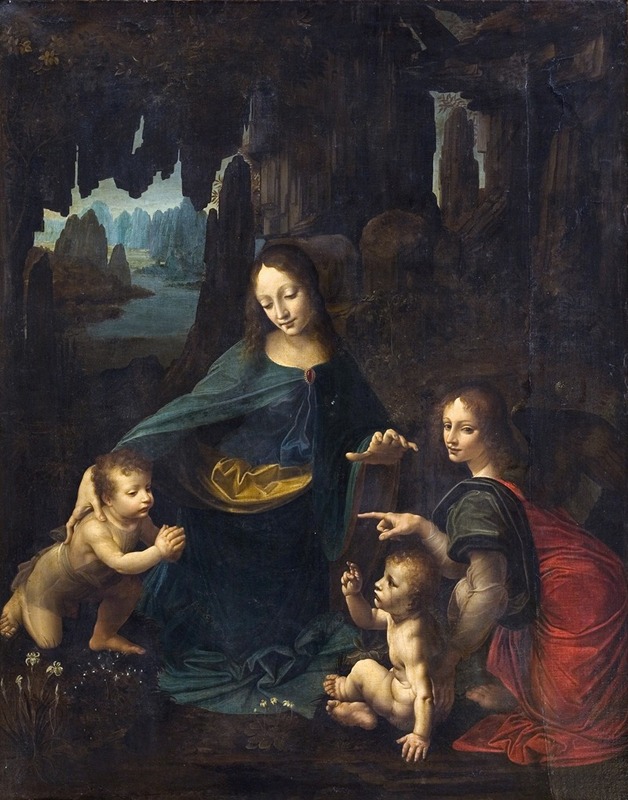
In Vierge et enfant d’après une faïence, we see the Virgin Mary holding the Christ Child. The colors are soft and warm, with gentle brush strokes that create a sense of tenderness. The figures are depicted in a serene setting, surrounded by a harmonious blend of colors.
The overall composition evokes a feeling of peace and devotion. The painting is characterized by Renoir's signature impressionistic style, with loose brushwork and a focus on light. The use of color is particularly striking, as it enhances the emotional connection between the figures. The painting is likely executed in oil on canvas, typical of Renoir's works during this period.
Viewers can appreciate the delicate details and the fluidity of the forms. Pierre-Auguste Renoir was a leading figure in the Impressionist movement, known for his vibrant use of color and light. This work, Vierge et enfant d’après une faïence, showcases his ability to blend religious themes with an impressionistic approach. An interesting fact about this painting is that it draws inspiration from faience, a type of tin-glazed pottery, which reflects Renoir's interest in decorative arts.
This piece exemplifies his exploration of everyday subjects infused with beauty.
More Artworks by Pierre-Auguste Renoir
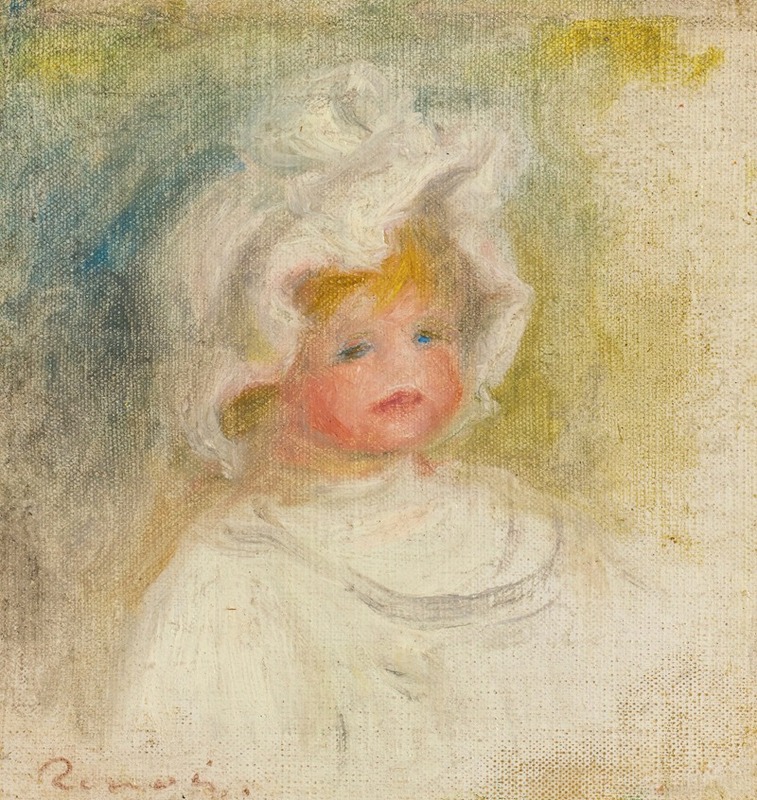
Portrait De Coco Renoir
Pierre-Auguste Renoir
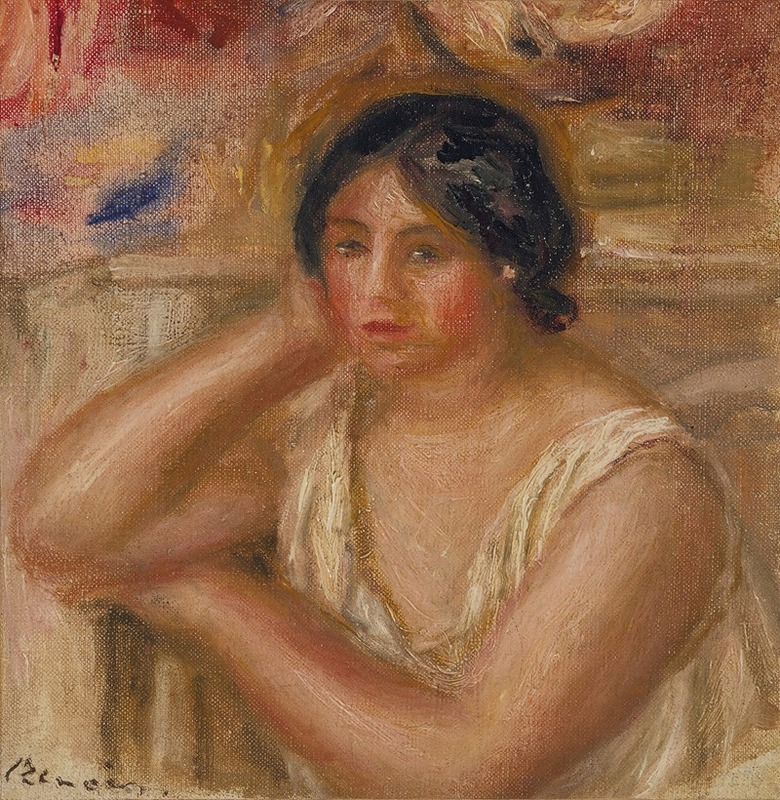
Portrait De Gabrielle
Pierre-Auguste Renoir
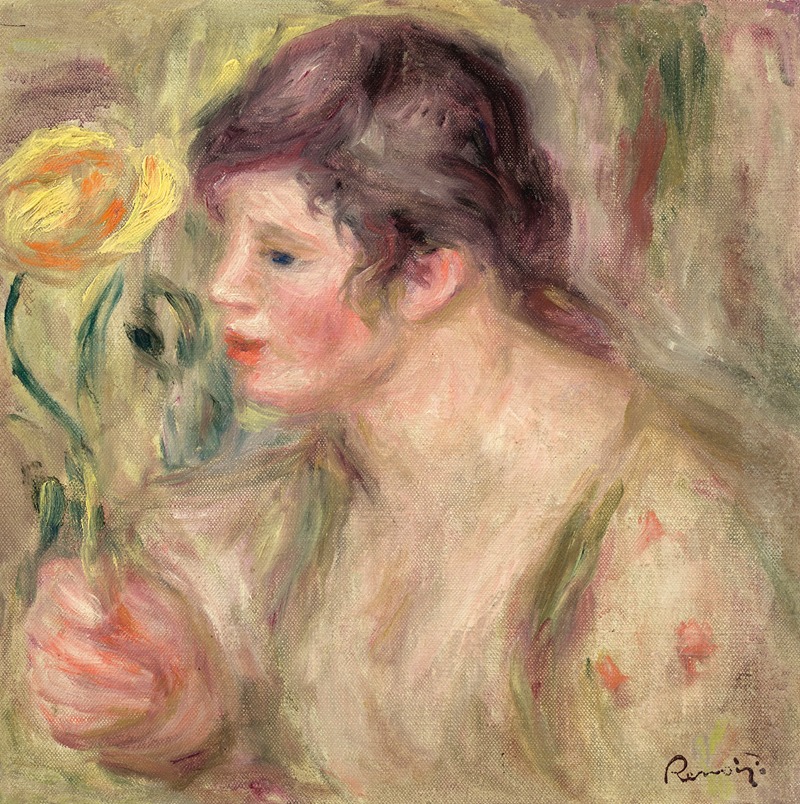
Femme à la rose
Pierre-Auguste Renoir
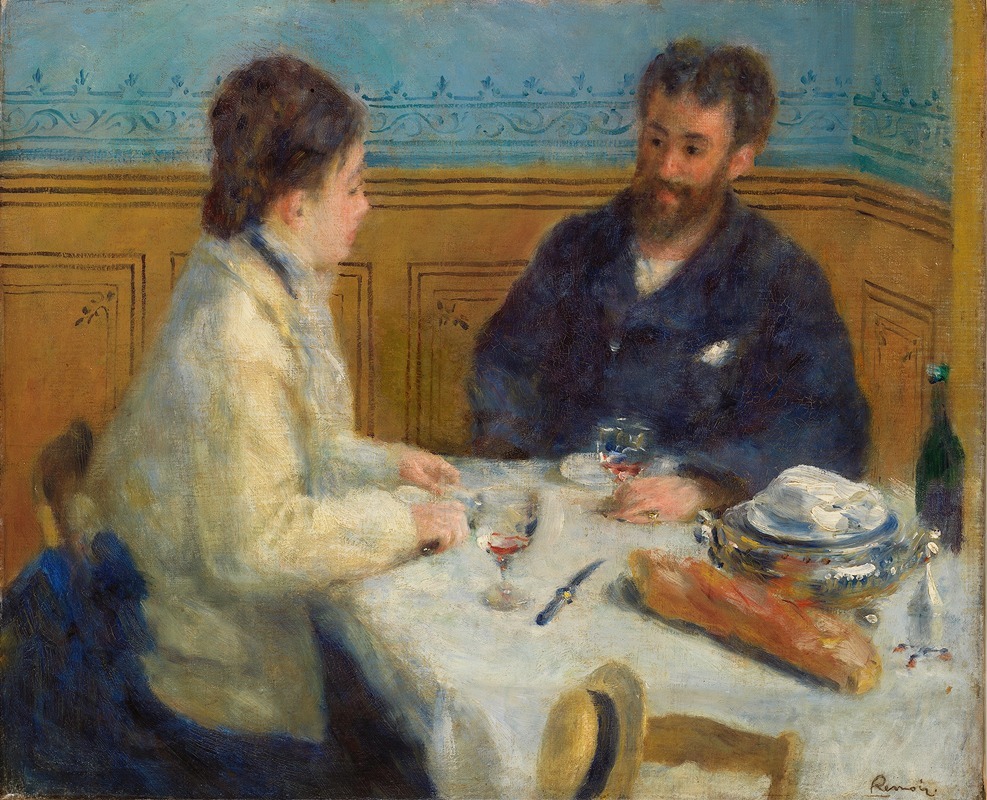
Luncheon (Le Déjeuner)
Pierre-Auguste Renoir
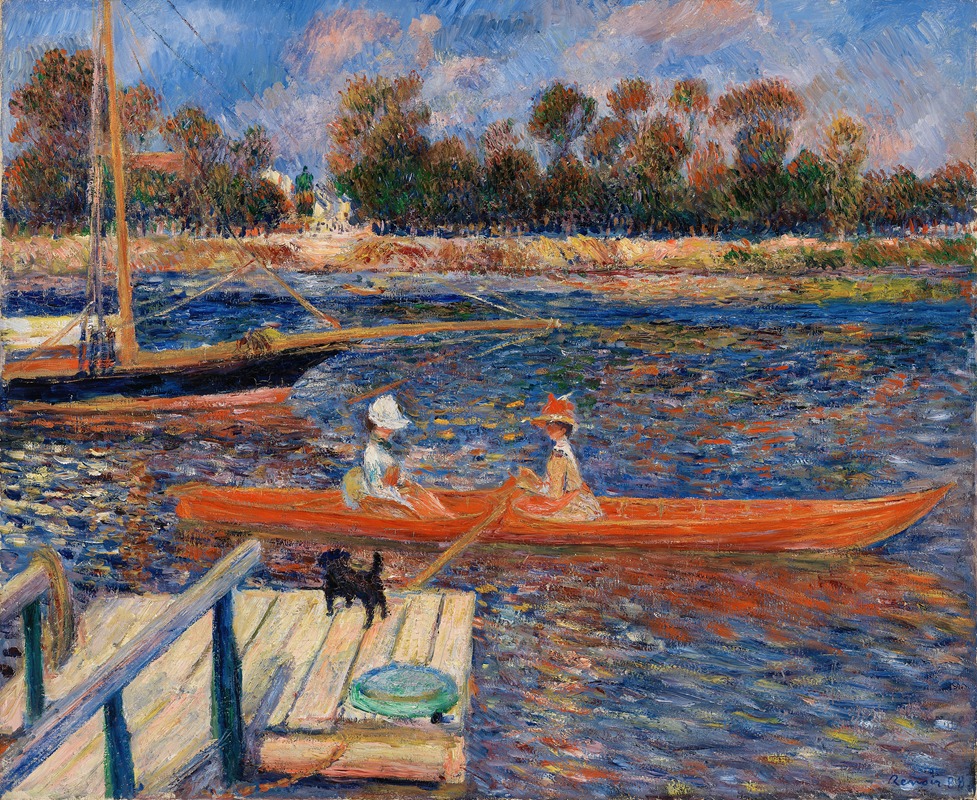
The Seine at Argenteuil (La Seine à Argenteuil)
Pierre-Auguste Renoir
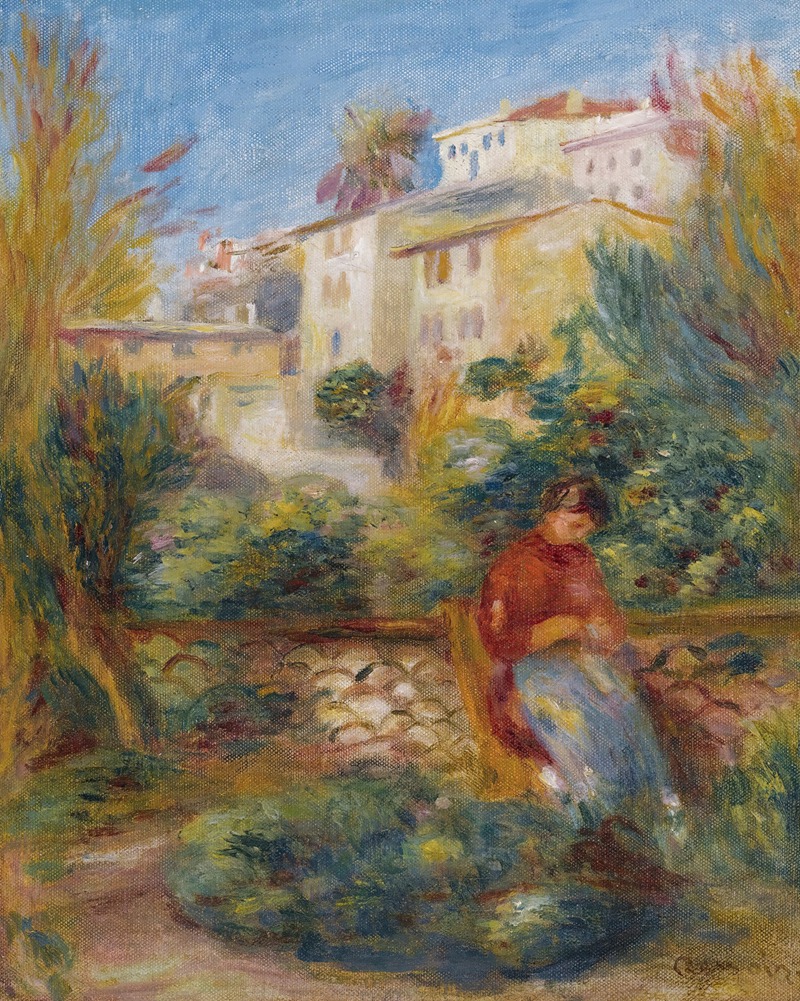
La Terrasse À Cagnes
Pierre-Auguste Renoir
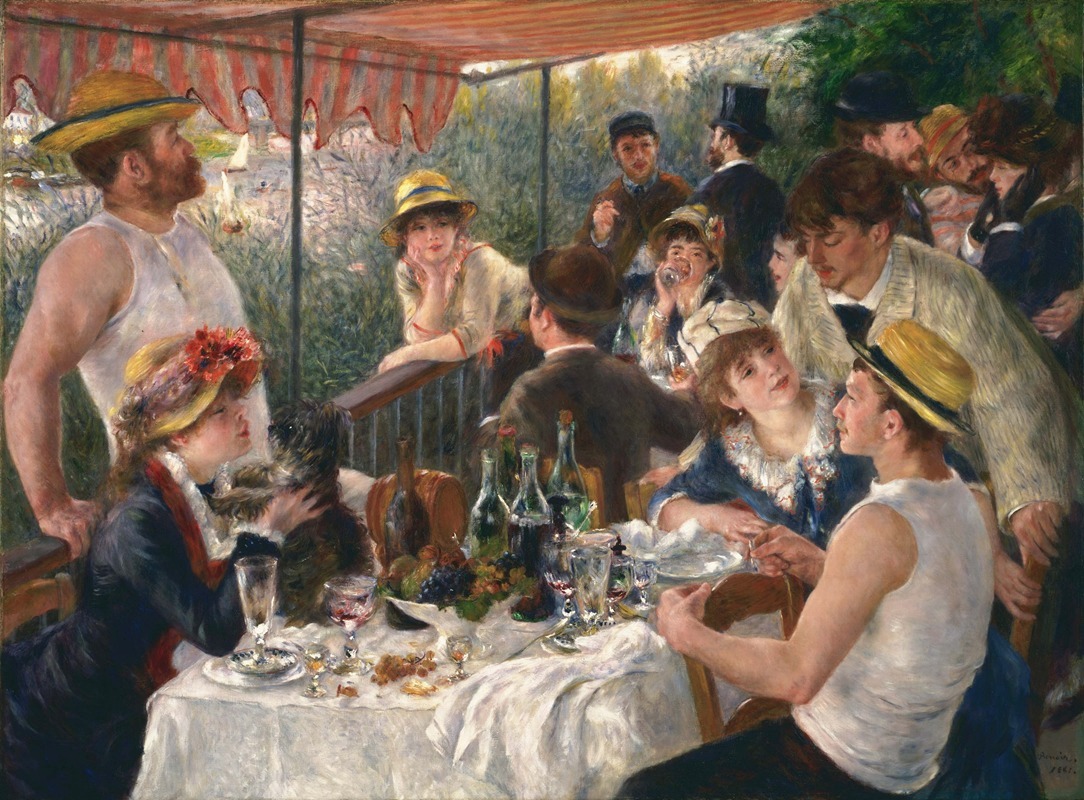
Luncheon of the Boating Party
Pierre-Auguste Renoir
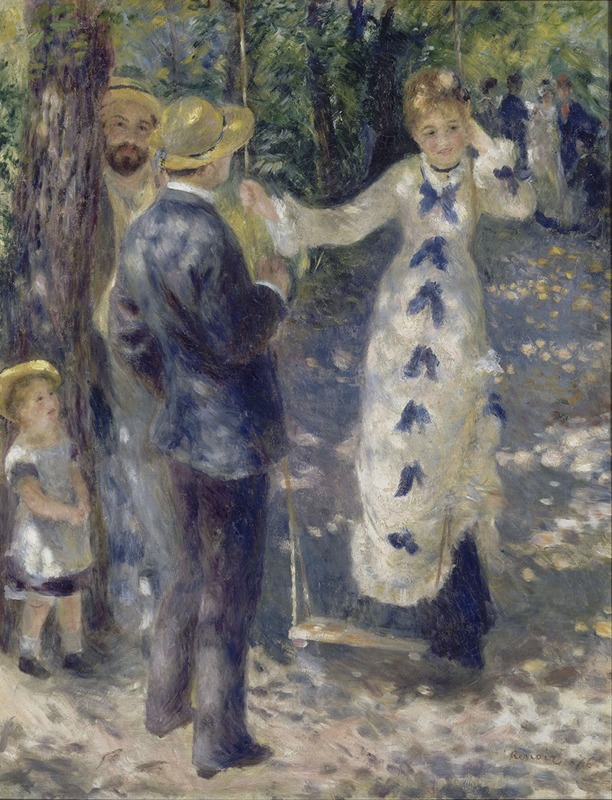
The Swing
Pierre-Auguste Renoir
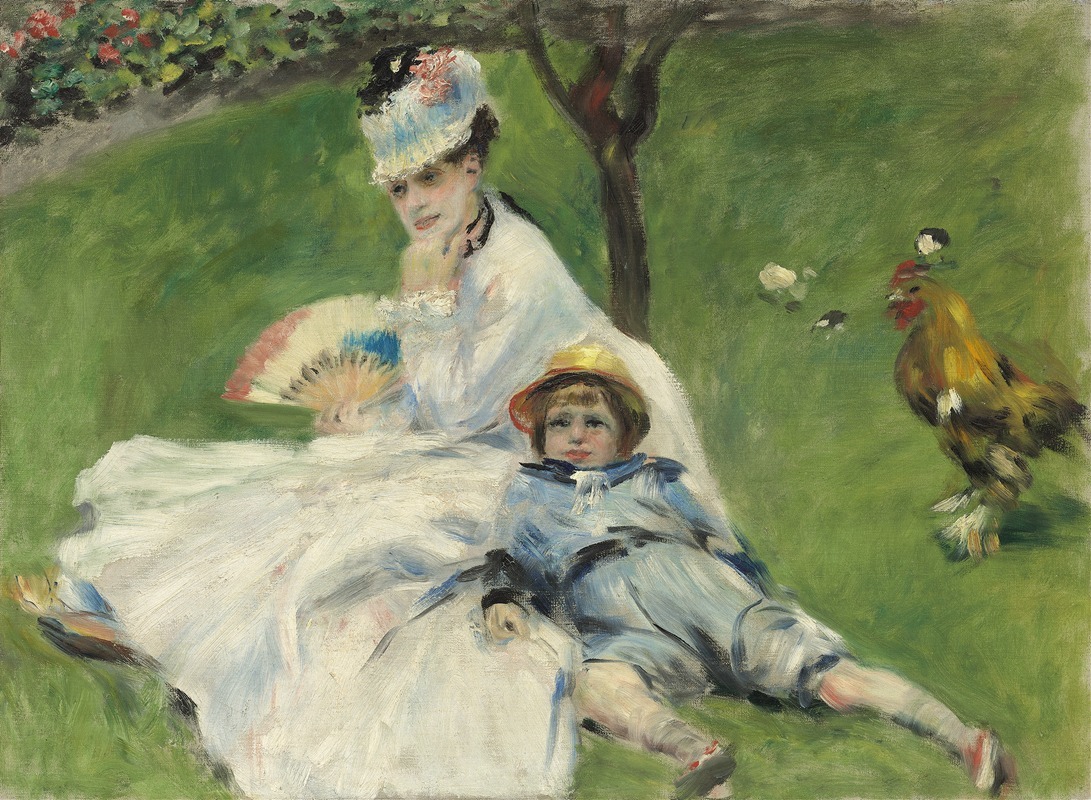
Madame Monet and Her Son
Pierre-Auguste Renoir
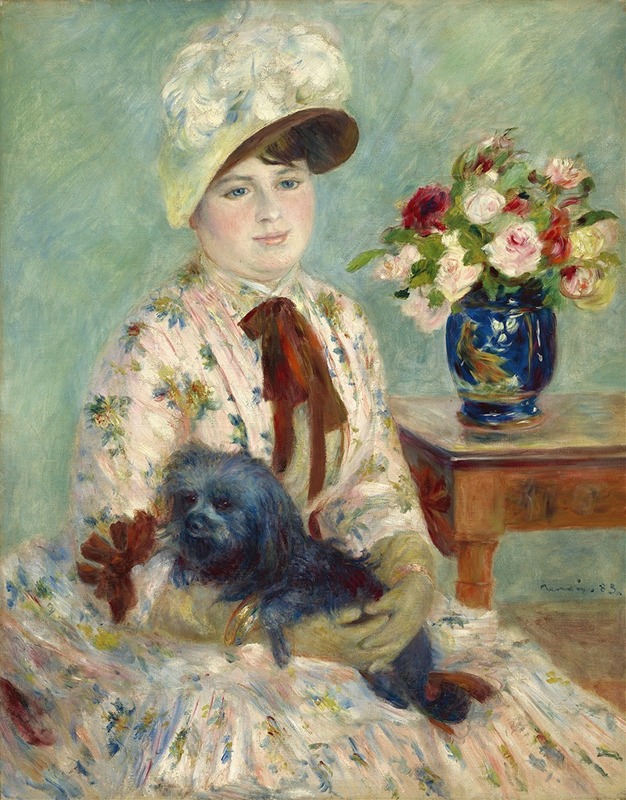
Mlle Charlotte Berthier
Pierre-Auguste Renoir