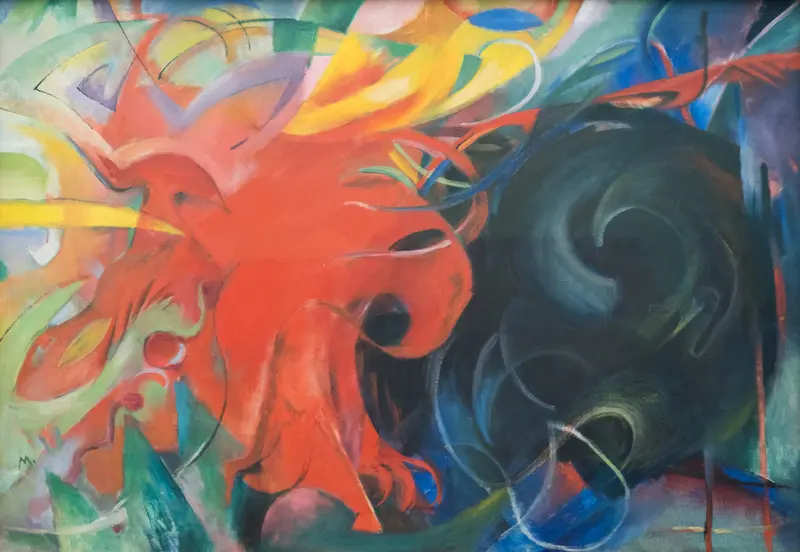
Vierkant met achthoek, rechthoeken en driehoeken — History & Facts
In Vierkant met achthoek, rechthoeken en driehoeken, Alfred Ost presents a vibrant composition filled with geometric shapes. The painting features squares, rectangles, and triangles, all interacting within a dynamic arrangement. The colors are bold and varied, with a mix of primary and secondary hues that create a lively atmosphere.
This abstract work invites viewers to explore the relationships between the shapes and colors. The technical execution of this painting showcases Ost's skill in handling color and form. The use of oil on canvas allows for rich textures and depth, enhancing the visual impact of the geometric elements. Viewers can observe the precise lines and angles that define each shape, contributing to the overall harmony of the composition.
The balance between the shapes is carefully considered, making it a striking example of modern abstract art. Alfred Ost was a Belgian painter known for his contributions to modernism and abstract art. This particular work, created in the 1920s, reflects the growing interest in geometric abstraction during that time. An interesting fact about this painting is its playful interaction of shapes, which challenges traditional perspectives on composition.
Ost's work continues to be appreciated for its innovative approach and vibrant expression.
More Artworks by Alfred Ost

Danseres
Alfred Ost

Dansers
Alfred Ost
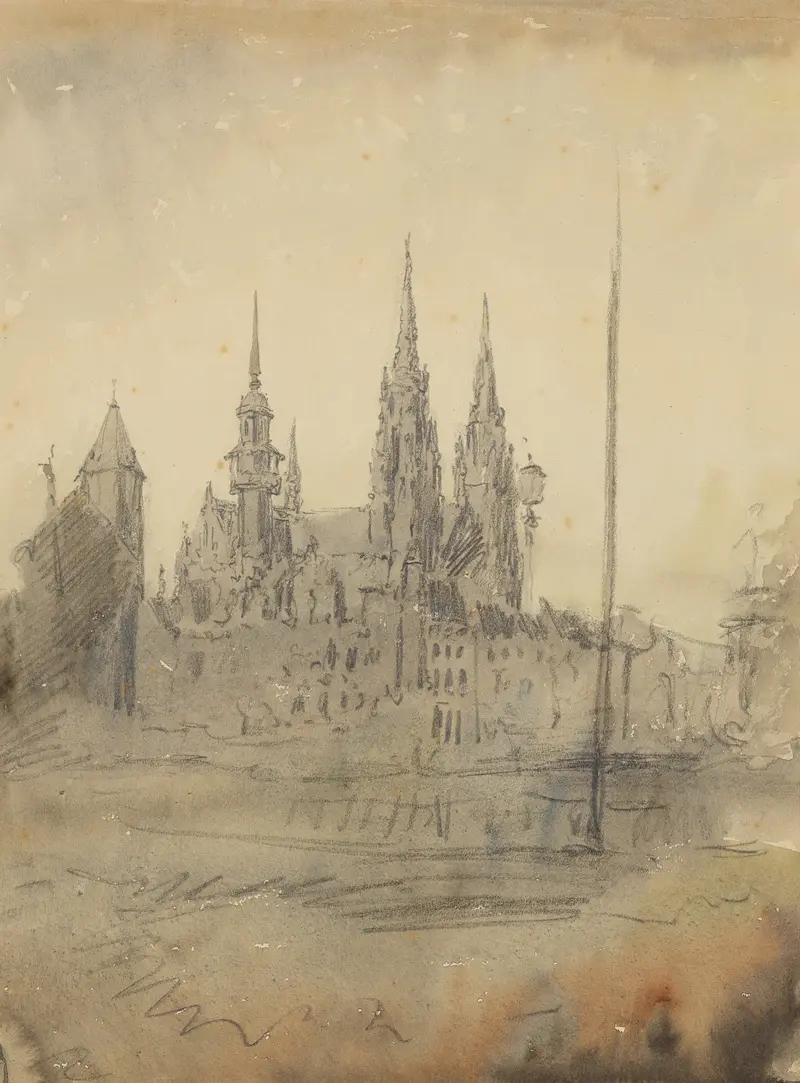
Oostende in de mist
Alfred Ost
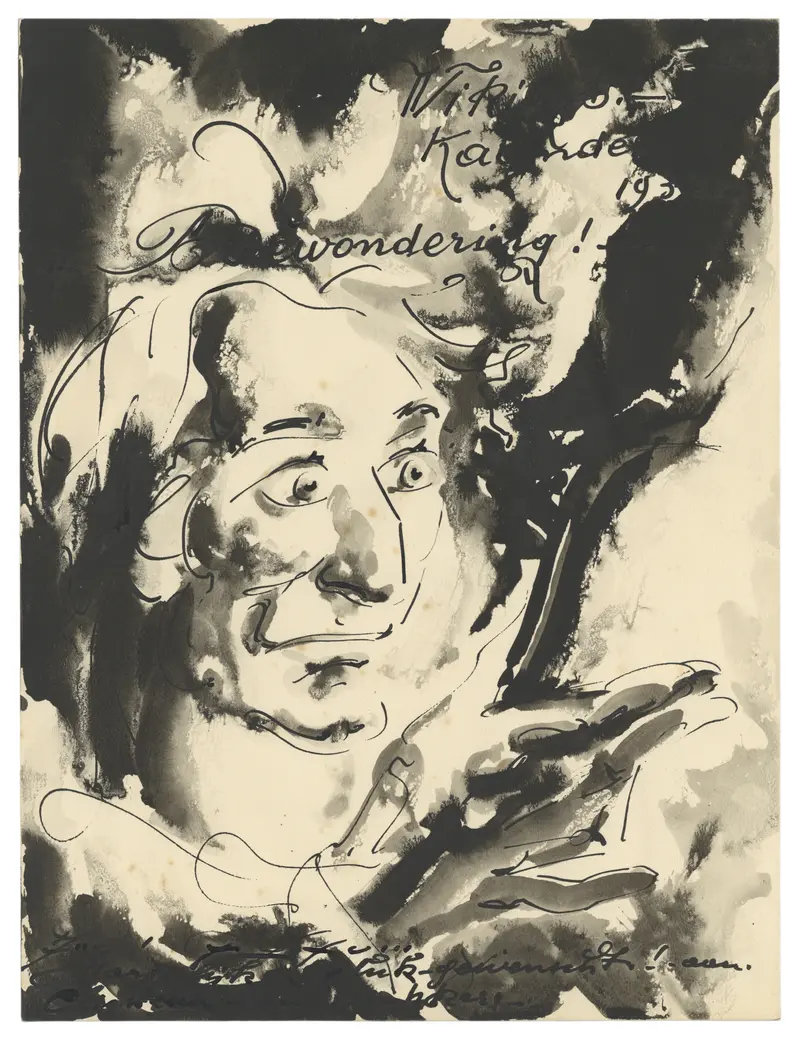
Vikingskalender – II Bewondering
Alfred Ost
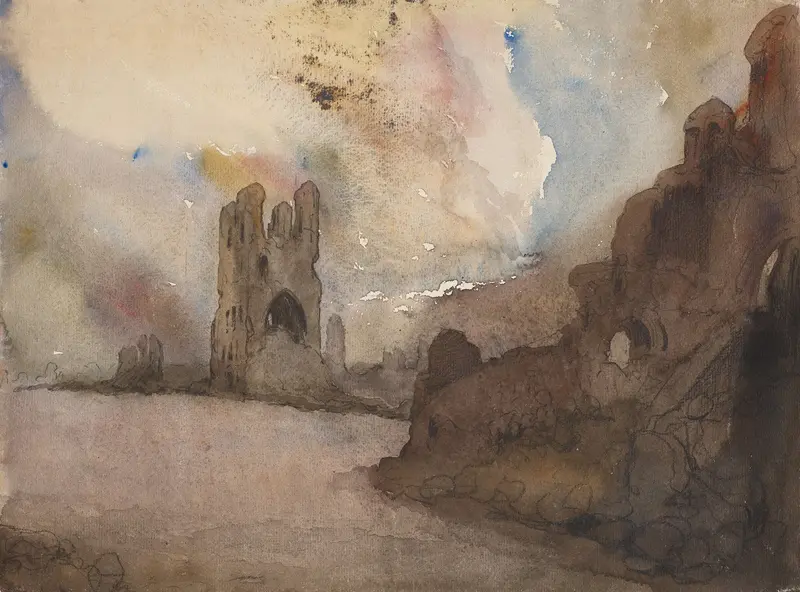
Ypres Remember
Alfred Ost
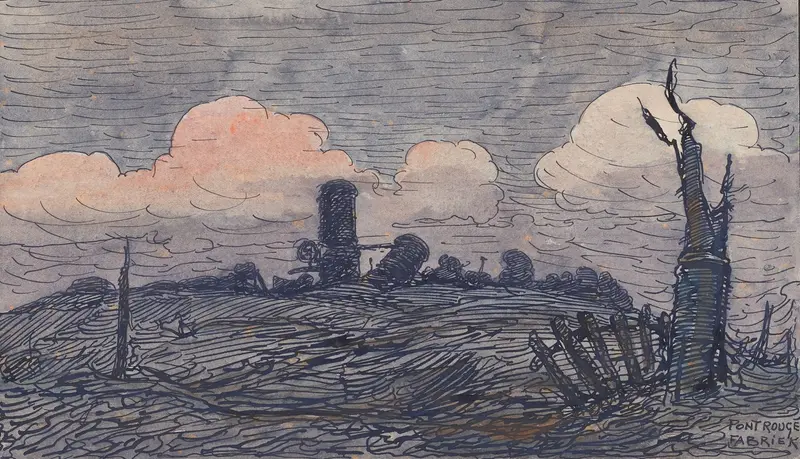
Ypres Remember
Alfred Ost
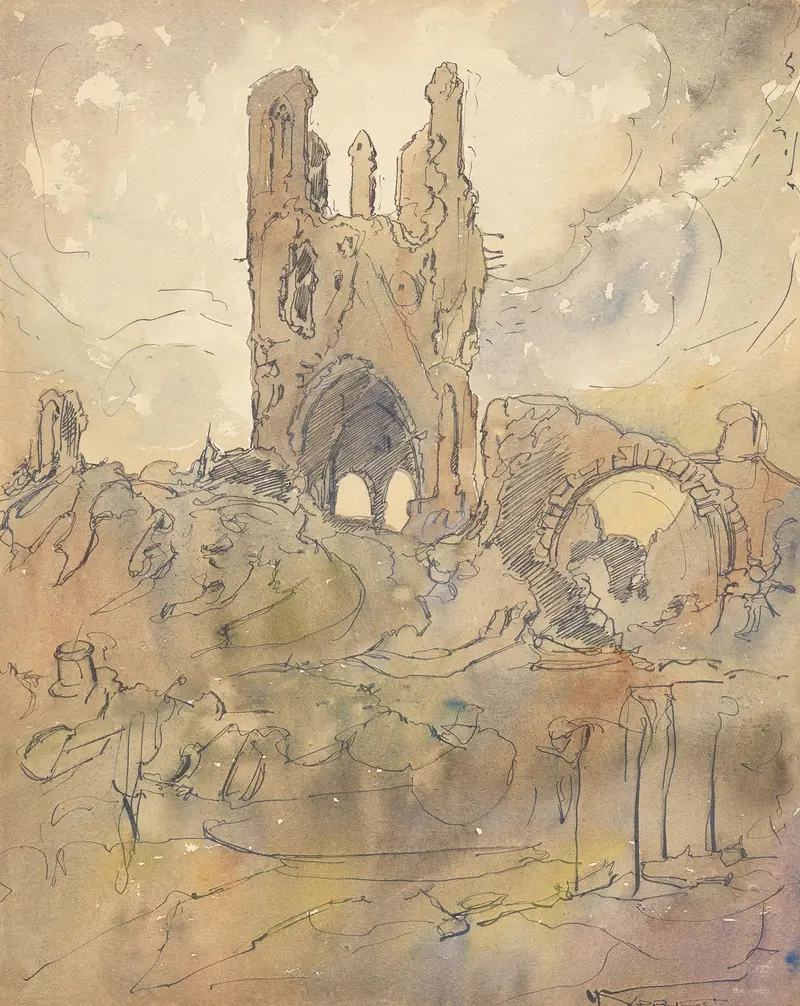
Ypres Remember
Alfred Ost
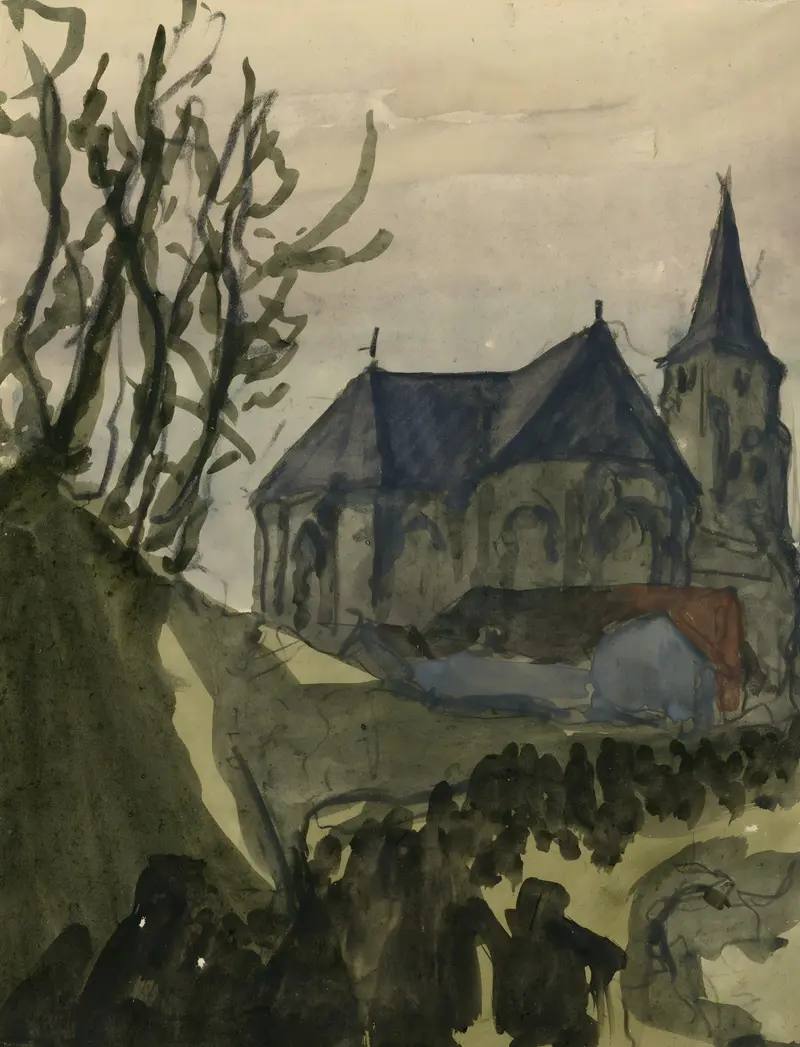
Bedevaarders op weg naar de Sint Salavtorkerk van Hakendover
Alfred Ost
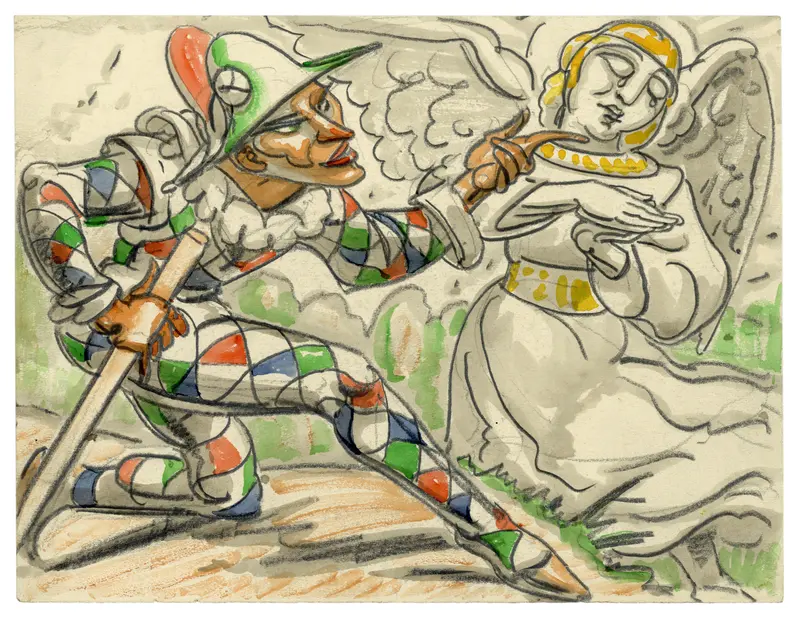
Harlekijn met engel
Alfred Ost

Antwerps havendok
Alfred Ost