
Vierkant met langwerpige driehoeken en achthoek — History & Facts
In Vierkant met langwerpige driehoeken en achthoek, Alfred Ost presents a vibrant composition filled with geometric shapes. The painting features a square, elongated triangles, and an octagon, all rendered in bright colors. The interplay of these forms creates a dynamic visual rhythm.
The background is likely a solid color that enhances the shapes' prominence. The painting is executed in oil on canvas, showcasing Ost's skill in manipulating color and form. The geometric shapes are sharply defined, with clean lines that emphasize their structure. The use of color is bold, with contrasting hues that draw the viewer's eye.
This work exemplifies the characteristics of modernism, focusing on abstraction and geometry. Alfred Ost was a Belgian painter known for his contributions to modernist art. This particular work, created in the 1920s, reflects the growing interest in abstraction during that period. An interesting fact about this piece is its exploration of geometric forms, which was a significant trend in the early 20th century.
Ost's work often combines elements of color theory and composition, making it a notable example of modernist aesthetics.
More Artworks by Alfred Ost

Danseres
Alfred Ost

Dansers
Alfred Ost
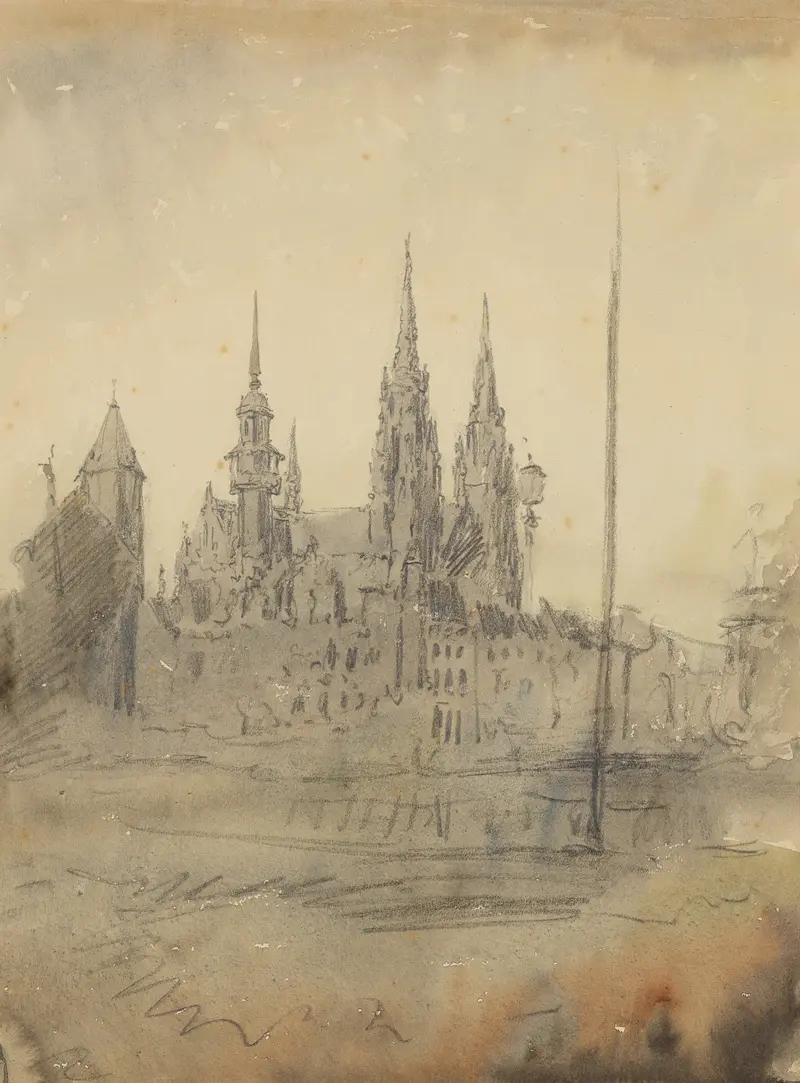
Oostende in de mist
Alfred Ost
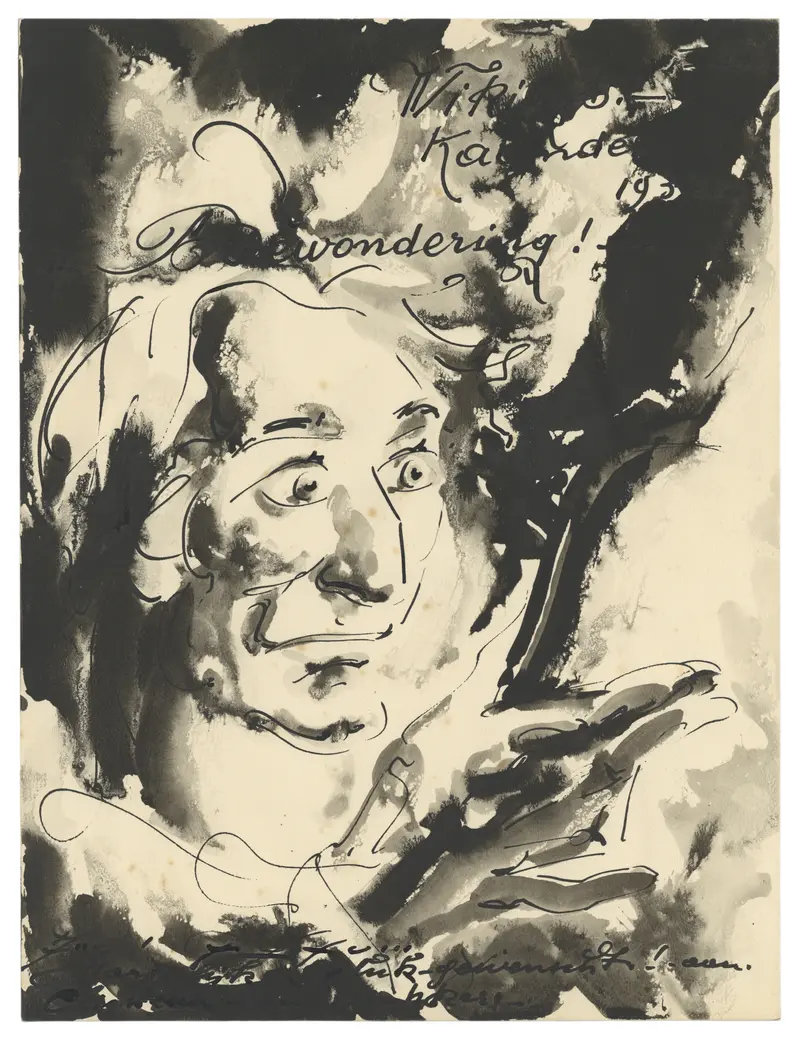
Vikingskalender – II Bewondering
Alfred Ost
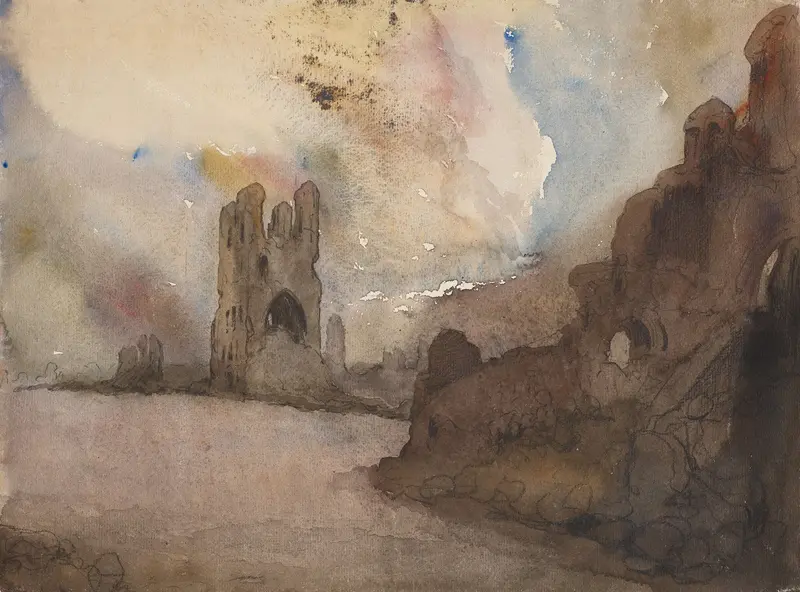
Ypres Remember
Alfred Ost
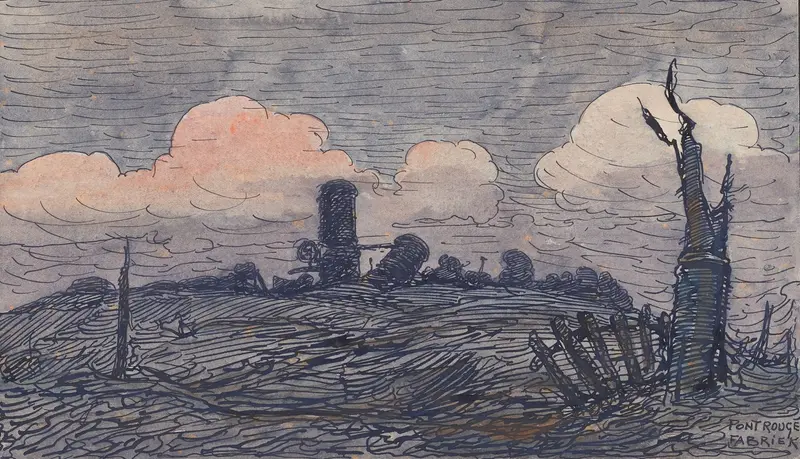
Ypres Remember
Alfred Ost
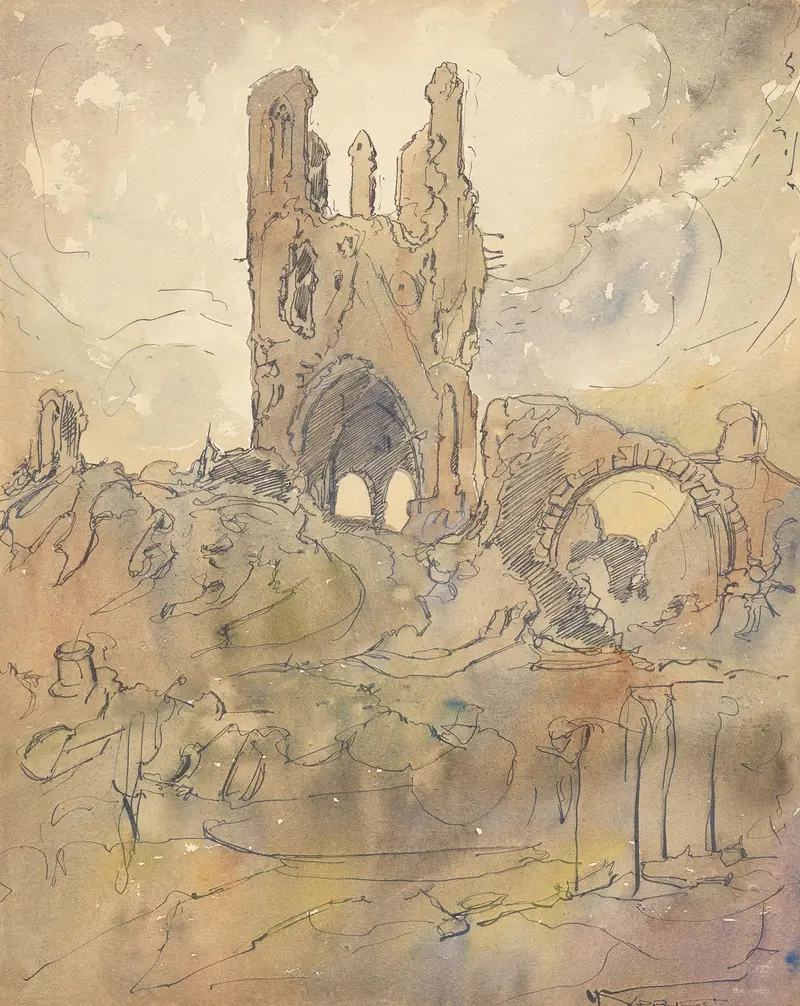
Ypres Remember
Alfred Ost
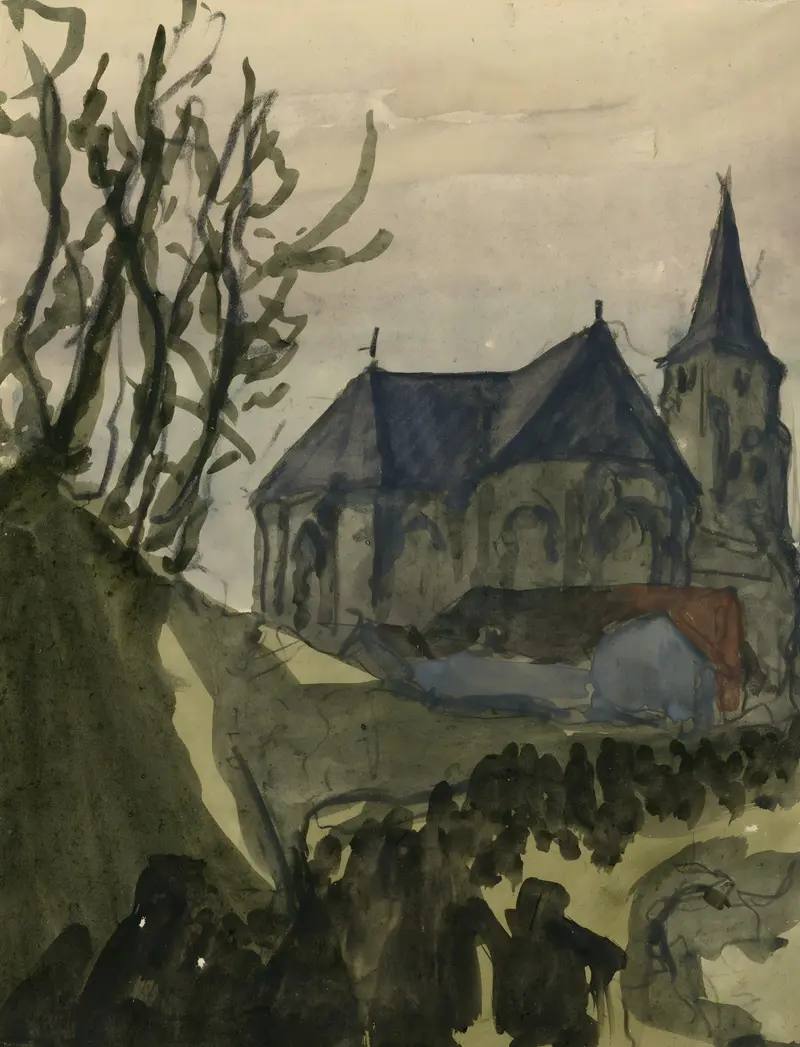
Bedevaarders op weg naar de Sint Salavtorkerk van Hakendover
Alfred Ost
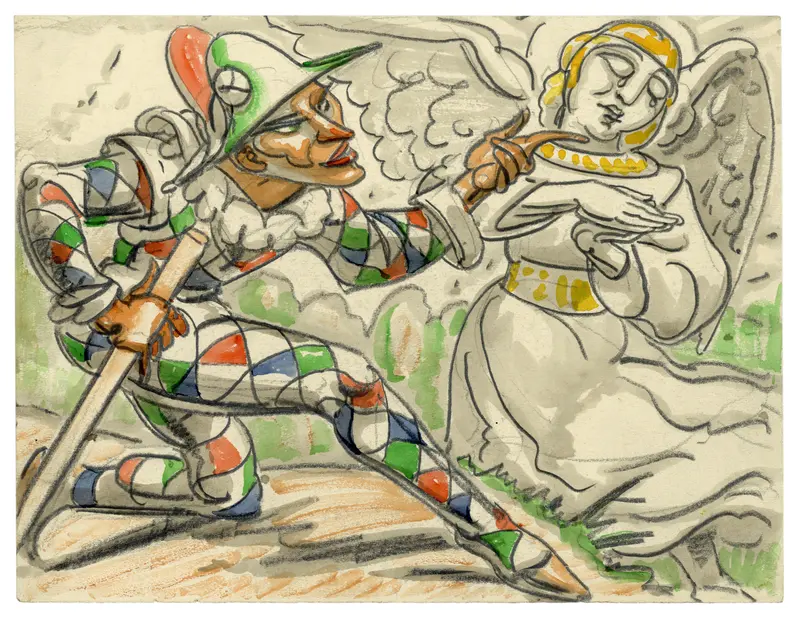
Harlekijn met engel
Alfred Ost

Antwerps havendok
Alfred Ost





