
Vierkant met ruit en driehoek — History & Facts
In Vierkant met ruit en driehoek, Alfred Ost employs a vibrant palette of colors, primarily focusing on geometric shapes such as squares, diamonds, and triangles. The composition is dynamic, with overlapping forms that create a sense of movement and depth. The use of bold colors contrasts sharply, drawing the viewer's eye to the central elements.
This painting exemplifies the abstract style, emphasizing form over representational content. The painting showcases a variety of colors, including reds, blues, and yellows, which are applied in a flat manner typical of Cubism. The geometric shapes are arranged in a way that challenges traditional perspectives, inviting viewers to engage with the artwork from multiple angles. The brushwork is precise, highlighting the clarity of the forms.
This attention to detail is a hallmark of Ost's approach to abstract art. Alfred Ost was a Belgian painter associated with the Cubism movement, known for his innovative use of geometric forms. 'Vierkant met ruit en driehoek' reflects his interest in abstraction and the exploration of space. An interesting fact about this work is that it was created during a time when many artists were moving away from traditional representation, embracing new ways to depict reality.
Ost's contributions to abstract art have been recognized, although he remains less known compared to his contemporaries.
More Artworks by Alfred Ost

Danseres
Alfred Ost

Dansers
Alfred Ost
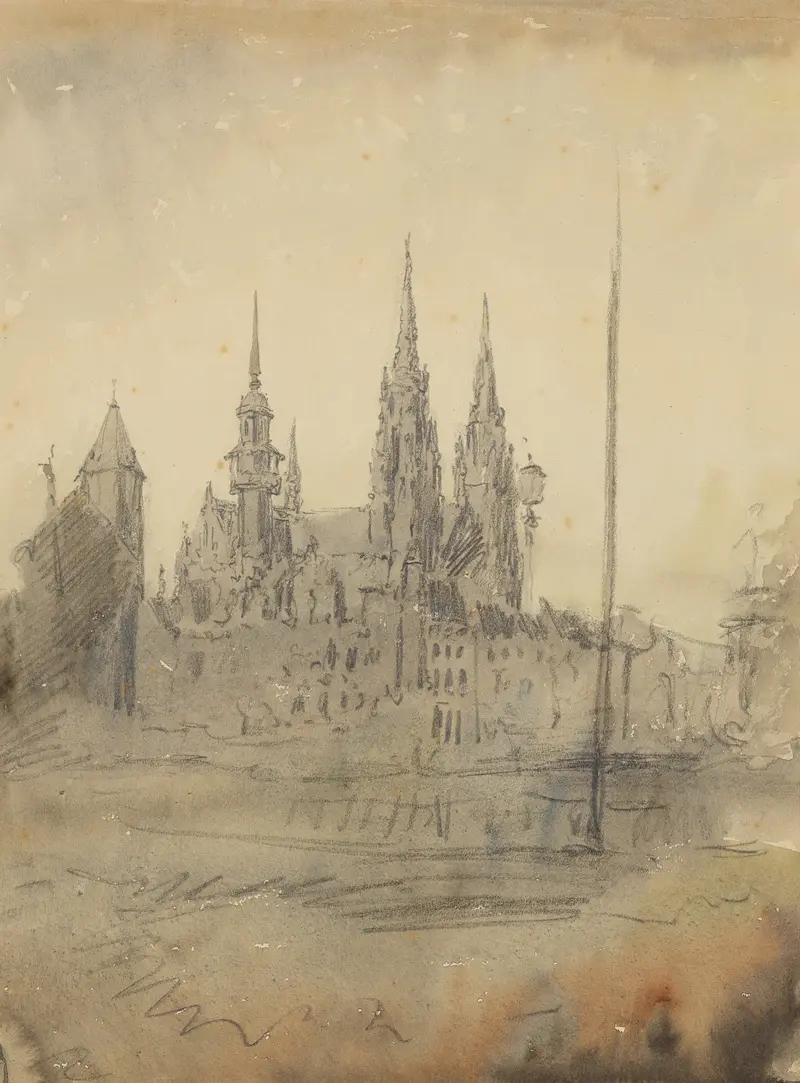
Oostende in de mist
Alfred Ost
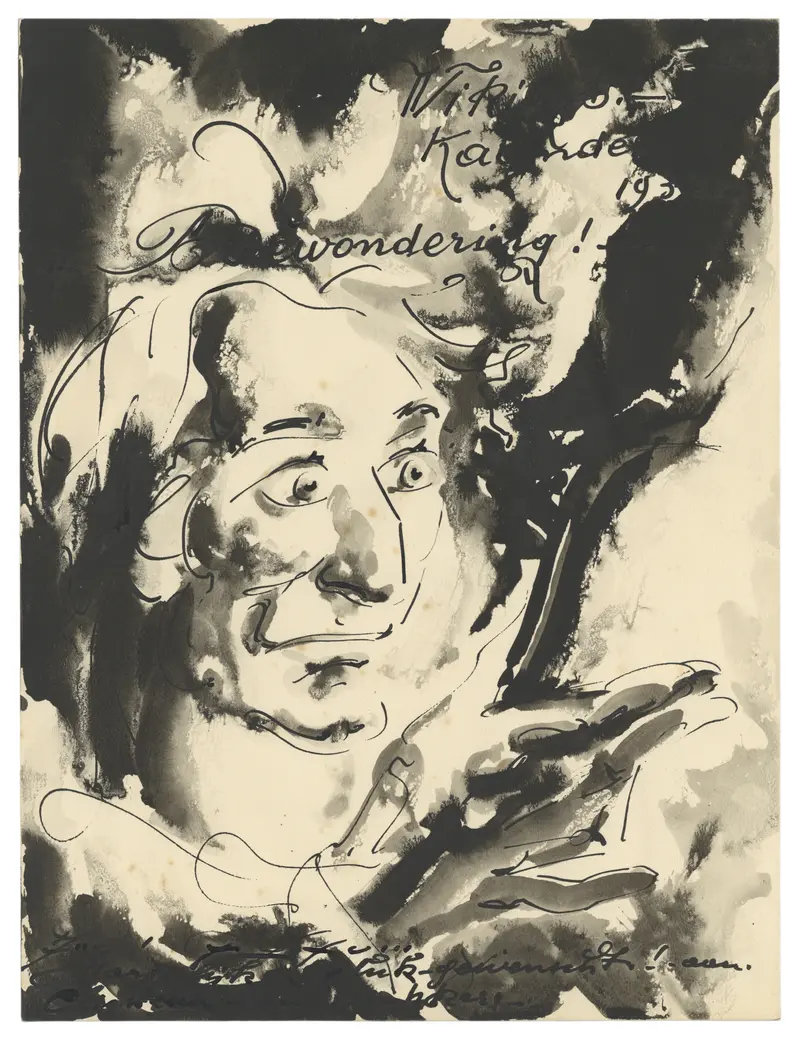
Vikingskalender – II Bewondering
Alfred Ost
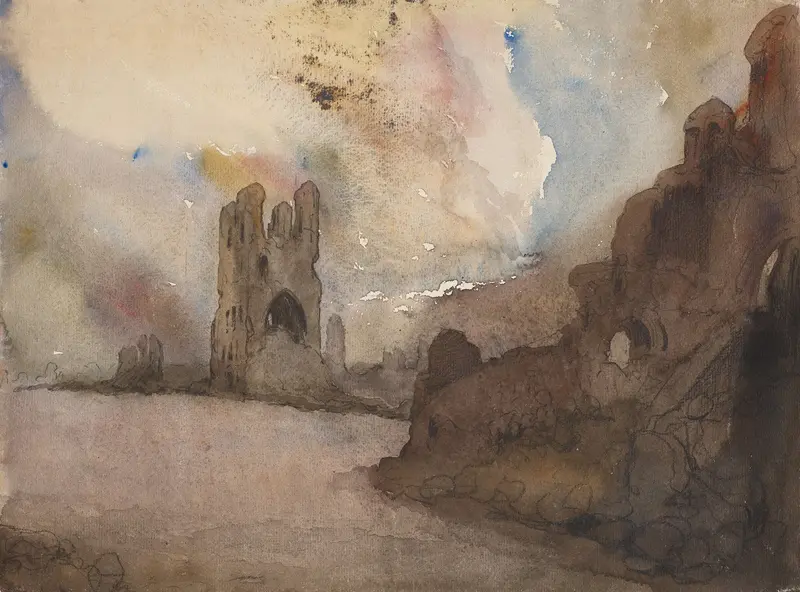
Ypres Remember
Alfred Ost
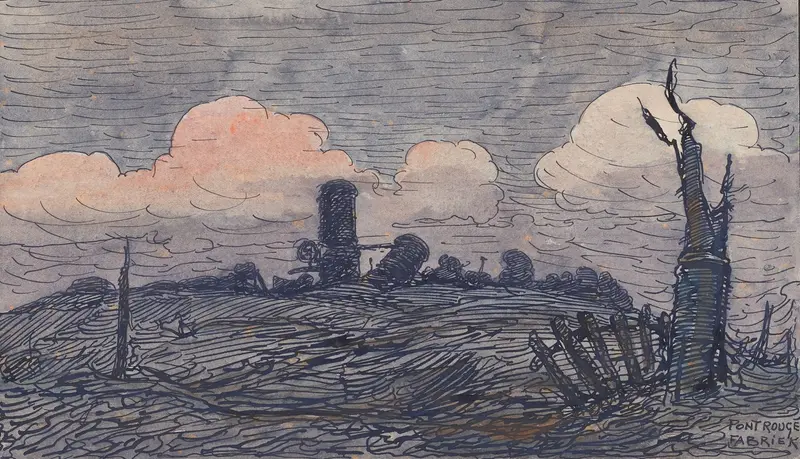
Ypres Remember
Alfred Ost
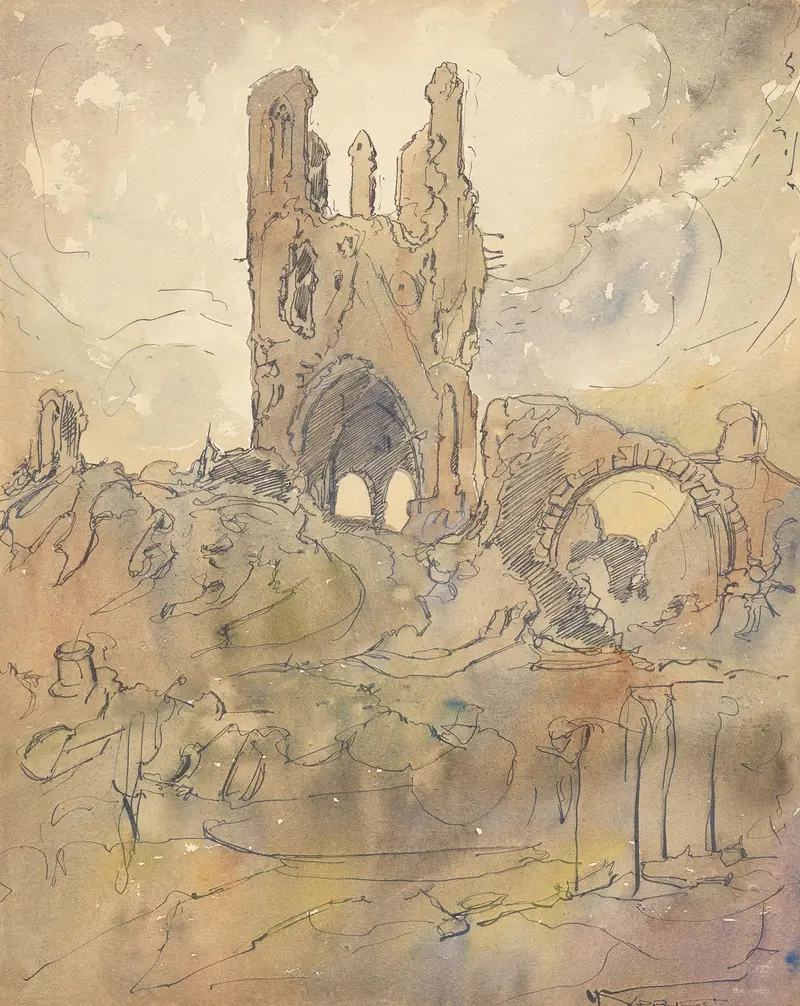
Ypres Remember
Alfred Ost
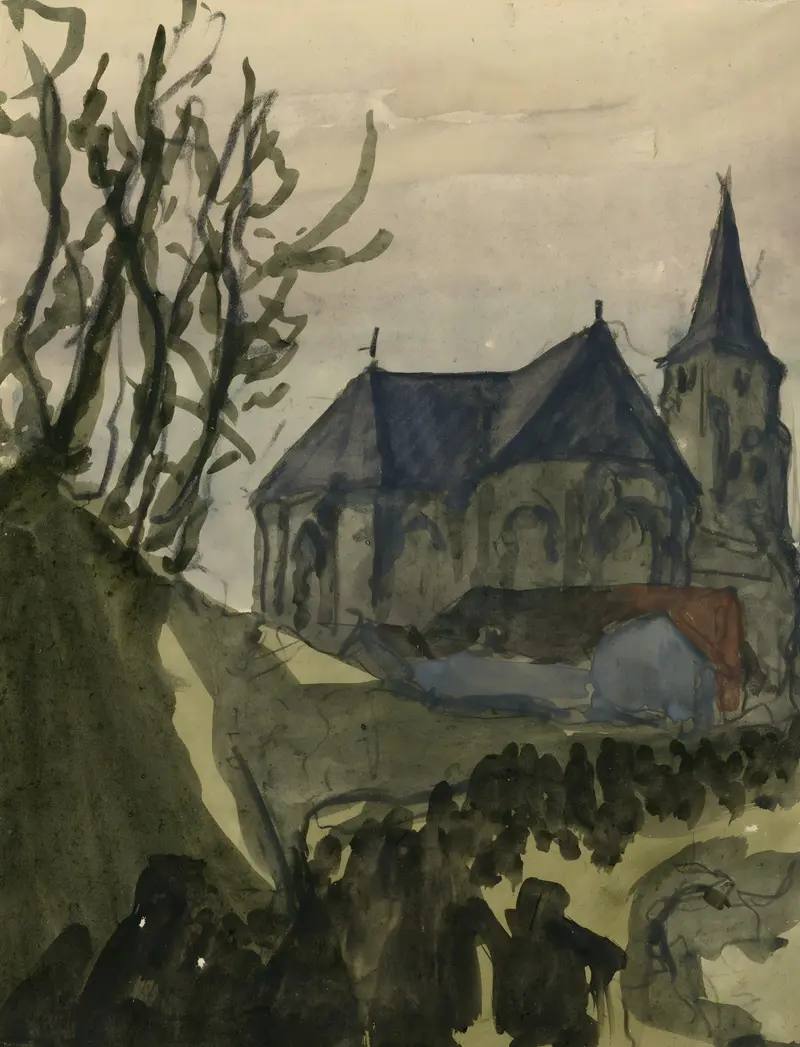
Bedevaarders op weg naar de Sint Salavtorkerk van Hakendover
Alfred Ost
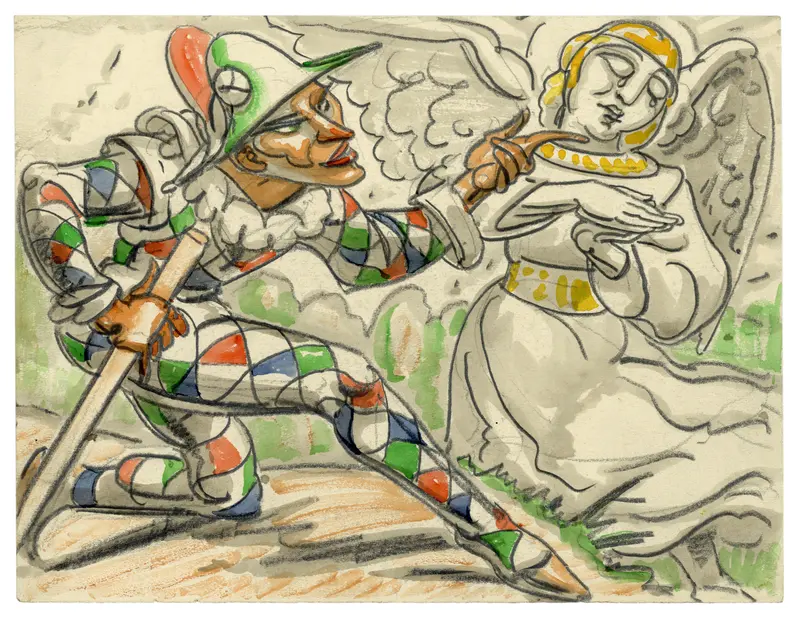
Harlekijn met engel
Alfred Ost

Antwerps havendok
Alfred Ost





