
View from a Rocky Coast on the Sea — History & Facts
When did color learn to lie? The tumultuous dance of blues and greens evokes a sense of ecstasy, a reminder that nature can be both beautiful and deceptive. Focus on the vibrant hues swirling in each stroke—the deep cerulean of the sky inviting you into its vastness, while the emerald waves crash upon the rocky coast with both force and grace. Notice how the artist captures the play of light, as it glimmers on the water’s surface, creating a shimmering veil that almost veils the chaos beneath. The layering of color invites the viewer to delve deeper, to lose themselves in the endless horizon where the world seems to meld into dream. As you absorb the scene, consider the tension created by the stark contrast between the rigid rocks and the fluid sea—an interplay of stability and motion.
Each element, from the craggy textures of the shoreline to the undulating waves, embodies a visceral energy, hinting at the struggle between nature’s ferocity and its serene beauty. The composition speaks to the viewer's soul, suggesting that ecstasy often comes wrapped in the complexity of raw emotion and unpredictable experience. In 1912, the artist found himself amidst a world on the brink of change, enveloped by the fervor of modernist movements that sought to redefine perception. Painting from a coastal vantage point in Europe, he worked amidst burgeoning artistic dialogues that questioned reality itself.
This piece reflects not just a personal vision but a collective yearning for new interpretations of both nature and emotion during a transformative time in art history.
More Artworks by Ernst Schiess
Browse all →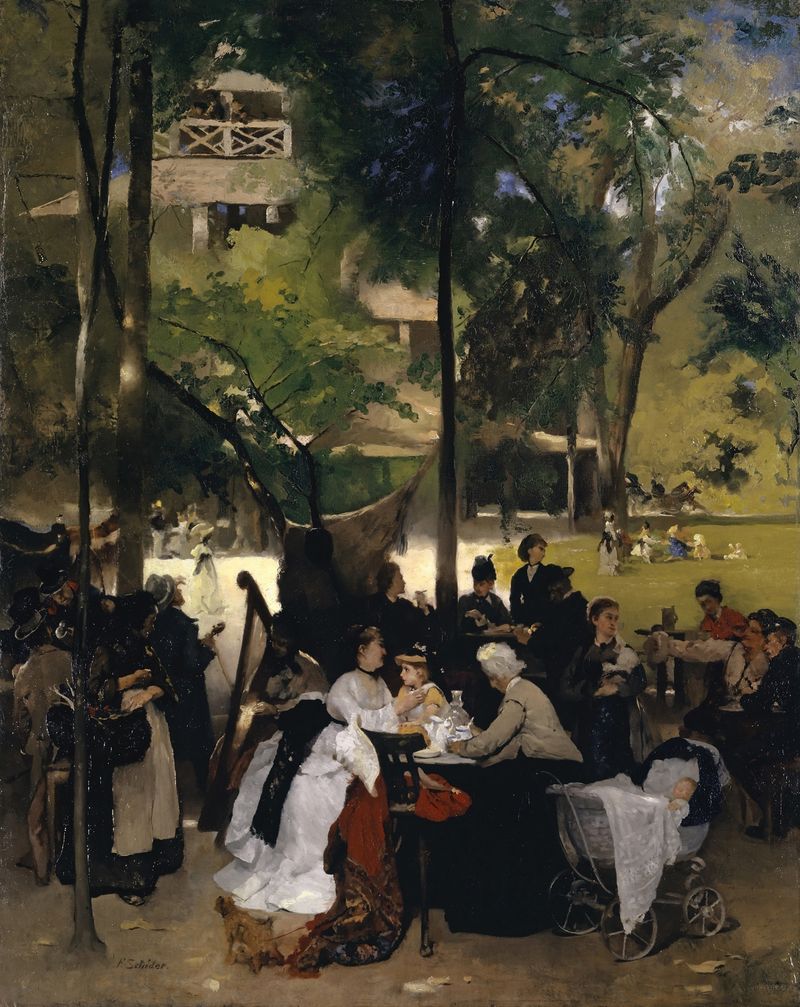
The Chinese Tower in the English Garden in Munich
Ernst Schiess

Evening Walk Above a Southern Lake
Ernst Schiess
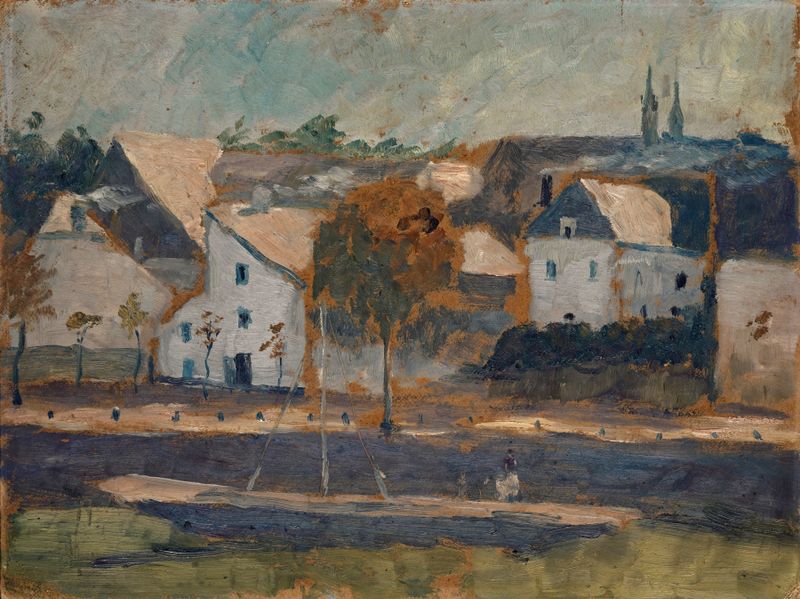
Kleine Stadt an Kanal
Ernst Schiess
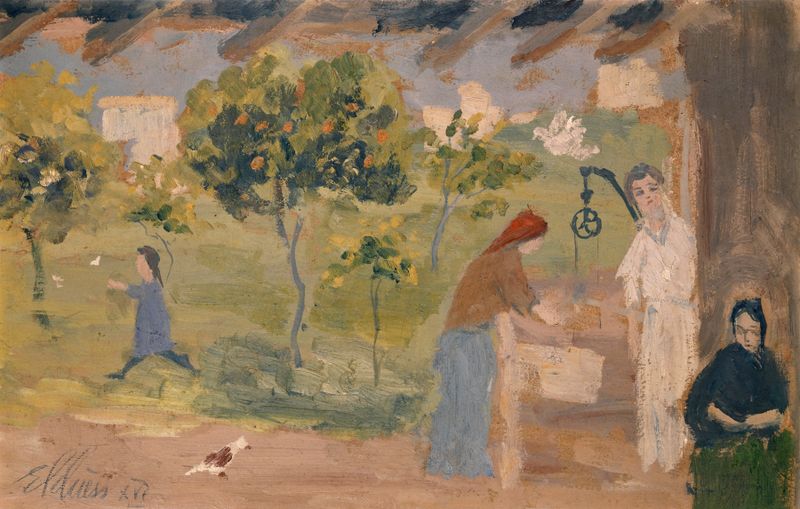
At the Fountain
Ernst Schiess

At the Harbour of Palma de Mallorca
Ernst Schiess
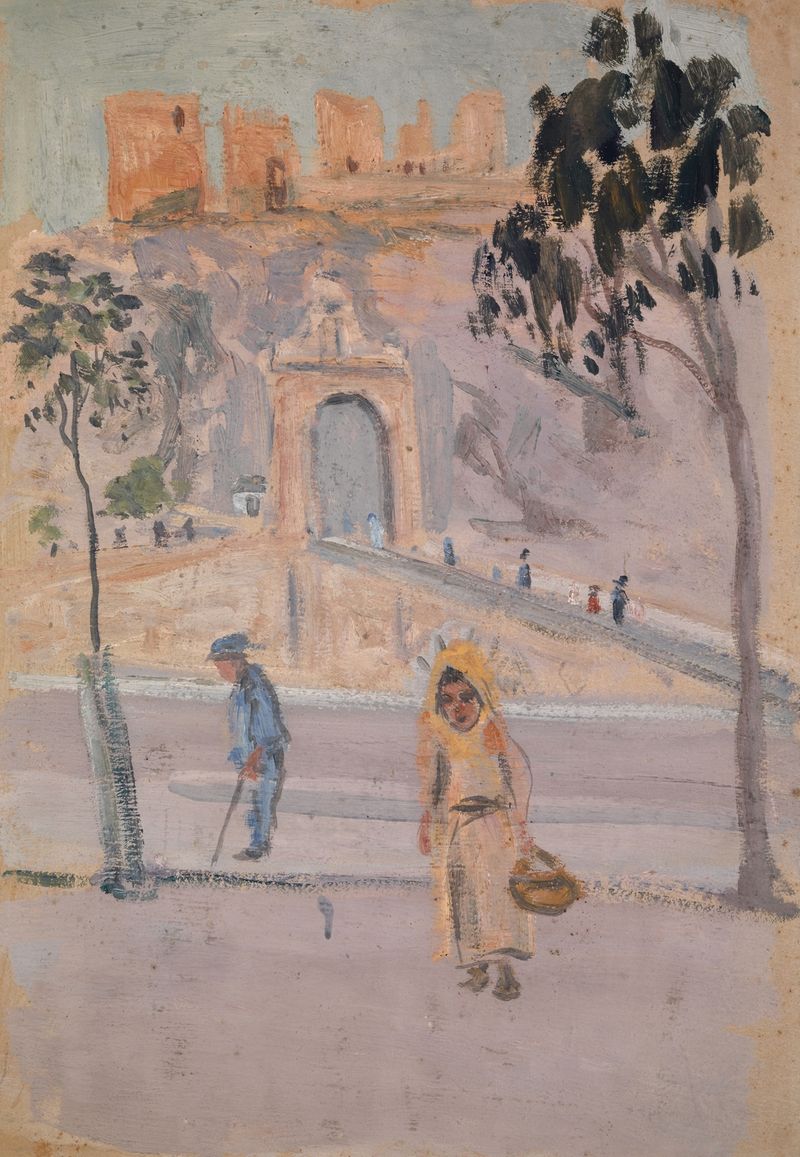
Alcantarabridge and Castillo de San Servando at Toledo
Ernst Schiess
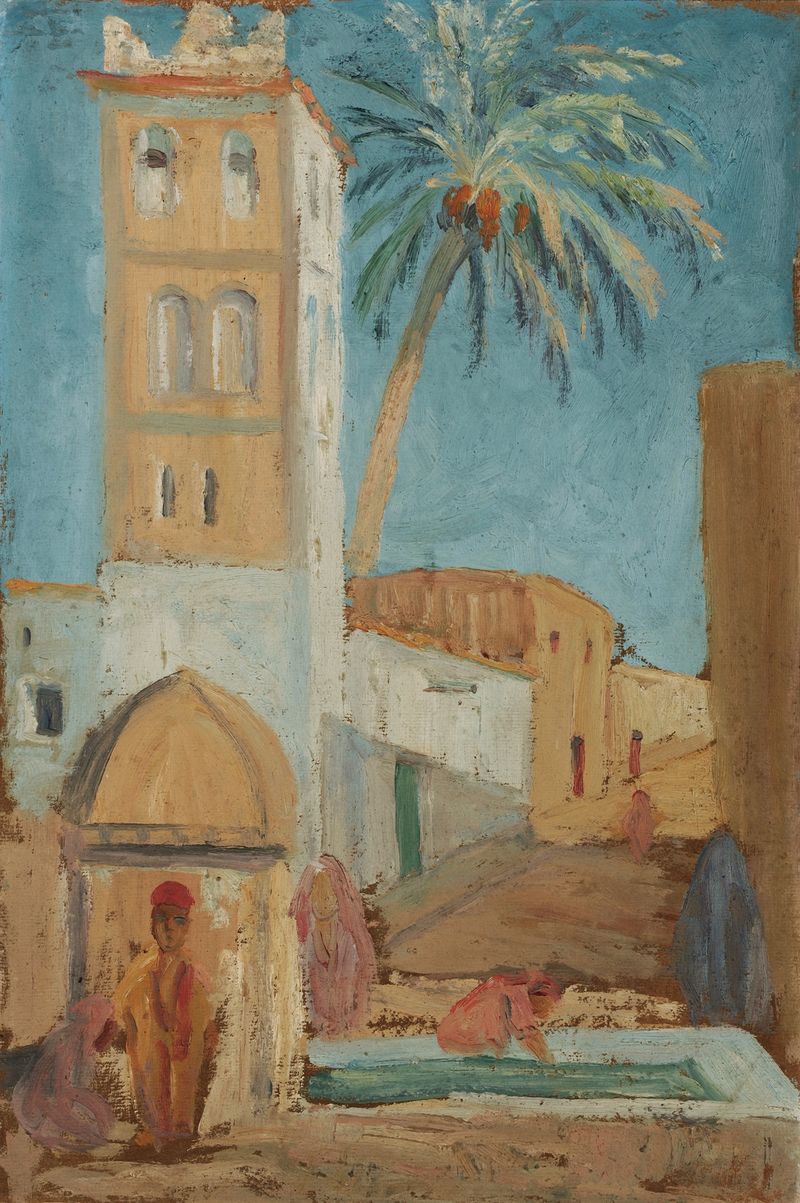
Scene at a Fountain in a Moroccan Place
Ernst Schiess
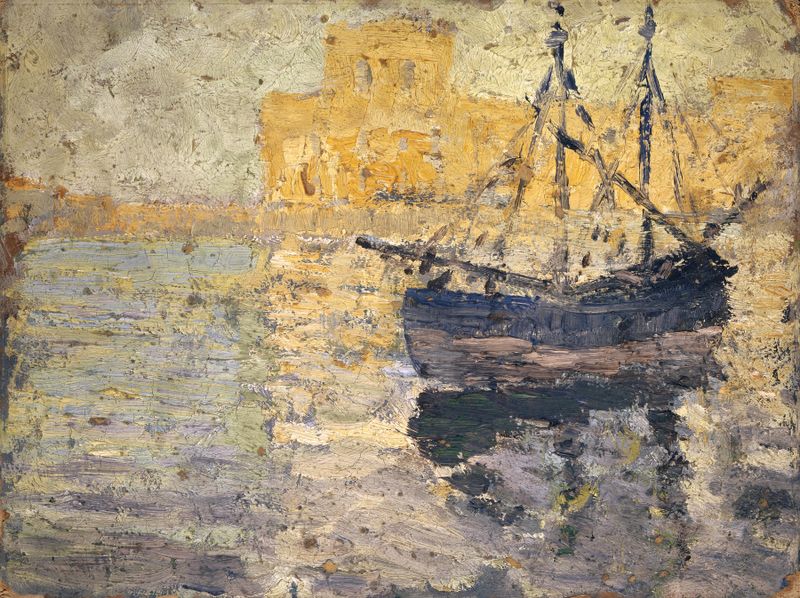
Harbour with Sailing Boat
Ernst Schiess
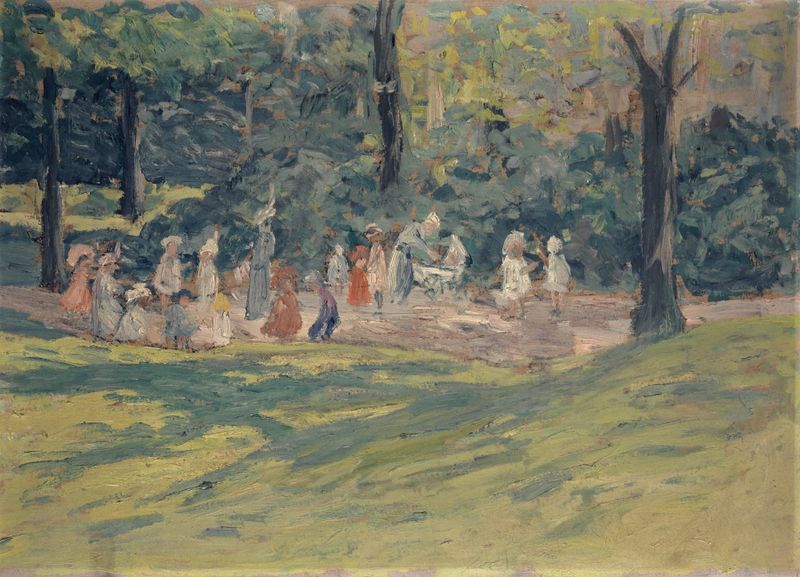
Children Playing in a Public Park
Ernst Schiess

Mohammedanischer Friedhof
Ernst Schiess





