
View from the Fontana Acetosa, Rome — History & Facts
Who listens when art speaks of silence? The echoes of decay linger in the air, inviting contemplation amid the remnants of grandeur. Look to the foreground where the crumbling stones of a once-majestic structure emerge from a lush expanse of greenery. Notice how the artist captures light filtering through the foliage, casting dappled shadows that play delicately on the surface of the earth. The muted palette of greens and browns evokes a sense of wistfulness, drawing your gaze toward the solemnity of both nature and architecture intertwined in a gentle embrace.
The composition balances the starkness of deterioration with the vibrancy of life, hinting at the passage of time that softens all edges. As you explore the background, subtle contrasts reveal deeper meanings—an interplay between the past and present, vitality and decay. The juxtaposition of the dense foliage against the remnants of stone hints at history's relentless march, suggesting that beauty exists even in decline. The artist weaves a narrative of resilience; the very act of nature reclaiming its territory serves as a poignant reminder of life's transience and the cycles of creation and disintegration. Eckersberg painted this scene between 1814 and 1816, during a period when Neoclassicism was yielding to Romanticism in Europe.
Living in Rome, he was deeply influenced by the classical architecture that surrounded him, as well as the burgeoning fascination with the sublime in nature. This artwork reflects not only his personal artistic journey but also the shifting tides in the cultural landscape, where the lure of the ancient world met the emerging voice of individual emotion and experience.
More Artworks by Christoffer Wilhelm Eckersberg
Browse all →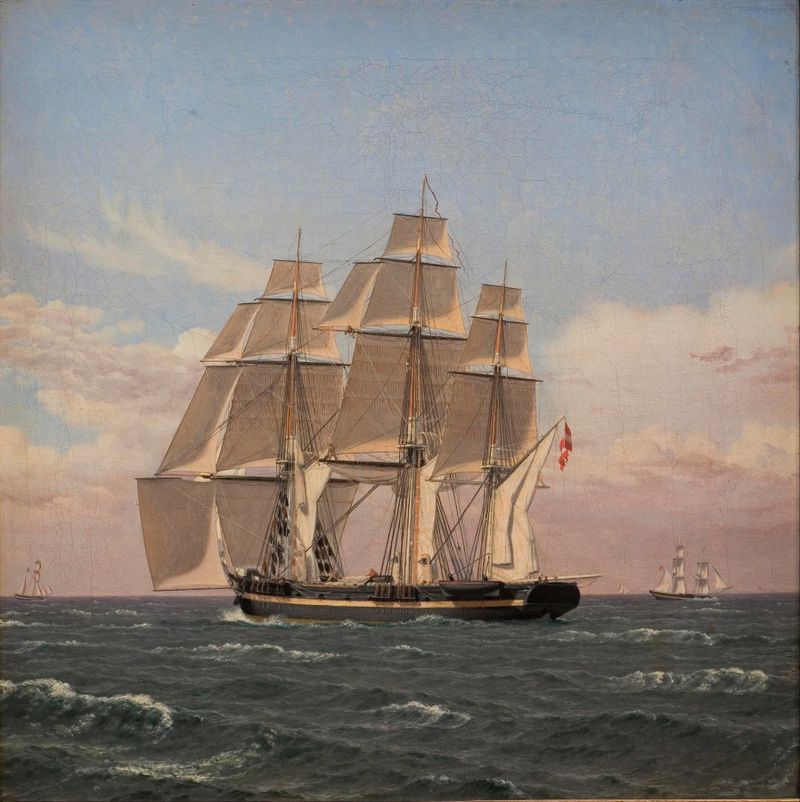
The corvette Najaden under sail
Christoffer Wilhelm Eckersberg

The Corvette Najaden under Sail
Christoffer Wilhelm Eckersberg
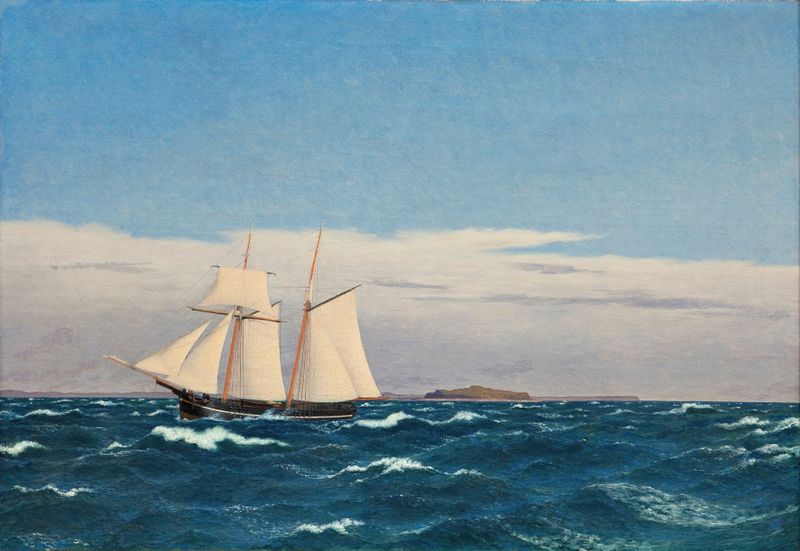
Seascape with the island of Hjelm and the coast of Jutland
Christoffer Wilhelm Eckersberg
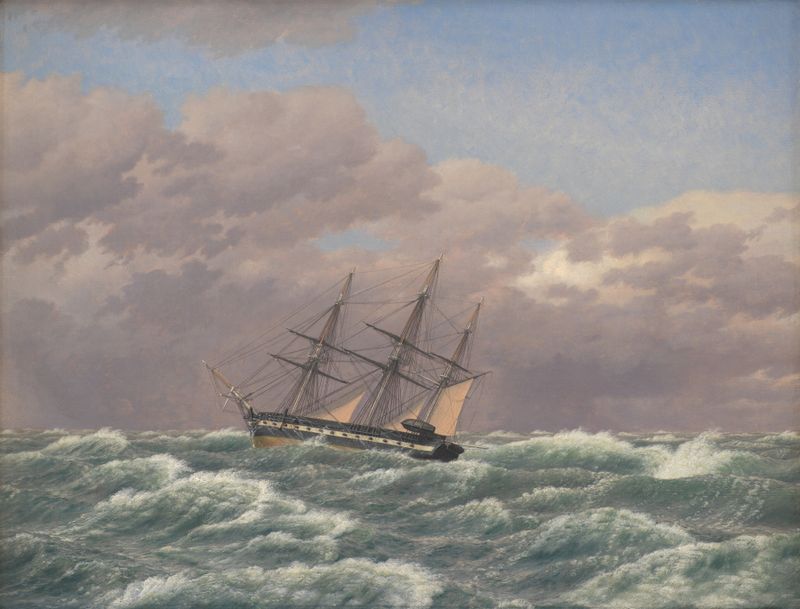
The Corvette ‘Galathea’ in a Storm in the North Sea
Christoffer Wilhelm Eckersberg
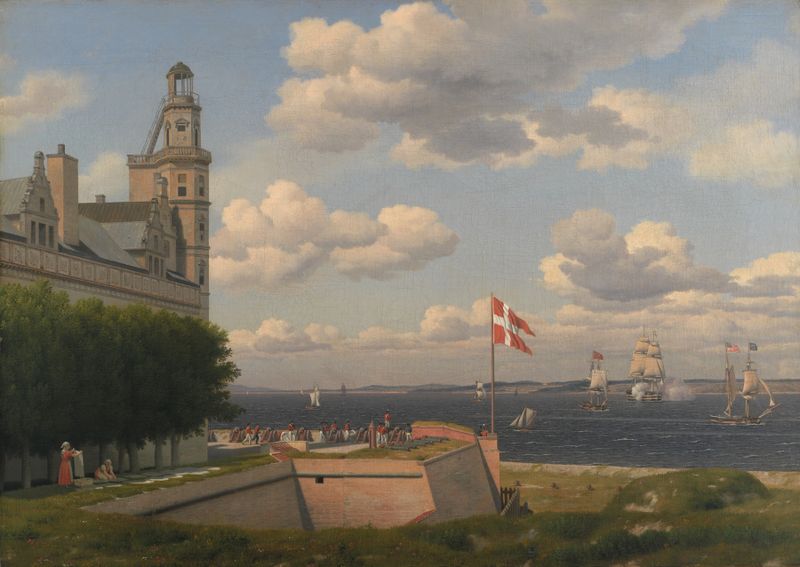
A View towards the Swedish Coast from the Ramparts of Kronborg Castle
Christoffer Wilhelm Eckersberg
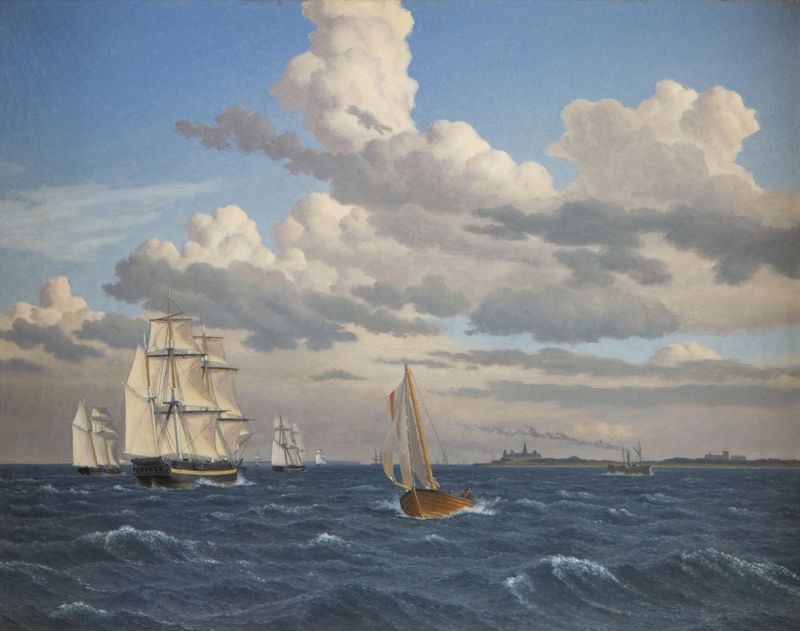
Ships in the Sound North of Kronborg Castle, Elsinore
Christoffer Wilhelm Eckersberg
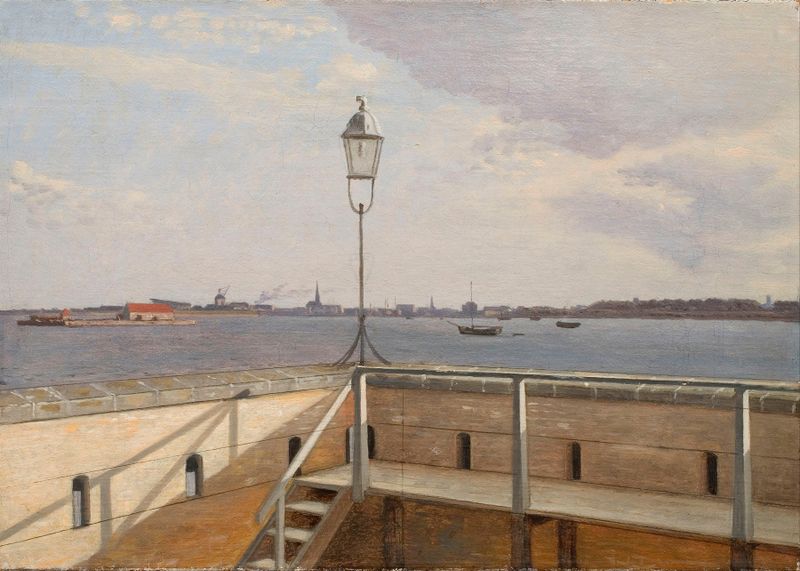
View from the Trekroner Battery with Copenhagen in the distance
Christoffer Wilhelm Eckersberg
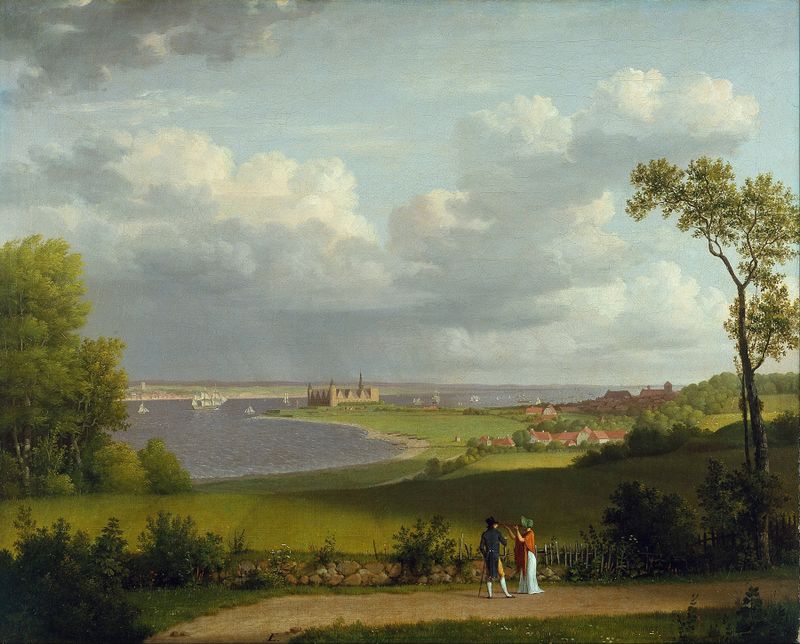
View north of Kronborg Castle
Christoffer Wilhelm Eckersberg

Vesta Temple in Rome
Christoffer Wilhelm Eckersberg
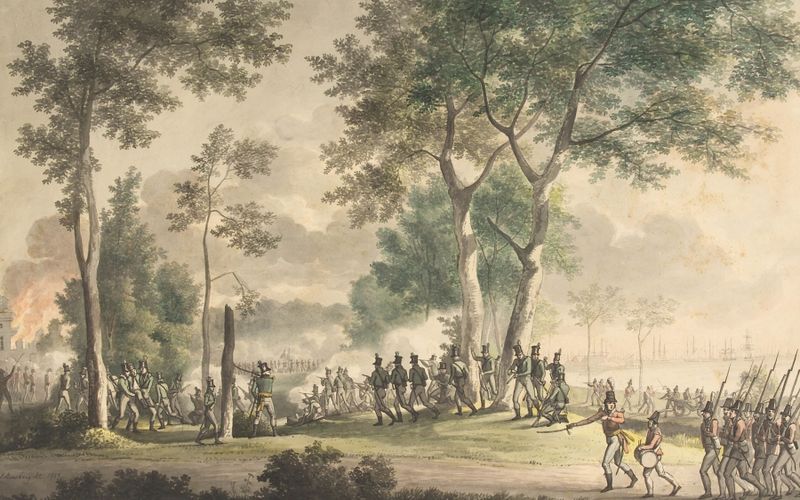
Livjægernes udfald i Classens have 31.august 1807.
Christoffer Wilhelm Eckersberg





