
View near Bristol — History & Facts
Can beauty exist without sorrow? In the lush landscape where gentle hills roll beneath a moody sky, a dichotomy arises; the awe of nature seems intertwined with a whisper of melancholy. Look to the horizon, where the delicate interplay of light and shadow captures a fleeting moment in time. The soft greens of the fields blend harmoniously with the brooding blues of the sky, painted with strokes that evoke both serenity and tension. Notice how the clouds gather, heavy yet magnificent, casting a shadow that hints at an impending change; this dynamic composition draws the eye and encourages a contemplative gaze. Two figures stand on a distant path, their presence small against the grand scale of the landscape, representing humanity's fragile connection to the vastness around it.
The contrasting forms of the trees, sturdy yet swaying, suggest resilience even in the face of nature's whims. This scene beckons viewers to reflect on the relationship between solitude and beauty, evoking a sense of both awe and introspection. During this period, Burney was deeply influenced by the Romantic ideals that permeated the art world, seeking to capture the emotional resonance of landscapes. He created this work amidst the late 18th to early 19th century, a time marked by rapid industrial change in England.
The contrast between the encroaching modernity and the enduring beauty of nature laid the groundwork for his exploration of landscape’s emotive power, reflecting both personal and broader societal tensions.
More Artworks by Edward Francis Burney
Browse all →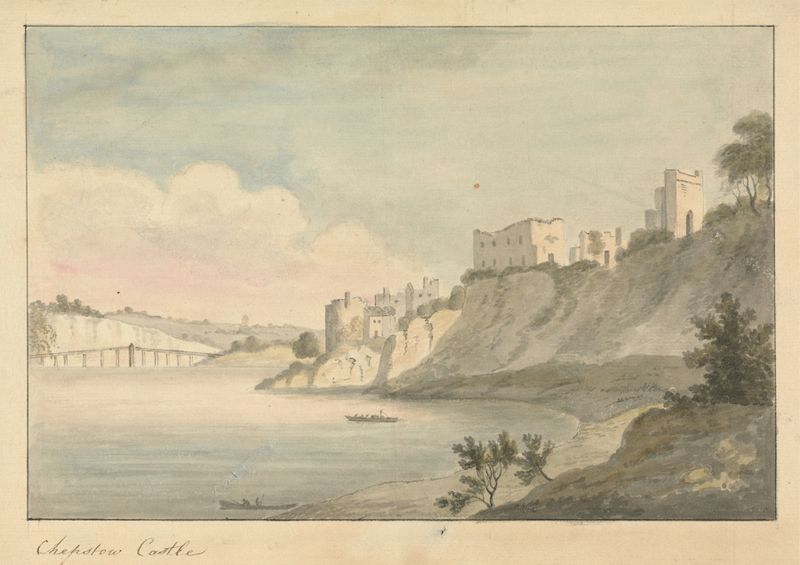
Chepstow Castle
Edward Francis Burney
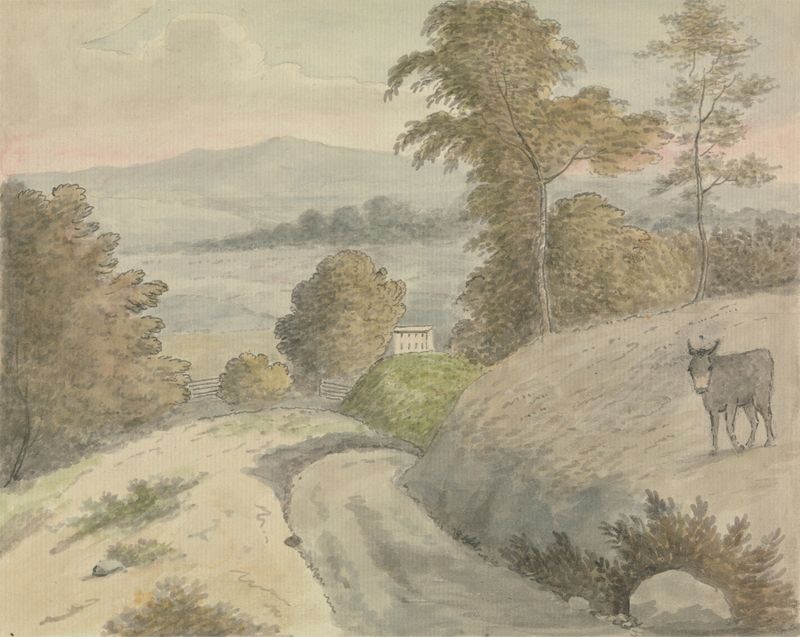
View in Surrey
Edward Francis Burney
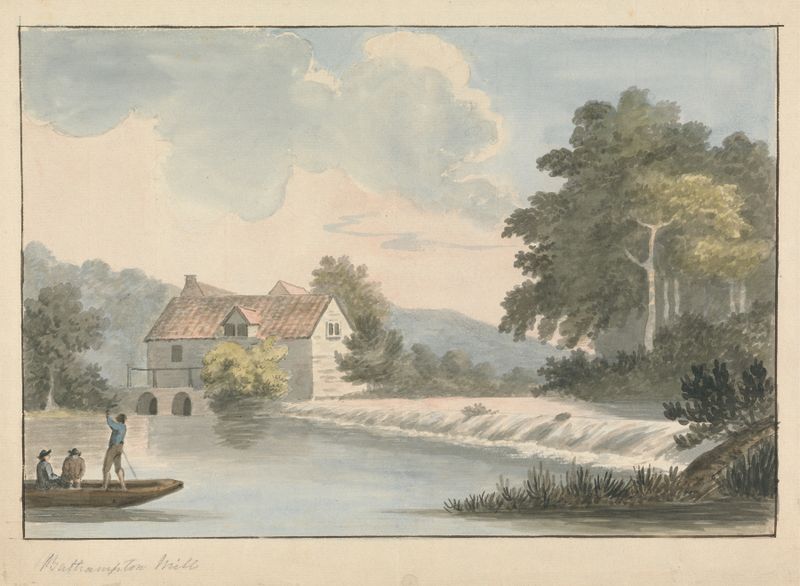
Bathampton Mill
Edward Francis Burney
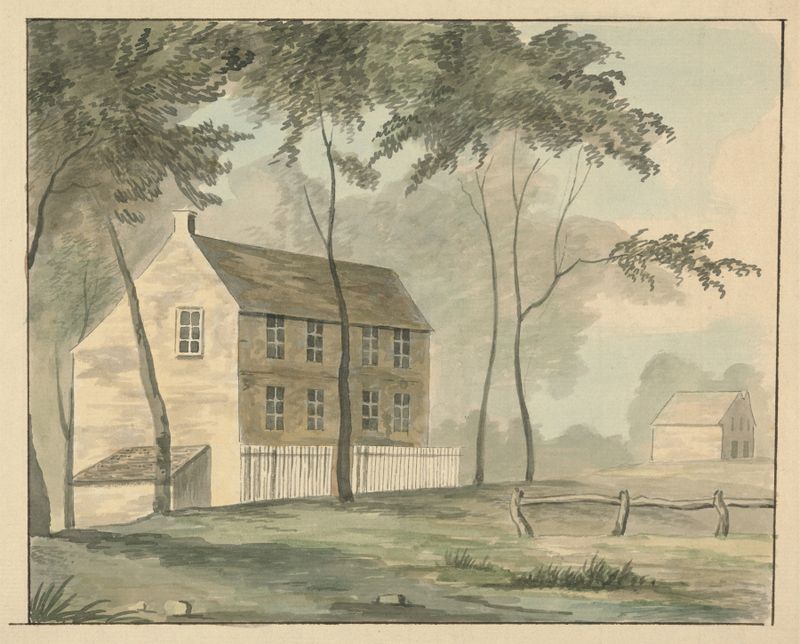
Country House.
Edward Francis Burney
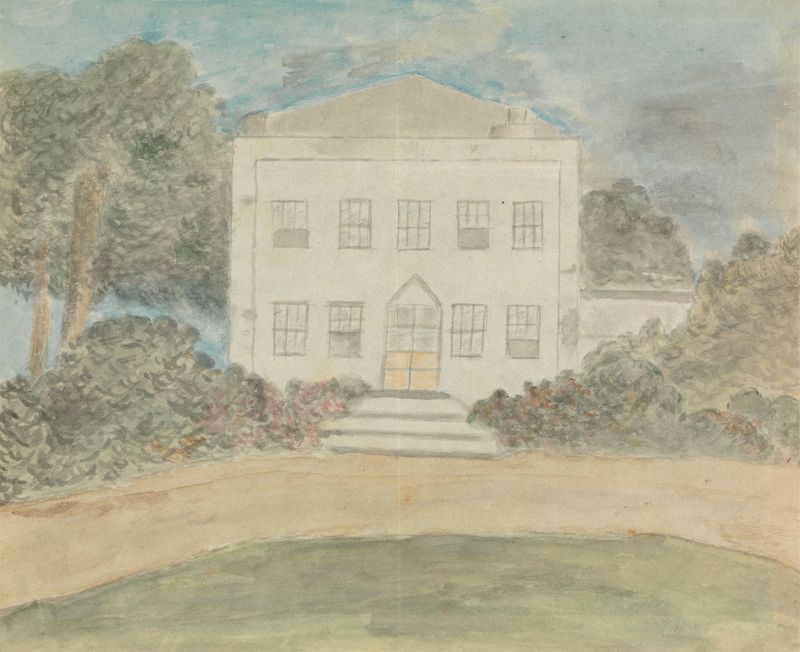
Country House
Edward Francis Burney
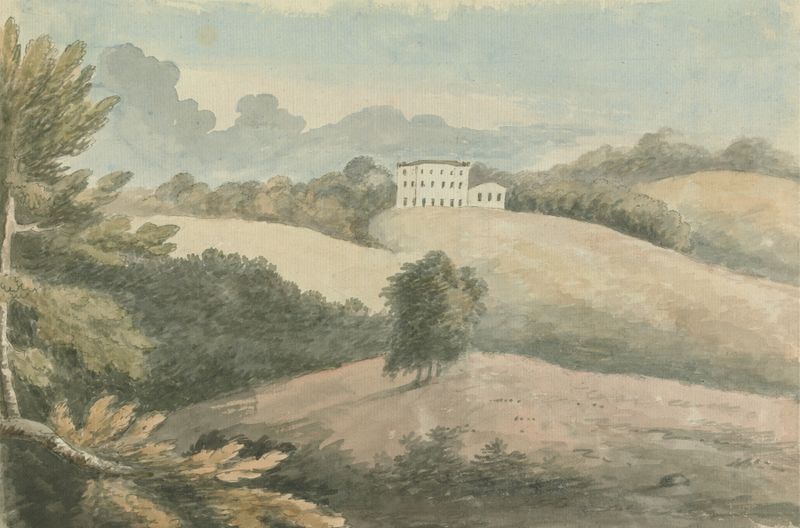
Mowbray Park
Edward Francis Burney
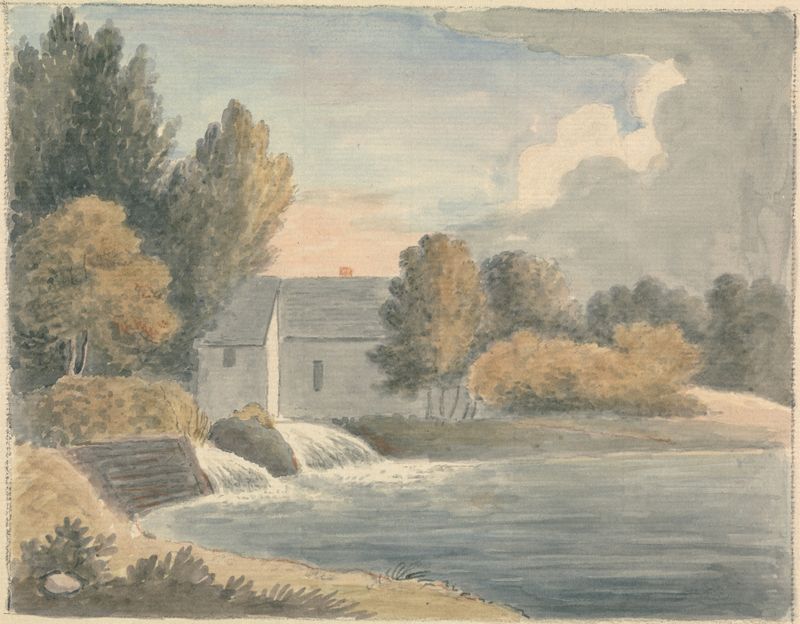
Bathampton Mill.
Edward Francis Burney
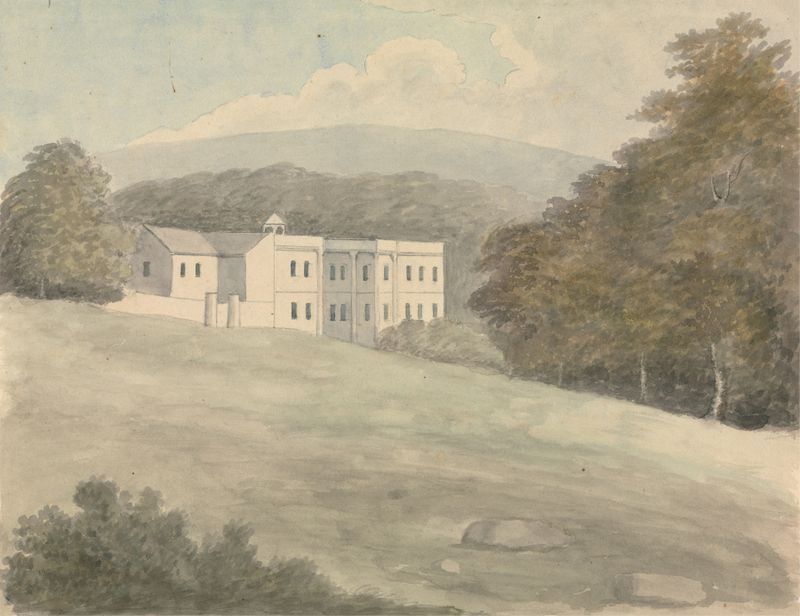
Norbury Park
Edward Francis Burney
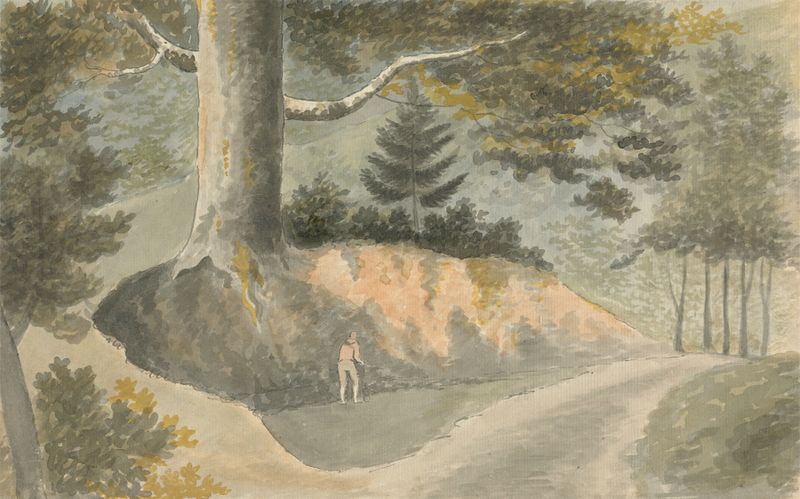
Road in the Forest
Edward Francis Burney
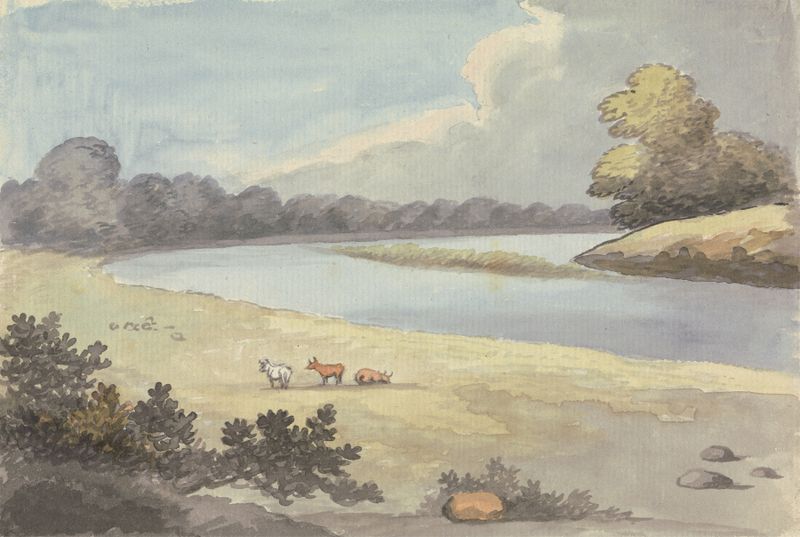
Richmond
Edward Francis Burney





