
View of a Rocky Coast by Moonlight — History & Facts
In the stillness of night, the moonlight casts an ethereal glow over the jagged coastline, capturing fleeting moments of beauty amid the relentless march of time. The waves whisper secrets as they lap against the rocks, echoing a sense of nostalgia for what has been lost to the tides of history. Focus on the shimmering reflection in the water, where the moonlight dances upon the surface, creating a pathway of silver that leads the eye to the horizon. Notice how the deep blues and silvery whites merge elegantly, contrasting with the rugged, earthy tones of the shoreline.
Each brushstroke reveals a careful balance between darkness and luminescence, inviting viewers to engage with both the majesty and the melancholy of the scene. Amid the tranquility, there’s a palpable tension—between the serene beauty of the moonlight and the imposing strength of the rocky coast. The sheer cliffs stand as sentinels of time, embodying the permanence of nature contrasted with the ephemeral quality of the light. This duality hints at loss, not just of time but of memories and moments that slip away like the retreating tide. Created during the years 1830 to 1880, this work emerges from a period when many artists were exploring the Romantic ideal of nature’s sublime beauty.
Théodore Gudin, a prominent marine painter, was influenced by the maritime themes prevalent in French art at the time, often reflecting the sublime power and mystery of the sea. His career was marked by a deep connection to the ocean, which would come to symbolize both the beauty of creation and the inevitability of loss.
More Artworks by Théodore Gudin
Browse all →
Sormy Seas by a Chalk Coast
Théodore Gudin

The Gulf of Naples with View of Mount Vesuvius
Théodore Gudin
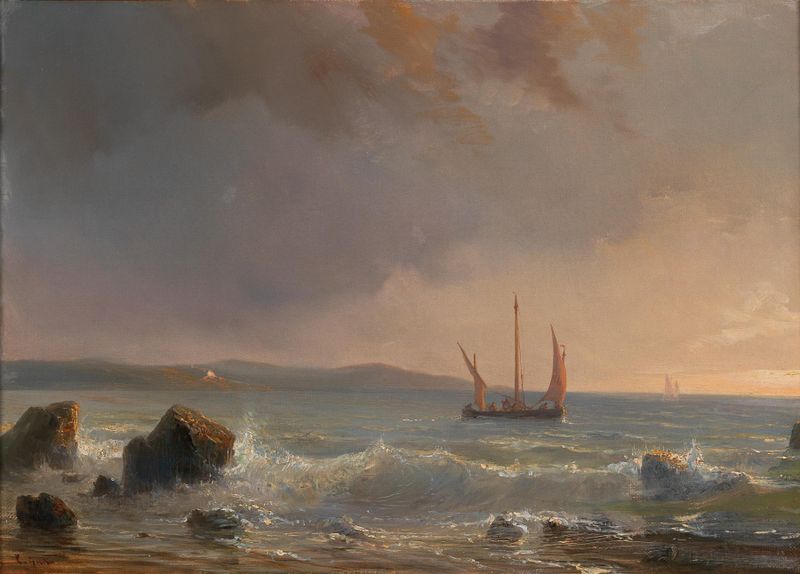
Abendstimmung über einer Meereslandschaft mit Segelbooten
Théodore Gudin
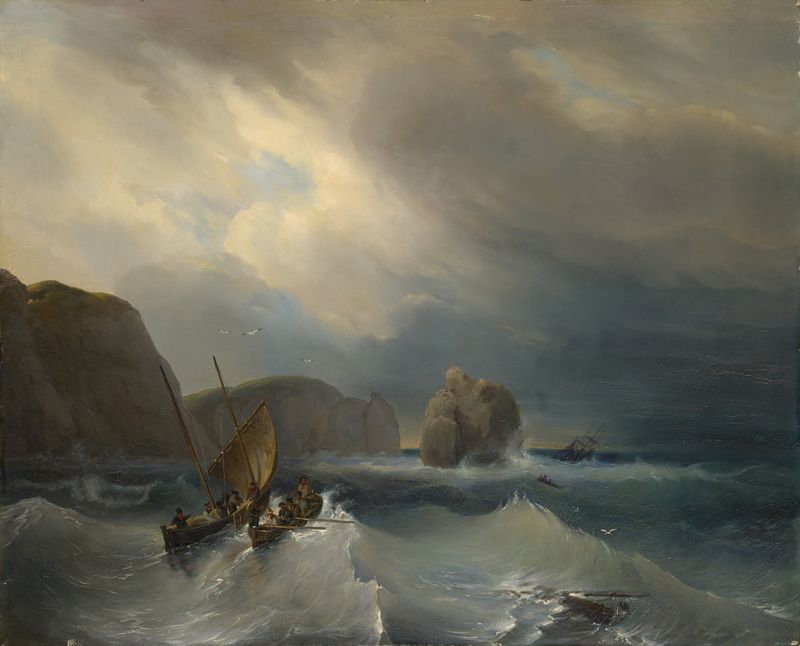
Rough Sea with Ships
Théodore Gudin

Fishermen at the harbour wall, low tide
Théodore Gudin
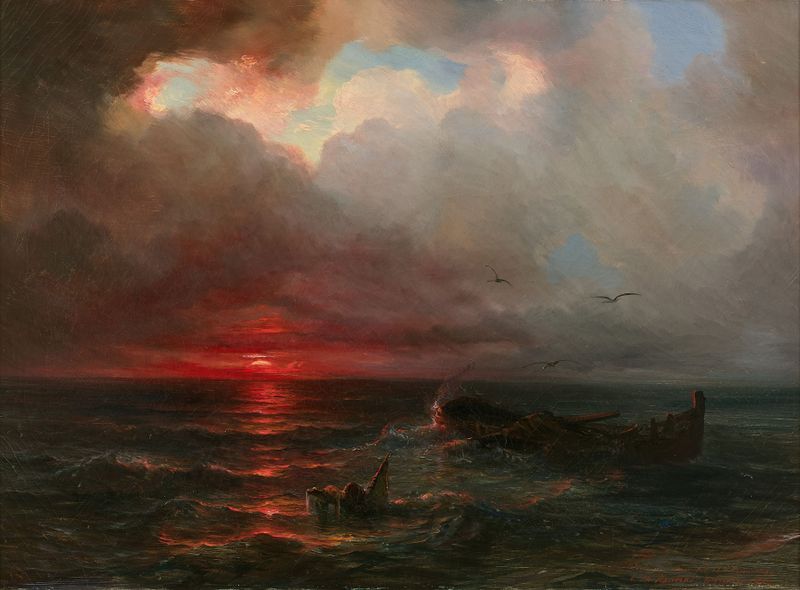
Coucher de soleil sur un littoral
Théodore Gudin
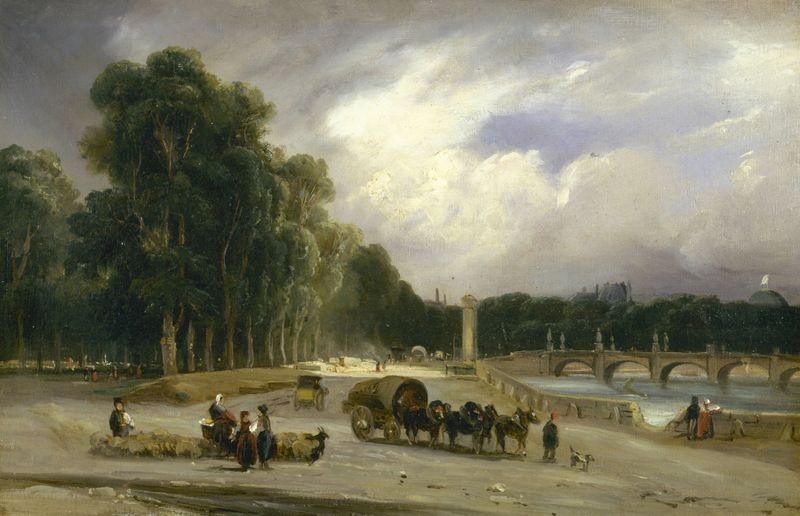
Le Cours-la-Reine
Théodore Gudin
Coastal scene by moonlight
Théodore Gudin
View Of Constantinople
Théodore Gudin

Shipwreck at Castello sul Mare in Rapallo
Théodore Gudin





