
View of an Iceberg in the Island of Spitzbergen — History & Facts
When did color learn to lie? In View of an Iceberg in the Island of Spitzbergen, the haunting beauty of icy blues and whites masks a deeper, fragile truth beneath its surface. Look to the foreground, where the translucent ice glimmers under the pale sun. The painter’s delicate brushwork captures the intricate patterns of the iceberg, with shades of blue and hints of green merging harmoniously. Notice the soft, almost ethereal light that plays across the scene, illuminating the jagged edges and casting subtle shadows.
This careful use of color and light creates a stark contrast with the vast, serene sky above, inviting the viewer to contemplate both the fragility and magnificence of this natural wonder. Delve deeper into the composition, and you'll find contrasts that reveal the iceberg's precarious existence. The grandeur of the iceberg suggests permanence, yet its melting edges whisper of inevitable change and environmental fragility. The calm water surrounding it, though serene, holds the tension of impending transformation.
One can sense the weight of time in this still moment, as if it captures a fleeting glimpse of something magnificent yet transient—the dichotomy of beauty and sorrow. Charles Hamilton Smith painted this captivating scene in the early 19th century, a time when the exploration of the Arctic was igniting fascination among artists and scientists alike. As he observed the frigid landscapes of Spitzbergen, Smith was part of a broader movement that sought to document nature's wonders, while simultaneously grappling with the implications of mankind's impact on such pristine environments. This artwork stands as both a testament to his skill and a poignant reminder of nature's fragility.
More Artworks by Charles Hamilton Smith
Browse all →
Situation of H.M.S. Hecla & Griper
Charles Hamilton Smith
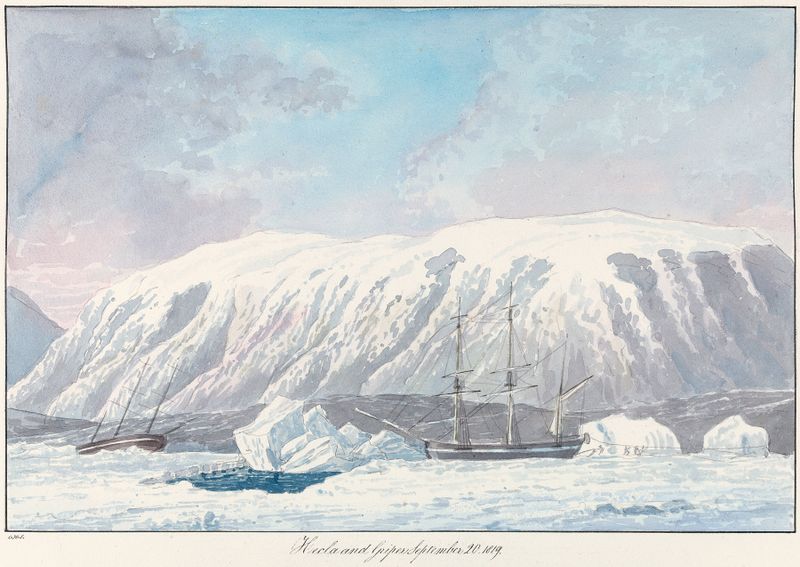
Hecla and Griper
Charles Hamilton Smith

Friendly Cove, Nootka Sound
Charles Hamilton Smith

Iceberg in Baffin’s Bay
Charles Hamilton Smith
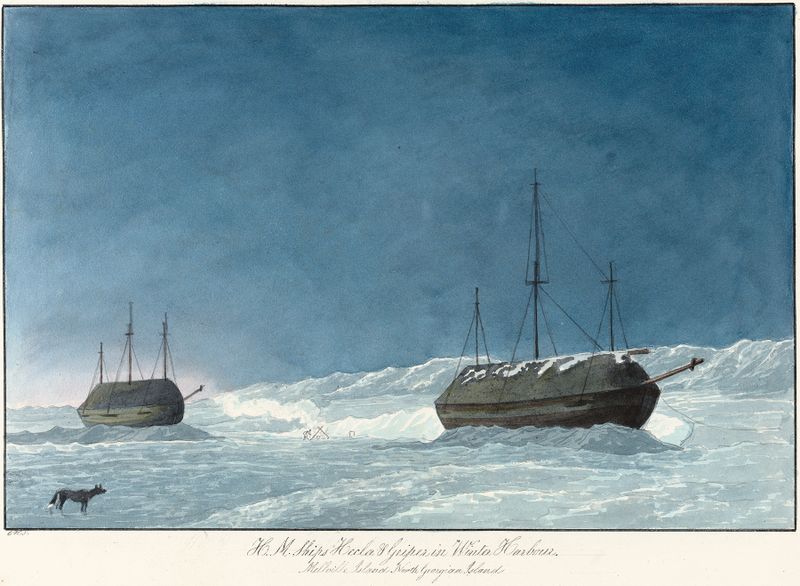
H. M. Ships Hecla and Griper in Winter Harbour
Charles Hamilton Smith

The Erebus & Terror in a Gale in the Pack of the Ice
Charles Hamilton Smith
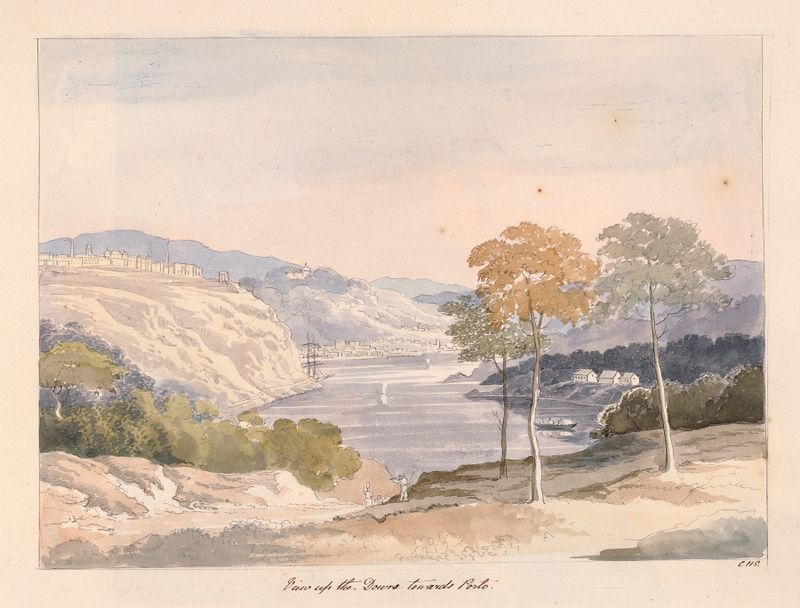
View of the Douro towards Porto
Charles Hamilton Smith
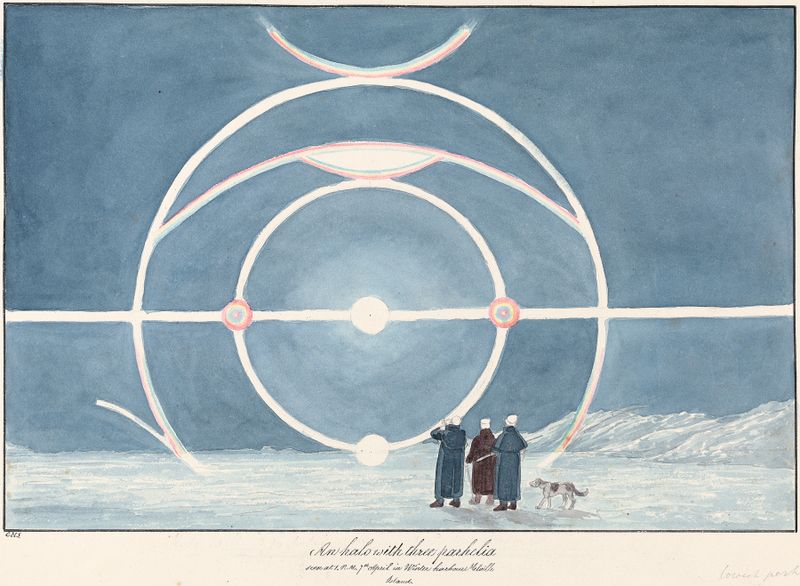
Halo with Three Parhelia, Winter Harbour Melville Island
Charles Hamilton Smith
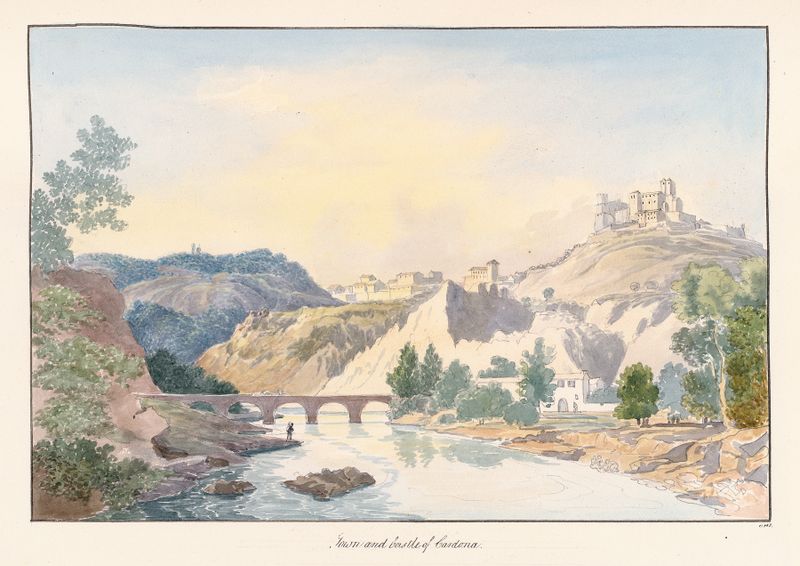
Town and Castle of Cardona
Charles Hamilton Smith
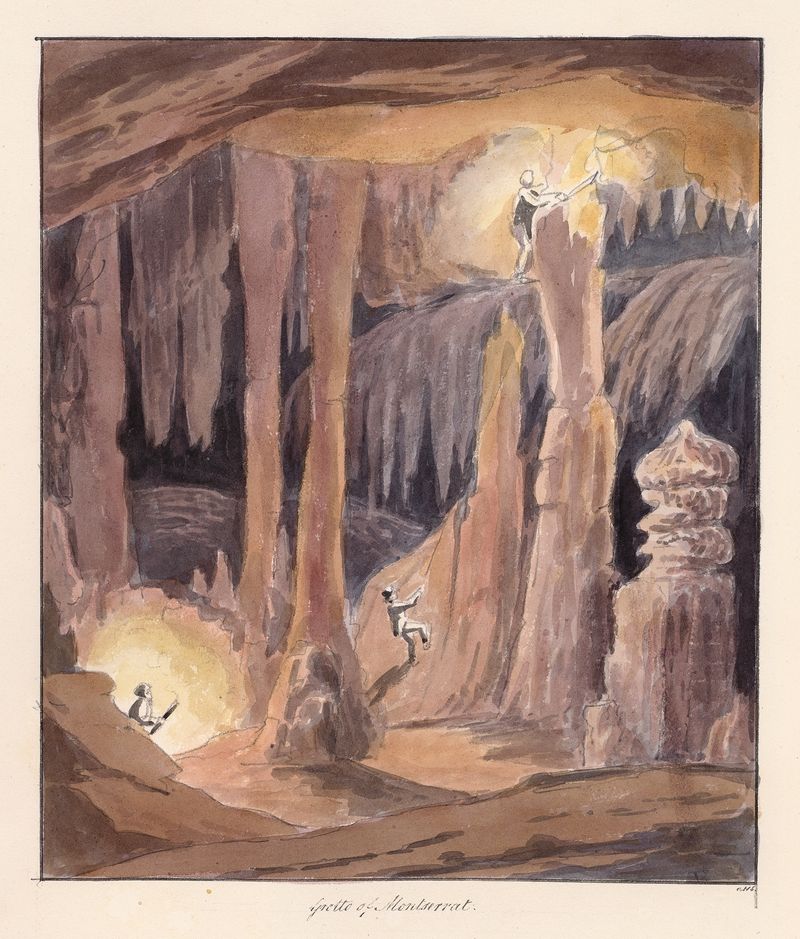
Grotto of Montserrat
Charles Hamilton Smith





