
View of Geneva — History & Facts
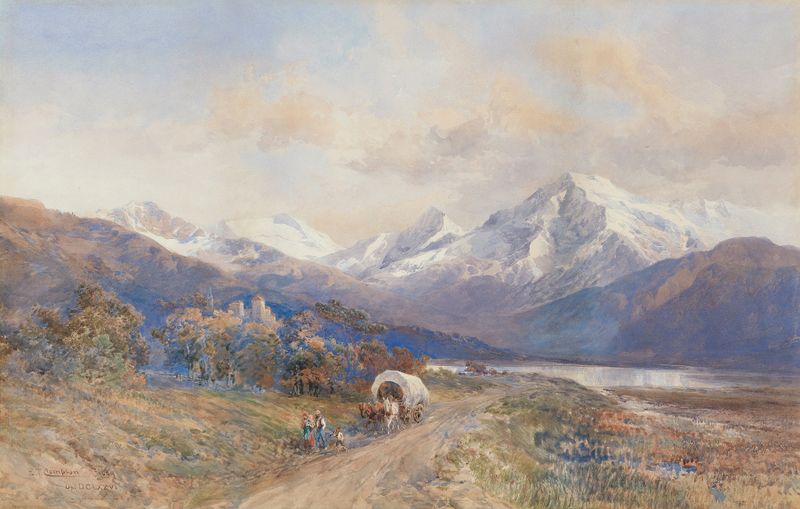
What secret hides in the quiet of the canvas? Beneath the serene surface of View of Geneva, an undercurrent of chaos beckons exploration and reflection. Look to the left at the intricate interplay of muted greens and blues that compose the mountains, their jagged peaks contrasting sharply with the tranquil waters below. Notice how the light dances upon the lake's surface, creating ripples that draw the eye toward the distant horizon, where the sky blurs into soft pastels. Compton’s brushwork is both deliberate and spontaneous, inviting viewers to linger on each stroke, revealing a landscape both familiar and mysterious. The shadows cast by the mountains loom like memories, hinting at untold stories and hidden turmoil.
The calm waters mirror not only the beauty of the scene but also the chaotic energy of life below the surface, a poignant reminder of nature’s duality. The balance between light and dark speaks to the tension between tranquility and unrest, echoing the complexities of human emotion intertwined with the environment. Edward Theodore Compton painted View of Geneva during a time of personal exploration, likely in the late 19th century. Living amidst a period of artistic transformation, he sought to capture the essence of nature, a reflection of both romantic idealism and realism.
As the world around him was changing, Compton found solace in landscapes, compelling him to convey the untamed beauty of his subjects while navigating his own artistic path.
More Artworks by Edward Theodore Compton
Browse all →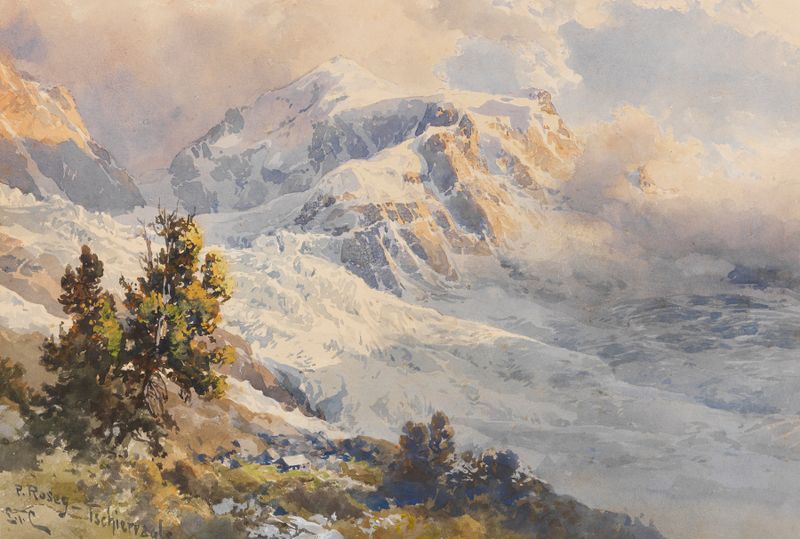
Piz Roseg – Tschiervagletscher
Edward Theodore Compton
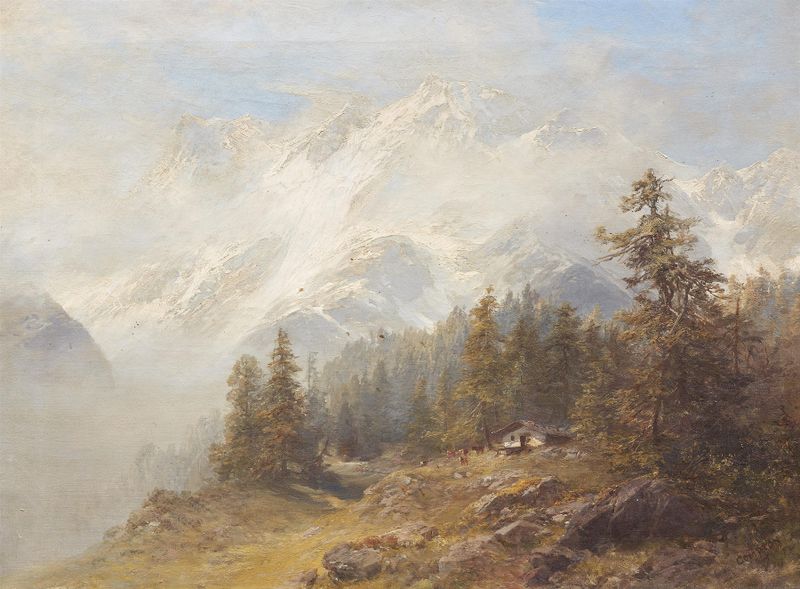
Alpenlandschaft vor schneebedecktem Massiv
Edward Theodore Compton
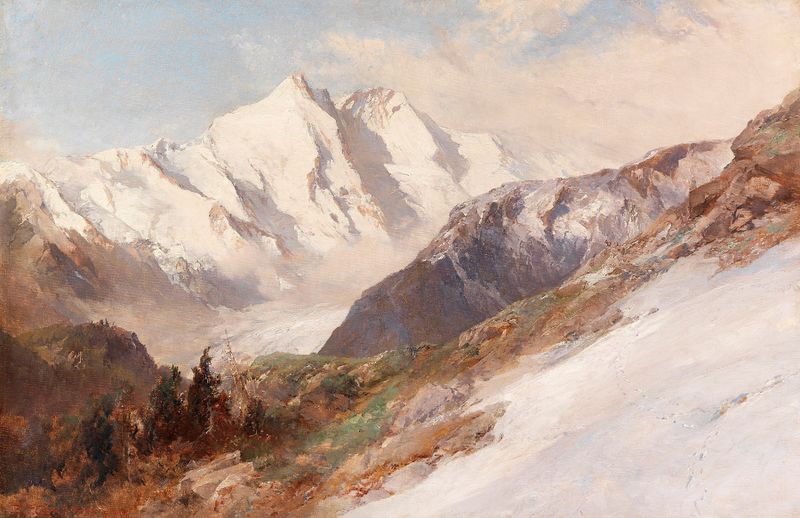
Blick auf die Nordseite des Großglockners
Edward Theodore Compton
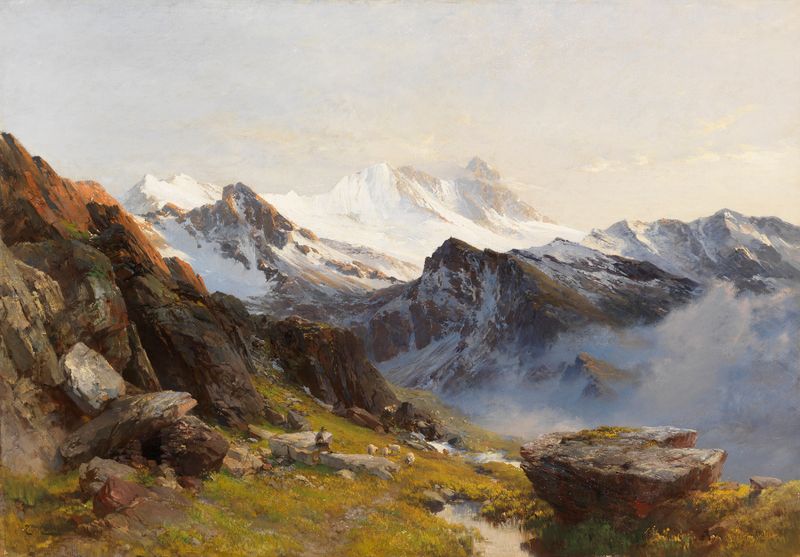
Großglockner von der Prager Hütte aus, früh
Edward Theodore Compton
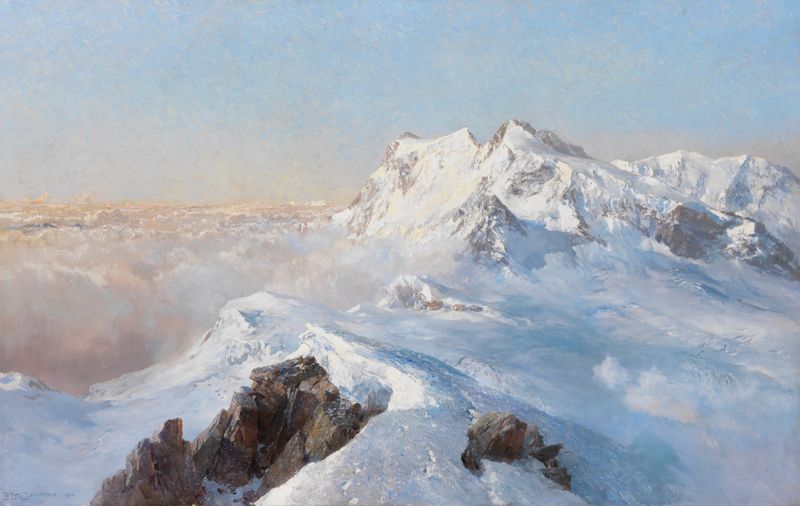
Über dem Nebelmeer (Monte Rosa vom Rimpfischhorn)
Edward Theodore Compton
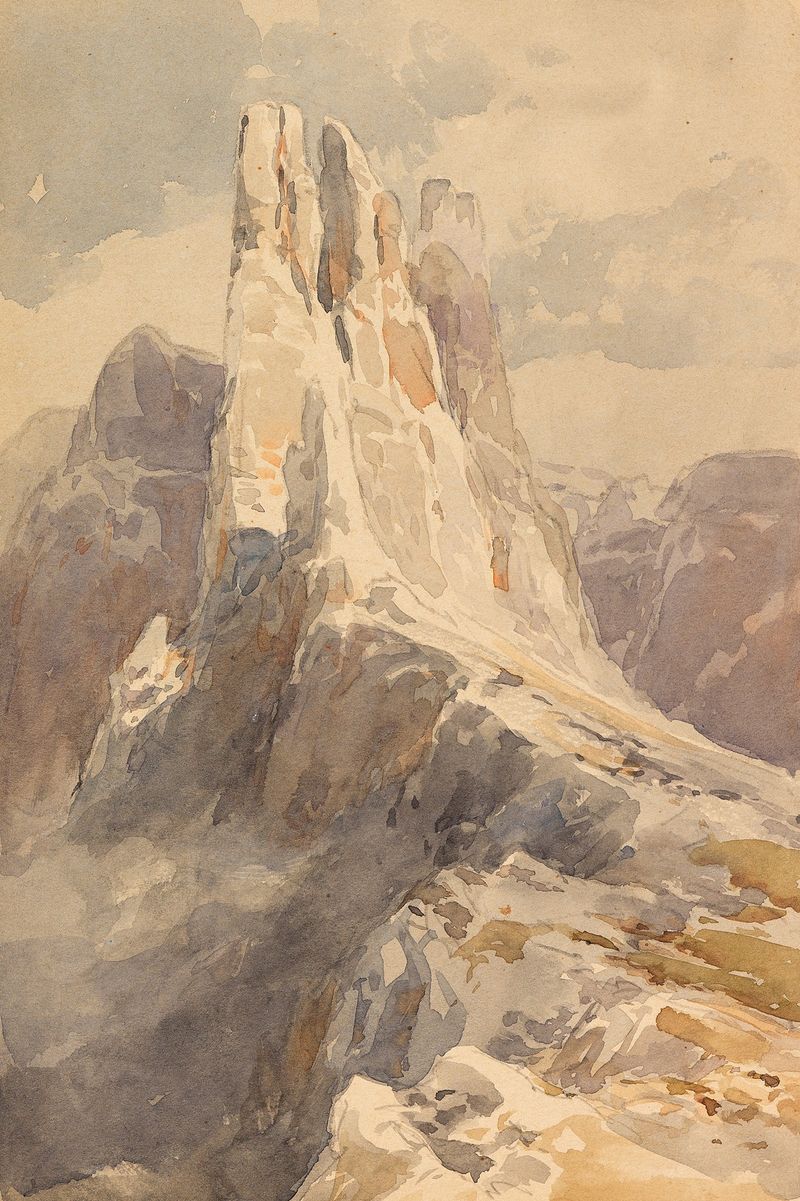
Blick auf die Vajolet-Türme in den Dolomiten
Edward Theodore Compton
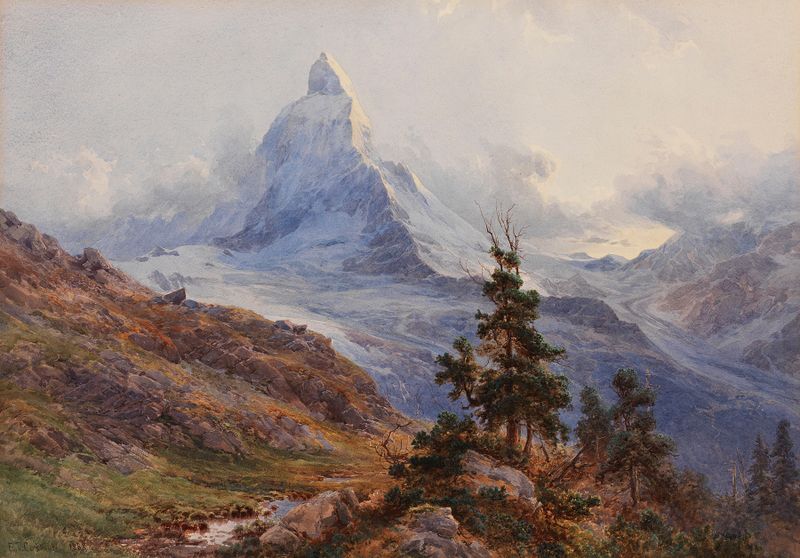
View of the Matterhorn
Edward Theodore Compton
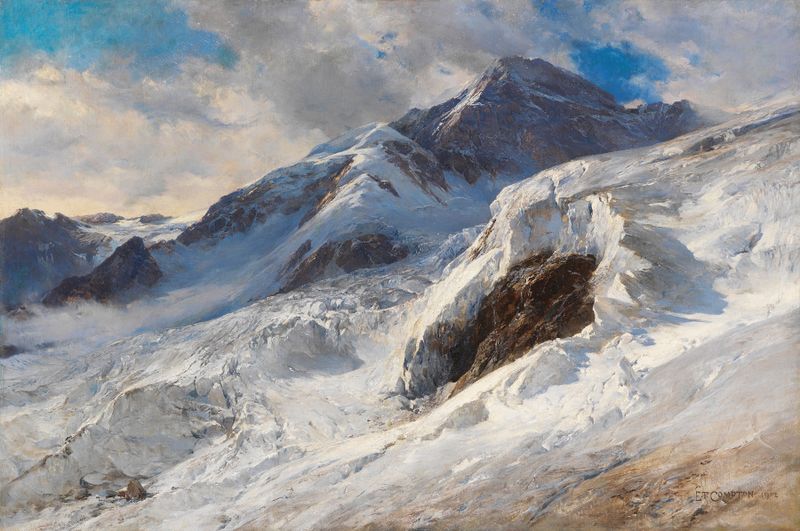
Lyskamm (Monte-Rosa)
Edward Theodore Compton
Blick auf den Ortler von St. Valentin
Edward Theodore Compton
Das Matterhorn von der Triftkumme
Edward Theodore Compton





