
View of Gibraltar — History & Facts
In the landscape of art, movement transcends mere action to become a pulse of life, a reflection of time passing. Look to the lower right where the gentle ripples of the sea shimmer under the glowing sun, inviting you to feel the caress of the waves. Notice how the warm hues of ochre and gold transition into cool blues and greens, capturing the interplay of light and shadow that dances across the canvas. The rugged cliffs rise majestically in the background, framing Gibraltar, while the clouds drift lazily above, hinting at a serene yet dynamic atmosphere.
Each brushstroke adds to a tapestry that calls to mind not only the place but the very essence of the moment captured. Delve into the juxtaposition of nature and civilization in this work, where the solidity of the rock contrasts the ephemeral beauty of the sky. The viewer may sense a narrative of resilience in the cliffs, portraying not just a geographical landmark but a witness to countless stories. The shifting clouds echo the transience of time, inviting contemplation of what has been and what is yet to come, drawing a delicate line between permanence and change. During this period, the artist created View of Gibraltar in the mid-19th century, possibly while traveling through Europe.
Wyld, known for his landscapes, was exploring the effects of light and atmosphere in his work, a response to both Romantic and emerging Impressionist influences. At the time, Europe was undergoing significant social and artistic transformations, and his attention to natural beauty marked the era's growing appreciation for capturing the world’s fleeting moments.
More Artworks by William Wyld
Browse all →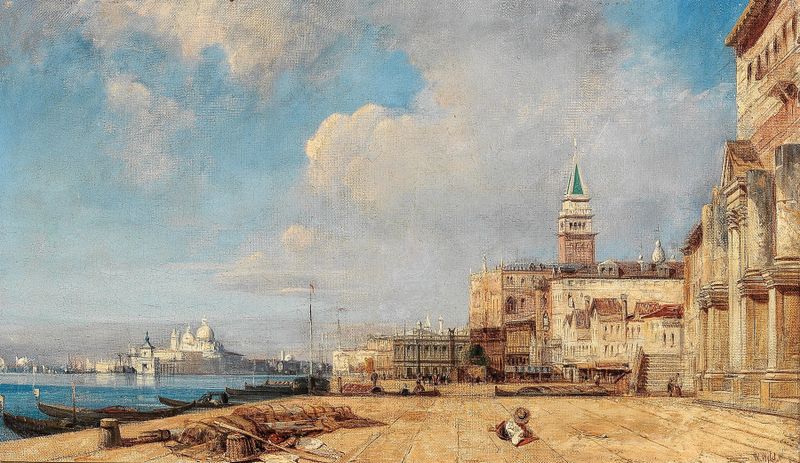
Venice, View of the Campanile and Santa Maria della Salute
William Wyld
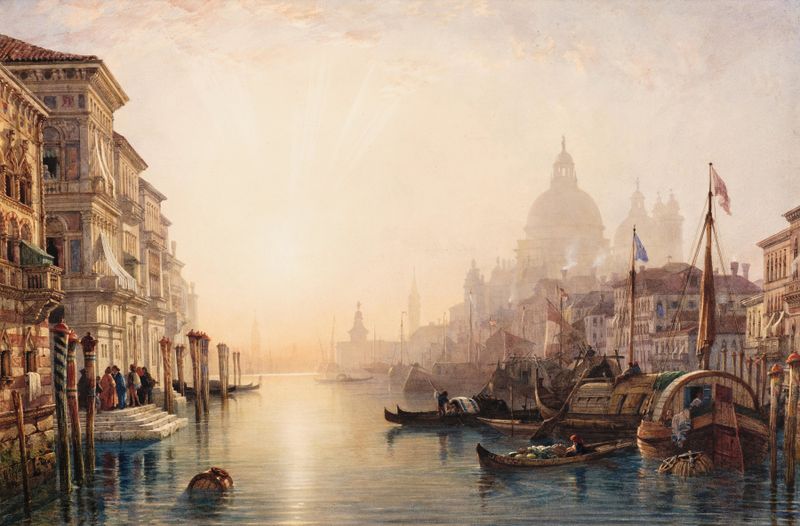
Venice, a View of the Grand Canal with Santa Maria della Salute and Punta della Dogana
William Wyld
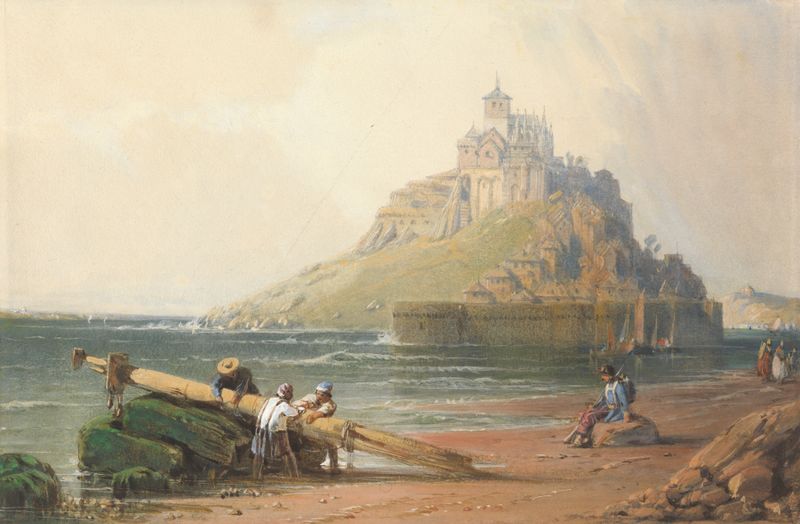
View of Mont St. Michel with Figures on the Beach
William Wyld
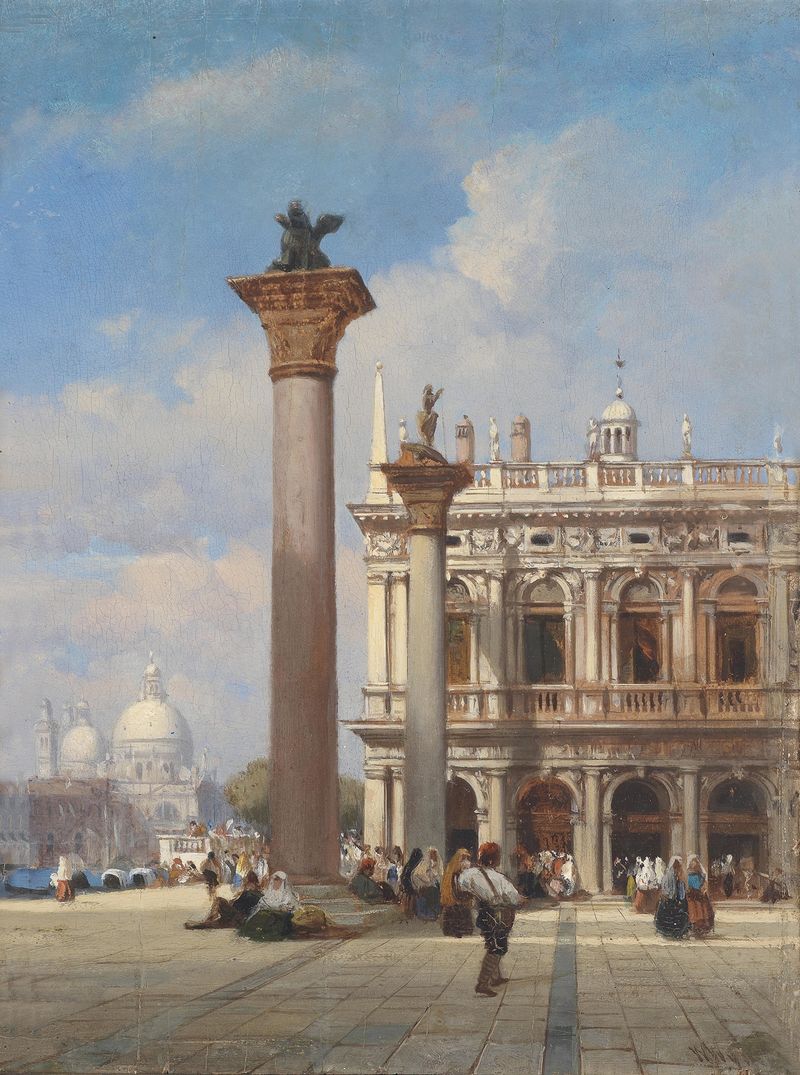
Venezia Piazza San Marco
William Wyld
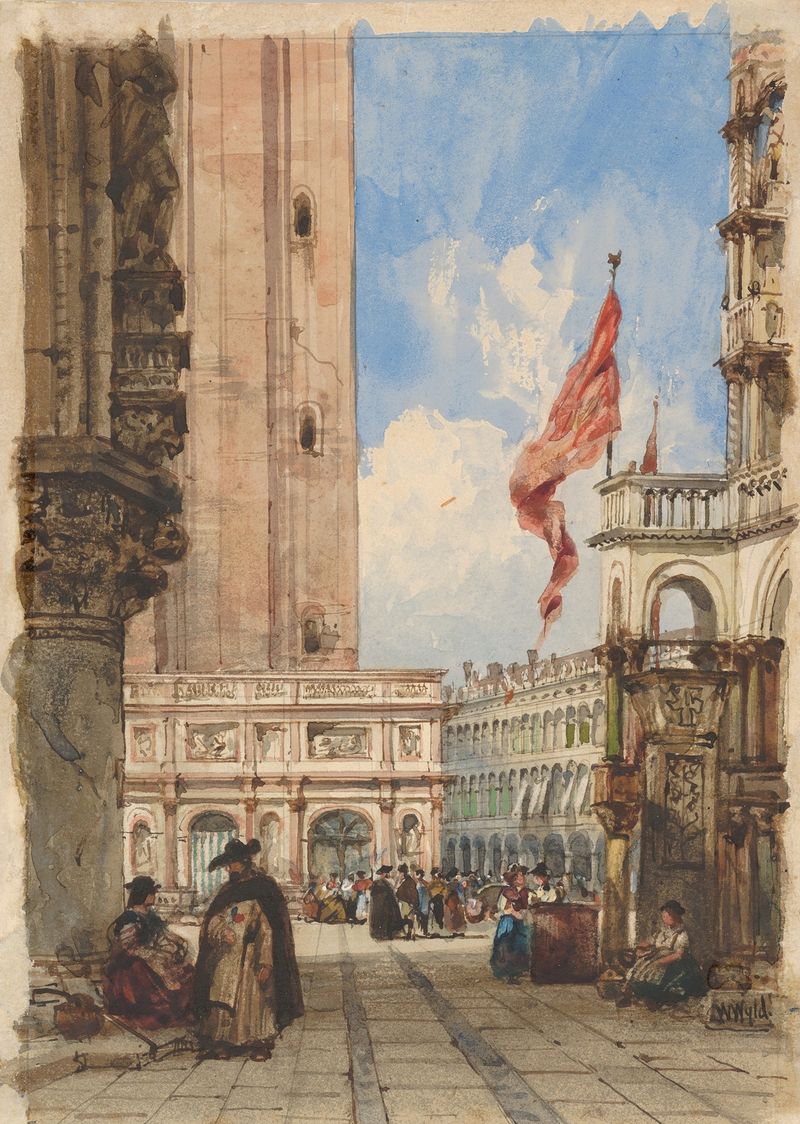
St. Mark’s Square, Venice, with Loggetta
William Wyld
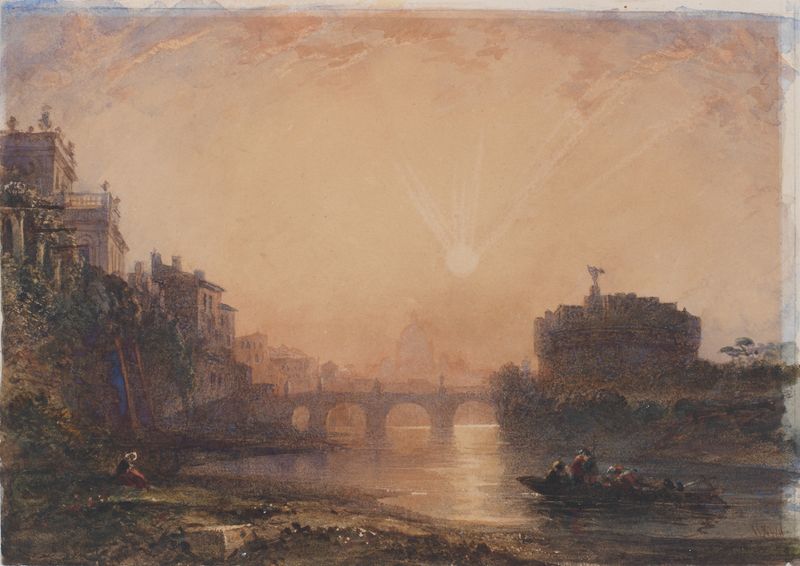
The Castel Sant’Angelo, Rome, at sunset
William Wyld

The Duomo in Milan from a Side Street
William Wyld
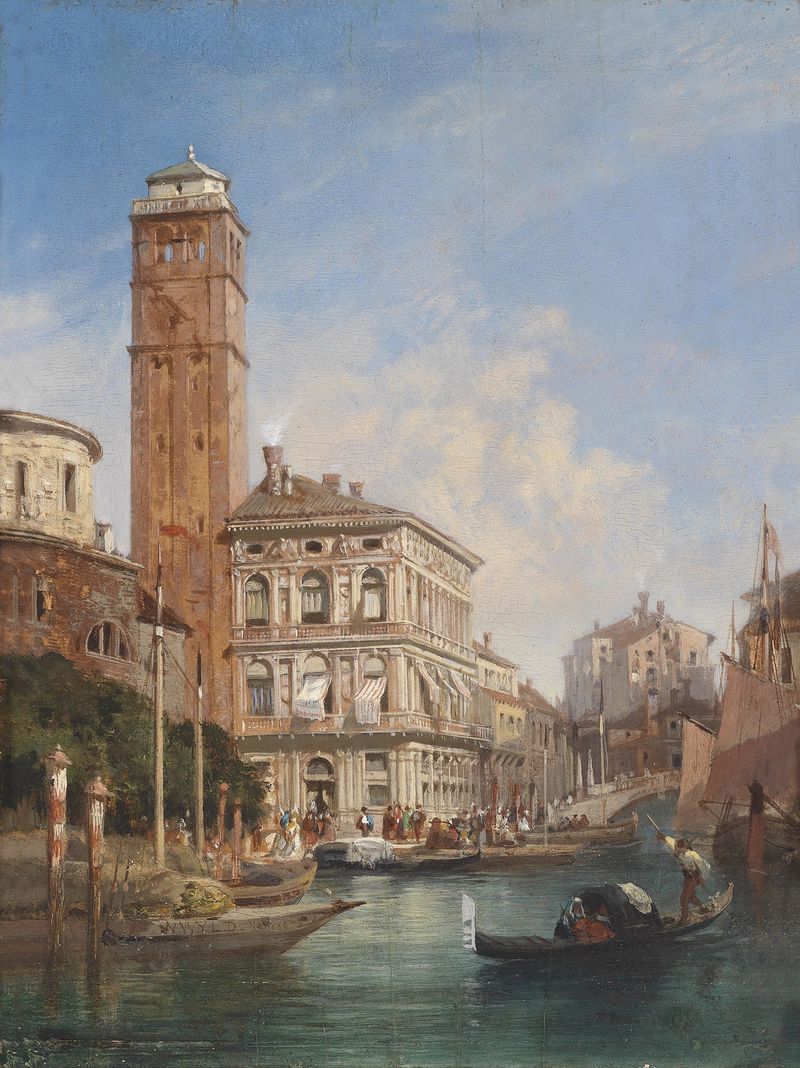
Venezia San Geremia
William Wyld
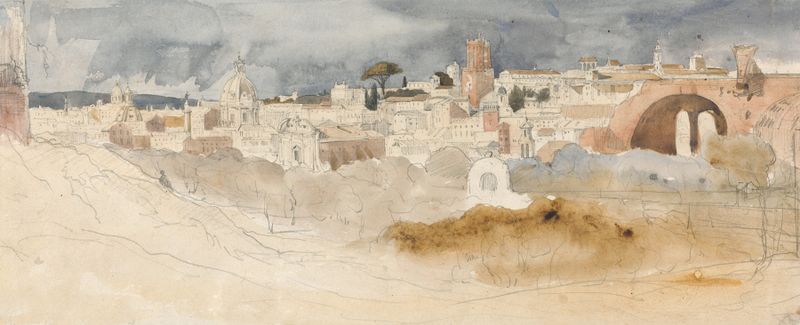
Rome from the Palatine Hill
William Wyld

Coastal scene with ruins
William Wyld





