
View of Hampton Court, Hertefordshire, from the Northwest — History & Facts
When did color learn to lie? The hues of sunset paint a world that seems both familiar and illusory, capturing a fleeting moment in time with an exhilarating vibrancy. Each stroke of pigment whispers secrets of creation, inviting viewers to question the very nature of reality. Look to the center of the canvas, where the soft blush of the sky meets the serene waters below. Turner's masterful use of light guides your gaze, illuminating the delicate architecture of Hampton Court while casting elongated shadows that dance across the landscape.
Notice how the golden yellows and deep blues merge seamlessly, a testament to the artist's virtuosity in portraying the warmth of the setting sun and the cool tranquility of evening. Delve deeper into the painting's emotional resonance, where the clash between nature and human ingenuity unfolds. The lush greenery frames the structured elegance of the palace, embodying the tension between the organic and the man-made. Each brushstroke captures the fleeting essence of life, reflecting both the beauty of creation and the inevitable passage of time.
There's a profound sense of melancholy, an awareness that this idyllic scene is destined to fade, mirroring our own transient existence. In 1806, Turner was at a pivotal moment in his career, grappling with the emerging Romantic ideals that sought to elevate nature above civilization. Painted while he resided in London, this work reflects a burgeoning interest in atmospheric effects and emotional landscapes. As the art world began to shift towards the sublime, Turner's innovative approach was carving a path for future generations, establishing him as a seminal figure in the evolution of landscape painting.
More Artworks by Joseph Mallord William Turner
Browse all →
Dort or Dordrecht- The Dort Packet-Boat from Rotterdam Becalmed
Joseph Mallord William Turner
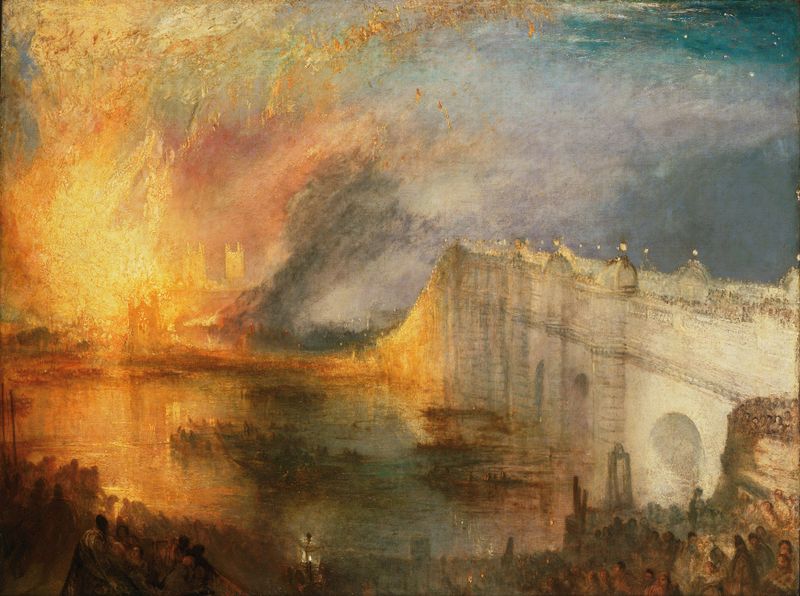
The Burning of the Houses of Lords and Commons, October 16, 1834
Joseph Mallord William Turner
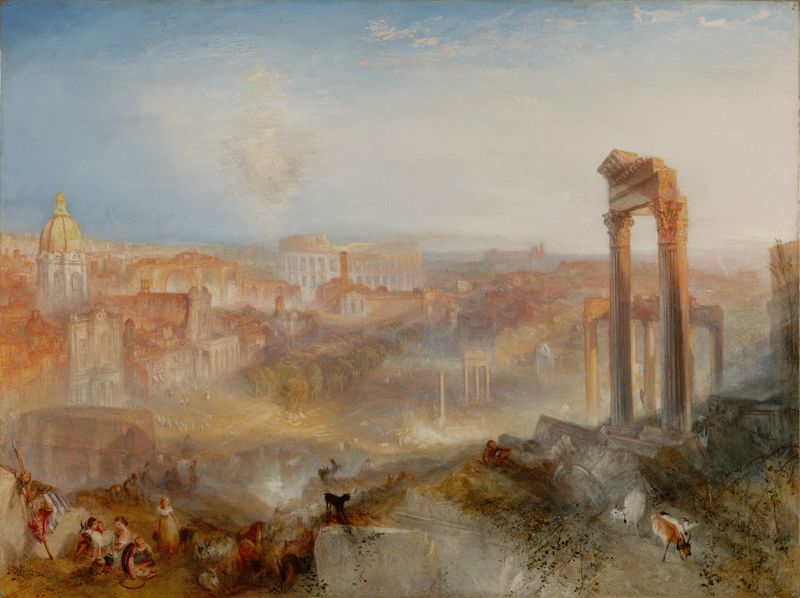
Modern Rome – Campo Vaccino
Joseph Mallord William Turner
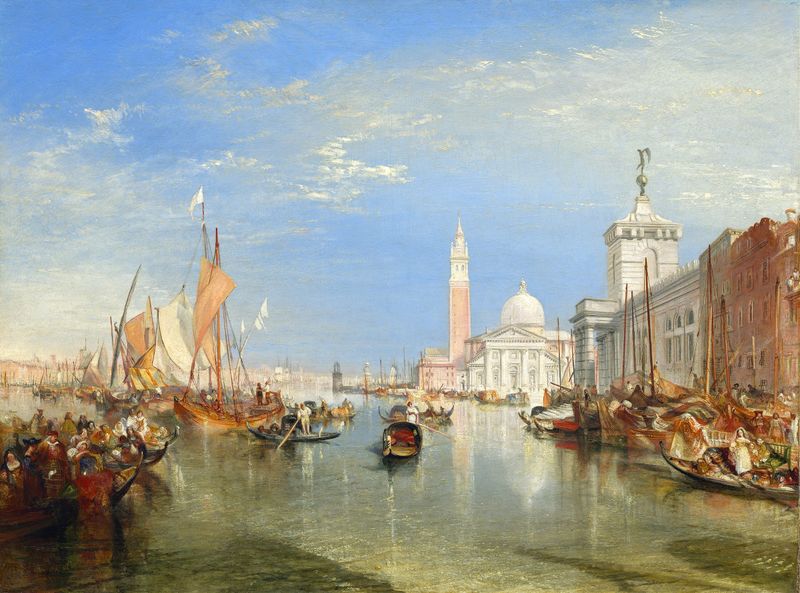
Venice – The Dogana and San Giorgio Maggiore
Joseph Mallord William Turner

The Burning of the Houses of Lords and Commons, 16 October 1834
Joseph Mallord William Turner
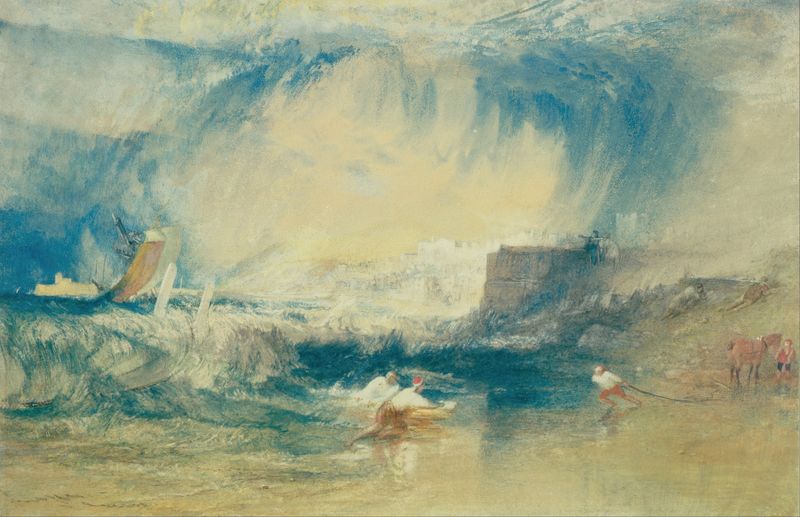
Lyme Regis, Dorsetshire, England
Joseph Mallord William Turner
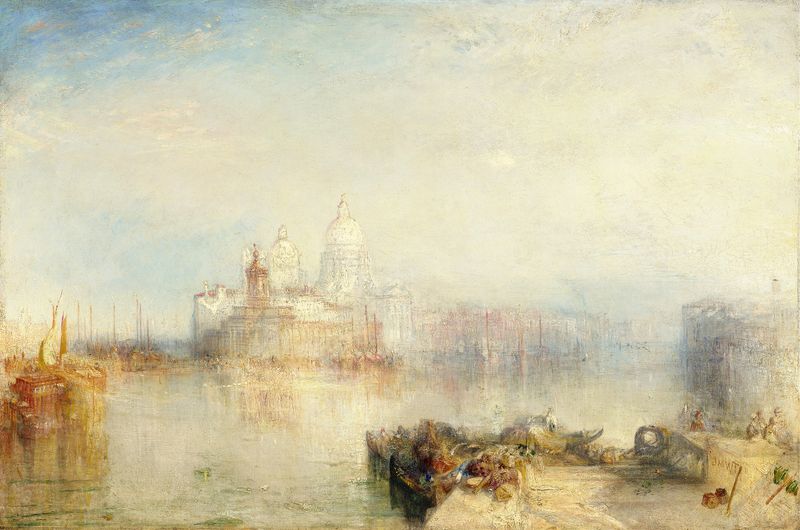
The Dogana and Santa Maria della Salute, Venice
Joseph Mallord William Turner
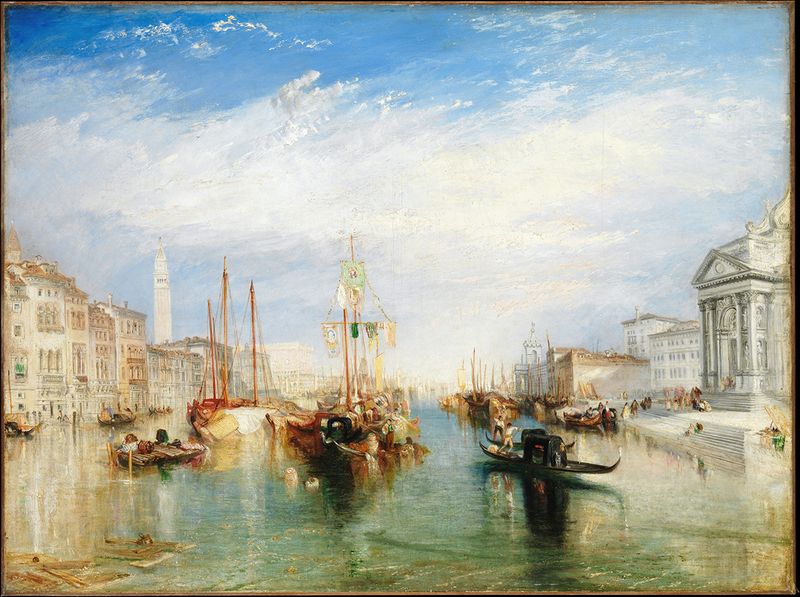
Venice, from the Porch of Madonna della Salute
Joseph Mallord William Turner
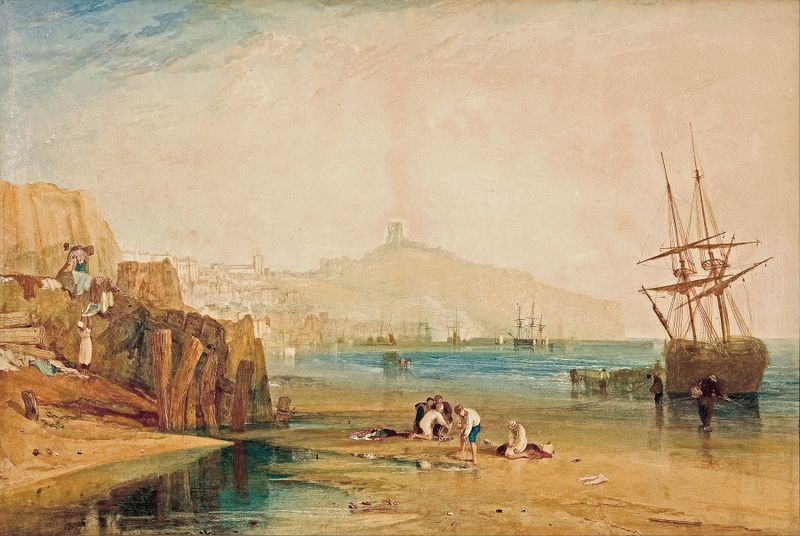
Scarborough town and castle; morning; boys catching crabs
Joseph Mallord William Turner
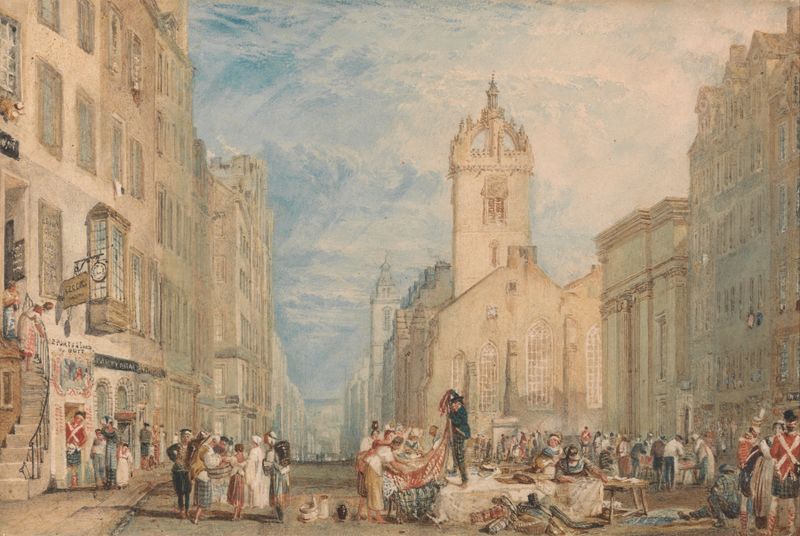
High Street, Edinburgh
Joseph Mallord William Turner





