
View of Lormes — History & Facts
In the gentle landscape of the early 1840s, melancholy seeps through every brushstroke, inviting the viewer to linger in the stillness of nature’s embrace. Focus first on the horizon, where soft, muted greens and blues meld seamlessly into one another. The trees stand sentinel-like, painted with delicate strokes that reveal their textures and forms, while the sky above is a whisper of clouds, evoking a sense of quiet contemplation. Notice how the light imbues the scene with a dreamlike quality, casting a serene glow that dances across the landscape, guiding the eye towards the distant hills that seem to hold untold stories. Within this tranquil vista lies an emotional undercurrent, a contrast of solitude and beauty.
The absence of human figures amplifies the sense of isolation, while the gentle undulations of the land suggest the passage of time, evoking memories both cherished and lost. These elements coalesce into a poignant reminder of life’s transience, where the vibrant palette speaks to both the joy and sorrow lingering in nature. Created during a period of artistic exploration in the early 1840s, this piece reflects Corot’s evolving style, as he sought to capture the essence of landscapes with more emotional depth. At this time, he was deeply influenced by the Barbizon School, which emphasized naturalism and the beauty of the French countryside.
This work serves as a poignant testament to his commitment to portraying the intimate relationship between nature and human emotion.
More Artworks by Jean-Baptiste-Camille Corot
Browse all →
View of Genoa
Jean-Baptiste-Camille Corot
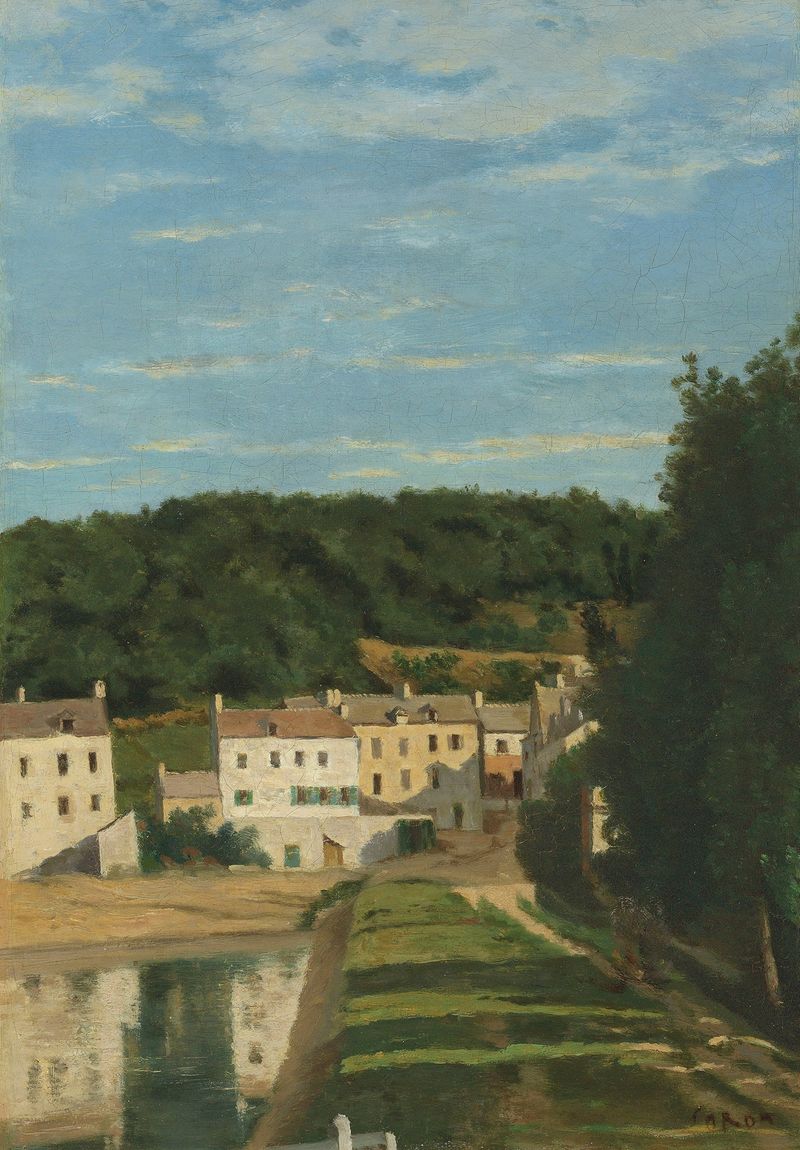
Les Maisons Cabassud À Ville D’avray
Jean-Baptiste-Camille Corot

La solitude. Souvenir de Vigen (Limousin)
Jean-Baptiste-Camille Corot
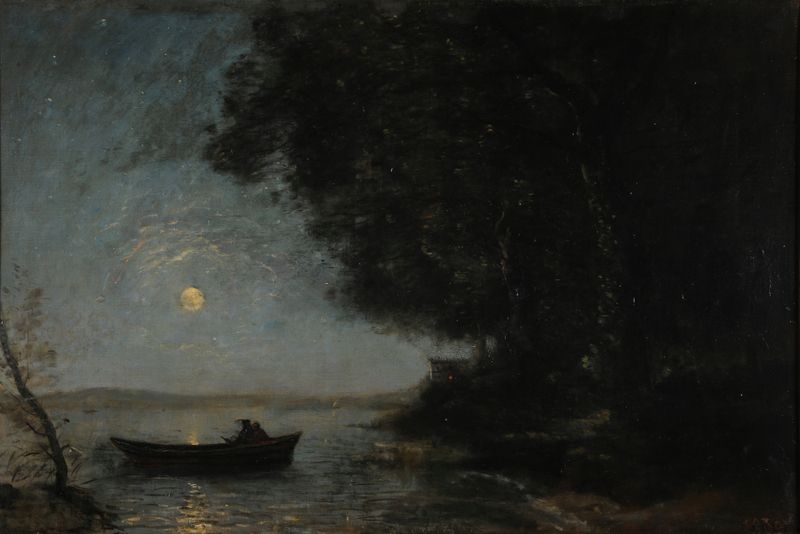
Le lac ; effet de nuit
Jean-Baptiste-Camille Corot
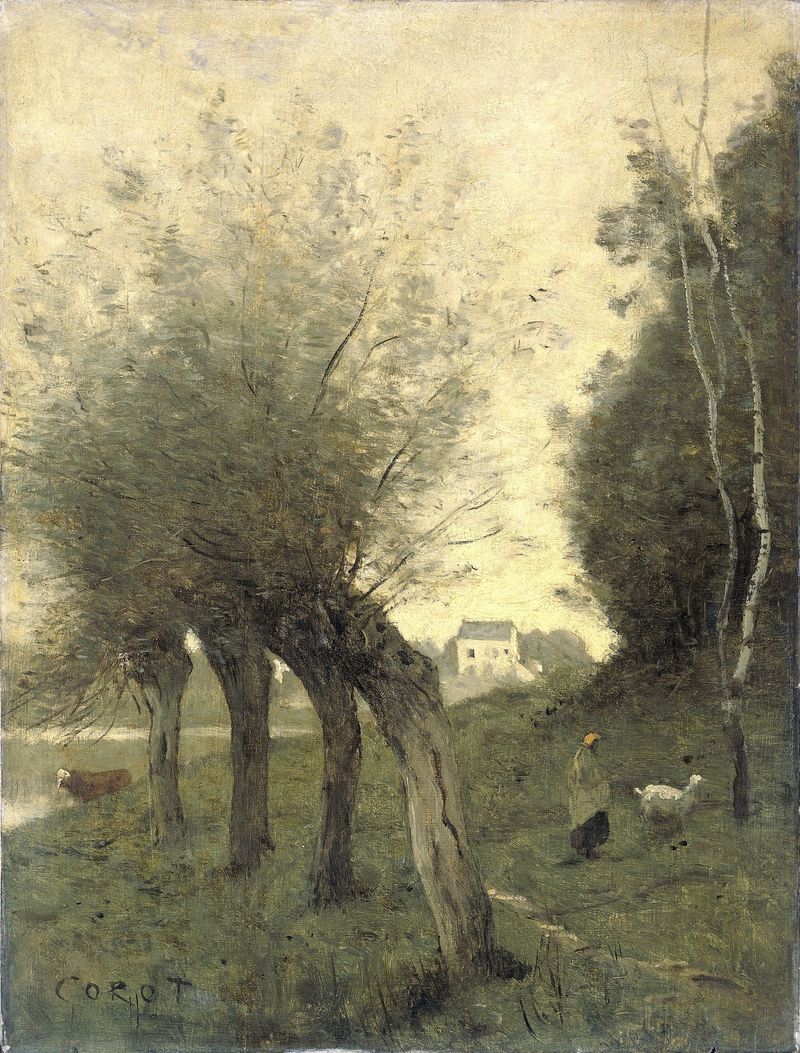
Landscape with Pollard Willows
Jean-Baptiste-Camille Corot
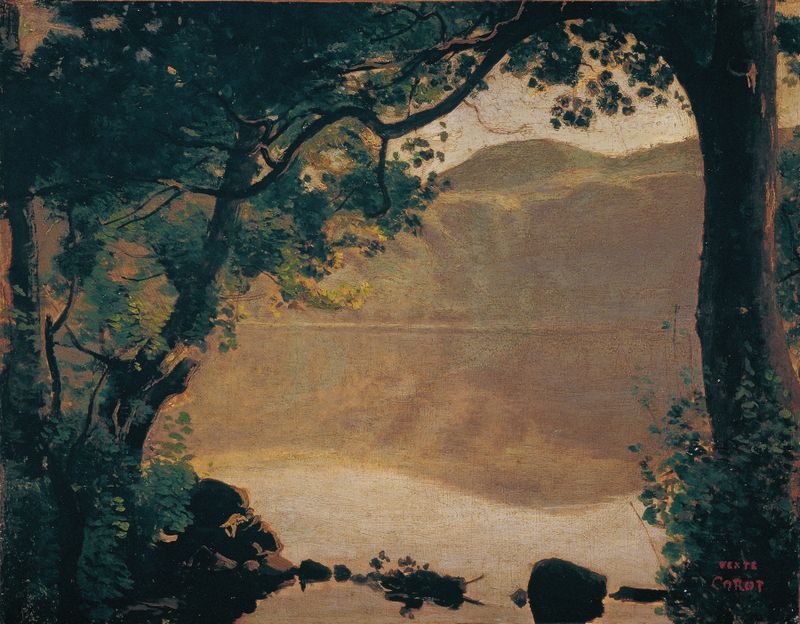
Der Nemisee
Jean-Baptiste-Camille Corot
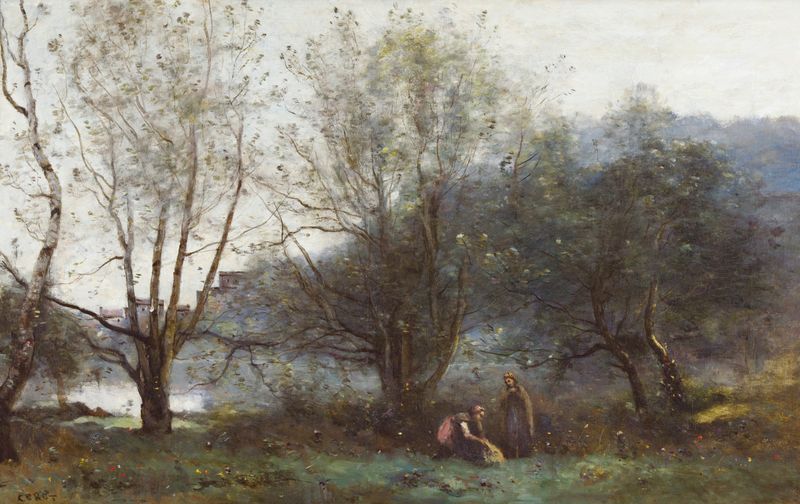
Les Étangs De Ville D’avray
Jean-Baptiste-Camille Corot
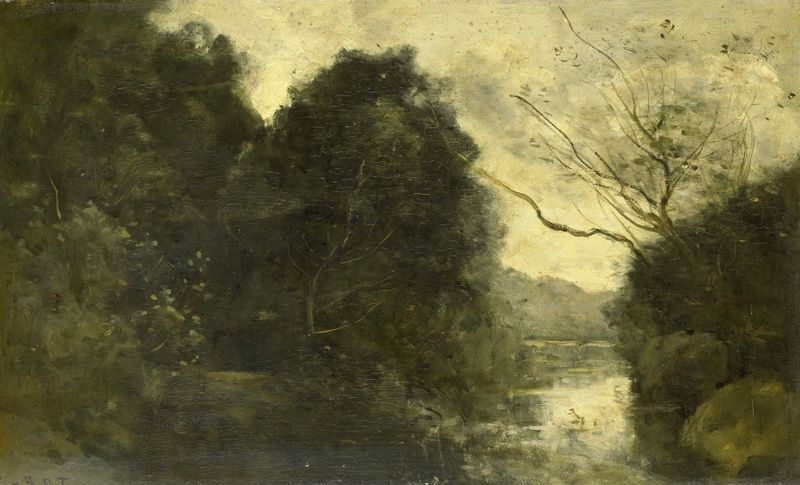
Pond in the Woods
Jean-Baptiste-Camille Corot
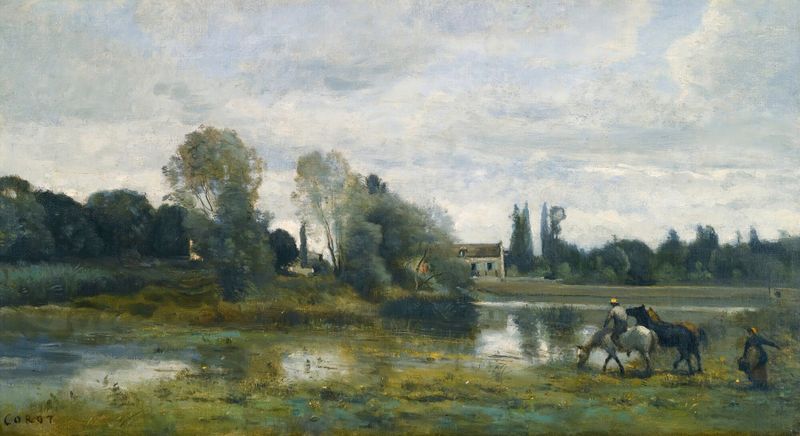
Ville D’avray; L’abreuvoir Des Chevaux
Jean-Baptiste-Camille Corot
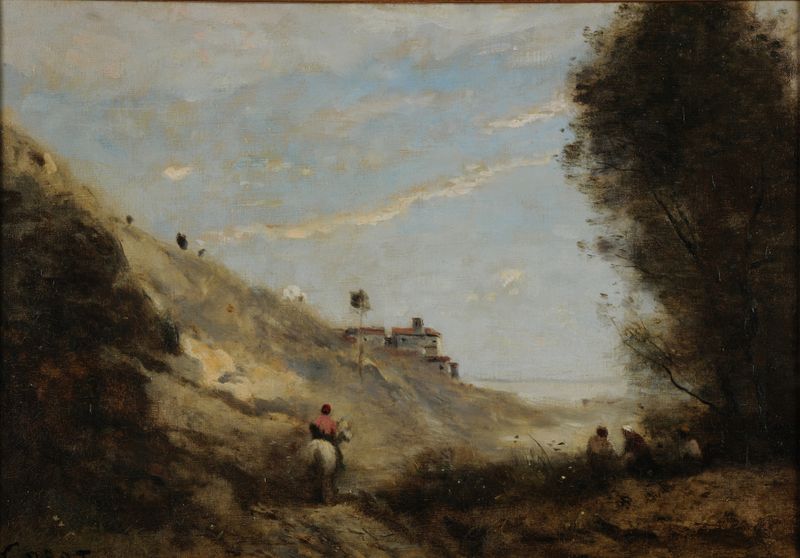
Le vallon au cavalier
Jean-Baptiste-Camille Corot





