
View of Lucerne — History & Facts
Can paint confess what words never could? In View of Lucerne, the brushstroke becomes a vessel for emotion, weaving a legacy of light and shadow that transcends mere depiction. Look to the horizon, where soft, radiant light bathes the distant mountains in an ethereal glow. Notice how the deep blues and greens of the foreground contrast with the warm hues of the setting sun, creating a dialogue between earth and sky. The composition draws the eye along the reflective waters, inviting contemplation of the serene yet powerful landscape.
Each stroke reveals Turner's mastery of atmosphere, invoking a sense of both tranquility and awe. Beneath the surface, the painting hums with deeper significance. The interplay of light and shadow suggests the passage of time, alluding to the fleeting nature of beauty and existence. The delicate clouds, poised above the rugged mountains, symbolize the duality of permanence and impermanence, inviting the viewer to confront their own mortality.
The subtle ripples in the water echo the emotional turbulence that contrasts with the idyllic scene, evoking a profound sense of yearning. In 1840-41, Turner painted this masterpiece during a period of personal reflection and transformation. Having already established himself as a leading figure in British art, he faced the shifting tides of the Romantic movement and an evolving audience. The world was changing, and so was he; through View of Lucerne, he sought to capture not just a moment in time but an enduring legacy of the sublime beauty of nature.
More Artworks by Joseph Mallord William Turner
Browse all →
Dort or Dordrecht- The Dort Packet-Boat from Rotterdam Becalmed
Joseph Mallord William Turner
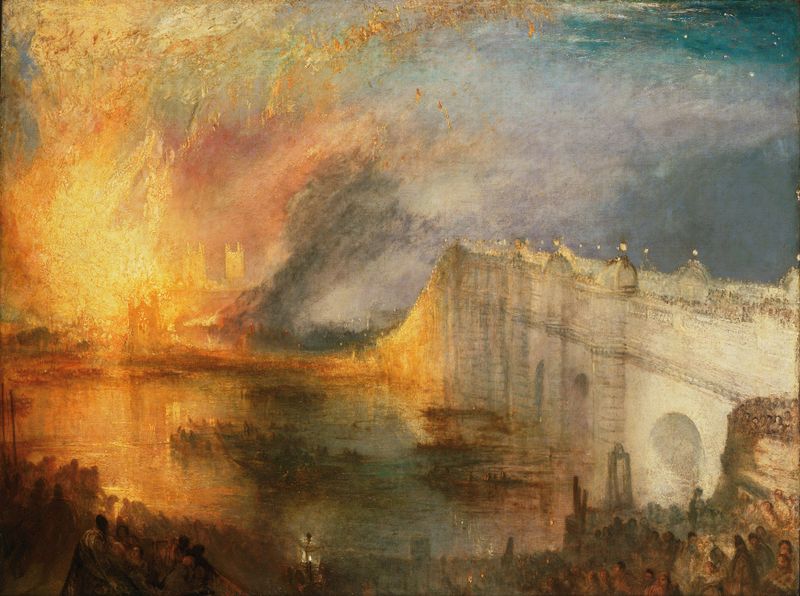
The Burning of the Houses of Lords and Commons, October 16, 1834
Joseph Mallord William Turner
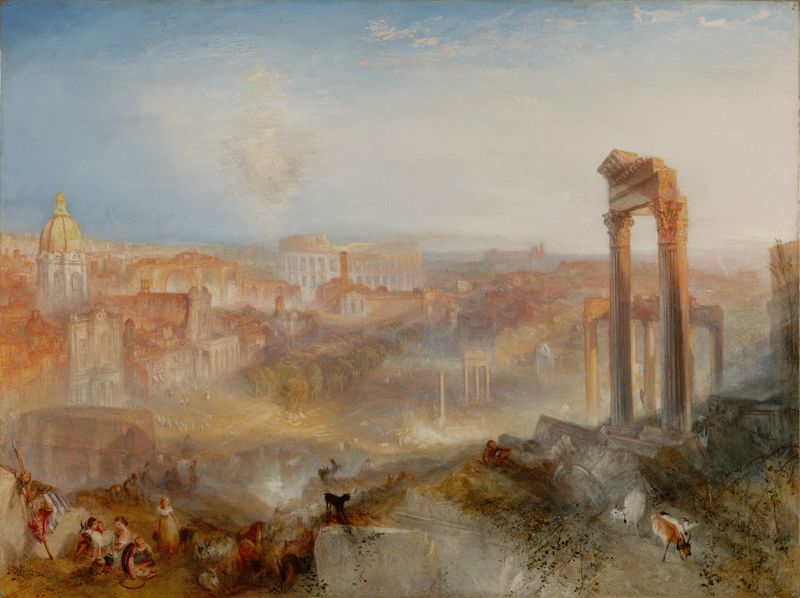
Modern Rome – Campo Vaccino
Joseph Mallord William Turner
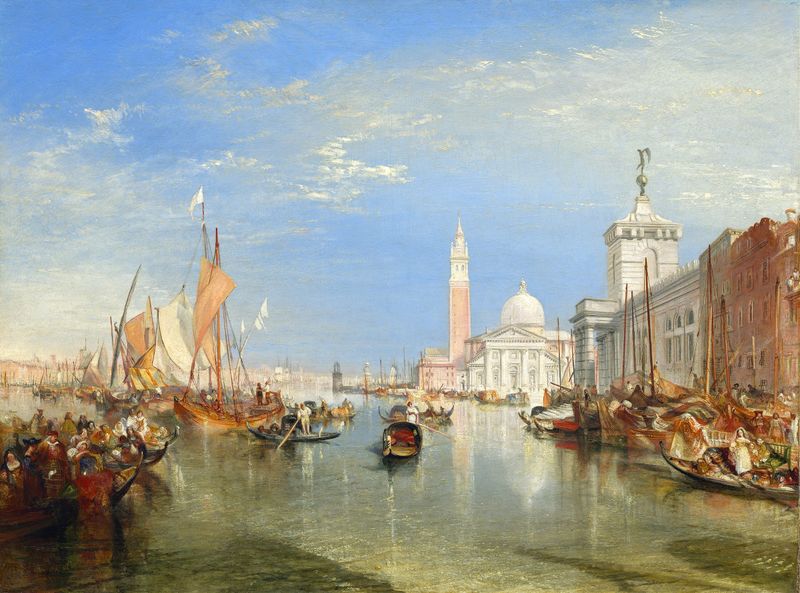
Venice – The Dogana and San Giorgio Maggiore
Joseph Mallord William Turner

The Burning of the Houses of Lords and Commons, 16 October 1834
Joseph Mallord William Turner
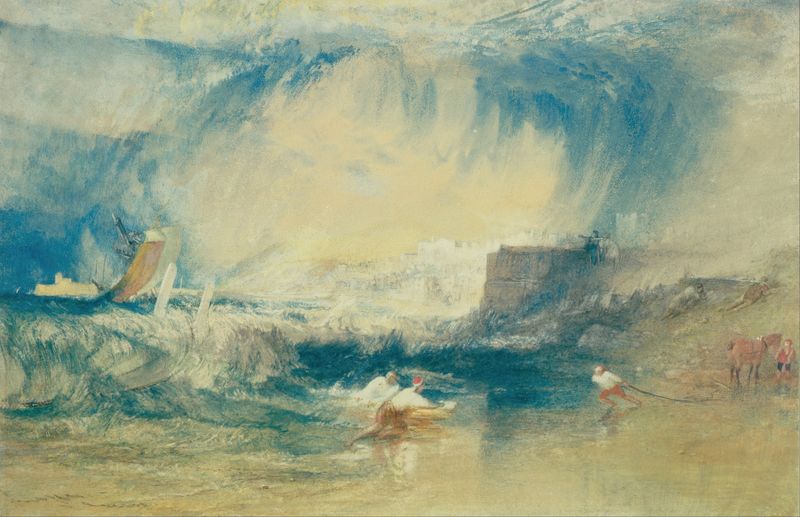
Lyme Regis, Dorsetshire, England
Joseph Mallord William Turner
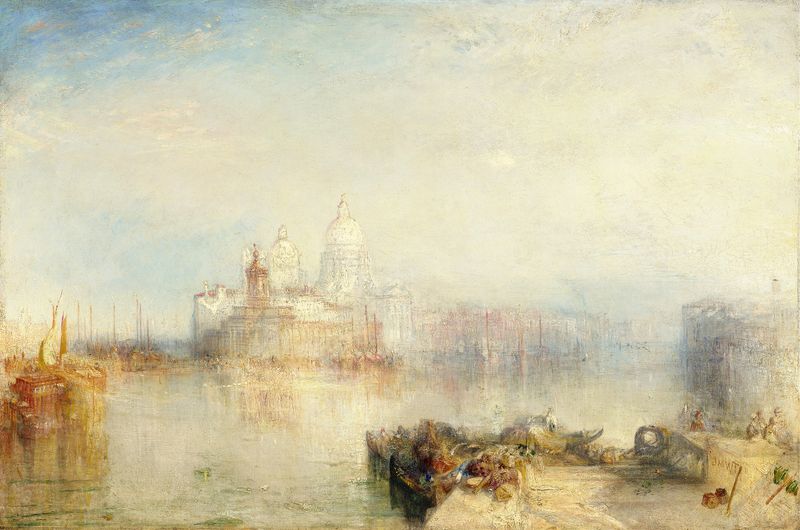
The Dogana and Santa Maria della Salute, Venice
Joseph Mallord William Turner
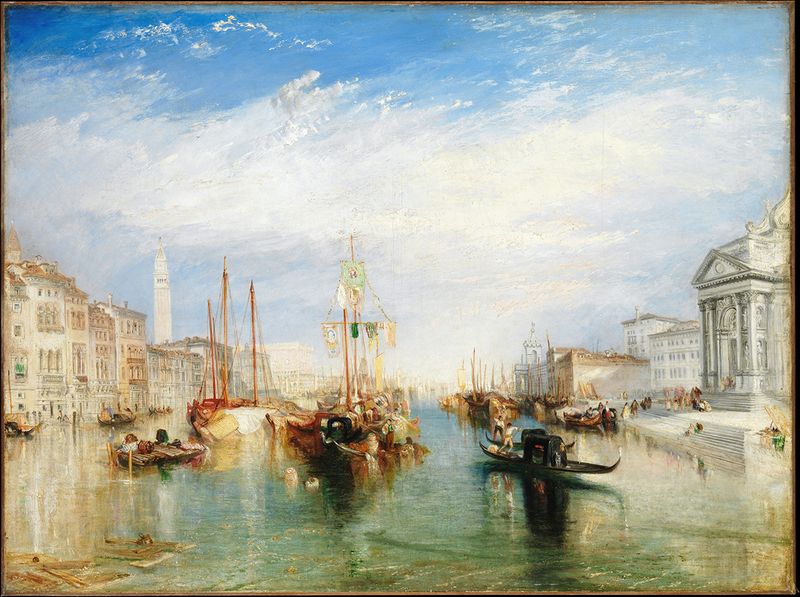
Venice, from the Porch of Madonna della Salute
Joseph Mallord William Turner
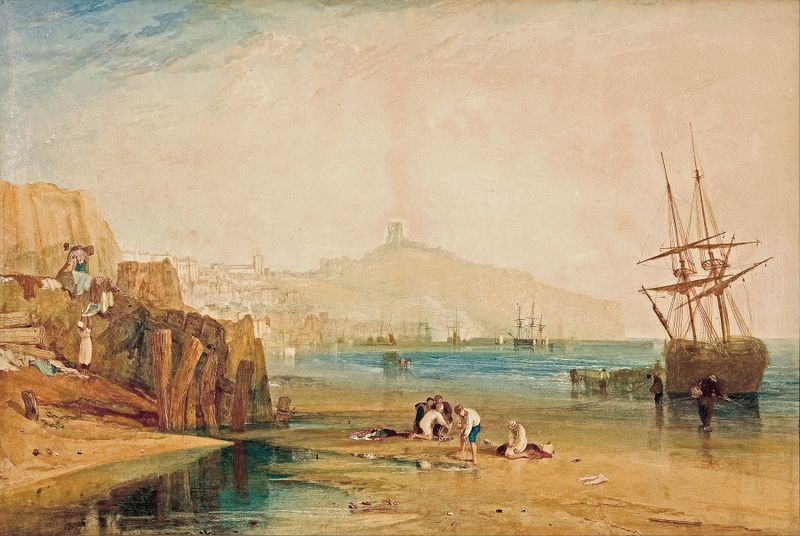
Scarborough town and castle; morning; boys catching crabs
Joseph Mallord William Turner
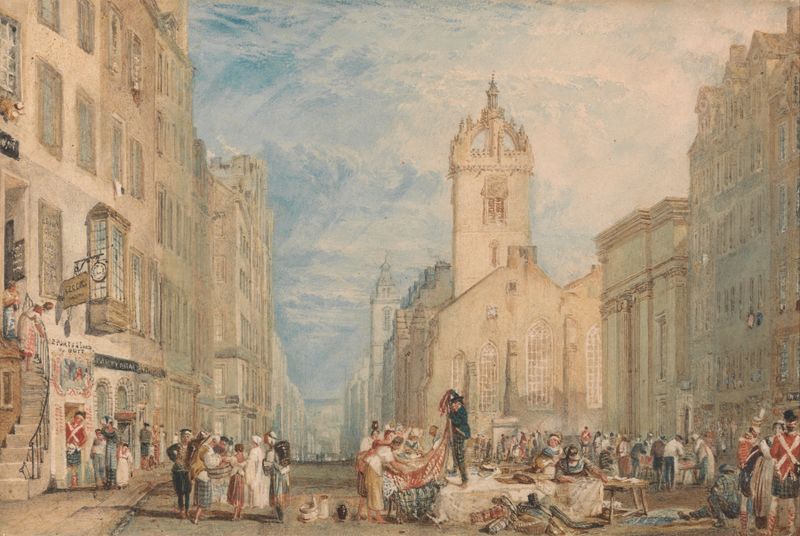
High Street, Edinburgh
Joseph Mallord William Turner





